
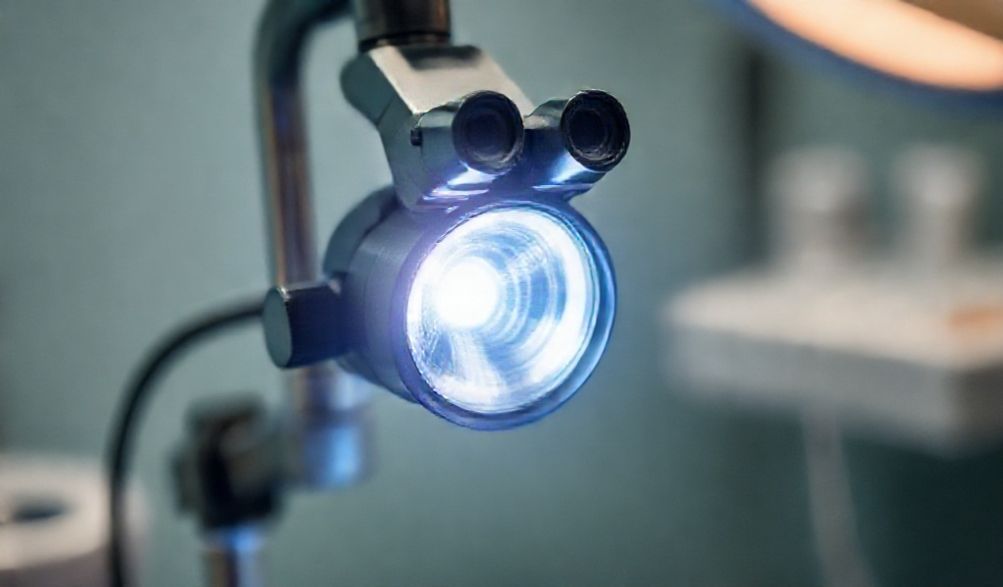
Dental Loupes Headlights: The Essential Guide for Enhanced Precision, Ergonomics, and Patient Care
Imagine this: it’s your third procedure of the day, and you’re leaning in, squinting slightly, as you attempt to discern the subtle margin of a prep or the last fleck of subgingival calculus. Your neck is beginning to protest, and a low-grade headache is forming behind your eyes. This scenario is all too common in dentistry, a profession that demands microscopic precision yet, for decades, relied on the macroscopic capabilities of the naked eye and overhead operatory lights that cast more shadows than they illuminate.
The modern dental professional faces a unique challenge: performing intricate, physically demanding work for long periods while maintaining impeccable accuracy and safeguarding their own long-term health. The solution to this challenge is not just a stronger will or better coffee—it’s superior visualization. Today, the combination of magnification (loupes) and focused, hands-free illumination (a headlight) has evolved from a luxury for specialists to a non-negotiable foundation for modern, high-standard dentistry. It is the critical upgrade that bridges the gap between what you need to see and what you can see.
This guide is designed to cut through the marketing jargon. Written from the perspective of clinical best practices and ergonomic science, we will provide a comprehensive, evidence-based resource for dentists, hygienists, and students. Our goal is to empower you to make an informed, beneficial investment in the tools that will define your clinical capability, protect your body, and elevate patient care for years to come. We’ll explore the undeniable benefits, break down the key features, provide a step-by-step selection framework, overview top systems, and outline best practices to maximize your investment.
Why a Dental Loupes Headlight System is Non-Negotiable for Modern Practice
Investing in a quality loupes headlight system is often framed as purchasing a tool. In reality, you are investing in a fundamental shift in your clinical paradigm. It’s an upgrade to your most important sensory input for dentistry: vision. Here’s why this integration is essential.
Unmatched Clinical Precision and Improved Outcomes
The primary mission is clinical excellence. A dental loupes headlight system delivers it by revolutionizing what you see.
* Revealing the Invisible: Combined magnification and coaxial (in-line) illumination eliminate shadows and dramatically increase light onto the treatment site. This reveals micro-anatomy, enables you to assess marginal integrity with certainty, and makes subgingival calculus visible as sharp, contrasting specks rather than vague tactile sensations.
* Procedural Transformation: In restorative dentistry, you can ensure precise caries removal, perfect marginal adaptation of restorations, and flawless finishing and polishing. In endodontics, locating canal orifices, identifying fractures, and performing thorough debridement becomes significantly more predictable. For periodontal procedures and hygiene, detection and removal efficiency soar, directly impacting patient outcomes and practice revenue.
The Critical Ergonomics Advantage: Protecting Your Career
Dental professionals have one of the highest rates of work-related musculoskeletal disorders (MSDs)—neck, back, and shoulder pain are occupational hazards. Your loupes headlight system is your first and most important line of defense.
* Enabling Neutral Posture: Properly fitted loupes have a specific declination angle and working distance. To achieve a clear image, you debe sit upright with your back straight and your neck in a neutral position. The headlight follows your gaze effortlessly, eliminating the need to crane your neck toward a fixed overhead light. This isn’t just comfort; it’s a primary preventive measure for a career-ending injury.
* The Data is Clear: Studies consistently show that dentists using ergonomically designed magnification report significantly less pain and fatigue. This investment directly protects your ability to practice pain-free for decades.
Reducing Eye Strain and Mental Fatigue
Clinical days are marathons of intense focus. Traditional lighting forces your eyes to constantly adapt between bright and shadowed areas, causing pupil constriction and dilation cycles that lead to strain.
* Focused Vision: A headlight delivers consistent, shadow-free illumination directly into your magnified field of view. This steady light reduces the need for extreme ocular accommodation.
* Lowering Cognitive Load: When you don’t have to mentally compensate for poor lighting or guess at what you’re feeling, your brain works less hard. Reduced mental fatigue means sharper decision-making in your last appointment as in your first.
Elevating Patient Communication and Trust
The benefits extend beyond the clinician. Enhanced visualization is a powerful communication tool.
* “Seeing is Believing”: With camera-integrated loupes, you can display a real-time, magnified view of a fractured cusp, leaking margin, or calculus deposit on a monitor. Patients become active participants in their diagnosis.
* Enhanced Informed Consent: The ability to clearly explain qué you see and por qué a procedure is necessary builds immense trust and facilitates truly informed consent. It transforms the dynamic from a transactional service to a collaborative health partnership.
Key Features to Evaluate When Choosing a Dental Loupes Headlight
Not all systems are created equal. Understanding the core specifications will help you discern quality and find the perfect match for your needs.
Loupes Specifications: Magnification, Field of View, and Working Distance
- Magnification (Mag): Common ranges are 2.5x, 3.0x, 3.5x, 4.5x, and higher.
- 2.5x-3.5x: Ideal for general dentistry, hygiene, and first-time users. Offers an excellent balance of magnification, a wider field of view, and greater depth of field (more area in focus at once).
- 4.5x+: Suited for specialists in endodontics, periodontics, or surgery who require extreme detail in a smaller field. Requires more practice to use effectively.
- Field of View (FOV) & Depth of Field: Higher magnification typically means a smaller FOV and shallower depth of field. Premium optics (like Galilean or Prismatic/Through-The-Lens) maximize FOV and depth for a given magnification.
- Working Distance (WD): This is the critical distance from your eyes to the patient’s mouth where the image is in perfect focus. It is measured during a professional fitting and is unique to your posture and arm length. An incorrect WD will force you into poor ergonomics.
Illumination Technology: LED Quality, Color Temperature, and Brightness
The “headlight” component is where significant technology differences lie.
* Índice de Reproducción Cromática (IRC): This is paramount. A CRI >90 (out of 100) indicates the light source renders colors almost as accurately as natural sunlight. This is essential for distinguishing between tooth structure, caries, composite shades, and gingival health. Don’t compromise on high CRI.
* Temperatura de Color: Measured in Kelvins (K). ~5500K is considered “daylight white” and is the clinical standard, providing bright, neutral illumination without blue or yellow tints that can distort color perception.
* Brillo y Ajustabilidad: Output is measured in Lux (illuminance at the target). Look for systems with adjustable brightness settings (e.g., 20,000 to 100,000+ Lux) to tailor light intensity for different procedures (e.g., high for surgery, lower for intraoral exams).
Comfort and Integration: Weight, Balance, and Mounting Options
You’ll wear this system for hours. Comfort is non-negotiable.
* Loupes Frames: Choose between Lupas **Flip-Up (Abatibles)** (versatile, can be flipped up without removing glasses) and Through-The-Lens/TTL (lighter, more optically centered, but fixed). Lightweight titanium frames are a popular choice for durability and comfort.
* Mounting & Battery: Headlights can be frame-mounted (attached directly to loupes arms) or headband-mounted. Battery packs can be waist-worn, clipped to a belt, or, in newer models, integrated into a slim rear headband counterweight. The goal is a balanced, lightweight feel without tugging on your head or ears.
Durability, Warranty, and Service Model
This is a long-term investment. A strong warranty (often 5-10 years on loupes, 2-3 on illumination) reflects the manufacturer’s confidence. Research the company’s reputation for customer service, repair turnaround time, and upgrade policies. Local or readily available representatives for servicing are a major advantage.
How to Select the Perfect System: A Step-by-Step Decision Framework
Self-Assessment: Analyzing Your Primary Clinical Procedures
Start by looking in the mirror. What do you do all day?
* General Dentist/Restorative Focus: A versatile 3.0x-3.5x magnification with a wide FOV and high-CRI, adjustable headlight is ideal.
* Dental Hygienist: Magnification (2.5x-3.5x) is critical for detection. A bright, cool-running headlight is essential for visibility during ultrasonic scaling.
* Specialist (Endo, Perio, Surg): Often prefer higher magnification (4.5x+) and extremely bright, focused illumination for deep, narrow fields.
* Multi-Specialty: You may benefit from a modular system or prioritizing a wider FOV at a moderate magnification.
The Fitting Process: Why a Professional In-Person Fit is Crucial
This is the single most important piece of advice: Do not buy your first loupes headlight system online without a professional fitting.
* The “Experience” and “Expertise” Factor: A certified consultant provides irreplaceable value. They ensure your working distance, pupillary distance (PD), and declination angle are measured with precision. They let you try different magnifications and frame styles.
* What a Proper Fit Entails: It should be a 30-60 minute process involving measurement devices, postural assessment, and trial with demo equipment. You should leave knowing your exact specifications and how the system should feel.
Budgeting for Value: Initial Investment vs. Long-Term Return
A high-quality system can range from ~$1,500 to over $5,000. Reframe this cost:
* It’s an investment in: Career longevity (avoiding forced early retirement due to pain), clinical quality (fewer redos, better outcomes), and personal health.
* Return on Investment (ROI): Comes from increased efficiency, higher-quality work, reduced error, and the ability to practice longer without disability.
* Financiación: Many manufacturers offer payment plans. Some practices may provide equipment stipends. In some regions, these tools may be tax-deductible professional expenses.
Top Dental Loupes Headlight Systems: A 2024 Overview
- Premium All-in-One Systems (e.g., Zeiss, Q-Optics): Known for exceptional German/US optics, integrated engineering where loupes and light are designed as one unit, and outstanding durability. Often represent the top tier in optical clarity and build quality.
- High-Value Modular Systems (e.g., SurgiTel, Orascoptic): Offer great flexibility. You can often choose frames, loupes, and lights from their catalog to mix and match. Renowned for wide model ranges, customization, and strong clinical support networks.
- Leading LED Headlight Specialists (e.g., Lumadent, BFW): These companies often excel specifically in illumination technology—producing incredibly bright, high-CRI, cool-running LED lights that can be adapted to work with many popular loupes brands. A great option if you already love your loupes but want to upgrade your light.
Maximizing Your Investment: Best Practices for Use and Maintenance
Daily Use Protocol: Achieving Optimal Posture
- Set Your Working Distance: Adjust your stool so when you sit upright, the treatment site is in perfect focus without leaning.
- Position the Patient: Lower the patient significantly—often much lower than feels instinctive at first. Your arms should be relaxed at your sides, elbows at ~90 degrees.
- Engage Your Light: Turn on your headlight and adjust the brightness to the task. Let the light guide your posture.
Cleaning, Care, and Battery Management
- Lentes: Use only lens spray and a microfiber cloth designed for coated optics. Wipe gently in a circular motion. Never use alcohol or abrasive wipes on anti-reflective coatings.
- Montura y Banda para la Cabeza: Desinfecte con las toallitas recomendadas. Evite productos químicos agresivos que puedan degradar los materiales.
- Batería: Siga las pautas del fabricante. Por lo general, evite descargar completamente las baterías de iones de litio. Almacénelas en un lugar fresco y seco. Espere reemplazar el paquete de baterías cada 2-4 años con un uso intensivo.
Solución de Problemas Comunes
- Empañamiento: Asegure un sellado adecuado de la mascarilla sobre la nariz. Utilice spray antiempañante. Algunos sistemas ofrecen ventiladores antiempañantes integrados.
- Molestia/Dolor: Esto suele indicar un ajuste incorrecto. Vuelva a consultar con su asesor para ajustar las almohadillas nasales, las patillas o la banda para la cabeza.
- Luz Tenue: Verifique la carga de la batería y las conexiones. Asegúrese de que la apertura de la luz esté limpia. Si los problemas persisten, contacte al servicio técnico.
Preguntas Frecuentes (FAQ)
P: ¿Puedo comprar lupas y una luz frontal por separado, o deberían ser un sistema combinado?
R: A menudo puede mezclar marcas (un proceso llamado “enganchar”), pero un sistema combinado de un solo fabricante está diseñado para un equilibrio óptimo, distribución del peso e integración perfecta. Consulte con un representante para garantizar la compatibilidad si planea mezclar.
P: ¿Cuál es la vida útil típica de un sistema de lupas y luz frontal dental de alta calidad?
R: Con el cuidado adecuado, las lupas premium pueden durar 7-10+ años. Los cabezales de luz LED tienen una duración nominal de 50,000+ horas (más de una década de uso clínico). La pieza de repuesto más común será el paquete de baterías recargables, típicamente cada 2-4 años.
P: ¿Vale la pena para los higienistas dentales usar lupas dentales con luces frontales?
R: Absolutamente. Podría decirse que son más críticas para los higienistas. La magnificación es esencial para una detección exhaustiva, y la luz frontal proporciona iluminación directa durante el raspado, mejorando la ergonomía y la eficacia. Es una inversión directa en los resultados clínicos y la longevidad profesional.
P: ¿Cómo evito que se empañen los lentes de mis lupas?
R: Use una mascarilla bien ajustada con un alambre nasal moldeable para dirigir el aliento hacia abajo. Aplique una solución antiempañante óptica específica. Algunos profesionales encuentran útil un pequeño trozo de cinta en la parte superior de la mascarilla. Considere lupas con un ventilador antiempañante integrado para una solución definitiva.
P: ¿Qué aumento es mejor para un dentista general que está comenzando?
R: Un aumento de 3.0x a 3.5x es el punto de partida más recomendado. Proporciona una ventaja visual significativa sobre el ojo desnudo, manteniendo un campo de visión y una profundidad de campo manejables, lo que facilita el período de adaptación.
Conclusión
Un sistema de lupas y luz frontal dental trasciende la categoría de “equipo”. Es una inversión fundamental en la tríada de la práctica moderna: excelencia clínica, salud ergonómica y sostenibilidad profesional. Cambia no solo lo que ve, sino cómo trabaja, cómo se siente al final del día y cuánto tiempo puede continuar practicando en su máximo nivel.
Elegir el sistema correcto requiere una consideración cuidadosa de su vida clínica individual, un compromiso con un ajuste profesional—donde la Experiencia y la Experticia son invaluables—y asociarse con fabricantes Confiables que respaldan sus productos. Esta decisión es una de las más impactantes que tomará para su carrera.
Dé el siguiente paso. Vaya más allá de la consideración. Programe una consulta con un representante certificado para una demostración práctica y un ajuste profesional. Experimente la diferencia que hacen la claridad y la iluminación perfectas. Sus pacientes, sus procedimientos y su yo futuro se lo agradecerán.
p>