
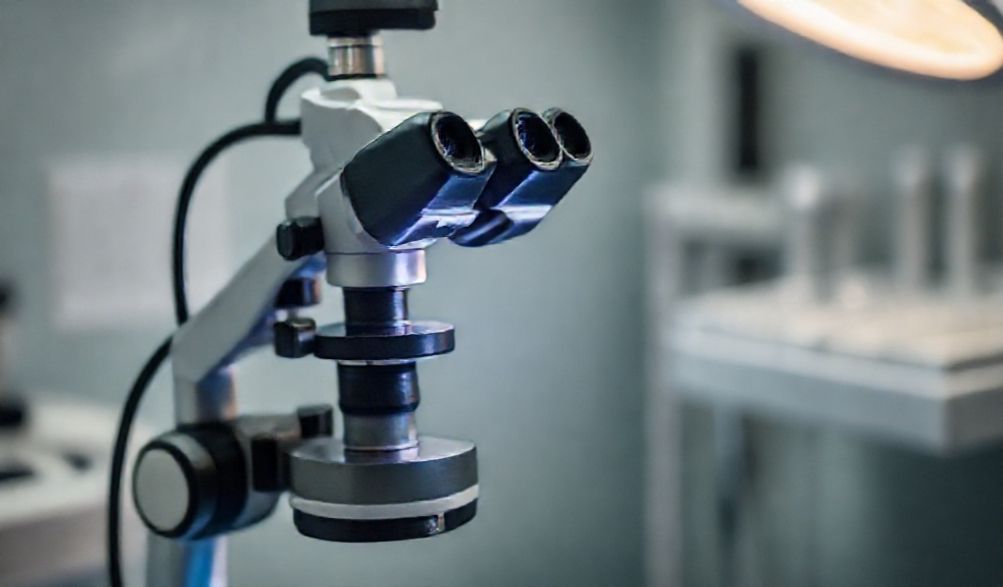
The Ultimate Guide to Dental Loupes with Light: Enhancing Precision, Ergonomics, and Patient Care
You’re halfway through a complex composite restoration. You’re leaning forward, shoulders hunched, squinting to see the distal margin of a premolar. The overhead light creates a glare on the tooth surface, while your own shadow falls across the very area you need to see most clearly. By the end of the day, a familiar ache has settled into your neck and lower back, and your eyes feel fatigued. If this scenario is relatable, you’re not alone. For decades, dentists have accepted these challenges as occupational hazards.
But what if there was a tool that could fundamentally change this experience? Enter dental loupes with light—a technological advancement that is no longer a luxury for specialists but a standard of care for the modern dental professional. This integrated system is transforming operatories by merging aumento with powerful, focused illumination.
This guide is designed to be your comprehensive, unbiased resource. We’ll move beyond marketing claims to synthesize technical specifications, evidence-based clinical benefits, and real-world user experiences. Our goal is to empower you—whether you’re a seasoned practitioner, a hygienist, or a dental student—to make a fully informed investment in your most valuable assets: your health and your clinical skill. By the end of this post, you will understand not just por qué dental loupes with light are essential, but how to navigate the key features, types, and critical selection criteria to find the perfect system for your practice.
Why Dental Loupes with Light Are a Game-Changer for Modern Dentistry
The shift from unaided vision or simple magnification to an integrated dental loupes with light system represents a paradigm shift in clinical dentistry. The benefits are interconnected, creating a positive feedback loop that elevates every aspect of patient care and practitioner well-being.
Unparalleled Visual Acuity and Precision
The human eye has limitations. Magnification shatters those barriers, but without proper light, it’s like using a high-powered microscope in the dark. A dedicated LED light source completes the picture.
- Diagnostic Superiority: With a combination of 2.5x to 6x magnification and a bright, shadow-free beam, you can detect subgingival calculus, identify the exact margin of a curious lesion, spot micro-fractures, and assess tissue health with unprecedented clarity. Early intervention becomes the norm, not the exception.
- Procedural Accuracy: Whether you’re placing a Class II composite, performing a root canal negotiation, or suturing a flap, enhanced visibility translates directly to technical precision. You can achieve cleaner margins, more conservative tooth preparations, and more predictable surgical outcomes. The light eliminates the guesswork, allowing you to work with confidence.
Enhanced Ergonomics and Postural Health
This is arguably the most compelling reason for adoption. Dentistry is notoriously hard on the body. The American Dental Association (ADA) and numerous occupational health studies have consistently highlighted the high prevalence of musculoskeletal disorders (MSDs) among dentists, particularly in the neck, back, and shoulders.
Dental loupes with light are a primary ergonomic intervention. Here’s how:
* Neutral Posture: Properly fitted loupes have a specific “working distance” (the space between your eyes and the patient’s mouth) and “declination angle” (the angle of the oculars). This design forces you to sit upright with your back supported and your neck in a neutral, straight-ahead position. You no longer need to crane your neck forward to see details.
* Strain Reduction: By bringing the magnified image to you, you eliminate the constant micro-movements and contortions used to get closer to the operating field. This significantly reduces fatigue in the cervical and lumbar spine muscles over long clinical days.
* Longevidad Profesional: Investing in ergonomics is an investment in your career. Preventing chronic pain and injury allows you to practice longer, with more energy and less discomfort.
Improved Patient Outcomes and Communication
The benefits extend directly to the patient in the chair.
* Higher Quality Restorations: The precision enabled by clear vision leads to restorations with better fit, contour, and marginal integrity. This improves longevity and reduces the risk of secondary caries or failure.
* Effective Patient Education: Many dental loupes with light systems are compatible with cameras. You can easily capture high-definition images or video of a cracked tooth, a failing margin, or subgingival calculus and display it chairside. This visual evidence is incredibly powerful for case acceptance, informed consent, and building patient trust. It transforms abstract explanations into concrete understanding.
Key Components: Understanding Loupes and Lighting Systems
To choose wisely, you need to speak the language. Let’s break down the core elements of an integrated dental loupes with light , ligero y adaptado a medida.
Magnification Systems Explained: Galilean vs. Prismatic
There are two primary optical designs, each with distinct advantages.
-
Galilean Loupes: These are the more common entry-level and mid-range systems.
- Design: Use a simple lens system (objective and eyepiece lenses).
- Magnification: Typically range from 2.0x to 3.5x.
- Ventajas: Lighter weight, more affordable, wider field of view, greater depth of field (more of the image stays in focus if you move slightly).
- Desventajas: Lower maximum magnification, can be bulkier at higher powers.
-
Prismatic (Keplerian) Loupes: These are the choice for high-magnification needs.
- Design: Use a more complex system of prisms to fold the light path, allowing for higher magnification in a more compact barrel.
- Magnification: Range from 3.5x to 8x and beyond.
- Ventajas: Higher magnification in a sleeker design, superior optical clarity and resolution, longer working distance possible.
- Desventajas: Heavier, more expensive, narrower field of view, shallower depth of field (requires more precise posture).
Illumination Technology: The Rise of LED Lights
The “light” in dental loupes with light is almost universally an LED (Light Emitting Diode) source, and for good reason.
* Funcionamiento Fresco: LEDs produce minimal heat compared to older halogen bulbs, preventing patient tissue discomfort and operator fatigue from radiant heat.
* Color Accuracy: High-quality LEDs have an excellent Color Rendering Index (CRI >90), meaning they render the true colors of tissues, teeth, and materials. This is critical for shade matching and accurate diagnosis.
* Brightness & Efficiency: Measured in Lux (illuminance at the working field) or Lumens (total light output), modern LEDs are incredibly bright and energy-efficient, leading to long battery life.
* Focus & Shadow Reduction: The light is coaxial (aligned with your line of sight) and focused, flooding the magnified field with even, shadow-free illumination.
Integration Types: Through-the-Lens (TTL) vs. Flip-Up Loupes
How the loupes and light attach to you is a key comfort and functionality choice.
-
Through-the-Lens (TTL) Loupes:
- Design: Custom-made to your precise pupillary distance and working parameters. The optical barrels are permanently fixed in the optimal position within the frame.
- Ventajas: Perfect, permanent alignment; lighter weight (no flip-up mechanism); generally considered more ergonomic as they are tailored to you.
- Desventajas: Higher initial cost; cannot be shared; if your prescription changes, you may need new lenses or frames.
-
Lupas Abatibles:
- Design: The magnification barrels are mounted on a hinge, allowing you to flip them up and down.
- Ventajas: Versatility—you can look over them for non-magnified tasks; often adjustable for interpupillary distance; can be used by multiple people (if prescription is not ground in); can be less expensive upfront.
- Desventajas: Heavier due to the hinge mechanism; can lose alignment if bumped; the flipped-up position can be awkward.
How to Choose the Right Dental Loupes with Light for Your Practice
Selecting your system is a personal and professional decision. Follow this step-by-step guide to find your perfect match.
Step 1: Assess Your Clinical Needs and Specialties
Your daily procedures should dictate your specifications.
* General Dentists & Hygienists: A great starting point is 2.5x to 3.5x Galilean loupes. This provides a significant visual boost with a forgiving depth of field for a variety of procedures.
* Endodontists & Periodontists: Often require higher magnification (4.0x to 6.0x+ prismatic) for fine detail work like locating canal orifices or performing microsurgery.
* Surgeons (Oral/Implant): Balance is key. Higher magnification (3.5x to 5.0x) is useful for suturing and precise flap work, but a very narrow field of view can be disorienting during larger osteotomies.
Step 2: Get a Professional Fitting (The Most Critical Step)
This cannot be overstated. Buying loupes online without a fitting is like ordering custom shoes without measuring your feet. A trained representative will measure:
* Interpupillary Distance (IPD): The distance between your pupils.
* **Distancia de Trabajo:** The distance from your eyes to your dominant hand’s working field when sitting upright.
* Ángulo de Declinación: The angle from your eyes to the patient’s mouth.
A proper fit is what makes loupes ergonomic. A poor fit can cause worse posture and pain than having no loupes at all.
Step 3: Evaluate Technical Specifications
Create a checklist based on your Step 1 assessment:
* Magnification & Type: Galilean or Prismatic? What power?
* Field of View: How wide is the magnified circle? (Larger is often easier to adapt to).
* Índice de Reproducción Cromática (IRC): Corded or wireless? Wireless offers freedom but requires battery management. Consider brightness (Lux), battery life per charge, and charging dock convenience.
* Camera Compatibility: Is adding a camera now or in the future important to you? Ensure the system supports it.
Step 4: Consider Budget and Long-Term Value
A quality dental loupes with light system is an investment.
* Price Range: Expect to invest anywhere from $1,500 for a basic TTL Galilean system to $3,500+ for a high-magnification prismatic system with a premium wireless light. Flip-ups may be slightly less.
* Costo Total de Propiedad: Factor in warranty (often 3-5 years), battery replacement costs ($100-$300 every few years), and service fees. A slightly more expensive system from a company with excellent support can be more valuable long-term.
* Financiación: Many vendors offer payment plans, making this career-critical tool more accessible.
Maintaining Your Dental Loupe and Light System
Your investment deserves proper care. Follow these guidelines to ensure longevity and optimal performance.
Daily Cleaning and Disinfection Protocols
- Lentes: First, use a soft brush or air blower to remove debris. Clean only with lens-specific microfiber cloths and approved lens cleaning solution. Avoid paper towels, clothing, or harsh chemicals, which can scratch coatings.
- Frames & Light Head: Wipe down with a disinfectant wipe that is safe for plastics and metals. Avoid getting moisture into the hinge mechanisms or light port.
Battery Care and Light Source Longevity
- Siga las Instrucciones del Fabricante: Adhere to specific charging guidelines. Most modern lithium-ion batteries do not have a “memory,” but avoiding complete discharge is good practice.
- Almacenamiento: If not using the system for an extended period, store the battery partially charged (around 50%) in a cool, dry place.
- Spare Battery: For wireless systems, a spare battery is a wise investment to avoid downtime during a long procedure.
When to Seek Professional Servicing or Re-Calibration
- Misalignment: If you experience double vision (diplopia), eye strain, or headaches, the loupes may be out of alignment.
- Physical Damage: If the frames are bent or the loupes are dropped, they need professional assessment.
- Luz Tenue: Si la intensidad luminosa se vuelve notablemente más tenue o cambia la temperatura de color, puede ser necesario reemplazar el LED o la batería.
Póngase en contacto con el fabricante o un distribuidor autorizado para el servicio; no intente realizar reparaciones usted mismo.
Preguntas Frecuentes (FAQ) sobre Lupas Dentales con Luz
P1: ¿Cuál es el aumento ideal para un odontólogo general que comienza a usar lupas?
R: La mayoría de los profesionales y adaptadores recomiendan comenzar con un aumento de 2.5x a 3.5x, típicamente con un sistema galileano. Esto proporciona una mejora visual sustancial mientras ofrece un campo de visión y una profundidad de campo más amplios y tolerantes mientras se adapta a trabajar con aumento. Los sistemas prismáticos (de mayor aumento) pueden considerarse más adelante a medida que evolucionen sus necesidades.
P2: ¿Son mejores las luces inalámbricas o con cable?
R: Esto es una cuestión de preferencia personal. Las luces inalámbricas ofrecen completa libertad de movimiento y ningún cable que gestionar, lo cual es un beneficio ergonómico y de conveniencia significativo. Las luces con cable obtienen energía de una unidad base, por lo que nunca se agotan a mitad de un procedimiento y suelen ser ligeramente más brillantes. La elección depende de su tolerancia a un cable y de la duración típica de sus procedimientos.
P3: ¿Cuánto debería esperar invertir en un sistema de buena calidad?
R: Un sistema de calidad de marcas reputadas suele partir del rango de $1,500 a $2,500 por una configuración TTL galileana hecha a medida con una luz inalámbrica. Los sistemas prismáticos de alto aumento con funciones avanzadas pueden oscilar entre $2,500 y $4,000 o más. Considere esto una inversión a largo plazo en su habilidad clínica y salud física. Muchos proveedores ofrecen financiación o planes de pago.
P4: ¿Puedo agregar una luz a mis lupas existentes?
R: Frecuentemente, sí. Muchos fabricantes venden kits de luz diseñados para acoplarse a sus propios marcos de lupas. También existen montajes universales de terceros. Sin embargo, la compatibilidad y lograr una alineación coaxial óptima (donde la luz ilumina exactamente donde usted está mirando) son cruciales. Se recomienda encarecidamente una consulta profesional para garantizar una configuración adecuada.
P5: ¿Realmente las lupas dentales con luz ayudan a prevenir el dolor de espalda y cuello?
R: Sí, decididamente, pero con una advertencia crítica: cuando están correctamente adaptadas. Las lupas prescritas correctamente le permiten mantener una posición de columna erguida y neutral mientras lleva una imagen magnificada e iluminada a sus ojos. Esto elimina la necesidad de encorvarse hacia adelante. Sin embargo, las lupas mal adaptadas pueden forzarle a adoptar una postura aún peor, pudiendo exacerbar el dolor. La adaptación profesional es lo que desbloquea el beneficio ergonómico.
Conclusión
El viaje desde esforzarse por ver hasta trabajar con una precisión cristalina e iluminada es transformador. Dental loupes with light son más que una simple herramienta; son un componente fundamental de la odontología moderna, ergonómica y de alta precisión. Mejoran su capacidad diagnóstica, elevan la calidad de su trabajo clínico, protegen su bienestar físico y mejoran la comunicación con sus pacientes.
Elegir un sistema es una de las decisiones profesionales más significativas que puede tomar para la longevidad de su carrera. Merece experiencia práctica, investigación exhaustiva y consulta con colegas que los usen. Le animamos a ir más allá de las especificaciones en un folleto y programar consultas con representantes certificados de varios fabricantes líderes. Pruebe diferentes estilos y aumentos. Sienta la diferencia que una postura adecuada y una iluminación brillante pueden lograr.
¿Listo para explorar sus opciones? Comience contactando a proveedores para reservar una adaptación profesional. Experimente la diferencia de primera mano y dé el primer paso hacia una práctica más precisa, cómoda y gratificante.
Esta guía fue compilada basándose en especificaciones técnicas, mejores prácticas de la industria y las experiencias compartidas de profesionales dentales para servir como un recurso educativo integral e imparcial.
p>