
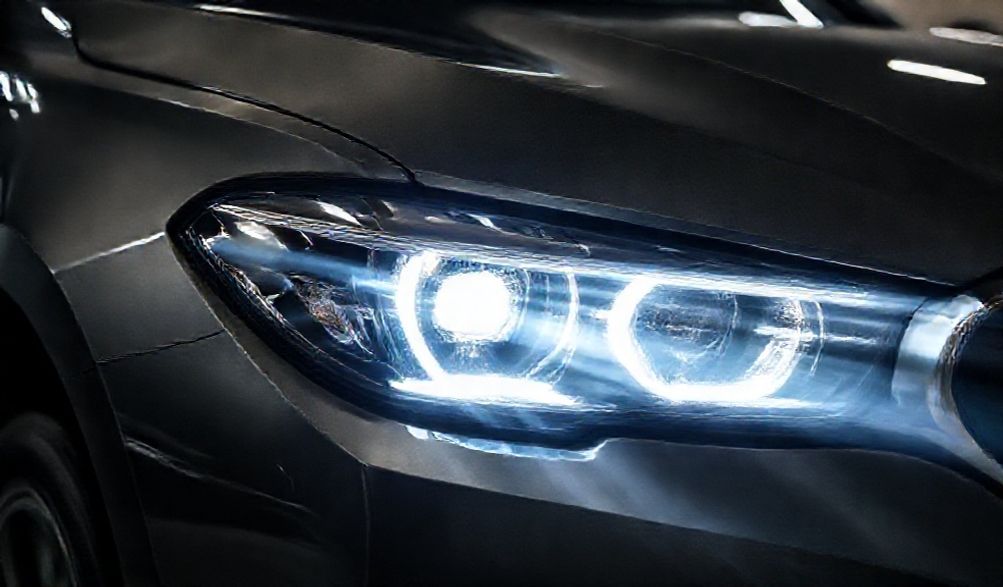
Dynamic Headlights Explained: Safety, Technology, and How They Work
You’re driving on a winding, unlit country road at night. Your low beams cast a dim pool of light just ahead, leaving the edges of the road and the upcoming curve in shadow. You flick on your high beams, and the world illuminates—but then, a pair of headlights appears around the bend. You’re momentarily blinded, fumbling to switch back to low beams, and in that flash of glare and adjustment, you miss seeing the deer at the roadside or the pothole in your lane. This tense, familiar scenario highlights the fundamental compromise drivers have faced for over a century: the choice between seeing and being safe for others.
Enter dynamic headlights, the most significant advancement in automotive lighting since the sealed-beam bulb. Also known as Adaptive Driving Beams (ADB) or Matrix LED systems, this technology promises to shatter that old compromise. Imagine headlights that act like a vigilant co-pilot, constantly reshaping their beam to light your path fully while automatically dimming only the precise slices of light that would dazzle other drivers, cyclists, or pedestrians. This isn’t science fiction; it’s sophisticated, sensor-driven technology available in cars on the road today.
This comprehensive guide will illuminate everything you need to know about dynamic headlights. We’ll delve into the engineering principles behind how they work, examine the compelling safety data from institutions like the IIHS and NHTSA, explore the different types of systems, and demystify the regulatory landscape that has shaped their adoption. Our goal is to provide an authoritative, expert-level resource grounded in automotive engineering and verified safety research.
What Are Dynamic Headlights? Beyond High and Low Beams
At their core, dynamic headlights are intelligent lighting systems designed to automatically and continuously optimize the headlight beam pattern for maximum visibility without causing glare.
The Limitation of Traditional Headlights
Traditional headlight systems are binary. You have low beams, which are angled downward to prevent blinding oncoming traffic but severely limit your viewing distance and peripheral illumination. Then you have high beams, which provide far-reaching, broad light essential for dark road safety but create dangerous glare for anyone else on the road. This forced choice leaves drivers either under-illuminated or a hazard to others. Automatic high-beam assist, which switches between the two, is an improvement but still a blunt instrument, offering no partial illumination.
The Core Function: Adaptive Light Distribution
Dynamic headlights eliminate this binary choice. Their primary function is adaptive light distribution. Instead of simply turning a beam on or off, the system actively shapes the beam’s pattern in real-time. It can maintain a high-beam level of light across 90% of the road while creating precise, dark “tunnels” or shadows around other vehicles. As you drive, these shadows track the other vehicles, allowing you to see everything else—roadside signs, pedestrians, animals, and the curve ahead—in brilliant detail, without ever flashing or blinding the other driver.
Common Names and Terminology
You’ll encounter several terms, often used interchangeably by marketers, but with subtle technical distinctions:
* Adaptive Driving Beam (ADB): The overarching technical term, often used in regulations, for systems that automatically modify the headlight beam.
* Adaptive Front-lighting System (AFS): This can be a broader category. Sometimes it refers specifically to systems that swivel headlights into a curve (bending light). However, AFS is increasingly used to encompass both bending and adaptive beam systems.
* Matrix LED / Pixel LED: These refer to the hardware implementation. A “matrix” of dozens of individual LED segments can be turned on or off independently. “Pixel” systems take this further, using thousands of tiny LEDs for ultra-precise control.
* Digital Light: A cutting-edge evolution seen in brands like Mercedes-Benz, where headlights can project complex symbols or navigation cues onto the road itself.
How Dynamic Headlights Work: The Technology Behind the Beam
The operation of a dynamic headlight system is a seamless, high-speed dance between sensors, software, and hardware.
The Sensory Suite: Cameras, Sensors, and Control Units
The system’s eyes and ears are a network of vehicle sensors:
* A high-resolution, forward-facing camera (often the same one used for lane-keep assist) is the most critical. It detects the headlights and taillights of other vehicles, and can identify pedestrians and cyclists by their shape and movement.
* Steering angle and wheel speed sensors tell the car where it’s intending to go and how fast.
* GPS and navigation data can provide information about upcoming road geometry, like sharp curves or intersections.
* A windshield rain/light sensor helps determine ambient light conditions.
The Processing Brain: Real-Time Analysis
All this data streams into a central electronic control unit (ECU) dedicated to lighting. Using sophisticated image recognition and predictive algorithms, this computer creates a real-time map of the road environment in milliseconds. It identifies the position, speed, and trajectory of every light source and potential hazard. It then calculates the optimal headlight beam pattern: where to cast full light and where to create shadows.
The Adaptive Hardware: Creating the Light Pattern
Once the computer decides, it commands the headlight hardware to execute the pattern. There are two main methods:
1. LED Array with Shutters: Some systems use a powerful, single LED source paired with an array of tiny, electronically controlled physical shutters. These shutters move to block specific portions of the beam, creating shadows.
2. Matrix/Pixel LED Arrays: More common in newer systems, the headlight contains a grid of many individual LED chips (from 24 to over a million in prototype “digital light” systems). The ECU can turn each LED or cluster on or off independently with incredible speed, creating complex light shapes without any moving parts.
Proven Safety Benefits of Adaptive Headlight Systems
The promise of dynamic headlights isn’t just about convenience; it’s backed by compelling safety data.
Enhancing Driver Vision and Reducing Fatigue
By providing near-high-beam illumination most of the time, dynamic headlights dramatically improve a driver’s ability to see potential dangers earlier. Key benefits include:
* Extended viewing distance for identifying obstacles.
* Better illumination of road edges and curves, reducing surprise.
* Improved visibility of pedestrians, cyclists, and animals in the periphery.
* Reduced cognitive load and eye fatigue, as the driver no longer constantly manages the high-beam switch and their eyes aren’t subjected to drastic light changes.
Mitigating Glare for Oncoming and Preceding Traffic
This is the other side of the safety equation. By precisely shadowing other road users, ADB systems eliminate the dangerous “blinding” effect. This makes roads safer not just for the driver with the tech, but for everyone they encounter. An oncoming driver is no longer visually impaired, and a cyclist ahead remains clearly visible in their own pool of light.
Statistical Support: What Research Shows
Major safety organizations have quantified the potential impact:
* The Insurance Institute for Highway Safety (IIHS) has stated that if all vehicles were equipped with ideal ADB systems, they could prevent as much as 20-25% of nighttime pedestrian crashes—a staggering figure given that roughly 75% of pedestrian fatalities occur after dark.
* The National Highway Traffic Safety Administration (NHTSA), in its ruling to allow ADB, cited studies showing the technology’s potential to significantly reduce glare-related discomfort and disability for other drivers.
* European and Asian safety studies, where the technology has been legal longer, consistently show improvements in driver reaction times and overall nighttime safety metrics.
Types of Dynamic Headlighting Systems
Not all adaptive lighting is created equal. The technology exists on a spectrum.
Basic Adaptive Front-lighting Systems (AFS)
These are the precursors to full ADB. The primary function is bending light o cornering lights. When you turn the steering wheel or use a turn signal, the headlight projector swivels or an additional cornering lamp activates to illuminate the direction you’re turning. This improves safety at intersections and on curves but does not selectively dim for other vehicles.
Advanced Adaptive Driving Beam (ADB) / Matrix Systems
This is the technology most commonly referred to as “dynamic headlights.” It uses a camera-based system with an array of LEDs (or shutters) to selectively dim specific segments of the high-beam pattern. It creates the “shadow tunnel” around other cars while maintaining high-beam illumination everywhere else. This is the system with the most proven, comprehensive safety benefits.
Pixel Light and Digital Light Innovations
This is the cutting edge. Systems like Audi’s Digital Matrix LED or Mercedes’ Digital Light use chips with over a million micromirrors (DLP technology, like in a cinema projector) to control light with pixel-level precision. They can do everything a matrix system can, but also project symbols or information onto the road—such as lane markings during construction, pedestrian warning symbols, or navigation arrows—turning the headlights into a communication tool.
Availability, Regulations, and Vehicle Integration
The journey of dynamic headlights to the market has been heavily influenced by regulation.
The Regulatory Landscape: A Global Patchwork
For decades, a major barrier existed in the United States. The Federal Motor Vehicle Safety Standard (FMVSS) 108, written in the era of sealed-beam lights, effectively outlawed the type of adaptive beams that dim only in sections. This is why the technology was common in Europe and Asia for over a decade but absent in the U.S.
This changed in February 2022, when the NHTSA amended FMVSS 108 to finally permit Adaptive Driving Beam systems on new vehicles. This opened the floodgates for automakers to introduce the technology in the U.S. market.
Which Car Brands and Models Offer Them?
Many automakers now offer some form of dynamic headlight technology, often as part of premium or technology packages. Pioneers and key players include:
* Audi: Matrix Design LED & Digital Matrix LED (e.g., A8, e-tron)
* BMW: Adaptive LED Headlights with Glare-Free High Beam Assist (e.g., 5 Series, X5)
* Mercedes-Benz: MULTIBEAM LED and DIGITAL LIGHT (e.g., S-Class, EQS)
* Ford / Lincoln: Adaptive Pixel LED Headlights (e.g., Ford Mustang Mach-E, Lincoln Nautilus)
* Toyota / Lexus: BladeScan and BladeScan AHS (e.g., Lexus LS, some Toyota models in other markets)
* Volkswagen, Volvo, Hyundai, and Genesis also offer advanced systems. The technology is rapidly trickling down from luxury flagships to mainstream models.
Identifying and Using Dynamic Headlights
If your car has this feature, it typically operates fully automatically. You may see a specific icon on the headlight switch or in the instrument cluster (often an “A” inside a headlight symbol). The system is usually activated by setting the headlights to “Auto” and ensuring the high-beam assist function is turned on. The driver’s role is simply to drive; the car handles the complex beam-shaping seamlessly.
Preguntas Frecuentes (FAQ)
Q: Are dynamic headlights the same as automatic high beams?
R: No, this is a crucial distinction. Automatic high beams are a simple on/off switch. They turn high beams on when it’s dark and no cars are detected, and switch back to low beams when they sense lights. Dynamic headlights (ADB) are far more sophisticated. They keep high beams on almost constantly but use a camera and LED array to actively carve out and shadow other vehicles within the beam, providing superior, constant illumination without the glare.
Q: Do dynamic headlights work in all weather conditions?
R: They have limitations. The system relies on a clear view from its front camera. In niebla densa, nieve o lluvia intensa, la visión de la cámara puede verse obstruida y el sistema puede volver a un modo estándar de luces bajas/altas. Del mismo modo, una lente de cámara sucia o una acumulación de nieve/hielo en el propio faro perjudicará su funcionamiento. Son un aliado para condiciones climáticas favorables, aunque a menudo muy eficaz.
P: ¿Son costosos de reparar o reemplazar?
R: Sí, por lo general. Una unidad de faros dinámicos es un conjunto complejo de lentes, LED de alta potencia, componentes electrónicos sofisticados y, a veces, piezas móviles. Reemplazar una sola unidad puede costar varios miles de dólares, significativamente más que un conjunto halógeno tradicional o incluso un conjunto LED estándar. Sin embargo, las propias fuentes de luz LED tienen una vida útil extremadamente larga (a menudo la vida útil del vehículo), y los sistemas están diseñados para ser duraderos. Este costo es un factor en las primas de seguro más altas para los vehículos equipados con ellos.
P: ¿Se convertirán en equipamiento estándar en todos los coches nuevos?
R: La tendencia apunta firmemente en esa dirección. Con la eliminación del obstáculo regulatorio en EE. UU. y los convincentes datos de seguridad, la ADB está siguiendo un camino similar al de otras tecnologías de seguridad como las cámaras de marcha atrás y el frenado automático de emergencia. Inicialmente una opción costosa en coches de lujo, ahora está apareciendo en modelos más asequibles. Si bien podría tomar una década o más, la adopción generalizada como característica de seguridad estándar es un resultado probable, especialmente a medida que se integra con los conjuntos de sensores utilizados para la conducción automatizada.
Conclusión
Los faros dinámicos representan un auténtico cambio de paradigma en la seguridad automovilística. Transforman la iluminación de una herramienta pasiva y estática a un sistema activo e inteligente que amplía la capacidad humana. Al resolver inteligentemente el conflicto centenario entre visibilidad y deslumbramiento, no solo ayudan a los conductores a ver mejor, sino que contribuyen a crear un entorno nocturno más seguro para todos los usuarios de la vía.
El valor de esta tecnología radica en su naturaleza proactiva; funciona para prevenir accidentes antes de que ocurran, iluminando los peligros antes y eliminando un factor de estrés clave de la tarea de conducción. Mirando hacia el futuro, los faros dinámicos son más que simples luces brillantes. Son un componente fundamental del ecosistema de fusión de sensores que permitirá niveles más altos de conducción automatizada, demostrando que a veces, las características de seguridad más transformadoras son aquellas que simplemente nos ayudan a ver el camino por delante con mayor claridad.
Para obtener información autorizada sobre cómo funcionan los sistemas de iluminación de su vehículo específico, consulte siempre el manual del propietario. Para investigar la eficacia de los diferentes sistemas de faros, el programa de Calificaciones de Faros del IIHS es un recurso excelente e imparcial para comparar la visibilidad y el control del deslumbramiento entre marcas y modelos.
p>