
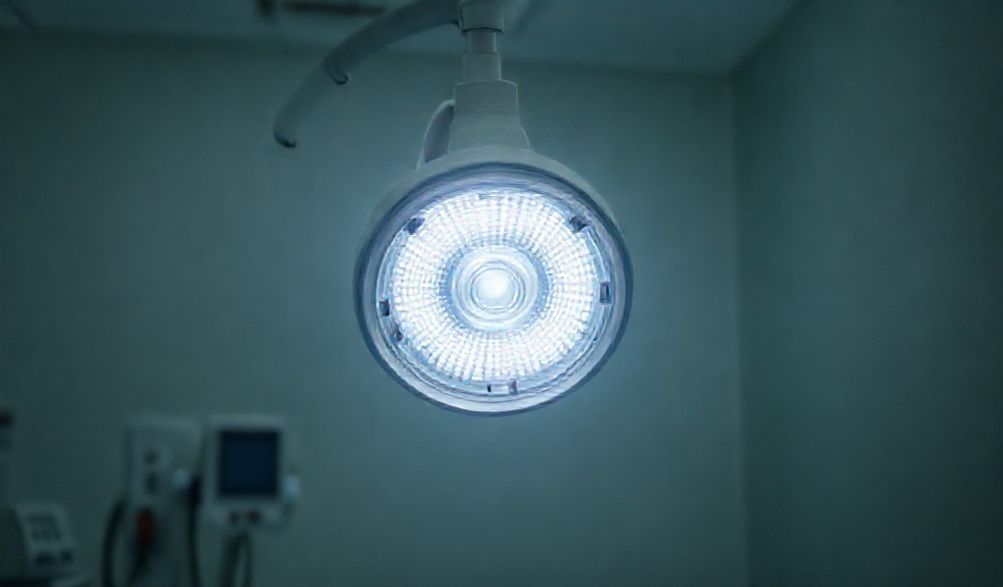
Medical Examination Lights: A Comprehensive Guide to Optimal Clinical Illumination
En el intrincado baile del diagnóstico y tratamiento clínico, pocas herramientas son tan fundamentalmente importantes —y sin embargo tan frecuentemente pasadas por alto— como la médica Las luces de examen médico. It is the primary instrument through which a clinician sees, the critical interface between observation and interpretation. From a routine check-up in a family practice to a complex surgical procedure, the quality of illumination can mean the difference between a confident diagnosis and a missed detail.
This pillar page serves as a definitive resource for healthcare professionals, facility managers, and procurement specialists. We will move beyond basic specifications to explore the core principles, diverse applications, and critical selection criteria for luz de examens. By synthesizing clinical expertise, technical standards, and real-world user experience, this guide aims to empower you to make informed decisions that directly enhance patient care, improve clinical efficiency, and ensure long-term value for your healthcare facility.
Understanding Medical Examination Lights: Core Principles and Purpose
At its core, a medical examination light is not merely a bright lamp; it is a precision optical tool designed to reveal truth. Its purpose is to illuminate the human body in a way that allows for accurate visual assessment, free from distortion, shadow, or color cast.
The Role of Illumination in Accurate Diagnosis
Visual cues are paramount in medicine. The subtle blush of inflammation, the pallor of anemia, the yellow tinge of jaundice, or the blue hue of cyanosis are all critical diagnostic signs. Poor lighting can obscure these details, leading to diagnostic uncertainty or error. A high-quality luz de examen reduces this risk by providing consistent, shadow-reduced, and color-accurate illumination. It allows the practitioner to see texture, depth, and color variation with clarity, forming the reliable visual foundation upon which further testing and treatment decisions are built. The importance of proper color rendering, in particular, cannot be overstated for accurately identifying tissue states and vascular conditions.
Key Performance Metrics: What Defines a Quality Exam Light?
Al evaluar un luz de examen, three technical specifications are non-negotiable:
- Illuminance (Lux) and Field Diameter: Illuminance measures the intensity of light falling on a surface (lux = lumens/m²). A general luz de examen for a procedure room typically requires 20,000 to 40,000 lux at a defined distance (e.g., 1 meter), with an adjustable field diameter to concentrate light on a small area or flood a larger region. The light must be intense enough to see fine detail without causing patient discomfort or practitioner glare.
- Temperatura de Color (Kelvin): Measured in Kelvins (K), this describes the “warmth” or “coolness” of white light. For clinical settings, a neutral white light between 4000K and 5000K is ideal. This range closely mimics natural daylight, minimizes eye strain during long procedures, and provides the most accurate perception of tissue color. Warmer lights (<4000K) can mask cyanosis, while cooler lights (>5000K) can exaggerate erythema.
- Índice de Reproducción Cromática (IRC): This is arguably the most critical metric for diagnostic accuracy. CRI measures a light source’s ability to reveal the true colors of an object compared to natural light. A CRI of 100 is perfect sunlight. For medical use, a CRI of 90 or higher is essential, with >95 being optimal for specialties like dermatology or where digital photography is used. A low-CRI light can make healthy tissue look pathological and vice versa.
Evolution of Technology: From Halogen to LED
The shift from halogen and incandescent bulbs to Light Emitting Diode (LED) technology represents the most significant advancement in medical lighting.
- Halógena: Provided good color quality but was extremely inefficient, converting over 90% of energy into heat. This caused patient discomfort, required complex cooling systems, and led to high operational costs due to frequent bulb replacements and energy consumption.
- LED: Modern LED exam lights offer transformative benefits:
- Funcionamiento Fresco: LEDs emit minimal infrared radiation, directing energy as visible light rather than heat. This enhances patient comfort and safety, especially during prolonged examinations.
- Longevity & Reliability: LED systems boast lifespans of 30,000 to 50,000 hours, drastically reducing maintenance and replacement costs.
- Los LED consumen hasta un 80% menos de energía que los sistemas halógenos para producir la misma o mayor cantidad de luz, reduciendo los costes de servicios. They consume up to 80% less power than halogen equivalents, offering substantial savings on electricity bills.
- Instant Performance: LEDs reach full brightness immediately, with no warm-up time, and offer precise, flicker-free dimming.
When comparing lifecycle costs—factoring in energy use, bulb replacements, and downtime—LED exam lights provide superior clinical performance and significant long-term economic advantages.
Types of Medical Examination Lights and Their Clinical Applications
Not all clinical spaces have the same lighting needs. The form and function of an luz de examen must align with its specific application.
Overhead Examination Lights: The Workhorse of the Clinic
These are the versatile, mobile lights found in examination rooms, urgent care centers, and minor procedure suites. Typically mounted on a floor stand or wall arm, they are characterized by:
* High Portability: Easy to move and position around the patient.
* Excellent Adjustability: Multi-jointed arms provide a wide range of motion to direct light precisely where needed.
* Reducción de Sombras: Many use multiple LED modules or reflective optics to minimize shadows cast by the practitioner’s hands or tools.
They are ideal for general physical exams, wound care, suturing, and basic diagnostic procedures.
Surgical Examination Lights: Precision for the Operating Room
Surgical lights are engineered for the highest level of performance in critical environments. Key features include:
* Iluminación de Cavidades Profundas: Advanced optical systems deliver intense, focused light deep into body cavities without shadows, even at steep angles.
* Homogeneous Light Field: The illuminated area has uniform intensity from center to edge, with no hot spots or dark rings, reducing eye fatigue for the surgical team.
* Sterile Design: They feature seamless, cleanable surfaces and often include sterile handles that can be autoclaved for intraoperative repositioning.
* Control del Deslumbramiento: Sophisticated lensing and filtering eliminate glare from wet tissue surfaces.
Specialized Examination Lights: ENT, Dental, and Veterinary Uses
Specific medical disciplines have unique requirements, leading to specialized luz de examen designs:
* ENT & Dental Lights: Often head-mounted or integrated into diagnostic scopes (otoscopes, laryngoscopes). They provide intense, coaxial illumination (along the line of sight) to eliminate shadow in deep, narrow orifices like ears, nasal passages, and the oral cavity.
* Veterinary Lights: Designed for the variable anatomy and positioning of animal patients, they often feature extra-long reach, robust construction, and intensity settings suitable for both small and large animals.
* Photography/Dermatology Lights: For telehealth and diagnostic imaging, lights with ultra-high CRI (>95) and diffuse, even output are crucial to capture accurate, consistent digital images free from shadows or color distortion.
Critical Features to Consider When Selecting an Exam Light
Beyond core specifications, several design and usability features separate adequate lights from exceptional ones.
Adjustability and Ergonomic Design
A light that is difficult to position is a light that won’t be used optimally. Look for:
* Full Range of Motion: Articulating arms with multiple joints, rotation, and easy locking mechanisms.
* Effortless Maneuverability: Balanced arms that stay in position without drift, requiring minimal physical effort from staff. This reduces user fatigue and improves workflow efficiency.
* Controles Intuitivos: Dimmers and focus controls should be within easy reach, often on a handle or at the light head itself.
Light Quality and Control Systems
Modern lights offer sophisticated control over the illumination itself:
* Smooth, Flicker-Free Dimming: Essential for adjusting to patient comfort and different procedural needs without causing practitioner eye strain.
* Focus Control: The ability to adjust from a wide, flood light to a tight, focused spot.
* Modos Preestablecidos: Some lights offer memory presets for different procedure types (e.g., “surface exam,” “deep cavity,” “photography”), allowing instant optimization with the touch of a button.
Hygiene, Durability, and Maintenance
In a healthcare environment, cleanability and reliability are paramount.
* Control de Infecciones: The housing should have a seamless, non-porous finish that can withstand frequent cleaning with hospital-grade disinfectants. Absence of crevices where contaminants can accumulate is critical.
* Calidad de Construcción: Robust materials and construction to withstand daily use and occasional impact. Check the IP (Ingress Protection) rating if resistance to fluids is a concern.
* Capacidad de Servicio: Choose reputable manufacturers that offer clear warranties, accessible service manuals, and a network of qualified biomedical technicians. Consider the total cost of ownership, including service availability.
Implementing and Optimizing Exam Lights in Your Practice
The right light must be integrated into the right environment to realize its full potential.
Installation and Environmental Considerations
The mounting option should complement your room layout and workflow:
* Montado en Techo: Saves floor space, provides the widest unobstructed range, and is ideal for fixed procedure tables or surgical suites.
* De Pie: Offers maximum flexibility and portability, perfect for multi-purpose rooms or clinics with varying layouts.
* Montado en Pared: A space-saving compromise that offers good coverage for a dedicated examination area.
Always assess ambient light. Control natural light and overhead room lighting to prevent washout or glare that can compete with the luz de examen.
Safety Standards, Certifications, and Compliance
Medical devices must adhere to strict safety standards. Ensure any luz de examen you consider complies with:
* IEC 60601-1: The general standard for the basic safety and essential performance of medical electrical equipment.
* ISO 9680: The specific international standard for the performance and safety of surgical and examination lights.
* Certificaciones Regionales: Look for marks like the CE (Europe), FDA (USA), or other relevant national regulatory approvals.
Purchasing from certified, reputable suppliers is the best guarantee of compliance and patient safety.
Training Staff for Optimal and Safe Use
A sophisticated light is only as good as the person using it. Implement basic training covering:
* Proper Positioning Techniques: How to achieve optimal shadow reduction and field coverage.
* Protocolos de Limpieza: Specific instructions for approved disinfectants and methods to avoid damaging the unit.
* Resolución Básica de Problemas: What to do in case of flickering, dimming issues, or mechanical stiffness.
* Clinical Applications: Demonstrating how different settings can enhance specific exams or procedures.
Empowering staff to use the tool correctly maximizes your investment and directly contributes to improved clinical outcomes.
Frequently Asked Questions (FAQ) About Medical Examination Lights
Q1: What is the ideal color temperature for a general medical exam light?
R: Most clinical tasks are best served by a neutral white light in the range of 4000K to 5000K. This mimics daylight, reduces eye strain for the practitioner, and provides true tissue color representation.
Q2: How often should medical exam lights be serviced or calibrated?
R: Follow the manufacturer’s specific maintenance schedule. Generally, a professional check of intensity, color metrics, and mechanical components is recommended annually to ensure consistent performance and safety compliance.
Q3: Can LED exam lights cause tissue heating or damage?
R: High-quality LED medical lights generate significantly less infrared radiation (heat) than older halogen systems. Reputable medical-grade LEDs are designed to provide intense, cool illumination, making them safe for prolonged use near patients.
Q4: Are there specific exam lights for telehealth or diagnostic photography?
R: Yes. For consistent digital imaging, look for lights with exceptionally high CRI (>95) and adjustable, diffuse output to eliminate shadows and glares that can distort video or photographic findings.
Q5: What is the most important factor when choosing between different models?
R: While budget is a consideration, the primary factor should be la necesidad clínica. Match the light’s specifications—intensity, field size, color quality, and form factor—to the specific procedures it will support to ensure diagnostic accuracy and practitioner comfort.
Conclusión
Seleccionar la lámpara de examen médico adecuada es una decisión que repercute en cada interacción con el paciente. Constituye una inversión en confianza diagnóstica, precisión procedimental, bienestar del profesional y, en última instancia, seguridad del paciente. Al trascender el mero brillo para priorizar la calidad de luz de grado clínico (alto IRC, temperatura de color óptima), un diseño ergonómico bien concebido y la rigurosa adhesión a los estándares de seguridad, las instituciones sanitarias pueden adquirir una herramienta que ofrece valor duradero.
Esta guía ha iluminado el camino, desde los principios fundamentales hasta los detalles de implementación. Recomendamos utilizar este conocimiento como marco de evaluación. Involucre a su personal clínico en el proceso de selección para comprender sus necesidades de flujo de trabajo, y colabore con proveedores de equipos médicos certificados y confiables que puedan ofrecer demostraciones y soporte técnico detallado. Al hacerlo, se asegura de que su elección no solo ilumine una sala, sino que verdaderamente ilumine el camino hacia una atención al paciente superior.
Descargo de responsabilidad: Esta guía tiene fines informativos para ayudar en la selección de equipos. Siempre siga las instrucciones del fabricante y los protocolos institucionales, y consulte con ingenieros biomédicos calificados o especialistas en adquisiciones para aplicaciones específicas. Las especificaciones de los productos y los estándares están sujetos a cambios.
p>