
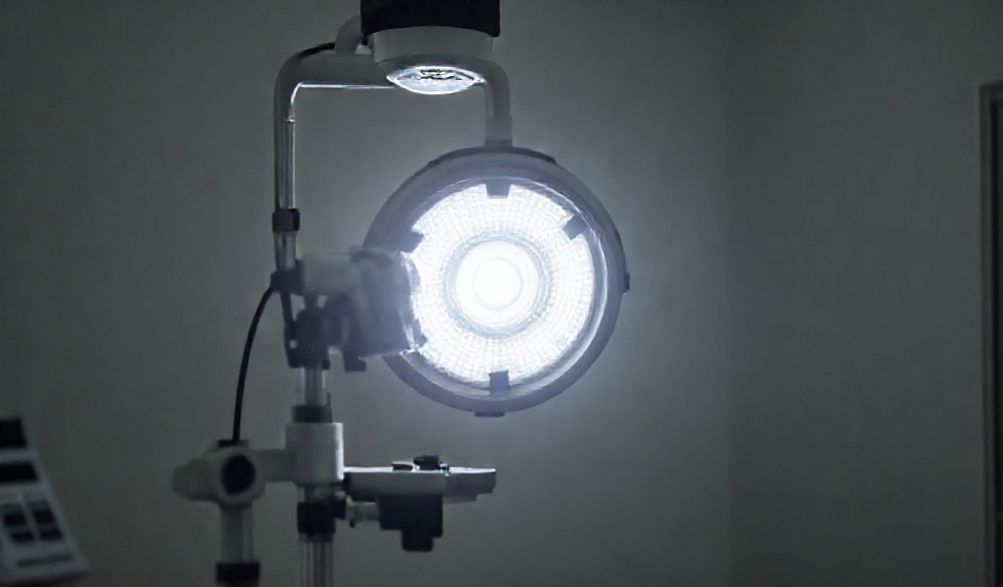
A Comprehensive Guide to Examination Lights: Illuminating Precision in Medical and Dental Care
Introduction
In the high-stakes environments of an operating room, the focused space of a dental clinic, or the critical evaluation in a medical exam room, clarity is not a luxury—it is an absolute necessity. The margin for error is often microscopic, and the ability to see fine details, differentiate subtle tissue shades, and work with precision is paramount. The unsung hero ensuring this level of visual acuity is the de examen versátil. Far more sophisticated than a simple lamp, it is a precision-engineered medical instrument designed to deliver optimal, shadow-reduced illumination, minimize practitioner eye strain, and directly enhance patient safety and outcomes.
This guide serves as your authoritative resource on examination lights. We will move beyond basic functionality to explore the core principles that make them indispensable, dissect the various types for specific applications, delve into the critical technologies that define their performance, and provide a practical framework for selection and maintenance. Understanding this essential tool is a fundamental step for any healthcare provider, facility manager, or procurement specialist committed to upholding the highest standards of clinical efficacy and patient care.
1. Understanding Examination Lights: Core Principles and Importance
At its heart, an examination light is about enabling human expertise. It bridges the gap between the practitioner’s skill and the physical reality of the procedure, transforming a potentially obscured field into one of brilliant clarity.
1.1 What is an Examination Light? Defining the Tool
An examination light is a specialized medical device engineered to project high-intensity, color-accurate, and shadow-minimized light onto a specific, localized area such as a surgical site, oral cavity, or wound. This definition immediately sets it apart from general ambient room lighting. While overhead room lights provide overall visibility, they create diffuse shadows, cause glare on reflective surfaces, and lack the intensity needed for deep-cavity or highly detailed work. An examination light, in contrast, is a focused tool. It is designed to be positioned close to the field, with optical systems that channel light efficiently and features that allow the clinician to control the beam’s size, shape, and intensity to match the task at hand.
1.2 The Critical Role in Clinical Accuracy and Safety
The link between proper lighting and clinical outcomes is direct and well-established. Inadequate or poor-quality illumination is not merely an inconvenience; it is a tangible risk factor.
- Diagnostic Accuracy: A low Color Rendering Index (CRI) can make healthy tissue appear ischemic or mask the subtle blue tinge of a vein. Shadows can hide a small lesion, a fine crack in a tooth, or the early signs of infection. Accurate diagnosis begins with accurate visualization.
- Procedural Precision: In surgery, the ability to distinguish between the fascia, a nerve, and a blood vessel is critical. In dentistry, preparing a margin for a crown requires absolute clarity. Poor lighting increases the likelihood of iatrogenic injury, incomplete excision, or improper restoration.
- Practitioner Well-being: Eye strain, headaches, and premature visual fatigue are common consequences of struggling to see under suboptimal light. This not only affects the clinician’s comfort but can also lead to decreased concentration and increased error rates over long procedures.
- Patient Safety: Beyond enabling precision, lighting directly impacts safety. Excessive heat from an outdated halogen light poses a burn risk to exposed tissue. Inadequate lighting in an emergency setting can delay critical interventions.
1.3 Key Industries and Applications
The need for precision illumination spans the healthcare spectrum:
* Medical & Surgical: This is the most demanding domain. Major overhead surgical lights dominate operating rooms for cardiothoracic, orthopedic, and neurological procedures. Minor surgical lights on stands are used in procedure rooms for dermatology, biopsies, and wound care. Examination lights are also vital in emergency departments, labor & delivery suites, and standard patient exam rooms.
* Dental: The oral cavity is a deep, shadow-prone space. Dental overhead lights with multi-jointed arms are ubiquitous, providing shadow-free illumination for restorative work, hygiene, and oral surgery. Specialized curing lights for polymerizing composites and surgical microscopes with integrated coaxial illumination are also key subtypes.
* Medicina Veterinaria: Veterinary ORs and exam rooms require the same level of illumination as their human counterparts, with lights often designed to accommodate different table heights and animal sizes.
* Aesthetics & Dermatology: Procedures like laser treatments, injectables, and skin lesion removal demand precise visualization of skin texture and vascularity, making high-CRI examination lights essential.
2. Types of Examination Lights and Their Specific Uses
Choosing the right light begins with understanding the categories available. Each type is optimized for a specific set of clinical challenges.
2.1 Overhead Surgical Lights (Major & Minor)
These are the workhorses of the operating room.
* Major Surgical Lights: Large, ceiling-mounted systems often with multiple LED heads (e.g., a central module with several satellite heads). They provide a deep, wide field of illumination with exceptional shadow control—if a surgeon’s head blocks one light source, the others fill in seamlessly. Key features include a high profundidad de campo (staying in focus even when moved closer or farther from the site), sterile handles, and camera/video integration capabilities.
* Minor Surgical Lights: More compact and mobile, these are often mounted on a floor stand or a wall boom. They are ideal for minor ORs, procedure rooms, and clinics where versatility and lower cost are important, but high-quality illumination is still required.
2.2 Dental Examination Lights
Designed for the unique challenges of the oral cavity. They typically feature a compact, lightweight head mounted on a highly maneuverable arm with several friction or gas-spring joints. The light pattern is engineered to illuminate the mouth without casting shadows from the dentist’s hands or instruments. Many modern dental lights integrate LED rings for shadow reduction, built-in cameras for documentation, and even motion sensors for hands-free operation.
2.3 Diagnostic and Procedure Lights
This broad category includes lights for general examination. They are commonly wall-mounted on a swing arm or placed on a mobile floor stand. Prioritizing flexibility and ease of use, they offer good intensity control and a wide range of motion to cover patients on an exam table or in a bed. They are the standard in family practice, pediatrics, urgent care, and hospital wards.
2.4 Headlights and Loupe Lights
For maximum mobility and precision, personal illumination systems are unmatched. A No es lo ideal. Las lámparas de cabeza quirúrgicas generales suelen estar diseñadas para campos más amplios y menos profundos. Las lámparas de cabeza específicas para ORL están diseñadas para proyectar un haz intenso y enfocado en profundidad dentro de cavidades estrechas. El uso de una luz no especializada puede resultar en una iluminación inadecuada, sombras y mayor fatiga visual. consists of a lightweight headband with a bright LED light source, often powered by a belt-mounted battery. Loupe lights are small LEDs attached directly to the frames of surgical or dental magnification loupes. These systems provide brilliant, shadow-free light that moves exactly with the clinician’s gaze, making them indispensable in fields like otolaryngology (ENT), neurosurgery, plastic surgery, and endodontics.
2.5 Specialized Lights: Endoscopy, Colposcopy, etc.
Here, the light is an integrated component of a larger diagnostic system. Endoscope light sources generate intense cold light that is transmitted via a fiberoptic cable to illuminate internal body cavities. Colposcope lights are built into the binocular microscope used for examining the cervix, providing focused, adjustable illumination. These devices highlight how illumination is tailored to the specific optical and access requirements of the procedure.
3. Key Features and Technology: What to Look For
Understanding these specifications is crucial for making an informed comparison and investment.
3.1 Light Source Technology: LED vs. Halogen
This is the most significant technological shift in recent decades.
* LED (Light Emitting Diode): The Modern Standard.
* Ventajas: Operates cool, eliminating patient burn risk and surgeon discomfort. Extremely long lifespan (50,000+ hours), translating to a decade or more of use. Highly energy-efficient. Provides instant, full-intensity light with no warm-up. Offers superior and consistent El Índice de Reproducción Cromática (IRC).
* Disadvantages: Higher initial purchase price (offset by long-term savings).
* Halogen: The Legacy Technology.
* Disadvantages: Emits significant infrared radiation (heat). Bulbs have a short lifespan (1,000-2,000 hours), requiring frequent, costly replacements. Less energy-efficient. Light output and color temperature degrade over the bulb’s life. Requires a brief warm-up period.
3.2 Color Rendering Index (CRI) and Color Temperature
- Índice de Reproducción Cromática (IRC): Measured on a scale of 0-100, CRI indicates how accurately a light source reveals the true colors of objects compared to natural sunlight. For clinical work, a CRI of 90+ is essential, and 95+ is the gold standard for surgery. A low CRI can make it impossible to distinguish between cyanosis and healthy tissue color, or between different layers of fascia.
- Temperatura de Color: Measured in Kelvins (K), this describes the “warmth” or “coolness” of the light’s appearance. “Daylight white” in the range of 4000K to 5000K is generally preferred in medical settings. It provides a neutral, alert quality of light that supports accurate color discrimination without the yellow tint of warmer light (3000K) or the harsh, bluish cast of very cool light (6000K+).
3.3 Intensity, Focus, and Shadow Management
- Intensity: Measured in lux (illuminance at the surface) or lumens (total light output). Lights should be dimmable to adjust for different procedures and clinician preference. A surgical light may deliver 40,000 to 160,000+ lux at the center of its field.
- Focus & Field Diameter: The ability to adjust from a wide, diffuse field for a large incision to a small, intense spot for deep-cavity work is key.
- Gestión de Sombras: True shadow reduction is achieved through multiple point sources (individual LEDs or reflectors) arranged so that the shadow cast by an object from one source is filled with light from the others. The design and number of these sources are central to a light’s performance.
3.4 Ergonomics and Maneuverability
A light that is difficult to position is a light that won’t be used optimally. Look for:
* Alcance y Articulación: Arms should have enough joints and length to position the light head anywhere over the patient without obstructing the clinician.
* Balance and Tension: The arm should stay firmly in place once positioned, without “drifting” or requiring excessive force to move. Gas spring or magnetic systems are common.
* Sterilizable Controls: Handles must be designed for easy cleaning and disinfection. Touchless control via foot pedals or motion sensors is a premium feature that enhances aseptic technique.
3.5 Safety and Compliance Standards
Medical devices must comply with stringent regulations. Key standards include:
* IEC 60601-1: The international standard for the basic safety and essential performance of medical electrical equipment.
* ISO 9680: Specific standard for dental operating lights.
* Certificaciones: Look for marks like CE (European Conformity) and clearance from regulatory bodies like the FDA (U.S. Food and Drug Administration).
* Gestión Térmica: Especially for lights used near patients, there are limits on the allowable surface temperature to prevent burns.
Estas son luces altamente especializadas utilizadas para diferenciar entre masas quísticas y sólidas o para visualizar venas. Emiten una luz brillante y fría que, al presionarse contra el tejido (por ejemplo, los senos paranasales o el cuero cabelludo de un bebé), hace que las estructuras llenas de líquido se iluminen.
4.1 Assessing Your Clinical Needs and Environment
Start by asking:
* Primary Use: Is this for major abdominal surgery, general dental exams, or dermatology procedures? The required CRI, intensity, and shadow control vary dramatically.
* Entorno: Is it a fixed, dedicated OR or a multi-purpose exam room? What are the ceiling height and structural limitations? Is portability needed?
* Users: Who will be using it? Consider the height and preferences of different clinicians.
4.2 Setting a Realistic Budget: Initial Cost vs. Total Cost of Ownership
The sticker price is only part of the story. For a halogen light, factor in the cost and labor of replacing bulbs 2-4 times per year. For LEDs, the upfront cost is higher, but the Costo Total de Propiedad (CTP) is typically lower due to negligible energy costs, no bulb replacements, and minimal downtime over a 10+ year lifespan.
4.3 Evaluating Key Specifications Against Your Needs
Create a checklist based on your needs assessment:
* Insista en un ≥95 for surgery, ≥90 for general exam.
* Temperatura de Color: ~4500K (adjustable is a bonus).
* Intensity: Ensure it meets the lux requirements for your deepest/hardest-to-illuminate procedures.
* Diámetro del Campo: ¿Ofrece un rango adecuado (por ejemplo, 10 cm – 25 cm)?
* Alcance y Articulación: ¿Puede cubrir toda su área de trabajo?
* Esterilización: ¿Los mangos y controles cumplen con los protocolos de control de infecciones de su instalación?
4.4 Consideración de la Integración y la Adaptabilidad Futura
Piense en la compatibilidad. ¿El soporte de la luz se adapta a su riel de techo o columna existente? ¿Puede integrarse con un sistema de grabación de video para enseñanza o documentación? Elegir un sistema de un fabricante con una buena trayectoria de actualización puede proteger su inversión.
5. Mejores Prácticas para la Operación, el Mantenimiento y la Esterilización
El cuidado adecuado garantiza el rendimiento, la seguridad y la longevidad.
5.1 Uso Diario y Posicionamiento para una Iluminación Óptima
Posicione la luz en un ángulo de 30-45 grados respecto a la línea de visión del clínico. Esto minimiza el deslumbramiento reflejado en sus ojos desde superficies húmedas o instrumentos. Centre la luz en el campo y ajuste el enfoque para cubrir toda el área de interés sin que se derrame sobre el rostro del paciente.
5.2 Protocolos de Limpieza y Desinfección de Rutina
- Mangos y Brazos: Estas son superficies de alto contacto. Límpielas y desinféctelas después de cada procedimiento o contacto con el paciente utilizando un desinfectante de grado hospitalario aprobado por el fabricante. Evite limpiadores abrasivos o humedad excesiva cerca de las articulaciones y componentes eléctricos.
- Cabezal de Luz/Difusor de Vidrio: Limpie suavemente con un paño suave y sin pelusa humedecido con un detergente suave o desinfectante aprobado. Nunca rocíe líquido directamente sobre el cabezal de luz. Los productos químicos agresivos pueden dañar los revestimientos antirreflectantes o decolorar los componentes de plástico.
5.3 Inspección Periódica y Mantenimiento Preventivo
Programe un mantenimiento formal al menos anualmente, anualmente, o según el cronograma del fabricante. Esto debe incluir:
* Verificar y ajustar la tensión y el equilibrio de los brazos.
* Inspeccionar todos los cables, carcasas y articulaciones por desgaste o daño.
* Verificar la intensidad de la salida de luz y la temperatura de color con un medidor (si está disponible).
* Probar todos los controles y características de seguridad.
5.4 Solución de Problemas Comunes
- Parpadeo o Sin Energía: Verifique las conexiones de energía, fusibles y balastos/controladores internos. Esto a menudo requiere un técnico de servicio.
- Brazo Rígido o que se Desvía: Brazos Flojos o que Caen:.
- Generalmente requiere el ajuste del mecanismo de resorte de gas o del freno de fricción (consulte el manual o a un técnico). Brillo Reducido: Para LED, esto podría indicar envejecimiento/atenuación tras un tiempo extremo, pero más comúnmente es un. difusor de luz sucio.
- Sobrecalentamiento: . Límpielo a fondo. Para halógenas, simplemente reemplace la bombilla.
Calentamiento Excesivo:
Asegúrese de que las rejillas de ventilación no estén bloqueadas. Para luces halógenas, esto es normal; para LED, indica una posible falla y debe ser revisado.
R: Preguntas Frecuentes: Preguntas Comunes sobre Lámparas de Examen.
P2: ¿Qué significa realmente “reducción de sombras” en una luz quirúrgica?
R: La verdadera reducción de sombras se logra utilizando múltiples fuentes de luz (puntos LED) desde ángulos ligeramente diferentes. Cuando la mano o el instrumento de un cirujano bloquea un punto, los otros rellenan la sombra, garantizando que el campo quirúrgico permanezca iluminado de manera constante y uniforme.
P3: ¿Con qué frecuencia debo limpiar y dar mantenimiento a mi luz de examen?
R: Limpieza: Las superficies de alto contacto (manijas, brazos) deben desinfectarse después de cada paciente/procedimiento siguiendo el protocolo del centro. El exterior del cabezal de la luz debe limpiarse diariamente con un paño suave y húmedo y un desinfectante aprobado. Mantenimiento: Una inspección formal y una verificación de mantenimiento preventivo por parte de personal calificado deben realizarse al menos una vez al año, o según lo recomendado por el fabricante.
P4: ¿Puedo usar una bombilla LED “luz diurna” estándar en un dispositivo de iluminación médica?
R: No, no es recomendable y puede ser inseguro. Las luces de examen médicoson dispositivos regulados. Sus módulos LED patentados están diseñados para una gestión específica del calor, seguridad eléctrica (aislamiento del contacto con el paciente), precisión óptica y un Índice de Reproducción Cromática (IRC) consistente. Usar una bombilla no grado médico puede comprometer el rendimiento, la seguridad y el cumplimiento normativo.
P5: ¿Qué es un buen Índice de Reproducción Cromática (IRC) para una luz quirúrgica?
R: Para examen general, se recomienda un IRC de 90+. Para aplicaciones quirúrgicas críticas donde diferenciar entre tonos sutiles de tejido es vital (ej., cirugía de órganos), un IRC de 95 o superior se considera el estándar óptimo para garantizar la representación de color más fiel.
Conclusión
La selección y el uso adecuado de una de examen versátil luz de examen es una decisión crítica que repercute en todos los aspectos de la atención clínica. Es una inversión que reporta dividendos en confianza diagnóstica, precisión procedimental, resistencia del profesional y, en última instancia, seguridad del paciente. Al dejar de verla como un simple “equipo” y entenderla como una tecnología facilitadora central—priorizando sistemas LED modernos, exigiendo un IRC alto y una gestión efectiva de sombras, y comprometiéndose con un mantenimiento riguroso—los proveedores de salud se empoderan a sí mismos y a sus equipos. En medicina y odontología, el objetivo no es solo ver, sino percibir con absoluta claridad. La luz de examen correcta es la herramienta fundamental que hace esto posible, asegurando que cada procedimiento se realice bajo la mejor iluminación posible, salvaguardando el bienestar tanto del paciente como del profesional.
p>