
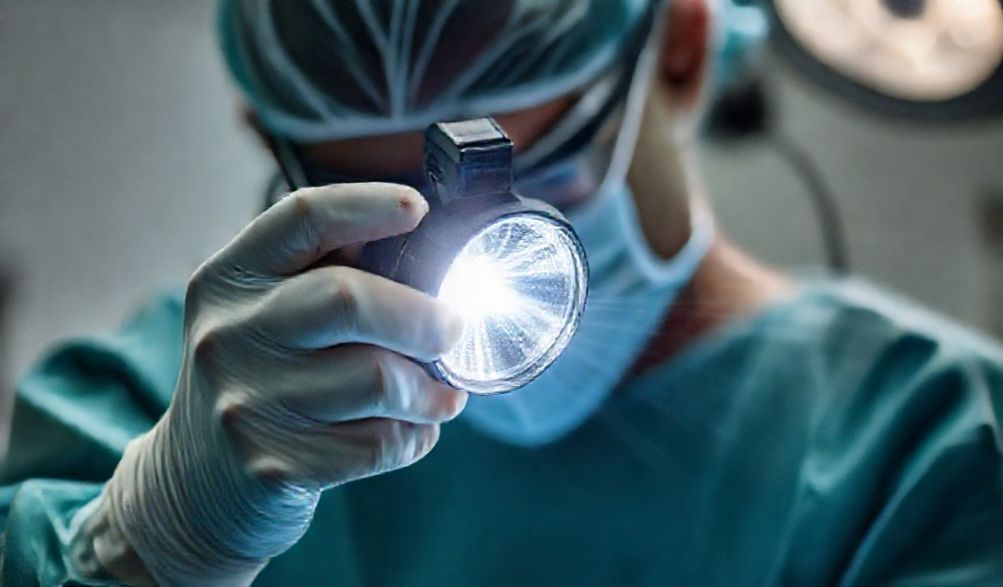
Headlamp Surgery: A Comprehensive Guide to This Minimally Invasive Procedure
Introduction
For years, you’ve navigated the frustrating world of chronic symptoms. Perhaps it’s the relentless pressure of sinus infections that antibiotics never fully resolve. Maybe it’s a pinching nerve pain in your neck that radiates down your arm, making daily tasks a challenge. You’ve tried medications, physical therapy, and lifestyle changes—the so-calLED “conservative treatments”—but relief remains elusive. Your specialist has now mentioned surgery, and in your research or consultation, you’ve come across an intriguing term: Una lámpara frontal surgery.
The name might conjure images of a miner or a camper, but in the world of modern medicine, it represents a significant leap in surgical precision and patient care. Simply put, “headlamp surgery” is a patient-friendly term for a range of minimally invasive procedures where the surgeon utilizes a high-intensity, hands-free headlamp for optimal illumination. This is often paired with magnifying loupes or integrated with endoscopic and microscopic systems to give the surgeon an unparalleled view of the surgical site.
This guide is designed to demystify this technique. Compiled from established surgical principles and patient care guidelines, our goal is to provide authoritative, clear, and trustworthy information. We’ll explore what headlamp surgery truly entails, the common conditions it helps treat, its notable benefits, and what you, as a patient, can expect throughout the entire process. By the end, you’ll be equipped with the knowledge to have a more informed and confident discussion with your healthcare provider.
What is Headlamp Surgery? Understanding the Technique
At its core, headlamp surgery is about one thing: visualization. The ability to see fine anatomical details clearly, with accurate color and depth perception, is the foundation of safe and effective surgery. The headlamp is a critical tool that makes this possible in a wide array of procedures.
Beyond the Name: The Surgeon’s Toolkit
Calling it “headlamp surgery” is a bit like calling a master carpenter’s work “hammer building.” The headlamp is a vital component, but it’s part of a sophisticated system:
- The Headlamp: Modern surgical headlamps are lightweight, fiber-optic or LED devices mounted on a comfortable headband. They project a powerful, cool, and shadow-reduced beam of light directly where the surgeon is looking, eliminating the obstructions and glare that can come from overhead operating lights.
- Surgical Loupes: These are magnifying glasses worn by the surgeon. They come in various magnification powers (e.g., 2.5x to 5.5x) and, when combined with the headlamp’s focused light, transform the surgical field. Fine structures like tiny nerves, blood vessels, and sinus membranes become dramatically clearer.
- Micro-instruments: To match the enhanced view, surgeons use specialized, delicate instruments designed for working in small, precise spaces.
It’s important to contrast this with other common techniques. In purely endoscopic surgery (like a knee arthroscopy or some sinus surgeries), the light source and camera are at the tip of a thin tube inserted into the body. In microscopic surgery (common in neurosurgery and ophthalmology), the surgeon looks through a binocular microscope, with the light integrated into the scope itself. Headlamp-assisted surgery often complements these tools or serves as the primary visualization method for procedures where a direct, magnified view is optimal.
Core Principles of the Procedure
The philosophy behind using a headlamp and loupes aligns perfectly with the goals of modern surgery:
- Enhanced Direct Visualization: The surgeon maintains a natural, direct line of sight to their hands and the anatomy. The headlamp provides brilliant, white light that improves tissue differentiation and reduces eye strain.
- Maximized Precision in Tight Spaces: In areas like the nasal cavity, the cervical spine, or the face, space is limited. This system allows for extreme precision, helping the surgeon preserve healthy tissue while accurately removing diseased tissue.
- Minimizing Tissue Disruption: With better sight comes more confident, conservative action. Surgeons can often make smaller incisions and navigate anatomical planes more gently, adhering to the “minimal access” philosophy that prioritizes less collateral damage to the body.
Common Medical Applications of Headlamp-Assisted Surgery
This technique isn’t confined to one specialty. Its benefits are harnessed wherever fine detail and precision are paramount.
Otolaryngology (ENT): Sinus and Nasal Procedures
This is one of the most common arenas for headlamp use. In procedures like Functional Endoscopic Sinus Surgery (FESS) for chronic sinusitis or septoplasty to correct a deviated septum, the surgeon often uses a combination of tools. An endoscope provides a deep, internal view on a monitor, while the headlamp and loupes offer a brilliant, wide-field view of the external nasal anatomy and the entry points. This dual visualization is crucial for safety and completeness, ensuring delicate structures like the eye and brain are protected while diseased sinus cells are thoroughly addressed.
Neurosurgery and Spinal Procedures
In surgeries on the cervical (neck) spine—such as an anterior cervical discectomy and fusion (ACDF) o una laminectomy—the margin for error is virtually zero. Vital nerves and the spinal cord are in immediate proximity. A headlamp provides intense, focused illumination directly into the deep, narrow surgical corridor created in the neck. This allows the neurosurgeon to distinguish between disc material, ligament, and nerve root with exceptional clarity, facilitating a safer removal of herniated discs or bone spurs that are causing pain and weakness.
Plastic & Reconstructive Surgery
Precision is the currency of plastic surgery. Whether performing delicate facial procedures (like eyelid surgery or intricate scar revision), Mohs micrographic surgery for skin cancer (where preserving every bit of healthy tissue is critical), or complex wound repair, the headlamp and loupes are indispensable. They enable the surgeon to see the most subtle contours, align skin edges perfectly, and work with tiny sutures, all of which contribute to better functional and cosmetic outcomes.
Benefits and Potential Considerations
Understanding the pros and cons of any medical technique is key to setting realistic expectations.
Advantages for the Surgeon and Patient
- Enhanced Visualization: This is the primary benefit. The quality of light is superior to overhead lights, reducing shadows and improving contrast within the wound.
- Improved Precision & Safety: With magnified, well-lit anatomy, a surgeon can operate with greater accuracy. This can lead to more complete removal of problematic tissue (like a tumor or infected sinus cells) while better preserving critical surrounding structures, directly enhancing patient safety.
- Surgeon Ergonomics: A comfortable, well-seeing surgeon is a more effective surgeon. The hands-free, consistent light source reduces physical strain and fatigue over long procedures, helping maintain a high level of performance.
- Improved Patient Outcomes: Collectively, these advantages typically translate into tangible benefits for the patient: smaller incisions, less intraoperative blood loss, reduced postoperative pain and swelling, lower risk of infection, and often a faster return to normal activities.
Important Considerations and Limitations
It is crucial to frame these benefits correctly:
- A Technique, Not a Cure: “Headlamp surgery” is a method, not a specific operation. Its success is entirely dependent on the skill and experience of the surgeon using it and the nature of the condition being treated. It is a tool for executing a surgical plan effectively.
- Not Always the Primary Tool: For procedures deep inside the brain, the middle ear, or the abdomen, an endoscope or microscope will be the principal visualization device. The headlamp may still be used as an adjunct for parts of the procedure or for the initial approach.
- Universal Surgical Risks Apply: No matter how advanced the tools, surgery carries inherent risks such as reaction to anesthesia, bleeding, infection, and complications related to the specific organ being operated on. The use of a headlamp does not eliminate these risks; it is a method to help mitigate them through improved visualization.
The Patient Experience: From Consultation to Recovery
The Pre-Operative Consultation: What to Ask Your Surgeon
Your consultation is the time to become an active participant in your care. Don’t hesitate to ask specific questions about the techniques your surgeon plans to use:
- “For a procedure like mine, do you typically use surgical loupes and a headlamp for visualization?”
- “What is your experience and training with this minimally invasive approach?”
- “How does using this technique compare, in your experience, to other methods for my specific condition in terms of outcomes and recovery?”
- “Will you be using any other visualization technology (endoscope, microscope) in conjunction with it?”
These questions show you’re informed and help you gauge your surgeon’s approach to precision and modern technique.
What to Expect During and After Surgery
The surgical experience will be tailored to your specific procedure. Generally, you can expect:
* Anesthesia: Most of these surgeries are performed under general anesthesia, though some minor procedures may use local anesthesia with sedation.
* The Procedure: After preparation, your surgeon will make a carefully planned incision. Using the headlamp and loupes (and potentially other tools), they will perform the necessary repairs, removals, or reconstructions.
* Recovery Room: You’ll wake up in a recovery area where staff will monitor your vital signs as the anesthesia wears off.
Recovery and Aftercare Guidelines
While recovery is often faster with minimally invasive techniques, it still requires care and patience. General guidelines include:
- Cuidado de Heridas: Keeping incisions clean and dry as instructed. Watching for signs of infection (increased redness, swelling, warmth, or foul-smelling drainage).
- Activity Restrictions: Avoiding heavy lifting, strenuous exercise, and specific movements (like bending or twisting for spine surgery) for the period specified by your surgeon.
- Pain Management: Using prescribed or recommended pain relievers as needed.
- Follow-up: Attending all scheduled post-operative appointments.
A Critical E-E-A-T Note: The information above consists of general guidelines. Your surgeon’s specific, personalized post-operative instructions—based on their pericia, your unique anatomy, and the exact procedure performed—are the absolute authority on your recovery. Follow them meticulously. This guide is for educational empowerment, not a substitute for professional medical advice.
Frequently Asked Questions (FAQ) About Headlamp Surgery
Q: Is “headlamp surgery” a new or experimental technique?
R: Not at all. It is a well-established, standard surgical technique that has been refined over decades. The use of head-mounted lights and magnification represents the evolution and professionalization of traditional surgical principles, not an experiment.
Q: Does using a headlamp mean my surgery is less advanced?
R: Absolutely not. In fact, it’s often the opposite. It signifies a surgeon who is utilizing appropriate, precision-enhancing technology. It is a hallmark of a modern, minimally invasive approach focused on optimal outcomes.
Q: How do I find a surgeon skilled in these techniques?
R: Seek a board-certified surgeon in the relevant specialty (ENT, Neurosurgery, Plastic Surgery, etc.). During your consultation, ask directly about the tools and techniques they use. Surgeons who prioritize precision and outcomes routinely invest in and train with equipment like high-quality loupes and headlamps.
Q: Are the results permanent?
R: The longevity of results depends on the condition being treated. The goal of headlamp-assisted surgery is to achieve the most definitive and precise correction possible (e.g., removing a herniated disc, opening blocked sinuses). However, factors like the natural progression of underlying disease (e.g., arthritis) or lifestyle choices can influence long-term success.
Q: Will I have a bigger scar?
R: Typically, the technique facilitates the opposite. The enhanced visualization allows surgeons to make smaller, more precise incisions, which generally lead to less noticeable scarring and better cosmetic results.
Conclusión
Headlamp surgery, far from being a gimmick, is a vital and refined technique within the broader spectrum of minimally invasive surgery. By providing surgeons with superior, hands-free illumination and magnification, it enhances precision, safety, and patient outcomes across diverse specialties—from clearing congested sinuses to decompressing pinched nerves in the spine.
The core message, grounded in Experiencia, Experticia, Autoridad y Confiabilidad (E-E-A-T), is this: The choice of surgical technique is a decision made by a qualified surgeon based on their deep pericia y las authoritative clinical guidelines for your specific condition. This information aims to build autoridad and empower you as a patient.
Use this knowledge as a foundation for proactive, informed discussions with your specialist. The final and most important step is a thorough consultation with a board-certified surgeon who can evaluate your individual case and, together with you, determine the right treatment plan for your path to wellness.
p>