
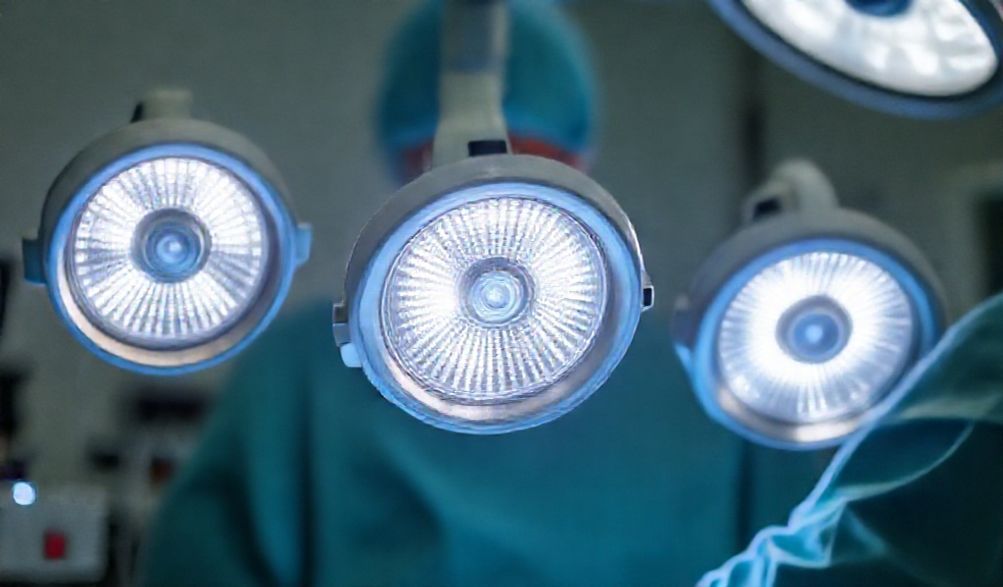
Illuminating Precision: A Comprehensive Guide to Surgical Headlights for Medical Professionals
In the high-stakes theater of modern surgery, where millimeters matter and anatomical clarity is paramount, one tool consistently stands as a silent partner to a surgeon’s skill: the No es lo ideal. Las lámparas de cabeza quirúrgicas generales suelen estar diseñadas para campos más amplios y menos profundos. Las lámparas de cabeza específicas para ORL están diseñadas para proyectar un haz intenso y enfocado en profundidad dentro de cavidades estrechas. El uso de una luz no especializada puede resultar en una iluminación inadecuada, sombras y mayor fatiga visual.. Far more than a simple lamp, a high-performance surgical headlight system is a critical instrument of precision, transforming a surgeon’s vision and directly impacting procedural outcomes. For surgeons navigating deep cavities, performing microsurgical anastomoses, or working in the shadowed recesses of the body, optimal illumination is non-negotiable.
This comprehensive guide is crafted for surgeons, surgical residents, and hospital procurement specialists seeking authoritative, evidence-based information. We will move beyond marketing claims to distill the essential technical specifications, clinical applications, and practical considerations involved in selecting and utilizing this foundational equipment. By understanding the principles of surgical illumination, you can make informed decisions that enhance surgical team performance, improve ergonomics, and, most importantly, support optimal patient outcomes.
The Critical Role of Illumination in Modern Surgery
Beyond Basic Visibility: Enabling Precision and Depth Perception
The primary function of the operating room’s overhead light is to provide general ambient lighting. However, in the intricate landscape of a surgical site—especially in deep, narrow, or highly vascular fields—this ambient light is insufficient. It creates shadows cast by the surgeon’s head and hands, obscuring critical details. A surgical headlight solves this by providing coaxial illumination: light that travels along the surgeon’s line of sight, directly into the wound.
This focused, shadow-free light does more than just brighten the field. It dramatically reduces eye strain and mental fatigue, as the surgeon’s pupils are not constantly adjusting between bright and dark areas. More importantly, it enhances stereoscopic depth perception. By illuminating textures, contours, and tissue planes evenly, a headlight allows the surgeon to visually “feel” the anatomy, distinguishing between a nerve, a vessel, and a fascial layer with greater accuracy. This visual clarity is the bedrock upon which delicate maneuvers—such as suturing a 1mm vessel or dissecting near the spinal cord—are performed with confidence.
Impact on Surgical Outcomes and Procedural Efficiency
The correlation between proper illumination and surgical performance is supported by both ergonomic science and clinical experience. Inadequate lighting forces surgeons into suboptimal postures as they crane to catch the light, contributing to neck and back strain. A well-adjusted headlight promotes a neutral spine position.
From an outcomes perspective, superior illumination can reduce technical error rates. A study in microsurgery literature consistently highlights visualization as a key limiting factor in procedural success. By providing consistent, high-fidelity color and eliminating shadows, a quality headlight minimizes the risk of misidentifying structures. Furthermore, the efficiency gains are tangible. Less time spent repositioning overhead lights or struggling to see translates into reduced operative time. In an era focused on OR efficiency and patient safety, investing in the visual tools that empower precision is not an extravagance—it is a necessity.
Types of Surgical Headlight Systems: A Technical Breakdown
LED vs. Halogen/Xenon: Brightness, Color Temperature, and Longevity
The heart of any headlight system is its light source. The industry has decisively shifted from older technologies to Light Emitting Diodes (LEDs), and for compelling reasons:
- Sistemas LED: Modern LED surgical headlights represent the gold standard. They offer exceptional brightness (often exceeding 100,000 lux) with minimal heat emission. Their color ajustable (measured in Kelvin) is typically adjustable or optimized to a cool, daylight-like spectrum (~4500-6000K), which enhances contrast and reduces eye fatigue. The most significant advantage is longevity; LED modules can last for 10,000-50,000 hours, effectively making them a “lifetime” component with no bulb replacements. They also provide a high El Índice de Reproducción Cromática (IRC).
- Halogen/Xenon Systems: Once prevalent, these systems generate light by heating a filament or exciting a gas. They can produce very bright, warm light but do so inefficiently, converting most energy into waste heat that can discomfort the surgeon. Their lifespan is short (typically 50-1000 hours), requiring frequent and costly bulb changes. The light spectrum is often yellower, which can alter tissue color perception.
Cable-Free vs. Fiber-Optic Systems: Evaluating Mobility and Light Quality
The method of delivering light from the source to the headset defines two main system architectures:
- Cable-Free (Battery-Powered) Systems: These integrate a lightweight battery pack (often lithium-ion) directly into the headband or as a belt-worn module. The primary advantage is libertad de movimiento total. Surgeons can turn, step back, or reposition without being tethered to a wall box. Modern LED technology makes this possible without sacrificing brightness. Considerations include monitoring battery life and the added, albeit minimal, weight of the power source.
- Fiber-Optic Systems: These utilize a powerful “light box” connected via a flexible fiber-optic cable. They traditionally offered the highest possible light intensity and are known for their pure, high-quality light transmission. However, the cable can restrict movement, may snag, and requires careful handling to avoid damaging the fragile fiber bundle inside. The light box itself is a fixed piece of equipment in the OR.
Comfort and Ergonomics: Headband Designs and Weight Considerations
A headlight that causes discomfort will not be used effectively. Ergonomics are paramount, especially for procedures lasting several hours.
* Diseño de la banda para la cabeza: Look for fully adjustable, padded headbands that distribute weight evenly across the crown and occiput. A counterbalance system at the back is crucial for stability, preventing the unit from tipping forward. The light source itself should be as lightweight as possible.
* Weight Considerations: The total weight of the headset (light source, optics, and battery if integrated) should ideally be under 200 grams. Every gram matters over a long case. A well-designed system feels secure yet almost unnoticeable, allowing the surgeon to focus entirely on the procedure.
Key Specifications for Surgeons to Evaluate
Understanding Lux, Spot Size, and Depth of Field
Cutting through technical jargon, here’s what surgeons need to know:
* Lux: A measure of illuminance—how much light falls on a surface. For surgery, 20,000 to 150,000+ lux at a typical working distance is common. Higher lux isn’t always better; it must be balanced with comfort and the prevention of tissue drying from excessive heat/light.
* Spot Size & Depth of Field: The headlight projects a circle of light. A adjustable spot size is vital. A small, focused spot is needed for microsurgery; a larger, diffuse spot is better for open abdominal cases. Depth of field refers to how much of the illuminated area remains in sharp focus along the axis of view. A greater depth of field keeps both superficial and deep structures in clear view without constant refocusing.
Color Rendering Index (CRI): Why True Tissue Color Matters
CRI is a scale (0-100) that measures a light source’s ability to reveal the true colors of objects compared to natural daylight. In surgery, a high CRI (90+ is excellent) is critical. It allows for accurate discrimination between arterial and venous blood, identification of bile, recognition of ischemic or necrotic tissue, and precise differentiation of subtle tissue planes. A light with poor CRI can make tissues look unnaturally yellow or blue, masking important pathological clues.
Battery Life and Reliability: Ensuring Uninterrupted Procedure Flow
For cable-free systems, battery performance is a key operational factor.
* Consulte la clasificación del fabricante para la autonomía a máxima potencia. Un rango de High-performance systems should offer a minimum of 3-4 hours of runtime at high power, sufficient for most major cases. Some offer eco-modes for longer life.
* Battery Indicators: Clear, visible charge-level indicators (on the battery pack or via a wireless display) are essential for planning.
* Backup Protocol: Always have a fully charged spare battery readily available in the OR. A system with hot-swappable batteries (where the battery can be changed without turning off the light) represents the pinnacle of reliability for marathon procedures.
Clinical Applications Across Specialties
Demanding Fields: Microsurgery, Neurosurgery, and Otolaryngology
These specialties represent the most demanding use cases, where headlights are not just helpful but mandatory.
* Microsurgery (Hand, Plastics, Ophthalmology): Requires extremely high lux (100,000+) in a tiny, focused spot to illuminate sub-millimeter structures like lymphatic vessels or digital nerves. Integration with surgical loupes is common.
* Neurocirugía: Deep, narrow corridors (e.g., transsphenoidal approaches) and the need to distinguish between white/gray matter and delicate vasculature demand a cool, shadow-free light with excellent depth of field.
* Otolaryngology (ENT): Procedures in the nasal cavity, sinuses, or pharynx are performed through narrow speculums or endoscopes. Headlights provide the essential primary or supplemental illumination for these confined spaces.
Essential for General, Plastic, and Orthopedic Surgery
- General & GI Surgery: In deep abdominal or pelvic surgery (e.g., proctectomy, hepatic resection), headlights illuminate the recesses that overhead lights cannot reach, improving safety during dissection and anastomosis.
- Cirugía Plástica y Reconstructiva: Beyond microsurgery, headlights are invaluable for facial procedures, breast reconstruction, and complex wound closures, where accurate assessment of tissue viability and precise suturing are key.
- Orthopedic Surgery: In spinal procedures, joint arthroplasty, or trauma cases with deep wounds, a headlight provides direct visualization of bone surfaces, screw holes, and the neurovascular structures that must be protected.
Use in Dental/Oral Surgery and Veterinary Medicine
The principles of surgical illumination extend beyond human operating rooms.
* Cirugía Dental/Oral: Surgical headlights are standard for dental implantology, wisdom tooth extraction, and oral pathology procedures, providing brilliant, targeted light in the dark oral cavity.
* Medicina Veterinaria: As veterinary surgery advances in complexity (e.g., spinal surgery in dogs, oncologic procedures), the need for professional-grade, portable illumination has made surgical headlights indispensable in progressive veterinary practices.
Implementing and Maintaining Your Surgical Headlight System
Sterilization and Infection Control Protocols
Surgical headlights are semi-critical devices (contact with mucous membranes or non-intact skin). Adherence to manufacturer instructions and institutional policy is law.
* Disassembly: The light source module (often the most expensive part) is typically not submersible. It must be detached from the headband and cable.
* Cleaning & Disinfection: The headband, cushioning, and any cables should be thoroughly cleaned with a hospital-grade disinfectant wipe. Some components may be autoclavable (check the manual).
* Protección con Barrera: Using a disposable, transparent sterile headlight cover is the most efficient and reliable method for maintaining a sterile field, protecting the equipment from contamination.
Routine Maintenance, Calibration, and Safety Checks
- Daily/Pre-Use Check: Inspect the headband for integrity, check the brightness settings, and verify battery charge.
- Regular Maintenance: Gently clean optical lenses with a soft, lint-free cloth. Check fiber-optic cables for dark spots or breaks (which indicate damaged fibers). Ensure all connections are secure.
- Calibration: Periodically, the alignment of the light beam with the surgeon’s line of sight (coaxial alignment) should be verified and adjusted if necessary, following the manufacturer’s guide.
Training for Surgical Teams: Maximizing Utility and Safety
A headlight is only as good as the user. Implement formal training:
* For Surgeons: Training on proper donning/doffing, achieving perfect coaxial alignment, adjusting spot size and brightness, and battery management.
* For Surgical Assistants & Nurses: Training on how to handle, connect, and position the system without damaging it.
* For Sterile Processing Staff: Comprehensive training on the correct cleaning, disinfection, and sterilization procedures for each unique component to avoid costly damage.
Preguntas Frecuentes (FAQ)
What is the typical lifespan of a high-quality LED surgical headlight system?
The LED light engine itself can last 10,000 to 50,000 hours—essentially decades of clinical use. The system’s lifespan is more often determined by the durability of the headband, batteries, and cables. With proper care, a high-quality system can function reliably for 5-10 years or more.
How do I properly adjust the headlight for optimal coaxial illumination?
1. Don the headband and secure it comfortably.
2. Hold a pen or instrument tip at your typical working distance (e.g., 14 inches).
3. Close one eye and align the tip with a distant target.
4. Sin mover la cabeza, ajuste el módulo de luz hasta que el punto brillante de luz se centre directamente en la punta del lápiz.
5. Verifique con ambos ojos abiertos; la luz debe parecer que emana de su frente, iluminando exactamente donde está mirando.
¿Existen estándares de seguridad específicos (por ejemplo, ISO, IEC) para los frontales quirúrgicos?
Sí. Los fabricantes acreditados diseñan sus dispositivos para cumplir con estándares internacionales de dispositivos médicos, como la IEC 60601-1 (seguridad general) y la IEC 60601-2-41 (requisitos particulares para luminarias quirúrgicas). Busque el marcado CE (Europa) o la autorización de la FDA (EE. UU.) como indicadores de conformidad normativa.
¿Se pueden integrar las lupas quirúrgicas con un sistema de frontal?
Absolutamente. Muchos sistemas ofrecen soportes integrados para lupas o están diseñados para ser compatibles con monturas de lupas populares. La combinación ideal coloca la fuente de luz justo por encima o entre los lentes de las lupas, asegurando que el campo iluminado coincida con el campo de visión magnificado. Este enfoque integrado es el estándar ergonómico para la microcirugía y otras especialidades de precisión.
¿Cuáles son los errores más comunes al usar por primera vez un frontal quirúrgico?
1. Alineación Coaxial Incorrecta: El error más frecuente, que provoca sombras y fatiga visual.
2. Brillo Excesivo: Usar la potencia máxima innecesariamente, lo que puede causar deslumbramiento, pérdida de detalle y potencialmente secar los tejidos.
3. Ignorar la Gestión de la Batería: Comenzar un caso con una batería parcialmente cargada y arriesgarse a una falla durante el procedimiento.
4. Ajuste Inadecuado de la Banda Cefálica: Una banda cefálica suelta o desequilibrada que requiere reajustes constantes.
Conclusión
Seleccionar el frontal quirúrgico apropiado es una decisión que influye directamente en la claridad del procedimiento, la ergonomía del cirujano y, en última instancia, en la atención al paciente. Es una inversión en una extensión fundamental de los sentidos del cirujano. Al priorizar especificaciones basadas en evidencia, como la tecnología LED con alto IRC, el diseño ergonómico para la comodidad durante casos largos y una operación confiable sin cables, usted o su institución se equipan con una herramienta que mejora activamente la precisión y la seguridad.
Esta guía, basada en los principios establecidos de la tecnología quirúrgica y las mejores prácticas clínicas, sirve como un recurso fundamental para navegar esta elección esencial. Recomendamos usar este conocimiento como marco para consultar directamente con especialistas acreditados en dispositivos médicos y, crucialmente, para realizar evaluaciones prácticas. El frontal correcto debe sentirse como una extensión natural de su enfoque, iluminando de manera confiable el camino hacia la excelencia quirúrgica en los años venideros.
p>