
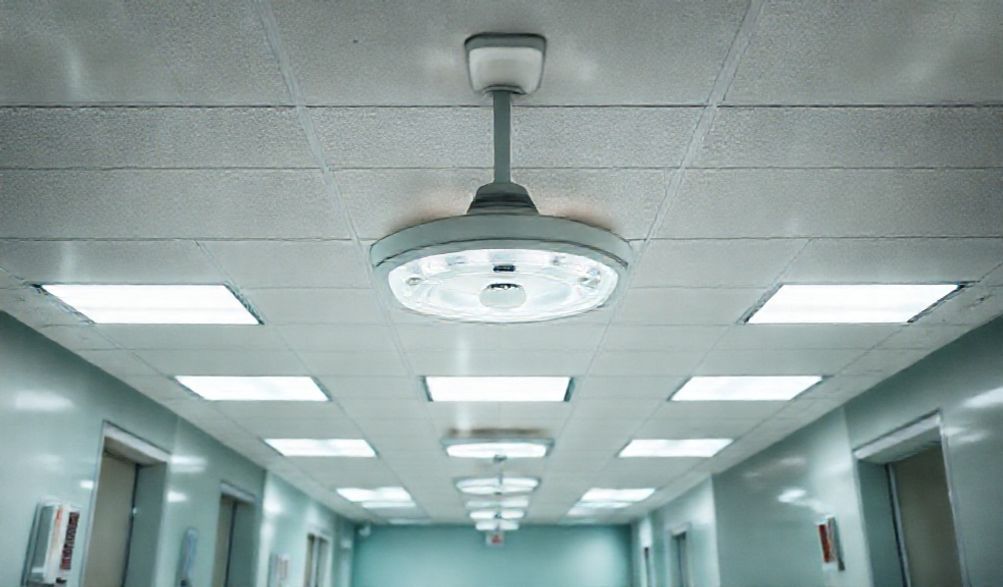
The Complete Guide to Hospital Lighting Fixtures: Enhancing Care, Safety, and Healing
Introduction
When we consider the tools that drive positive healthcare outcomes, our minds typically turn to advanced pharmaceuticals, cutting-edge surgical robots, or sophisticated diagnostic imaging. Rarely do we think of the humble light fixture. Yet, what if one of the most powerful, pervasive, and underappreciated tools in a hospital isn’t a drug or a scalpel, but light itself? The illumination within a healthcare facility does far more than simply allow us to see; it is an active, environmental intervention that profoundly influences biological, psychological, and operational realities.
This comprehensive guide moves beyond the concept of basic illumination to explore hospital lighting fixtures as critical medical infrastructure. We will examine their vital, multifaceted impact on patient recovery rates, clinical staff performance and well-being, infection control protocols, and overall facility management. Our goal is to provide authoritative, experience-based information to help hospital administrators, architects, interior designers, and facility managers make informed, strategic decisions that align with the core mission of healing.
A Note on Expertise & Trust: The insights within this guide are synthesized from established industry standards, evidence-based design research, and real-world best practices in modern healthcare environments. We reference foundational guidelines from organizations like the Illuminating Engineering Society (IES), la WELL Building Standard, and the Facility Guidelines Institute (FGI). This post is framed as an educational resource for professionals, utilizing precise terminology while prioritizing clarity. Our objective is to inform and empower, not to promote any specific brand, with safety, compliance, and patient-centered care as the unwavering priorities.
Why Hospital Lighting is More Than Just Illumination
In a hospital, light is a therapeutic agent, a diagnostic tool, a safety system, and a hygiene component all in one. Understanding these roles is the first step in specifying the right fixtures.
Impact on Patient Healing and Circadian Rhythms
The human body is governed by circadian rhythms—24-hour biological cycles regulated by an internal “master clock” in the brain. The primary cue that synchronizes this clock is light, specifically the intensity and color temperature (blue content) of light entering our eyes.
- The Science: Exposure to bright, cool-white light (with higher blue wavelengths) during the day suppresses melatonin, promoting alertness and stable mood. Conversely, warm, dim light in the evening allows melatonin to rise, facilitating restful sleep.
- The Hospital Challenge: Traditional, static hospital lighting often works against this biology. Patients confined to beds may experience constant, flat illumination or darkness interrupted by clinical checks, leading to circadian disruption. This is linked to increased rates of delirium, poorer sleep quality, longer hospital stays, and slower recovery.
- The Fixture Solution: Tunable white lighting systems are designed to mimic the natural daylight cycle. Using LED technology, these fixtures can automatically adjust their correlated color temperature (CCT) and intensity throughout the day—from energizing 5000K light in the morning to a calming 2700K at night. This “circadian entrainment” is a non-pharmacological intervention proven to reduce agitation, improve sleep patterns, and contribute to better overall patient outcomes.
Supporting Clinical Accuracy and Staff Well-being
Lighting is a critical partner to clinical staff, directly affecting diagnostic accuracy, procedural precision, and their own long-term health.
- Color Rendering for Diagnosis: In examination rooms, emergency departments, and nurses’ stations, accurate color perception is paramount. A rash, pallor, cyanosis (bluish skin), or the subtle color of tissue during surgery must be seen truthfully. Fixtures with a high Color Rendering Index (CRI >90, with R9 >50 for strong red rendering) are essential. Low-CRI lighting can distort colors, leading to misdiagnosis or missed cues.
- Task Lighting for Precision: Surgical suites, procedure rooms, and bedside examination areas require intense, shadow-reduced, and focusable light. Surgical luminaires and high-quality exam lights must provide exceptional illumination depth, be easily positionable, and often be sterilizable. For nurses documenting charts or pharmacists preparing medications, task-specific lighting reduces eye strain and errors.
- Mitigating Staff Fatigue: Healthcare workers endure long, irregular shifts. Lighting that minimizes glare, flicker, and visual discomfort can reduce headaches, eye strain, and mental fatigue, contributing to a safer, more supportive work environment.
Safety, Navigation, and Infection Control
Lighting forms the backbone of a hospital’s physical safety and hygiene strategy.
- Safety & Egress: Code-compliant emergency egress lighting is non-negotiable. This includes exit signs, pathway lighting, and backup systems that activate during a power failure to guide safe evacuation. Subtle, low-level night lighting in patient rooms and corridors ensures safe navigation for patients and staff without disrupting sleep.
- Control de Infecciones: This is where fixture design becomes as important as light output. In patient rooms, ICUs, and operating rooms, fixtures must have:
- Sealed, Seamless Enclosures: To prevent the accumulation of dust, microbes, and moisture.
- Smooth, Non-Porous Materials: That can withstand daily or terminal cleaning with harsh, hospital-grade disinfectants without degrading.
- Minimal Horizontal Surfaces: To avoid dust collection.
- Proper placement to eliminate dark corners and shadows where contaminants can hide.
Key Types of Hospital Lighting Fixtures and Their Applications
The diverse functions of a hospital demand an equally diverse lighting toolkit. Here’s a breakdown of key fixture types and where they are essential.
Patient Room Lighting Systems
The patient room requires a layered lighting approach to serve multiple users and functions simultaneously.
- Overhead Ambient Lighting: Provides general, non-glare illumination. Indirect lighting (bouncing light off the ceiling) is often preferred for its soft, shadow-free quality that reduces patient discomfort. Direct downlights must be carefully shielded to control glare for a supine patient.
- Patient-Controlled Reading Lights: A patient-centric amenity. These should be individually dimmable, have a warm color temperature, and be positioned to provide ample light for reading without spilling onto a resting roommate.
- Lámparas de Exploración: These are high-CRI, bright, and focusable lights for clinical assessments. They can be integrado en un sistema de cabecera o en una barra de techo sobre la cama, o ser móvil en un brazo flexible.
- Luces Nocturnas: Luminarias de salida ultra baja (a menudo < 5 lux), típicamente montadas en la pared cerca del suelo, que proporcionan justo la luz de orientación necesaria para que el paciente se desplace con seguridad al baño sin desencadenar un estado de completa vigilia.
Iluminación Quirúrgica y para Procedimientos
Esta categoría exige el más alto nivel de rendimiento y fiabilidad.
- Luminarias Quirúrgicas (Luces de Operación): Son luminarias altamente especializadas, diseñadas para la iluminación de cavidades profundas. Las características clave incluyen:
- Reducción de Sombras: Se logra mediante múltiples fuentes de luz o reflectores de gran diámetro.
- Alta Intensidad y Profundidad: Para iluminar en profundidad dentro del sitio quirúrgico.
- Temperatura de Color e IRC: Típicamente un blanco muy neutro (~4000K) con un IRC >90 para un color fiel de los tejidos.
- Compatibilidad con Esterilización: Toda la luminaria, o sus manijas y superficies críticas, deben tolerar la limpieza y esterilización repetidas.
- Iluminación para Salas LDRP, Endoscopía y de Procedimientos Menores: Aunque menos intensas que las luces principales de quirófano, las luminarias aquí aún requieren una excelente reproducción cromática, flexibilidad y facilidad de limpieza. Son comunes los sistemas integrados montados en el techo.
Iluminación de Pasillos, Servicios y Áreas Especializadas
- Iluminación de Pasillos: Debe ser duradera, resistente al vandalismo y proporcionar una iluminación uniforme y sin sombras para facilitar la orientación y la seguridad. En los pasillos del personal, los niveles de iluminación pueden ser más altos para apoyar el movimiento orientado a tareas.
- Luminarias para Ubicaciones Húmedas: En lavabos, salas de descontaminación y otras áreas húmedas, las luminarias deben tener un alto Grado de Protección (IP) (ej., IP65 o superior) para estar selladas contra polvo y chorros de agua.
- Luminarias UVGI: La Irradiación Germicida Ultravioleta es una aplicación especializada. La desinfección del aire en la parte superior de la habitación utiliza luz UV-C para inactivar patógenos transmitidos por el aire como la tuberculosis y la influenza. La desinfección de superficies mediante robots o luminarias se utiliza para sanitizar habitaciones vacías o equipos. Estas requieren extrema precaución en el diseño y uso para prevenir la exposición humana a la luz UV-C.
Factores Críticos en la Selección de Luminarias Hospitalarias
Elegir la luminaria correcta implica navegar por una compleja matriz de factores técnicos, normativos y humanos.
Cumplimiento de Códigos y Normativas
La iluminación hospitalaria es uno de los sistemas de construcción más regulados. El incumplimiento no es una opción.
- Seguridad Humana: El Código de Seguridad Humana NFPA 101 dicta los requisitos para la iluminación de emergencia, las señales de salida y la iluminación de las vías de evacuación.
- Diseño de Instalaciones Sanitarias: El Las Guías del Facility Guidelines Institute (FGI) proporcionan estándares mínimos para los niveles de iluminación (en footcandles o lux) en cada tipo de espacio hospitalario, desde habitaciones de pacientes hasta farmacias.
- Seguridad de Equipos Médicos: Los estándares IEC 60601 se aplican a la iluminación considerada “equipo eléctrico médico”, como las luces quirúrgicas y algunas luces de examen.
- Accesibilidad: El La Ley de Estadounidenses con Discapacidades (ADA) regula la ubicación, altura y operabilidad de los interruptores y controles de luz.
- Los LED consumen hasta un 80% menos de energía que los sistemas halógenos para producir la misma o mayor cantidad de luz, reduciendo los costes de servicios. ASHRAE 90.1 y las y el Código Internacional de Conservación de Energía (IECC) establecen límites a la densidad de potencia de iluminación, haciendo de la tecnología LED de alta eficiencia el estándar.
Especificaciones Técnicas a Examinar
Mire más allá de la imagen del catálogo. La hoja de datos cuenta la historia real.
- Calidad de la Luz:
- IRC (Índice de Reproducción Cromática): IRC (Índice de Reproducción Cromática): Buscar >90 para áreas clínicas, >80 para áreas generales.
- Se mide en Kelvin (K). CCT (Temperatura de Color Correlacionada): Seleccionable o ajustable según la función del espacio (ej., 3500K para ambiente general, 4000K+ para tareas).
- Parpadeo (Flicker): Especificar libres de parpadeo drivers con bajo parpadeo (<5% es un punto de referencia común). El parpadeo puede causar dolores de cabeza y es perjudicial en entornos con equipos sensibles de imagen médica.
- Control del Deslumbramiento: Verificar el UGR (Índice de Deslumbramiento Unificado). Un UGR más bajo (ej., UGR<19) indica un mejor control del deslumbramiento, crucial para la comodidad del paciente.
- Durability & Maintenance:
- Clasificación IP: Defines protection against solids and liquids (e.g., IP44 for general use, IP65 for wet areas).
- Mean Time Between Failures (MTBF): A reliability metric for LED drivers and electronics.
- Capacidad de limpieza: Does the housing have gaskets? Are the materials chemical-resistant? Is relamping or servicing possible without compromising the sealed environment?
- Integration Capabilities: Modern fixtures are nodes on a network.
- Ensure compatibility with lighting control systems (e.g., 0-10V dimming, DALI).
- Consider future integration with a Building Management System (BMS) for energy monitoring and centralized control.
The Human-Centric Lighting (HCL) Approach
HCL is the intentional application of light to support human health, well-being, and performance. In hospitals, it’s the synthesis of all the above principles into an automated, responsive system.
- Automated Circadian Tuning: The system automatically shifts light intensity and CCT on a 24-hour schedule aligned with natural daylight.
- User Overrides: Staff and patients must have the ability to temporarily override presets for exams, procedures, or personal preference.
- Scene Presets: One-touch buttons for standardized settings like “Day” (bright, cool), “Night” (dim, warm), “Exam” (high-intensity, high-CRI), and “Cleaning” (100% output).
Implementation, Maintenance, and the Future
Specifying the right fixture is only half the battle; proper implementation and upkeep are crucial for long-term success.
Best Practices for Installation and Commissioning
- Engage Clinical Stakeholders Early: Nurses, doctors, and environmental services staff provide invaluable feedback on fixture placement, control logic, and usability. A fixture perfectly placed by an architect might cast a shadow where a nurse needs to see an IV line.
- Commission Dynamic Systems: A tunable white or HCL system must be meticulously commissioned. This is the process of programming and fine-tuning the automated schedules and scenes to ensure they meet the clinical and patient wellness goals established in the design phase. Don’t just install it and hope it works.
Creating a Sustainable Maintenance Protocol
Lighting is a long-term asset that requires care.
- Cleaning Schedule: Include light fixtures in the environmental services cleaning protocol. Use only approved cleaners that won’t damage lenses or finishes.
- Photometric Testing: Plan for periodic checks (e.g., every 2-3 years) to measure light levels in key areas. Luminaires depreciate over time, and light levels may fall below FGI or task requirements.
- Staff Training: Ensure facilities and clinical staff understand how to use control systems, change basic settings, and report failures. A sophisticated system is useless if no one knows how to operate it.
Emerging Trends in Healthcare Lighting
The future of hospital lighting is intelligent and interconnected.
- Li-Fi (Light Fidelity): Using modulated LED light to transmit data. In hospitals, this could provide ultra-secure, high-speed internet in sensitive areas like ORs and enable precise real-time location services for equipment tracking.
- IoT & Building Analytics: Each fixture becomes a sensor node, reporting its status, energy use, and even ambient conditions back to a central analytics platform for predictive maintenance and operational insights.
- Biophilic Lighting Design: Going beyond simple color tuning to create dynamic light patterns that mimic clouds passing over the sun, dappled forest light, or other natural phenomena to further reduce patient stress and support mental well-being.
Preguntas Frecuentes (FAQ)
Q1: What is the most important factor when choosing lighting for a patient room?
R: Prioritizing patient well-being through circadian-friendly, tunable lighting that allows control over light intensity and color temperature to support natural sleep/wake cycles, combined with high-quality, high-CRI task lighting for clinical procedures. The system must be simple for both the patient and the clinician to use.
Q2: Are LED fixtures the best choice for hospitals?
R: Yes, modern, high-quality LEDs are the unequivocal standard. They offer superior energy efficiency, exceptionally long lifespan (reducing maintenance disruptions), excellent color rendering, and full dimmability. The critical caveat is they must be specified to be libres de parpadeo and have appropriate thermal management to ensure longevity and performance.
P: ¿Cómo contribuye la iluminación al control de infecciones?
R: Primarily through fixture design and material selection. Fixtures must have Carcasas selladas y lisas sin grietas, hendiduras o materiales porosos donde puedan residir patógenos. Todas las superficies deben resistir una limpieza frecuente y agresiva con desinfectantes de grado hospitalario sin corroerse o degradarse. Una iluminación adecuada y uniforme también minimiza las sombras donde los contaminantes pueden pasar desapercibidos durante la limpieza.
P4: ¿Cuáles son los estándares clave de iluminación para un proyecto de renovación hospitalaria?
R: Debe consultar simultáneamente las Las Guías del Facility Guidelines Institute (FGI) para los niveles de iluminación, El Código de Seguridad Humana NFPA 101 para la iluminación de salida y de emergencia, y todos los códigos de construcción estatales y locales aplicables. La iluminación también debe cumplir con los estándares ADA para la accesibilidad de interruptores/controles y deberá ajustarse a los códigos de conservación de energía vigentes, como IECC o ASHRAE 90.1.
Conclusión
La iluminación hospitalaria ha evolucionado de una necesidad utilitaria a un componente reconocido del sistema de prestación de atención. La selección de hospital lighting fixtures iluminación es una inversión estratégica a largo plazo que influye directamente en los resultados de salud del paciente, la eficacia del personal clínico, la seguridad de las instalaciones y la eficiencia operativa. La iluminación correcta crea un entorno que no solo es funcional y conforme, sino que promueve activamente la curación y el bienestar.
Si bien esta guía proporciona un marco sólido para comprender las complejidades de la iluminación en el ámbito sanitario, cada proyecto—desde la renovación de un solo departamento hasta una nueva torre hospitalaria—es único. Recomendamos encarecidamente involucrar a un equipo multidisciplinario para cualquier proyecto significativo. Este equipo debe incluir un diseñador de iluminación profesional (preferiblemente con certificación LC y afiliación a IES) y, fundamentalmente, un equipo de planificación clínica con experiencia directa en los flujos de trabajo sanitarios. Su experiencia combinada es esencial para traducir estos principios en un diseño de iluminación exitoso, conforme y verdaderamente centrado en la curación.
Le animamos a observar la iluminación actual de su instalación desde una nueva perspectiva. Evalúela no solo por su brillo o consumo energético, sino por cómo contribuye a—o perjudica—su misión fundamental de curación.
p>