
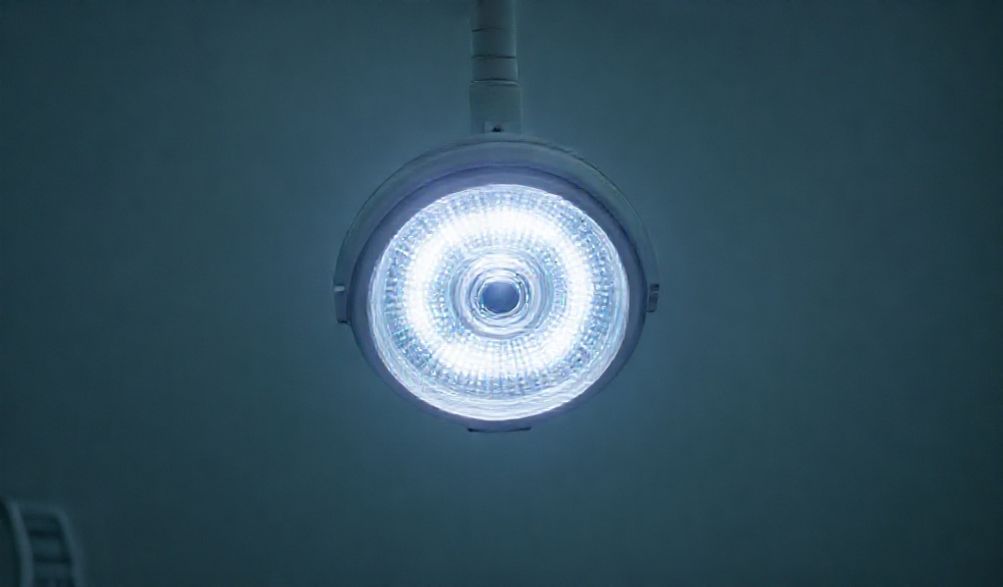
LED Exam Lights: The Complete Guide to Modern Medical Lighting
In the precise world of healthcare, where a millimeter can be the difference between a clear diagnosis and a missed detail, the tools of the trade are paramount. While we invest heavily in advanced imaging and diagnostic software, one of the most fundamental tools often gets overlooked: the luz de examen. For decades, the warm, often harsh glow of halogen lights was the standard. Yet, just as medicine has evolved, so too has lighting technology. Outdated, inefficient lighting doesn’t just strain the eyes of practitioners; it can subtly compromise diagnostic accuracy, patient comfort, and a clinic’s operational budget.
This guide marks a decisive shift from the old to the new. We are moving from the energy-intensive, heat-producing halogen bulbs to the crisp, efficient, and intelligent world of LED (Light Emitting Diode) exam lighting. This isn’t merely a bulb swap; it’s a comprehensive upgrade to clinical capability.
The purpose of this article is to serve as your definitive, expert-driven resource. Built on the principles of Experiencia, Experticia, Autoridad y Confiabilidad (E-E-A-T), we aim to equip medical professionals, clinic managers, hospital procurement officers, and healthcare facility planners with the knowledge needed to make confident, informed decisions. We will illuminate the undeniable benefits of LED technology, dissect the key features that matter, provide a structured framework for selection, and outline best practices for implementation. Consider this your roadmap to a brighter, more efficient future in patient care.
Why LED Technology is Revolutionizing Medical Exams
The transition to LED in medical settings is more than a trend; it’s a revolution backed by tangible advancements in physics and engineering. LED exam lights address the core shortcomings of their predecessors while introducing benefits that directly enhance clinical outcomes and operational efficiency.
Unmatched Brightness & Optimal Color Temperature
The primary job of an exam light is to reveal truth—to illuminate tissue, cavities, and surfaces with such clarity that nothing is left to interpretation. LED technology excels here through two critical metrics: intensity and color accuracy.
- Lumens and Lux: The Measure of True Brightness. Forget watts as a measure of brightness (that’s for energy consumption). For exam lights, we care about lux—the amount of light (lumens) falling on a specific area (square meter). Modern high-performance LED exam lights can deliver 40,000 to 100,000+ lux at a defined focal distance. This intense, focused illumination penetrates deep cavities without creating “hot spots” or dim peripheries, providing consistent visibility that halogen lights struggle to maintain over their lifespan.
- Color Rendering Index (CRI) and Temperature: Seeing What’s Really There. Accurate color perception is non-negotiable. A bruise, a subtle erythema, a shift in tissue pallor—these are critical diagnostic clues. El CRI measures a light source’s ability to reveal the true colors of an object compared to natural sunlight (which has a CRI of 100). Medical-grade LED lights boast a IRC de 90 o superior, ensuring that the shades of red, blue, and yellow you see are faithful to reality.
Furthermore, the Correlated Color Temperature (CCT), measured in Kelvins (K), is optimized. The ideal range for medical examination is 4500K to 5500K, often called “neutral” or “daylight white.” This spectrum provides high visual acuity without the yellowish tint of warmer lights (which can mask jaundice) or the bluish harshness of cooler lights (which can cause eye strain). It’s the perfect balance for differentiating tissue types and vascular structures.
Enhanced Energy Efficiency & Significant Cost Savings
The operational argument for LED is overwhelmingly persuasive. Halogen lights are essentially high-wattage space heaters that happen to produce light; they convert over 80% of their energy into waste heat. LEDs operate on a completely different principle, producing light with minimal heat generation.
- Direct Energy Comparison: A typical halogen exam light may consume 250 to 500 watts. A comparable LED exam light delivering the same or greater illumination uses 30 to 70 watts. This represents an immediate 80-90% reduction in energy consumption per fixture.
- The Ripple Effect of Savings: The savings multiply. Lower energy draw means reduced electricity bills. The drastic reduction in radiant heat lowers the cooling load on your clinic’s HVAC system, leading to further energy savings. When projected over the 50,000+ hour lifespan of an LED, the total cost of ownership plummets, freeing up budget for other critical needs.
Superior Longevity and Reduced Maintenance
Downtime in an exam room is lost revenue and disrupted patient flow. Traditional halogen bulbs have a lifespan of 1,000 to 2,000 hours, necessitating frequent, disruptive changes. The bulb is not the only failure point; the intense heat also degrades reflectors and wiring over time.
LEDs redefine durability. A high-quality medical LED light engine is rated for 50,000 to 100,000 hours of operation. In a typical clinical setting (8 hours a day, 5 days a week), this translates to 15 to 30 years of service life. This eliminates:
* The cost and inventory of replacement bulbs.
* The staff time and labor required for frequent changes.
* The clinical interruption and room downtime associated with bulb failure.
The light simply becomes a reliable, set-and-forget component of your clinical infrastructure.
Key Features to Evaluate When Choosing an LED Exam Light
Not all LED exam lights are created equal. Beyond the core technology, specific design features determine how effectively the light integrates into your workflow and environment.
Adjustability and Ergonomic Design
A light that can’t be positioned perfectly is a hindrance. Ergonomic design is paramount for clinician comfort and procedural efficiency.
- Articulation and Reach: Evaluate the light’s range of motion. How many joints (links) does it have? A light with multiple, smooth-moving joints allows for precise positioning over any part of the patient, from a dental oral cavity to a surgical site on the torso, without needing to reposition the patient or the clinician. Look for a wide horizontal reach and sufficient vertical adjustment.
- Balance and Control: The light should stay where you put it. Counterbalanced arms or sophisticated spring mechanisms ensure the light head remains stable in any position without drifting. Controls should be intuitive and accessible—often via a handle-mounted switch or a touch-sensitive control panel—allowing for single-handed operation.
- Reducción de Sombras: Advanced designs incorporate larger, optimized reflectors or multiple LED arrays to fill shadows cast by the clinician’s head or hands, providing more uniform illumination of the target area.
Thermal Management and Patient Comfort
The cool operation of LEDs is a major clinical benefit, not just an engineering spec.
- Minimal Radiant Heat: Halogen lights emit significant infrared radiation, which can cause patient discomfort, dry out exposed tissues (like mucous membranes or open wounds), and even pose a minor burn risk during prolonged, close-proximity procedures. LED exam lights direct almost all their energy into visible light, producing negligible radiant heat at the beam’s center. This enhances patient comfort and safety dramatically.
- Improved Procedure Environment: For both patient and clinician, a cooler light source makes for a more comfortable exam room atmosphere, especially in smaller or poorly ventilated spaces.
Durability, Hygiene, and Safety Standards
A medical device must be built to withstand the rigors of a clinical environment and adhere to the highest safety protocols.
- Build Quality and Materials: The housing should be constructed from grado médico, robust materials like aluminum or high-quality polymers. Optics (lenses and reflectors) should be hermetically sealed to prevent dust and fluid ingress, which can degrade light output and become a hygiene concern.
- Ease of Cleaning and IP Ratings: Surfaces must be smooth, non-porous, and resistant to common hospital disinfectants. Look for lights with high Ingress Protection (IP) ratings (e.g., IPX4 or higher for splash resistance). A design with minimal seams and crevices simplifies and ensures effective infection control.
- Cumplimiento Normativo: This is non-negotiable. The device must comply with relevant medical safety standards, such as la IEC 60601-1 (the international standard for medical electrical equipment) and be listed or approved by bodies like the FDA (U.S.) or CE (Europe). This ensures electrical safety, electromagnetic compatibility (no interference with other devices), and overall performance reliability.
How to Select the Right LED Exam Light for Your Practice
Choosing the perfect light requires aligning technology with your specific clinical needs, physical space, and financial parameters.
Assessing Your Clinical Specialty’s Needs
A “one-size-fits-all” approach doesn’t work. Consider your primary use cases:
- Primary Care / General Practice: Versatility is key. A light with good general illumination for full-body exams, coupled with a bright, focused spot for otoscopic or dermatologic inspection.
- Odontología: Requires intense, shadow-free illumination into the deep, confined oral cavity. Lights often have smaller, focused spot sizes and may integrate with dental chairs or delivery systems.
- Dermatología: Exceptional color accuracy (CRI >95) and the ability to eliminate shadows for assessing skin lesions is critical. Some dermatology lights offer cross-polarization to reduce surface glare and reveal sub-surface detail.
- Minor Surgery / Procedure Rooms: Need very high intensity (lux), excellent depth of field, and often a larger field of illumination. Durability and ease of sterilization are paramount.
- ENT / Ophthalmology: Often require highly specialized lights integrated into headlamps or slit lamps, though overhead LED lights provide crucial ambient or supplementary lighting.
Mounting Options and Installation Considerations
How and where the light is installed determines its utility and flexibility.
- Montado en Techo: The most common and space-efficient. Offers the greatest range of motion and keeps floors clear. Requires professional installation into a structural ceiling.
- Montado en Pared: A good alternative where ceiling mounting isn’t possible. May have a slightly more limited range but is very stable.
- De Pie: Offers ultimate portability and flexibility, ideal for multi-purpose rooms or clinics in rented spaces. Choose models with a stable, heavy base.
- Track Systems: Multiple lights can be installed on a single ceiling track, allowing for flexible positioning and sharing between adjacent bays or operating tables.
Paso de Acción: Conduct a “lighting audit.” Map out your room dimensions, table/chair positions, and workflow. Consider future changes to ensure your chosen mounting solution offers adequate flexibility.
Budgeting: Total Cost of Ownership (TCO) Analysis
Move beyond the sticker price. The true cost of a medical light is spread over its entire service life.
- Initial Purchase Price: The upfront cost of the light and installation.
- Operational Costs: The electricity it will consume over 10+ years. (Use the wattage difference vs. halogen for a dramatic savings projection).
- Costos de Mantenimiento: Factor in the cost and labor of bulb replacements (zero for LED vs. 25+ halogen changes) and any potential servicing.
- ROI Framework: Create a simple 5-10 year model:
Total Cost of Ownership = Purchase Price + (Energy Cost/Year x Years) + (Maintenance Cost/Year x Years)
While the LED light may have a higher initial cost, its TCO will almost always be significantly lower than a halogen equivalent within just a few years, delivering a clear and compelling Return on Investment (ROI).
Mejores Prácticas para la Implementación y el Mantenimiento
Para maximizar su inversión, el uso y cuidado adecuados son esenciales.
Técnicas de Posicionamiento y Uso Óptimas
- Minimizar el Deslumbramiento: Posicione la cabeza de luz de modo que el haz principal se dirija al área objetivo desde un ángulo, en lugar de estar directamente en línea con la vista del clínico, para reducir el deslumbramiento reflejado en los instrumentos o tejidos húmedos.
- Eliminar Sombras: Utilice la articulación de la luz para posicionarla lo más cerca posible de su línea de visión. Para trabajos críticos, considere usar una fuente de luz secundaria (como un frontal) para rellenar las sombras de la luz principal del techo.
- Iluminación de Cavidades Profundas: Acerque la luz lo más posible a la abertura de forma segura. La intensidad (lux) sigue la ley del cuadrado inverso: duplicar la distancia reduce la luz en el objetivo a la cuarta parte.
Limpieza Rutinaria y Comprobaciones de Rendimiento
- Protocolo de Limpieza: Siga las instrucciones del fabricante. Normalmente, use un paño suave humedecido con un desinfectante suave y no abrasivo aprobado para equipos médicos. Evite rociar directamente sobre la cabeza de luz; rocíe el paño en su lugar. Asegúrese de que la luz esté apagada y fría antes de limpiar.
- Comprobaciones de Rendimiento: Periódicamente, compare la salida de luz y el color con una referencia conocida o una luz nueva del mismo modelo. Un amarilleamiento o atenuación notable podría indicar envejecimiento de los componentes o acumulación de polvo en la óptica.
Integración con Otras Tecnologías Clínicas
Las luces LED modernas pueden ser parte de un ecosistema clínico más inteligente.
* Algunos modelos ofrecen integración con sistemas de video quirúrgico, permitiendo que la misma luz óptima se utilice tanto para el procedimiento como para grabaciones de alta calidad.
* Considere cómo la temperatura de color y la salida de la nueva luz funcionan con otras iluminaciones de la sala (ambiental, de gabinete) para crear un entorno cohesivo y visualmente confortable para el personal y los pacientes.
Preguntas Frecuentes (FAQ) sobre Luces de Examen LED
P: ¿Son las luces de examen LED realmente lo suficientemente brillantes para procedimientos detallados?
R: Absolutamente. De hecho, a menudo son más brillantes. Los LED modernos producen lúmenes más enfocados y utilizables por vatio que los halógenos. Las altas clasificaciones de lux (40,000+) garantizan un reconocimiento excepcional de detalles incluso para los procedimientos más delicados.
P: ¿Cuál es la vida útil típica y qué sucede cuando falla un LED?
R: La vida útil es típicamente de 50,000 a 100,000 horas. Es importante señalar que las luces LED médicas de alta calidad utilizan una matriz de múltiples diodos. Están diseñadas para que la atenuación gradual de diodos individuales durante un período extremadamente largo sea prácticamente imperceptible, y la falla de un solo diodo no cause un apagón total, garantizando la seguridad clínica.
P: ¿Puedo modernizar mi luminaria de examen existente con una bombilla LED?
R: Existen bombillas de modernización, pero se recomienda precaución. El sistema eléctrico y la disipación de calor (disipador) de la luminaria existente fueron diseñados para halógeno. Una modernización LED puede no gestionar el calor correctamente, provocando una falla prematura, o puede no alinearse con la óptica del reflector, produciendo una luz de mala calidad. Consulte siempre primero al fabricante original de la luminaria.
P: ¿Las luces LED causan interferencias con otros equipos médicos?
R: Las luces médicas LED de calidad están diseñadas teniendo en cuenta una estricta Compatibilidad Electromagnética (CEM) , según lo requiere la norma IEC 60601-1-2. Cuando elige un dispositivo médico certificado de un fabricante reputado, el riesgo de interferencia con monitores, ECG u otro equipo sensible se elimina efectivamente.
P: ¿Cómo desecho correctamente una luz médica LED vieja?
R: No la deseche con la basura regular. Siga las regulaciones locales para desechos electrónicos (e-waste) y eliminación de equipos médicos. Muchos fabricantes responsables ofrecen programas de recuperación de productos o reciclaje. Contacte a su proveedor o a un reciclador de e-waste certificado para obtener orientación.
Conclusión
La evidencia es clara: las luces de examen LED representan una mejora transformadora para los entornos sanitarios modernos. Ofrecen una visibilidad clínica superior a través de un brillo óptimo y precisión de color, apoyando directamente la precisión diagnóstica. Generan ahorros operativos sustanciales a través de una dramática eficiencia energética y la casi eliminación del mantenimiento. Mejoran la experiencia del paciente con una luz fresca y confortable y contribuyen a un entorno clínico más seguro.
Al tomar esta decisión crítica, recuerde los principios de E-E-A-T. Elija productos de fabricantes reputados que proporcionen especificaciones técnicas transparentes, certificaciones de seguridad válidas (FDA, IEC 60601-1) e instalación y soporte profesional. No vea esto como un gasto simple, sino como una inversión estratégica a largo plazo en la calidad de su atención y la eficiencia de su consulta.
Su Próximo Paso: Comience realizando una auditoría de iluminación en su propia consulta. Identifique las salas y procedimientos más perjudicados por una iluminación obsoleta. Luego, contacte a proveedores certificados de equipos médicos para solicitar demostraciones u hojas de especificaciones. Para proyectos más grandes o nuevas construcciones, considere consultar con un planificador de equipos médicos que pueda integrar la iluminación óptima en su diseño clínico general. El camino hacia un futuro más brillante para sus pacientes y su consulta está claramente iluminado.
p>