
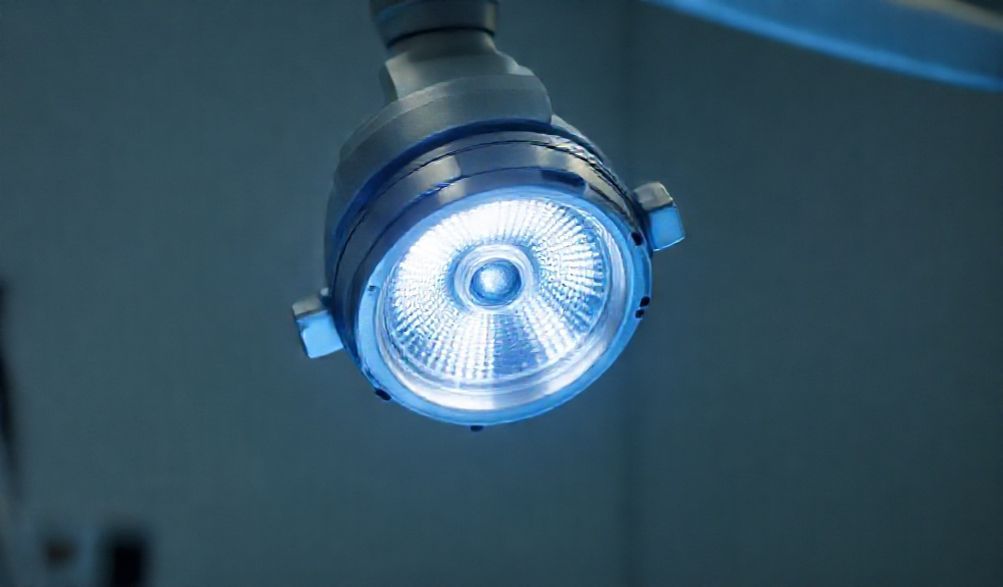
Illuminating Precision: The Complete Guide to LED Surgical Headlights for Medical Professionals
Introduction
In the high-stakes theater of modern surgery, where a millimeter can define the boundary between success and complication, one element remains non-negotiable: perfect visibility. It is the foundation upon which precision, safety, and efficiency are built. For generations, surgeons relied on the intense, hot light of halogen and xenon bulbs, but today, a technological revolution has redefined the standard. Light Emitting Diode (LED) technology has emerged as the unequivocal gold standard in surgical illumination, transforming not just what surgeons see, but how they see it.
This comprehensive guide is crafted by a team with deep expertise in medical device technology and surgical ergonomics. We have synthesized data from clinical studies, analyzed manufacturer specifications, and incorporated insights from practicing surgeons to create a definitive, trustworthy resource. Whether you are a veteran surgeon considering an upgrade, a hospital procurement officer evaluating capital equipment, or a medical student preparing for a future in the operating room, this guide will illuminate the critical features, tangible benefits, and essential selection criteria for LED surgical headlights. Our goal is to empower you to make an informed decision—a decision that enhances patient outcomes, preserves surgeon well-being, and optimizes operational workflow.
What Are LED Surgical Headlights and How Do They Work?
At its core, a No es lo ideal. Las lámparas de cabeza quirúrgicas generales suelen estar diseñadas para campos más amplios y menos profundos. Las lámparas de cabeza específicas para ORL están diseñadas para proyectar un haz intenso y enfocado en profundidad dentro de cavidades estrechas. El uso de una luz no especializada puede resultar en una iluminación inadecuada, sombras y mayor fatiga visual. is a personal illumination system that projects a bright, focused beam of light directly into the surgical field, coaxial with the surgeon’s line of sight. Unlike overhead surgical lights, which provide ambient illumination, a headlight offers targeted, shadow-free light that moves intuitively with the surgeon’s head. The shift from traditional light sources to LED represents a fundamental leap in quality, reliability, and performance.
Core Technology: From Halogen to LED Innovation
For decades, halogen and xenon bulbs were the mainstays. While powerful, they came with significant drawbacks:
* Excessive Heat: They operated at very high temperatures, often radiating uncomfortable heat onto the surgeon’s forehead and adding unwanted thermal load to the surgical site.
* Poor Color Fidelity: Their light spectrum could distort tissue color, making it harder to accurately differentiate between arterial blood, venous blood, and various tissue types.
* Short Lifespan and Fragility: Bulbs had limited operational lives (often just 50-100 hours) and were prone to sudden failure, causing disruptive and costly delays.
tecnología LED addresses these limitations at its foundation. An LED is a semiconductor device that emits light when an electrical current passes through it. This principle offers transformative advantages for surgery:
* Eficiencia: LEDs convert a much higher percentage of energy into visible light rather than heat (infrared radiation).
* Spectral Precision: LEDs can be engineered to produce a specific, consistent color temperature, typically in the 4500K to 5500K range—mimicking natural daylight, which is optimal for human visual acuity.
* Controllability & Longevity: Solid-state design means no fragile filaments. LEDs are incredibly durable and can offer lifespans exceeding 20,000 hours, essentially making them “lifetime” components for the device.
Key Components of a Surgical Headlight System
Una lámpara de examen moderna LED surgical headlight is an integrated system of several key components:
-
The Light Source: This is the LED engine. Critical specifications include:
- Luminosity: Measured in lumens (total light output) or, more importantly, lux (illuminance at a specific distance). High-performance systems can deliver over 100,000 lux.
- Temperatura de Color: Expressed in Kelvin (K). A “daylight” range of 4500K-5500K is preferred for its neutral, white light that enhances tissue contrast.
- Índice de Reproducción Cromática (IRC): A measure (up to 100) of how accurately a light source reveals the true colors of objects. A CRI >90 is essential for surgery.
-
The Delivery System: How light travels from the source to the headpiece.
- Fiber Optic Systems: A remote light generator houses the LED, and light is transmitted via a flexible fiber optic cable. This keeps the headpiece very light but involves managing a cable.
- Integrated LED Arrays: The LEDs are mounted directly on the headpiece, powered by a cable connected to a battery pack. This offers excellent light quality and eliminates the fiber cable but can make the headpiece slightly heavier.
-
The Headpiece: The wearable component. Design focuses on:
- Distribución del Peso: Balancing the light source and optics to minimize neck strain.
- Ajustabilidad: Precise vertical and horizontal aiming mechanisms to align the beam perfectly.
- Comodidad: Padded headbands (strap or crown style), breathable materials, and secure, non-slip fit.
-
The Power Source: Typically a rechargeable lithium-ion battery pack worn on a belt or waistband. Key considerations are operational lifespan per charge (often 4-8 hours) and the presence of a clear battery level indicator.
Critical Benefits of LED Lighting in Surgical Procedures
The technical superiority of LED los frontales quirúrgicos translates directly into measurable advantages in the operating room, impacting visual performance, physical comfort, and institutional efficiency.
Enhanced Visual Accuracy and Tissue Differentiation
This is the most significant clinical benefit. The high CRI and optimal color temperature of LED light provide a truer, more consistent color representation. This allows surgeons to make more confident and accurate distinctions between subtle tissue variations—differentiating necrotic tissue from viable tissue, identifying small vasculature, and recognizing pathological changes. Furthermore, the even, focused beam minimizes distracting shadows and “hot spots” that can cause eye strain and fatigue during marathon procedures, helping to maintain peak visual performance from the first incision to the final suture.
Improved Ergonomics and Surgeon Comfort
Surgery is physically demanding. Modern LED headlights are engineered with ergonomics as a priority. Lightweight designs, often weighing less than 200 grams for the headpiece, significantly reduce the load on cervical and upper back muscles over long procedures. The cool operation of LEDs eliminates the “hot spot” on the forehead associated with halogen systems, a major source of discomfort. A well-balanced, comfortable headlight promotes better posture and reduces fatigue, allowing the surgeon to focus entirely on the procedure.
Operational Efficiency and Cost-Effectiveness
From an operational standpoint, LEDs are a smart investment. The extraordinary lifespan (20,000-50,000 hours) means the elimination of frequent, costly bulb replacements and the associated downtime. Their high efficiency lowers power consumption. Perhaps less obvious but equally important is the reduction in radiant heat directed at the surgical site, which can help minimize tissue desiccation. Over time, the reliability, low maintenance, and energy savings of an LED surgical headlight system offer a compelling total cost of ownership compared to legacy technologies.
How to Choose the Right LED Surgical Headlight: A Buyer’s Guide
Selecting the ideal system requires matching technical capabilities with your specific procedural needs and personal preferences. Here are the critical factors to evaluate.
Assessing Technical Specifications: Lumens, Spot Size, and Depth of Field
Don’t just look at the biggest lumen number. Context is everything.
* Brightness & Lux: A dermatologist performing superficial procedures may need 40,000 lux, while a neurosurgeon working in a deep cranial cavity may require 150,000 lux or more. Understand the illuminance at your typical working distance (e.g., 14-18 inches).
* Spot Size & Depth of Field: The ability to adjust the beam from a wide field for overview to a small, intense spot for deep cavity work is crucial. A good LED surgical headlight offers adjustable focus to maintain a sharp, uniform circle of light across different depths.
* Un punto The beam should have a smooth, uniform transition from center to edge without a harsh, blinding central hotspot or distracting rings.
Evaluating Comfort and Usability Features
If it’s not comfortable, it won’t be used effectively.
* Diseño de la banda para la cabeza: Test different styles. A padded, adjustable crown distributes weight evenly, while a strap-style band may feel more secure for those with loupes. Look for quick-release mechanisms for easy donning/doffing.
* Gestión de Cables: A poorly routed cable can be a persistent nuisance. Look for systems with secure, low-profile cable connectors and routing clips that keep the cable behind your shoulder.
* Compatibilidad: Ensure the headlight mount is compatible with your surgical loupes, safety glasses, or magnification systems. The combined weight and balance must be assessed.
Considering System Durability and Support
Your headlight is a critical tool that must perform reliably.
* Calidad de Construcción: Look for robust, medical-grade materials. Some systems offer ingress protection (IP) ratings against fluids and dust.
* Garantía y Soporte: A strong warranty (3-5 years is common for premium systems) reflects manufacturer confidence. Consider the supplier’s reputation for responsive technical support, service availability, and loaner equipment policies.
* Trial Period: Whenever possible, request a clinical trial. Use the system in your own OR during a typical procedure. There is no better test than hands-on experience.
Applications Across Medical and Surgical Specialties
The versatility of modern LED surgical headlights makes them indispensable across a wide spectrum of medical fields.
Demanding Fields: Neurosurgery, ENT, and Plastic/Reconstructive Surgery
These specialties often involve deep, narrow cavities where overhead light cannot reach.
* Neurocirugía: Requires intense, shadow-free illumination at significant depth to visualize delicate neural structures. Adjustable spot size and extreme depth of field are paramount.
* Otorrinolaringología (ENT): Procedures in the sinuses, throat, and ears demand precise, coaxial light. The ability to maintain a bright, focused beam in a confined space is critical.
* Plastic/Reconstructive Surgery: Accurate color rendition is essential for assessing tissue viability, flap perfusion, and skin tone matching. High CRI lighting supports these nuanced visual judgments.
High-Precision Procedures: Dentistry, Ophthalmology, and Microsurgery
Here, magnification and light must work in perfect harmony.
* Odontología y Cirugía Oral: LED headlights provide brilliant, white light that reduces eye strain during detailed restorative work and oral procedures, often integrated directly with dental loupes.
* Oftalmología: While microscopes are primary, headlights are vital for periocular procedures, lacrimal surgery, and minor office-based interventions.
* Microsurgery (Hand, Vascular): Surgeons using high-power loupes or microscopes still rely on headlights for initial dissection, positioning, and supplementary illumination, requiring a perfectly focused, high-intensity beam.
Emerging and Outpatient Settings: Veterinary Surgery, Aesthetics, and Mobile Clinics
The benefits of LEDs extend beyond the human OR.
* Veterinary Surgery: Portable, battery-powered LED headlights offer excellent illumination in varied veterinary OR settings, from large animal to exotic pet surgery.
* Aesthetic Medicine: For procedures like filler injections, thread lifts, and minor excisions, a comfortable, bright headlight provides the precision needed for optimal cosmetic outcomes.
* Mobile Clinics & Field Medicine: The portability, long battery life, and durability of LED systems make them ideal for use in non-traditional settings, including military field hospitals and humanitarian missions.
Preguntas Frecuentes (FAQ)
Q1: Are LED surgical headlights significantly better than older halogen models?
R: Absolutely. The difference is substantial. LEDs provide superior, daylight-quality color accuracy (high CRI), generate minimal heat, have lifespans hundreds of times longer (eliminating bulb changes), and are far more energy-efficient. This translates to better visual conditions, improved surgeon comfort, and lower long-term operating costs.
Q2: What is a good brightness (lumen output) for most procedures?
R: Enfoque en lux (la iluminancia en el objetivo) en lugar de solo en lúmenes. Para muchos procedimientos quirúrgicos generales, ortopédicos y ginecológicos, 80.000 a 120.000 lux a una distancia de trabajo estándar es excelente. Especialidades de cavidad profunda como neurocirugía o columna vertebral pueden requerir 150.000 lux o más. Consulte siempre sus necesidades específicas con un proveedor conocedor.
P3: ¿Cómo mantengo y limpio correctamente mi frontal quirúrgico LED?
R: Siga estrictamente las instrucciones del fabricante para la limpieza y desinfección. Generalmente, la banda para la cabeza y la carcasa del frontal se pueden limpiar con una toallita desinfectante de grado hospitalario. Los cables de fibra óptica deben inspeccionarse en busca de torceduras o daños y limpiarse suavemente con una solución aprobada. Nunca sumerja el módulo de la fuente de luz o el paquete de baterías en líquido. Almacene el sistema en un estuche protector.
P4: ¿Puedo usar mi frontal quirúrgico con mis lupas existentes?
R: En la mayoría de los casos, sí. La mayoría de los frontales modernos LED surgical headlights están diseñados con soportes de montaje universales o adaptables que pueden acoplarse a la montura de sus lupas quirúrgicas. Es esencial asegurar que el accesorio esté firme y que el peso combinado y el equilibrio sean cómodos para usted durante un procedimiento largo.
P5: ¿Cuánto dura típicamente la batería y cómo sé cuándo recargarla?
R: Un paquete de baterías de iones de litio de alta capacidad con una carga completa suele proporcionar de 4 a 8 horas de funcionamiento, dependiendo del ajuste de brillo utilizado. La mayoría de los sistemas profesionales cuentan con indicadores claros del estado de la batería, como una serie de luces LED o una pantalla digital en el propio paquete de baterías, que mostrarán cuando la carga sea baja y se necesite una recarga.
Conclusión
El LED surgical headlight frontal quirúrgico LED es más que una simple mejora en la iluminación; es una mejora fundamental de la herramienta más crítica del cirujano: su visión. Al ofrecer una precisión de color inigualable, una iluminación libre de sombras y una comodidad ergonómica, esta tecnología apoya directamente la precisión quirúrgica, reduce la fatiga operatoria y contribuye a resultados positivos para el paciente. La transición del halógeno al LED no es meramente un cambio de equipo, sino una inversión estratégica en el rendimiento clínico y el bienestar profesional.
Al evaluar los sistemas, mire más allá de las especificaciones básicas. Priorice la combinación de excelencia óptica, comodidad personalizable y soporte confiable que se alinee con las demandas únicas de su especialidad y práctica. Recomendamos encarecidamente consultar con especialistas en equipos médicos experimentados y, lo más importante, aprovechar las oportunidades de prueba práctica. Experimente la diferencia que puede marcar una verdadera iluminación quirúrgica de alta definición. En la búsqueda de la perfección en el quirófano, cada detalle importa, y la luz es el detalle que hace visibles a todos los demás.
p>