
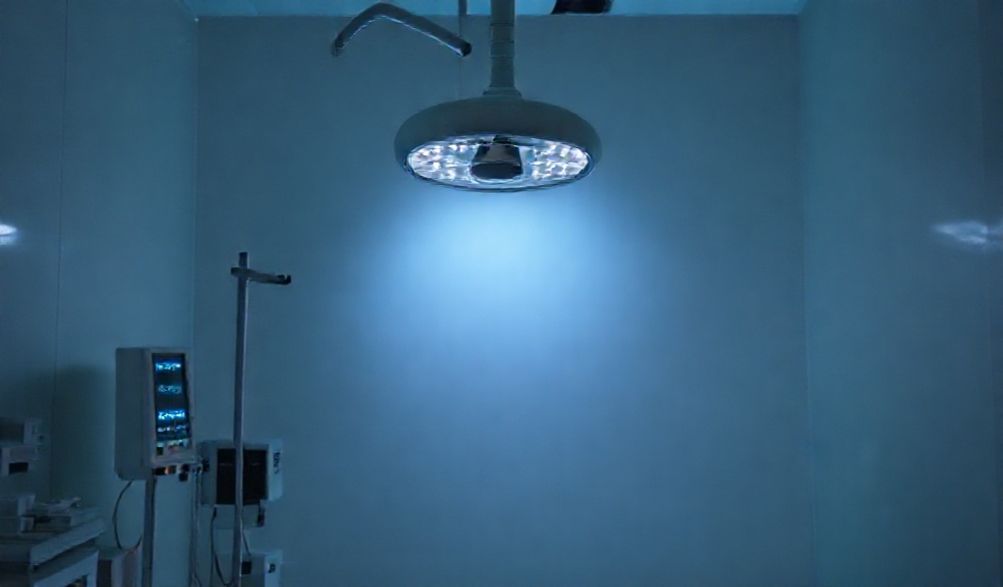
MedLED Headlight: Advanced Medical-Grade Illumination for Precision & Safety
In the high-stakes world of medicine, where a millimeter can be the difference between success and complication, clarity is non-negotiable. From the intricate dissection of a nerve in neurosurgery to the subtle assessment of tissue perfusion in a wound clinic, a clinician’s vision is their most fundamental diagnostic and procedural tool. Yet, this tool is only as good as the light that enables it. Standard overhead OR lights, while powerful, often create shadows, generate significant heat, and can struggle with color accuracy. In examination rooms, the lighting is frequently inadequate for detailed visualization. This universal challenge in medical environments demands a purpose-built solution: the MedLED headlight.
The MedLED headlight represents a paradigm shift in medical illumination. It is not merely a headlamp; it is a sophisticated, professional-grade system engineered from the ground up to meet the stringent demands of clinical and surgical practice. This guide is designed to cut through the technical jargon and provide a comprehensive, authoritative resource. We will delve into the core technology, tangible benefits, diverse applications, and critical selection criteria for MedLED headlights. Whether you are a surgeon seeking enhanced precision, a dentist requiring better intraoral visibility, an ER physician performing a critical exam, or a procurement officer responsible for equipping a facility, this post will illuminate the key considerations for investing in medical-grade headlight technology.
What is a MedLED Headlight? Defining Medical-Grade Illumination
At its essence, a MedLED headlight is a hands-free, LED-based illumination system specifically engineered for clinical, surgical, and diagnostic procedures. It transcends the category of a simple tool, representing a critical piece of procedural equipment designed to integrate seamlessly into the medical workflow.
The key distinction lies in its intent and construction. Unlike consumer camping headlamps or industrial work lights, a true MedLED headlight is developed with clinical outcomes as the primary driver. This often involves adherence to medical device standards (such as FDA clearance or CE marking as a Class I device), the use of biocompatible and cleanable materials that can withstand hospital-grade disinfectants, and a design philosophy centered on sterility, reliability, and user safety. It is instrumentation, not just illumination.
Core Components & Technology
Understanding the components demystifies why a medical-grade system outperforms generic alternatives.
-
Light Source (The LED): The heart of the system. Modern high-intensity LEDs offer a revolutionary combination of benefits: they emit a “cool” light with minimal infrared radiation (reducing heat on the patient and surgeon), possess an exceptionally long lifespan (often exceeding 50,000 hours), and are highly energy-efficient. Crucially, high-quality MedLEDs boast a Color Rendering Index (CRI) of 90 or above. A high CRI means the light source accurately reveals the true colors of tissues, allowing for precise differentiation between arterial and venous blood, identifying subtle signs of infection, or assessing tissue viability—a non-negotiable feature in medical settings.
-
Optics & Beam Patterns: Sophisticated optics shape the raw LED light into a usable medical tool. Systems offer focusable spots for penetrating deep cavities (like in sinus or dental surgery) or wide, homogeneous fields for illuminating broader surgical sites (like in plastic surgery). The goal is even light distribution without distracting hotspots or harsh edges that can cause eye strain, providing a “daylight” quality view of the operative field.
-
Power System: Reliability is paramount. Most professional systems utilize rechargeable Lithium-ion battery packs, prized for their high energy density and lack of memory effect. These packs are typically worn on an ergonomic belt or integrated into the headband, balancing weight away from the head. Run-times vary, with high-end systems offering 3 to 8+ hours of intense light on a single charge, often with hot-swappable batteries for indefinite use during marathon procedures.
-
Comfort & Ergonomics: A headlight that causes fatigue is a liability. Medical-grade systems prioritize balanced weight distribution (often aiming for a head-borne weight of less than 150 grams), fully adjustable headbands with secure yet comfortable fit systems, and breathable materials. All surfaces that contact the user or may be exposed to the field are designed for easy and repeated cleaning and disinfection.
Key Benefits of Using a MedLED Surgical or Examination Headlight
The investment in a MedLED system translates directly into tangible improvements in clinical practice, user well-being, and operational efficiency.
Enhanced Visual Accuracy & Precision
This is the primary benefit. By delivering bright, shadow-reduced, and color-accurate light directly into the line of sight, MedLED headlights dramatically improve visual clarity.
* Depth Perception & Detail: In deep, narrow cavities—common in ENT, spinal, or dental surgery—a focused beam provides essential depth cues and illuminates recesses that overhead lights cannot reach, minimizing the risk of collateral damage.
* Tissue Differentiation: The high CRI enables accurate assessment of tissue color, crucial for identifying ischemic boundaries, monitoring oxygenation, and distinguishing delicate anatomical structures. What you see is a truer representation of reality.
Improved Ergonomics & User Comfort
Physical strain is a significant concern for proceduralists.
* Reduced Fatigue: A lightweight, well-balanced headlight eliminates the need to crane the neck into awkward positions to catch the light from a fixed overhead source. This can significantly reduce cervical and upper back strain during long procedures.
* Hands-Free Operation: The fundamental advantage of a headlight is the liberation of the clinician’s hands. This allows for bimanual manipulation of instruments, steadying of tissues, and more efficient, fluid movements without constantly repositioning an external light source.
Reliability and Cost-Effectiveness
Beyond clinical performance, MedLED headlights offer practical advantages.
* Longevity & Lower TCO: With LED lifespans measured in decades of normal use, the recurring cost and downtime associated with replacing halogen or xenon bulbs are virtually eliminated. The “total cost of ownership” becomes favorable over time.
* Cool Operation & Efficiency: The minimal heat output enhances patient comfort (reducing tissue drying) and improves the surgeon’s comfort. Furthermore, the energy efficiency of LEDs means longer battery life and lower power consumption.
Primary Applications and Use Cases for MedLED Headlights
The versatility of MedLED technology makes it invaluable across a wide spectrum of medical disciplines.
Surgical Specialties
- Odontología y Cirugía Oral: Essential for illuminating the dark oral cavity, providing shadow-free light for restorative work, endodontics, and oral surgery.
- Otolaryngology (ENT): Critical for visualizing deep, narrow sinus passages, the larynx, and the inner ear. Depth of field and a focused spot are key.
- Cirugía Plástica y Reconstructiva: Requires bright, wide, and homogeneous light for large surface areas like flaps and grafts, with accurate color rendering to assess tissue health.
- Neurosurgery & Spine Surgery: Demands intense, focused light for deep wound cavities and microsurgical techniques, often integrated with loupes or microscopes.
- Veterinary Surgery: Similar needs to human surgery, often in environments with less ideal fixed lighting infrastructure.
Clinical Examination & Procedures
- Emergency Medicine: For rapid, detailed trauma surveys, wound exploration, and procedures like laceration repair or foreign body removal at the bedside.
- Wound Care & Dermatology: Allows for close, magnified inspection of skin lesions, ulcer beds, and for guiding precise debridement.
- Mobile & Field Medicine: The portability and battery operation make it ideal for field clinics, disaster response, or home health visits.
Diagnostic and Technical Applications
- Oftalmología: Used as an adjunct to slit lamps or for external examinations.
- Dental Laboratories: Provides perfect illumination for detailed technical work on crowns, bridges, and dentures.
How to Choose the Right MedLED Headlight: A Buyer’s Guide
Selecting the appropriate system requires matching technical specifications to your specific clinical needs.
Al evaluar modelos, preste mucha atención a estas especificaciones:
- Luminosidad (Lúmenes) y Lux: Los lúmenes miden la salida total de luz; el Lux mide la intensidad sobre una superficie. Para uso médico, el Lux a la distancia de trabajo es más relevante. Un examen general puede requerir 10.000-30.000 Lux, mientras que la microcirugía puede exigir 100.000-200.000 Lux o más.
- Distancia, Ancho y Enfoque del Haz: Considere su distancia de trabajo típica (ej., 14″ para odontología, 20″+ para cirugía abierta). ¿Ofrece el sistema un enfoque variable desde puntual hasta amplio? ¿Es uniforme el patrón del haz?
- Temperatura de Color e IRC: Una temperatura de color de 4500K-5500K se considera a menudo “blanco luz día”. Lo más importante es exigir un . Esto es crítico para una discriminación precisa del color. para precisión médica.
- Autonomía de la Batería y Carga: Asegúrese de que el tiempo de funcionamiento nominal a la intensidad requerida supere su procedimiento común más largo. Busque capacidades de carga rápida y sustitución en caliente para un flujo de trabajo ininterrumpido.
Consideraciones de Comodidad, Ajuste e Higiene
- Ergonomía: Pruébelo. ¿Es estable sin apretar? ¿Está equilibrado el peso? ¿Se puede usar cómodamente sobre gafas o lupas?
- Higiene: El sistema debe ser compatible con los protocolos de desinfección de su centro. ¿Son extraíbles y lavables las almohadillas de la banda? ¿Está sellada la carcasa de la luz contra la entrada de fluidos?
Durabilidad, Garantía y Soporte
- Calidad de Construcción: Busque una construcción robusta. Una clasificación IP (ej., IP54) indica protección contra polvo y salpicaduras de agua.
- Garantía y Servicio: El equipo médico requiere un soporte fiable. Una garantía sólida (a menudo de 3+ años en el LED) y un servicio de atención al cliente accesible y competente del fabricante o distribuidor son esenciales.
Preguntas Frecuentes (FAQ) sobre los Faros MedLED
P1: ¿Se consideran los frontales MedLED como dispositivos médicos?
R: Esto varía según la región y el fabricante. Muchos están diseñados y registrados como dispositivos médicos Clase I ante organismos reguladores como la FDA (EE. UU.) o bajo el MDR/IVDR de la UE. Verifique siempre el estado regulatorio y las declaraciones de uso previsto proporcionadas por el fabricante para cumplir con la normativa en su lugar de práctica.
P2: ¿En qué beneficia la luz LED de un frontal al uso médico frente a las antiguas luces halógenas/xenón?
R: Los LED son superiores en casi todos los aspectos: generan mucho menos calor (reduciendo el secado tisular y la incomodidad del cirujano), duran exponencialmente más (50.000+ frente a 50-500 horas), alcanzan el brillo máximo al instante, consumen menos energía para más luz y mantienen una temperatura de color constante durante toda su vida útil.
P3: ¿Qué autonomía de batería es buena para un frontal quirúrgico?
R: Para la mayoría de los quirófanos, un mínimo de 2-3 horas de funcionamiento a máxima intensidad es la referencia. Muchos sistemas avanzados ofrecen ahora 4-8 horas. Para seguridad en procedimientos largos, un sistema con baterías intercambiables en caliente (que permiten cambiar la batería sin apagar la luz) es el estándar de oro.
P4: ¿Se puede ajustar la intensidad de la luz y por qué es importante?
R: Sí, el control regulable es una característica vital en los modelos profesionales. Permite adaptarse a diferentes profundidades del procedimiento, evita reflejos deslumbrantes en superficies húmedas, ayuda a evitar la fatiga visual del usuario y es crucial para mantener la adaptación a la oscuridad en un quirófano con poca luz.
P5: ¿Cómo limpio y mantengo correctamente mi frontal MedLED?
R: Siga estrictamente las Instrucciones de Uso (IFU) del fabricante. Generalmente, los componentes no estériles como la banda y el cuerpo de la luz se pueden limpiar con una toallita desinfectante de grado hospitalario. La lente óptica debe limpiarse suavemente con un paño suave y sin pelusa, a menudo con un limpiador de lentes específico. Nunca sumerja el núcleo de la luz o la batería a menos que se indique explícitamente que es seguro hacerlo.
Conclusión
El frontal MedLED ha evolucionado de un accesorio de nicho a una piedra angular de la visualización clínica moderna. Al proporcionar una iluminación brillante, con colores precisos y manos libres, mejora directamente la precisión del procedimiento, optimiza la ergonomía del profesional y favorece mejores resultados para el paciente. Los factores clave de decisión son claros: priorice un alto IRC y la intensidad de luz (Lux) adecuada para sus tareas, exija comodidad ergonómica para uso prolongado y asegúrese de que el sistema esté construido para el rigor del entorno médico con protocolos de higiene adecuados.
En última instancia, ver para creer. Mientras que las especificaciones proporcionan un marco, la experiencia subjetiva de usar un frontal MedLED de alta calidad—la claridad, la comodidad, el control—es profunda. Recomendamos encarecidamente a los profesionales médicos y equipos de adquisiciones que consulten con proveedores especializados de equipos clínicos, revisen hojas de especificaciones detalladas y, lo más importante, organicen una prueba práctica o demostración. Experimente de primera mano cómo la iluminación médica avanzada puede iluminar no solo el campo operatorio, sino también un camino hacia mayor confianza, eficiencia y seguridad en la práctica. En medicina, donde la visión lo es todo, la calidad de su luz no es un detalle—es un componente fundamental de la atención.
p>