
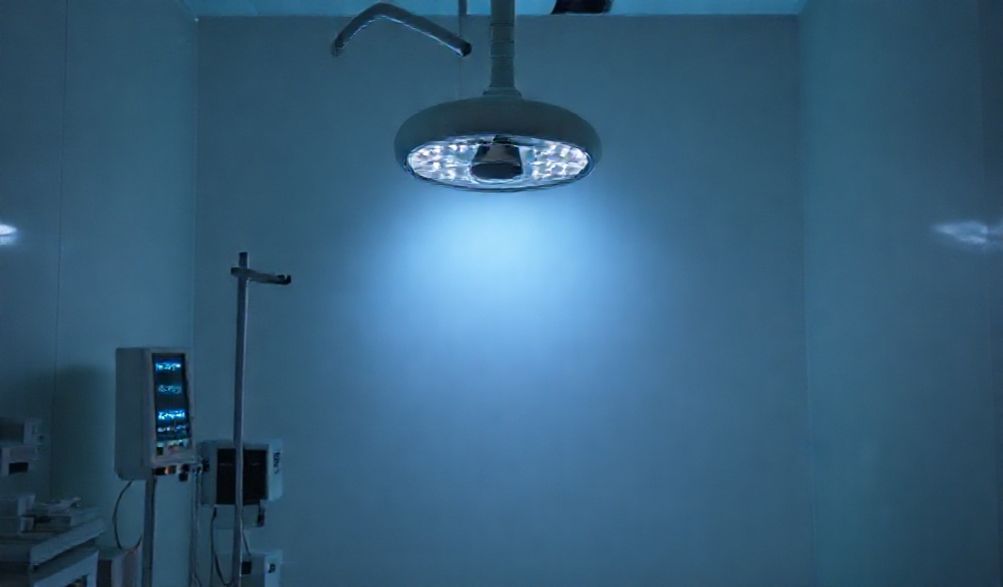
MedLED Headlights: The Complete Guide to Medical-Grade Illumination
Imagine this: you’re midway through a delicate surgical procedure or a complex dental restoration. The success of the operation hinges on your ability to see minute details—a subtle tissue margin, a tiny fissure in a tooth, the precise shade of a composite. But the light is casting a shadow, its color is distorting the true hue of the field, and the heat radiating from the source is becoming uncomfortable for both you and the patient. In these critical moments, inadequate lighting isn’t just an inconvenience; it’s a barrier to accuracy, safety, and optimal outcomes.
In medical and dental settings, lighting transcends mere utility. It is a fundamental diagnostic and operative tool. The quality of illumination directly impacts diagnostic accuracy, procedural precision, practitioner endurance, and patient comfort. For decades, professionals relied on halogen and incandescent systems, but a revolution in technology has set a new standard: MedLED headlights.
This guide is dedicated to MedLED headlights—specialized, hands-free LED illumination systems engineered explicitly for the rigorous demands of healthcare. Synthesizing insights from medical device manufacturers, clinical ergonomic studies, and practitioner testimonials, this pillar page serves as a comprehensive, trustworthy resource. We will explore what MedLED headlights are, delve into their transformative benefits, provide a framework for choosing the right system, and outline best practices for their use, empowering you to make an informed decision for your practice.
What Are MedLED Headlights?
At first glance, a MedLED headlight might resemble a sophisticated headlamp, but it is a precision-engineered medical device. It represents the convergence of advanced optics, ergonomic design, and solid-state lighting technology, creating a personal, portable sun for the clinical professional.
Beyond a Flashlight: The Anatomy of a MedLED System
A typical MedLED system comprises several key components working in harmony:
- The Light Source: The core is a high-performance Light Emitting Diode (LED) module. Modern LEDs used in medical devices are chosen for their intensity, color accuracy, and longevity.
- The Mounting System: This is usually an adjustable, padded headband or a clip that attaches to prescription glasses or surgical loupes. The goal is secure, balanced, and comfortable positioning.
- The Delivery System: Light travels from the source to the target via one of two primary methods:
- Fiber Optic Cable: A flexible, fluid-filled cable transmits light from a remote “light box” containing the LED and power system to a small emitter on the headband. This keeps the headpiece very lightweight.
- Direct/Integrated LED: The LED module and a small battery are housed directly on the headpiece, connected by a short wire. This offers ultimate mobility and eliminates a separate control box.
- The Power Source: This can be a rechargeable lithium-ion battery pack (worn on a belt or in a pocket) or a plug-in wall adapter for continuous, corded use.
A critical distinction lies in the configuration: Lupas **Through-the-Lens (TTL)** systems have the light source mounted directly on the loupes, ensuring the beam is perfectly coaxial with your line of sight, virtually eliminating shadows. External systems mount beside or above the loupes, offering flexibility but potentially creating slight parallax.
A Brief Evolution: From Halogen to LED in Medicine
To appreciate MedLED, one must understand what it replaced. For years, halogen bulbs were the standard. They were bright but deeply flawed:
* Intense Heat: They generated significant infrared radiation, causing discomfort for the clinician (a “hot head”) and potentially desiccating or damaging patient tissue.
* Poor Color Quality: Their light was often yellowish, distorting the true color of tissues, restorative materials, and blood, which is critical for accurate diagnosis.
* Short Lifespan & High Cost: Halogen bulbs had a life of just 50-100 hours, requiring frequent, costly replacements and creating downtime.
The advent of Light Emitting Diode (LED) technology marked a paradigm shift. LEDs offered:
* Cool Light: They produce minimal infrared heat, enhancing comfort for practitioner and patient.
* Reproducción Cromática Superior: LEDs can be tuned to emit a pure, daylight-white light that reveals true colors.
* Exceptional Efficiency & Longevity: LEDs use a fraction of the energy and can last 50,000 hours or more, making them the undisputed, reliable standard—MedLED.
Primary Applications and Specialties
MedLED headlights are versatile tools used across numerous fields where precision vision is paramount:
* Odontología: Ubiquitous in restorative work, endodontics, oral surgery, periodontics, and hygiene for plaque detection and intraoral exams.
* Surgery: Essential in general surgery, ENT, plastic/reconstructive surgery, neurosurgery, and ophthalmology for illuminating deep cavities and fine structures.
* Medicina Veterinaria: Used in small and large animal surgeries and examinations.
* Aesthetics & Dermatology: Employed for detailed skin analysis, laser procedures, and injectable treatments.
Key Benefits and Features of MedLED Headlights
The transition to MedLED is driven by a suite of compelling advantages that enhance both clinical outcomes and professional quality of life.
Unmatched Visual Clarity and Color Accuracy
This is the foremost benefit. MedLED systems are engineered for diagnostic-grade vision.
* High CRI (Color Rendering Index): A CRI above 90 (where 100 is perfect sunlight) is standard for medical LEDs. This high CRI is non-negotiable for distinguishing between healthy and inflamed tissue, identifying subtle caries, matching composite shades perfectly, or navigating delicate vascular structures. Poor CRI can lead to diagnostic errors.
* Adjustable Intensity: With a simple dial or button, practitioners can adjust the light output from a lower level for examinations to a powerful beam for deep cavity illumination or hemostasis. This control prevents eye strain and adapts to every procedural step.
Enhanced Practitioner Comfort and Ergonomics
Physical strain is a significant occupational hazard in healthcare. MedLED headlights directly address this.
* Lightweight Design: Los sistemas modernos, especialmente los modelos de fibra óptica, ejercen un peso mínimo sobre la cabeza (a menudo menos de 50 gramos para el frontal), reduciendo drásticamente la fatiga cervical y de hombros durante largas jornadas clínicas.
* Funcionamiento Fresco: La ausencia de calor radiante elimina el “punto caliente” en la frente y evita que los tejidos del paciente se sequen durante procedimientos prolongados.
* Beneficios de Manos Libres y Posturales: Durabilidad, Eficiencia y Rentabilidad.
Aunque la inversión inicial es mayor que la de los antiguos sistemas halógenos, el coste total de propiedad y el retorno de la inversión son superiores.
Vida Útil Extraordinaria:.
* Un módulo LED clasificado para 50.000 horas suele durar más de una década de uso clínico diario, en comparación con el reemplazo mensual o trimestral de bombillas halógenas. Eficiencia Energética:.
* Los LED consumen hasta un 80% menos de energía que los sistemas halógenos para producir la misma o mayor cantidad de luz, reduciendo los costes de servicios. Valor a Largo Plazo:.
* La eliminación de las compras frecuentes de bombillas, la reducción de las facturas energéticas y la evitación de retrasos en los procedimientos se traducen en ahorros significativos a largo plazo y en una herramienta fiable y siempre lista. Cómo Elegir el Sistema de Luz Frontal MedLED Adecuado.
Seleccionar un sistema MedLED es una decisión personal y clínica. La elección correcta depende de su especialidad, flujo de trabajo y preferencias físicas.
Evaluación de sus Necesidades Clínicas y Especialidad.
Comience definiendo sus casos de uso principales:
Los dentistas que realizan preparaciones profundas o cirugía
* necesitarán un haz puntual de alta intensidad y enfoque (por ejemplo, más de 40.000 lux a la distancia de trabajo) para ver en cavidades profundas. Un higienista o dentista general que realiza exámenes.
* puede priorizar un haz más amplio, de tipo inundación, con una excelente reproducción cromática para la visibilidad de toda la arcada. Un cirujano.
* podría necesitar un sistema con una profundidad de campo extrema y la capacidad de mantener el enfoque en una herida profunda. * Considere si necesita.
la libertad de un sistema inalámbrico para movilidad o si prefiere un sistema con cable con tiempo de funcionamiento ilimitado. Especificaciones Técnicas Críticas a Comparar.
Al evaluar modelos, preste mucha atención a estas especificaciones:
Salida de Luz y Patrón del Haz
Lúmenes:
- Mide la cantidad total de luz emitida. Más lúmenes generalmente significan una luz más brillante, pero el enfoque del haz es crucial. Lux/Irradiancia:.
- Mide la intensidad de la luz a una distancia específica (por ejemplo, 20 cm). Esto suele ser más significativo que los lúmenes. Un número de lux más alto significa un punto más brillante en su campo de trabajo. Patrón del Haz:.
- Un punto enfocado proporciona alta intensidad para trabajos profundos. Una luz de inundación ofrece una cobertura más amplia para exámenes. Algunos sistemas ofrecen patrones ajustables o híbridos. Calidad del Color.
IRC (Índice de Reproducción Cromática):
- Insista en un IRC >90 . Esto es crítico para una discriminación precisa del color.. CCT (Temperatura de Color Correlacionada):.
- Se mide en Kelvin (K). 5500K-6000K. se considera "blanco luz diurna", proporcionando una luz neutra y brillante que reduce la fatiga visual y ofrece una percepción real del color. Potencia y Autonomía.
Tipo de Batería:
- Las de iones de litio (Li-ion) son estándar por su alta densidad energética y falta de efecto memoria. Autonomía:.
- Consulte la clasificación del fabricante para la autonomía a máxima potencia. Un rango de 2-8 horas en alta potencia es común. ¿Ofrece el sistema una batería de cambio rápido o una de respaldo para procedimientos largos? Consideraciones de Comodidad y Usabilidad
Ajuste y Peso:
- La banda para la cabeza debe ser fácilmente ajustable, bien acolchada y equilibrada. Pruébela con sus lupas si es posible. Facilidad de Limpieza:.
- ¿Se pueden limpiar fácilmente el frontal y el cable con toallitas desinfectantes? ¿Cuáles son las instrucciones de limpieza del fabricante? Can the headpiece and cable be easily wiped down with disinfectant wipes? What are the manufacturer’s cleaning instructions?
- Garantía y Soporte: A strong warranty (often 3-5 years on the LED) reflects manufacturer confidence. Reliable customer service and technical support are invaluable.
Best Practices for Using and Maintaining Your MedLED
To ensure peak performance, longevity, and safety, proper handling and maintenance are essential.
Optimal Setup and Daily Use Tips
- Balance the Headband: Adjust the straps so the headpiece sits securely without being tight. The weight should be distributed evenly to avoid pressure points.
- Position for Shadow Reduction: For TTL systems, the light is automatically aligned. For external mounts, position the emitter to minimize shadows from your hands or instruments. The goal is to have the beam centered on your direct line of sight.
- Adjust Intensity: Start at a lower setting and increase only as needed for the task. Using excessive brightness can cause reflective glare and contribute to eye fatigue.
Protocolos de limpieza, desinfección y esterilización
This is a critical point for patient safety and device integrity. Always defer to the Manufacturer’s Specific Instructions (MFI) provided with your device.
* General Guideline: Most headbands and cables can be cleaned with a soft cloth dampened with a mild disinfectant (e.g., isopropyl alcohol wipes at the recommended concentration). Avoid harsh chemicals or submerging components unless explicitly stated as safe in the MFI.
* Nunca autoclave or chemically sterilize components unless the manufacturer’s labeling explicitly states they are designed for such processes. Doing so will damage the device and void the warranty.
Cuidado de la Batería y Almacenamiento a Largo Plazo
- Maximizing Lifespan: For Li-ion batteries, avoid fully depleting them regularly. It’s better to recharge after use. If storing the system for an extended period, store the battery at a ~50% charge in a cool, dry place.
- Almacenamiento: Coil fiber optic cables loosely—never in tight bends—to prevent internal damage. Store the entire system in its protective case.
Preguntas Frecuentes (FAQ) sobre los Faros MedLED
Q: Are MedLED headlights really worth the investment compared to my old light?
R: Absolutely. The return on investment is clear: drastic reduction in ongoing bulb and energy costs, enhanced diagnostic and procedural accuracy leading to better patient outcomes, and significantly improved practitioner comfort which reduces fatigue and can extend a career. The long-term benefits far outweigh the initial cost.
Q: Can I use a regular LED headlamp from an outdoor store for medical procedures?
R: We strongly advise against it. Consumer headlamps lack the high CRI (>90) necessary for accurate color discrimination. Their beam is not medically focused, they lack the necessary intensity control, and crucially, they are not designed to be properly disinfected according to medical infection control protocols. Most importantly, they are not certified as medical devices. MedLED headlights are regulated tools designed for patient safety.
P: ¿Cuánto suele durar la batería con una sola carga?
R: Runtime varies significantly by model and the intensity setting used. Most professional cordless systems offer between 2 to 8 hours of continuous use on the highest setting. Always check the manufacturer’s specifications and consider purchasing a backup battery if you perform long procedures.
Q: Is the light from MedLED systems safe for patient eyes?
R: When used correctly—directed at the operative field—the light is safe. However, you should never intentionally shine the high-intensity beam directly into a patient’s eyes (or your own) for any prolonged period, as it can cause discomfort or temporary visual disturbances. Some systems incorporate UV/IR filters and beam diffusers for added safety.
Q: Where can I get my MedLED headlight serviced or repaired?
R: Always contact the authorized manufacturer or dealer from whom you purchased the equipment. They provide genuine replacement parts and factory-certified service, ensuring your device continues to meet its original performance and safety specifications. Using unauthorized repair services can compromise the device and void your warranty.
Conclusión
MedLED headlights are far more than a simple upgrade; they represent a fundamental advancement in clinical tooling. By delivering cool, color-accurate, and intensely bright light exactly where a professional looks, they enhance precision, improve ergonomics, and boost overall practice efficiency. The move from halogen to LED is not just a change in technology, but a commitment to higher standards of care and professional well-being.
When selecting your system, let your specific clinical needs be your guide. Prioritize the technical specifications—CRI, lux, beam pattern—that match your daily tasks, and never compromise on comfort and support. Remember, you are investing in a critical piece of medical equipment. Choosing a quality, purpose-built system from a reputable manufacturer and adhering to its care protocols is an investment in patient safety, diagnostic confidence, and your own physical health.
Take the next step: consult with knowledgeable medical equipment specialists, request hands-on demos from trusted brands, and experience the transformative clarity of MedLED illumination for yourself. See the difference it can make in your work.
p>