
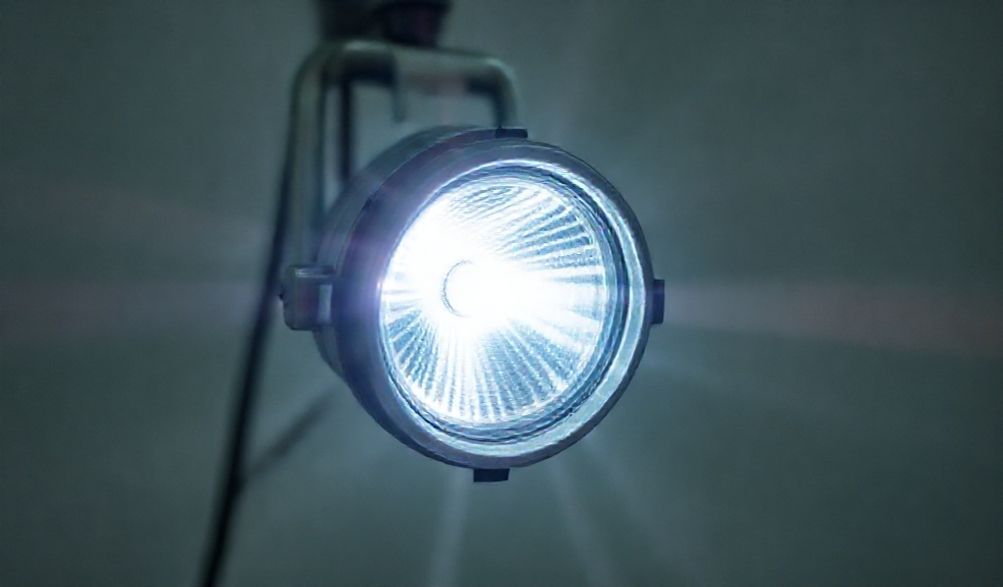
The Ultimate Guide to Medical Headlights: Enhancing Precision in Patient Care
Imagine this: you’re performing a delicate root canal, navigating the intricate anatomy of a tooth. Or perhaps you’re in the OR, dissecting tissue in a deep, narrow cavity during a spinal procedure. In dermatology, you’re evaluating a subtle pigmented lesion. The common thread? Your success hinges on one fundamental element: light. In the shadowy recesses of the human body, inadequate illumination isn’t just an inconvenience—it’s a barrier to accuracy, a risk to safety, and a limit on the quality of care you can provide.
In medicine and surgery, visibility is synonymous with precision. It is the foundation upon which diagnoses are confirmed, anatomical structures are identified, and meticulous interventions are performed. This is where the medical headlight transitions from a simple tool to a critical extension of a clinician’s senses. Far more sophisticated than a common flashlight, a modern medical headlight is an ergonomic, high-performance illumination system designed to deliver brilliant, focused light exactly where it’s needed, all while keeping the practitioner’s hands completely free.
This comprehensive guide is designed to be your definitive resource. Compiled from industry standards, clinical best practices, and expert insights, it will empower surgeons, dentists, ENTs, dermatologists, veterinarians, and all procedural specialists to make an informed decision. We will demystify the technology, break down the essential features, and provide practical advice on selection, use, and maintenance, ensuring your investment enhances your practice for years to come.
What is a Medical Headlight and Why is it Essential?
Defining the Tool
A medical headlight is a wearable, hands-free illumination system specifically engineered for clinical and surgical applications. At its core, it consists of a light source mounted on an adjustable headband or frame, often connected to a power source. This simple yet profound design liberates the clinician from holding a light, allowing for bimanual dexterity and unwavering visual focus on the procedural field.
Core Benefits & Clinical Applications
The adoption of a quality medical headlight delivers transformative benefits that directly impact patient care and clinical workflow.
- Precision & Accuracy: Eye strain and fatigue are common when struggling to see in suboptimal light. A medical headlight delivers a concentrated beam that eliminates shadows and dramatically improves contrast. This reduces cognitive load and visual fatigue, allowing you to discern fine details—be it a tiny nerve filament, a microvascular anastomosis, or a crack in a tooth—with greater confidence and accuracy.
- Hands-Free Operation: This is the non-negotiable advantage. Whether you’re holding a scalpel, a dental handpiece, an otoscope, or surgical retractors, both hands are occupied. A headlight ensures perfect, consistent illumination that moves intuitively with your line of sight, without requiring an assistant to adjust a overhead lamp or you to compromise your posture.
- Enhanced Patient Safety: Better visualization is a direct contributor to patient safety. Clear sight of margins, structures, and pathological tissues minimizes the risk of inadvertent damage to healthy areas, reduces procedural time, and can lead to fewer complications and improved healing outcomes.
- Specialist Applications: The utility of medical headlights spans a wide range of disciplines:
- Odontología: For endodontics, restorative work, oral surgery, and hygiene.
- Surgery: Especially in plastic, reconstructive, neurosurgery, orthopedic, and general surgery where deep or narrow cavities are common.
- Otolaryngology (ENT): Essential for examinations and procedures of the ear, nose, and throat.
- Dermatología: For detailed skin examinations, biopsies, and cosmetic procedures.
- Medicina Veterinaria: Providing critical light for surgeries and examinations on animal patients.
Key Features to Consider When Choosing a Medical Headlight
Selecting a medical headlight is not a one-size-fits-all decision. The “best” model is the one that aligns perfectly with your specific procedural needs, ergonomic preferences, and clinical environment. Here are the critical features to evaluate.
Light Source Technology: LED vs. Halogen
The heart of any headlight is its light source, and here, technology has made a decisive shift.
- LED (Light Emitting Diode): The modern standard. LEDs offer a cooler operating temperature (preventing patient tissue drying and clinician discomfort), an exceptionally long lifespan (often 20,000-50,000 hours), and superior energy efficiency. They provide a consistent color temperature immediately upon turning on, with no warm-up time. For nearly all new purchases, LED is the recommended and future-proof choice.
- Halógena: The traditional technology. Halogen bulbs produce a very warm, yellowish light and generate significant heat. Their lifespan is much shorter (typically 50-100 hours), and they gradually dim over time. While some practitioners are accustomed to their light quality, the operational and maintenance drawbacks make them a less favorable option today.
Brightness and Beam Characteristics
Understanding specifications like lumens and lux is key to matching a light to your task.
- Lumens & Lux: Lumens measure the total amount of visible light emitted. El lux measures illuminance—how much of that light falls on a specific area at a given distance. For medical use, lux is often more meaningful. For example, a general dental examination might require 10,000-20,000 lux, while high-magnification microsurgery could demand 40,000-150,000+ lux for exceptional shadow reduction and detail.
- Spot Size & Focus: Consider the beam pattern. An adjustable focus allows you to change from a wide, flood beam for a larger field (e.g., wound debridement) to a tight, spot beam for deep cavity work (e.g., sinus surgery). Fixed-focus beams are simpler but less versatile.
- Color Temperature (CCT): Measured in Kelvins (K), this describes the “warmth” or “coolness” of light. For clinical accuracy, a neutral daylight white (4500K-5500K) is crucial. This spectrum provides optimal color rendition, allowing you to see true tissue colors—distinguishing between arterial blood, venous blood, fat, and fascia with confidence. Lights that are too yellow (low K) or too blue (high K) can distort these critical visual cues.
Comfort and Ergonomics
A headlight you can’t wear comfortably is a headlight you won’t use effectively, especially during long procedures.
- Peso y equilibrio: The total system weight (headpiece, cable, battery) and its distribution are paramount. A well-balanced headlight, often with a rear counterweight or a separate battery pack, feels lighter and prevents neck strain.
- Estilos con Banda para la Cabeza: Look for fully adjustable, padded headbands. Features like moisture-wicking material, a secure ratchet or dial-adjust system, and a design that accommodates loupes, glasses, or surgical caps are important. Some models offer alternative mounts like clip-on frames for glasses.
- Gestión de Cables: The cable connecting the headpiece to the battery can be a snag hazard. Well-designed systems have lightweight, flexible cables that can be routed comfortably under a surgical gown. Integrated battery packs on the headband offer ultimate mobility but add weight.
Power Source and Mobility
Your power choice dictates your freedom of movement and procedural endurance.
- Battery Life & Type: Las baterías de iones de litio recargables are the norm, offering high capacity, no memory effect, and reliable performance. Key questions: What is the runtime at your typical brightness setting? Does it have a clear battery level indicator (e.g., LED lights)? How long does a full recharge take? Always have a backup battery for uninterrupted workflow.
- Wired vs. Cordless Systems:
- Cordless (Battery on Headband or Belt): Offers complete, unrestricted mobility—ideal for procedures where you move around the patient or in non-sterile settings. Limited by battery runtime.
- Wired (Wall Plug or Large Console): Provides unlimited, consistent power with no runtime anxiety, often at a higher maximum brightness. The cable can restrict movement and requires management.
How to Use and Maintain Your Medical Headlight for Optimal Performance
Proper use and care protect your investment, ensure reliable performance, and are integral to infection control.
Proper Fitting and Adjustment
- Asegurar la banda para la cabeza: Position the headband so it sits comfortably around the crown of your head, above your ears and eyebrows. Adjust the ratchet or strap for a snug, secure fit that won’t slip during movement but isn’t overly tight.
- Align the Light Path: The goal is coaxial illumination—the light beam should be aligned with your dominant eye’s line of sight. Loosen the light module’s adjustment knobs. Look straight ahead at your intended focal point (e.g., a spot on a wall). Adjust the light module up/down and left/right until the center of the bright hotspot is exactly in the center of your vision. Tighten the knobs to lock it in place.
Protocolo de Limpieza y Desinfección Rutinaria
This is a critical patient safety and compliance issue. You must always follow your facility’s infection control policies and the manufacturer’s Instrucciones de Uso (IFU) del fabricante. Never assume a cleaning method is safe.
- General Principle: Most headlight headpieces and cables are designed for non-sterile, clean use. They should be disinfected between patients using a hospital-grade disinfectant wipe compatible with the device materials. Carefully wipe all surfaces, avoiding excessive moisture near vents or joints.
- Sterile Field Use: If you need to use the headlight within a sterile surgical field, you debe use a system and accessory specifically designed and validated for this purpose. This typically involves a sterile, disposable drape or sleeve that completely encloses the headlight unit. The IFU will provide the exact draping and aseptic transfer technique.
Cuidado de la Batería y Almacenamiento a Largo Plazo
- For lithium-ion batteries, avoid fully draining them to 0% regularly. Partial discharge cycles (e.g., from 100% to 20-30%) are better for long-term health.
- If storing the headlight for an extended period, charge the battery to approximately 50-60% and store in a cool, dry place.
- Use only the manufacturer-provided or approved charger.
Solución de Problemas Comunes
- Dim Light or Flickering: Check battery charge first. If using a wired system, check all cable connections. For halogen models, the bulb may be near the end of its life.
- Failure to Power On: Verify battery installation/charge, check for loose cables, and ensure the power switch is fully engaged. Consult the IFU for reset procedures.
Frequently Asked Questions (FAQ) About Medical Headlights
Q1: What is the typical battery life for a cordless LED medical headlight?
R: La duración de la batería varía significativamente según el modelo y el ajuste de brillo utilizado. Los sistemas LED modernos suelen ofrecer entre 4 to 10 hours of continuous runtime on a single charge at medium-to-high settings. Always check the specific product specifications, as some high-power models may have shorter runtimes, and lower settings can extend use.
Q2: Can medical headlights be used in sterile surgical fields?
R: This is a crucial distinction. Standard medical headlights are for clean, non-sterile use only. However, many systems are designed to be used in a sterile field when paired with a validated, sterile disposable drape or sleeve. You must use a model and accessory specifically intended for this purpose and follow strict aseptic technique for draping. Never introduce a non-sterile device into a sterile field.
P3: ¿Cómo sé qué brillo (lúmenes/lux) necesito?
R: Match the light output to your procedural depth and the level of detail required. As a general guide:
* General examinations & procedures: 10,000 – 30,000 lux.
* High-precision dentistry & minor surgery: 30,000 – 60,000 lux.
* Microsurgery & deep-cavity work: 60,000 – 150,000+ lux.
The best advice is to consult with colleagues who perform similar work, request a clinical demonstration from a supplier, or speak directly with manufacturer representatives who can provide procedure-specific recommendations.
Q4: Are medical headlights comfortable to wear with loupes or glasses?
R: Yes, most high-quality models are designed with this compatibility in mind. Look for headbands with a high crown clearance or adjustable arches that sit comfortably above the frames of your loupes or glasses. The light module should also have enough vertical adjustment to align properly with your line of sight when wearing optical aids. Trying a demo unit is always the best way to assess comfort and fit.
Q5: How long do LED medical headlights typically last?
R: The LED module itself is incredibly durable, often rated for 20,000 to 50,000 hours of use—which translates to decades of normal clinical use. The overall system lifespan is more dependent on the care of the rechargeable battery (which may need replacement every few years), the integrity of cables and connectors, and general physical handling. With proper maintenance, a quality LED headlight can be a long-term asset to your practice.
Conclusión
A medical headlight is far more than a simple piece of equipment; it is a vital investment in your clinical capability. By delivering brilliant, hands-free illumination, it directly enhances procedural precision, reduces operator fatigue, and contributes to superior patient safety and outcomes. From the dentist illuminating a subgingival margin to the surgeon navigating a complex reconstruction, the right light is an indispensable partner.
Remember, the core principle of selection is alignment: the best medical headlight for you is the one that fits your specific procedural demands, personal ergonomic comfort, and institutional infection control protocols. We strongly recommend leveraging this guide as a framework for your evaluation, consulting with experienced peers, and, whenever possible, seeking hands-on demonstrations from reputable manufacturers. Prioritize devices from companies that provide clear Instructions for Use, robust clinical support, and a commitment to quality. By making an informed choice, you equip yourself with a tool that will illuminate the path to better care, procedure after procedure.
p>