
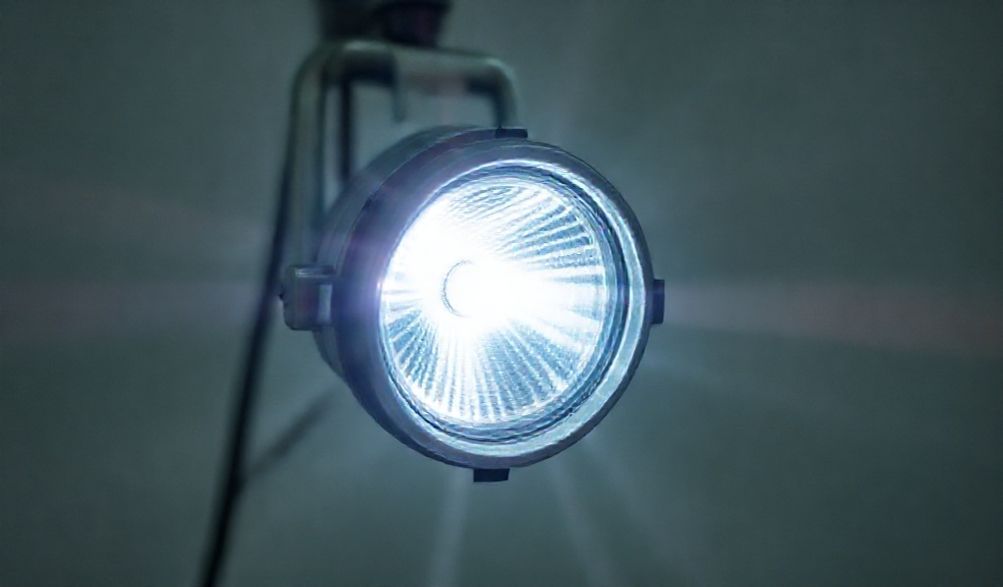
The Ultimate Guide to Medical Headlights: Enhancing Precision in Patient Care
In the high-stakes world of medicine, where millimeters can determine outcomes and clarity is non-negotiable, visualization is everything. From the intricate suturing of a microvascular flap to the detailed examination of a tympanic membrane, the ability to see clearly is the foundation of accurate diagnosis and intervention. While operating room lights are essential, they cast shadows and can be obstructed by the surgeon’s own head and hands. So, what is the single tool that bridges this gap, dramatically improving accuracy, reducing eye strain, and enhancing procedural outcomes? The answer is the specialized medical headlight.
This comprehensive guide is designed to be your definitive resource. Whether you are a medical student assembling your first kit, a seasoned surgeon evaluating an upgrade, or a procurement specialist sourcing equipment for a clinic, we will navigate the critical features, applications, and selection criteria for modern medical headlights. Our goal is to provide expert-driven, trustworthy information to empower you to choose the optimal medical headlight for your specific needs, ensuring you have the precision illumination required for exceptional patient care.
What is a Medical Headlight? Defining Modern Procedural Illumination
A medical headlight is a personal, head-mounted illumination system designed to provide bright, focused, and shadow-free light directly into a surgical field or examination area. It is the antithesis of passive, ambient lighting; it is an active tool that puts controllable light exactly where the practitioner needs it, the moment they need it.
Beyond the Traditional Overhead Light: The Need for Personal, Directed Light
Overhead surgical lights are marvels of engineering, offering broad, intense illumination. However, they have inherent limitations. They create shadows when a practitioner leans in, their light path can be blocked by instruments or assistants, and they cannot illuminate deep cavities—like the sinuses or the depths of a wound—without causing glare on the surface. A medical headlight solves these problems by moving the light source with the user’s head. Wherever you look, the beam follows, providing consistent, coaxial illumination that minimizes shadows and reveals depth and texture that overhead lights cannot.
Core Components and How They Work
Understanding the basic anatomy of a medical headlight demystifies its operation:
- Índice de Reproducción Cromática (IRC): Modern systems almost exclusively use Light Emitting Diodes (LEDs). LEDs are favored for their cool operation, long lifespan, energy efficiency, and ability to produce a consistent, daylight-quality beam. Older halogen systems are heavier, run hotter, and have shorter bulb life.
- Banda para la Cabeza: This is the foundation of comfort and stability. A good headband is adjustable, well-padded, and designed to distribute weight evenly across the head to prevent fatigue during long procedures.
- Light Module/Reflector: This housing contains the LED and the optical system (lenses or reflectors) that shape the light. It is typically mounted on an adjustable arm or a pivoting connection to the headband, allowing the user to precisely position the beam.
- Power Source: Power is delivered via a lightweight cord from a rechargeable battery pack (usually worn on a belt or placed in a pocket) or, in simpler models, from a wall outlet. The choice here balances mobility with unlimited runtime.
The system’s magic lies in its integration: a comfortable, stable platform holds a powerful, cool, and focusable light source, freeing the user’s hands and mind to concentrate solely on the patient.
Key Applications and Specialties for Medical Headlights
The utility of a medical headlight extends far beyond a single discipline. It is a fundamental tool in any specialty where detailed visualization in a confined or poorly lit space is paramount.
Cirugía y Microcirugía
In surgical specialties, the medical headlight is often considered as essential as a scalpel.
- Otolaryngology (ENT): Essential for procedures in the nasal cavity, sinuses, pharynx, and ears. The headlight illuminates deep, narrow passages where overhead light cannot reach.
- Ophthalmology & Oculoplastics: Provides critical side illumination for surface procedures and delicate surgeries around the eye, minimizing shadows cast by microscope or overhead lights.
- Neurosurgery & Spine Surgery: Used for illuminating deep surgical corridors, especially in minimally invasive approaches where exposure is limited.
- Cirugía Plástica y Reconstructiva: Crucial for identifying subtle tissue planes, assessing flap perfusion, and performing intricate suturing under high precision.
Clinical Examination and Dentistry
Outside the OR, medical headlights bring hospital-grade illumination to the clinic.
- Primary Care & Emergency Medicine: For thorough examinations of the throat, ears, skin lesions, and wounds. The hands-free design allows for simultaneous palpation and instrumentation.
- Dermatología: Enhances the evaluation of skin texture, pigmentation, and vascular structures during full-body exams or procedures.
- Odontología: A cornerstone of dental practice for illuminating the oral cavity. Modern dental headlights are often lightweight, cordless, and integrated with magnification loupes.
Veterinary Medicine and Other Technical Fields
The principles of hands-free, precision illumination translate seamlessly to veterinary surgery and other technical fields like electronics repair, jewelry making, and forensic examination, where seeing fine detail is critical.
Critical Features to Consider When Choosing a Medical Headlight
Seleccionar una medical headlight is not a one-size-fits-all decision. The right choice depends on a careful evaluation of several performance and ergonomic factors.
Light Source and Performance Metrics
This is the heart of the system.
* LED vs. Halogen: LED is the modern standard—cooler, more efficient, and longer-lasting.
* Light Output: Se mide en lux (illuminance at the target) or Salida de (total light emitted). For deep cavity work, a high lux rating (e.g., 40,000+ lux) is key. For broader field examinations, a high lumen output with a wider beam may be preferable.
* Temperatura de Color: Measured in Kelvin (K). A daylight temperature (4500K-5500K) is essential as it provides neutral white light that renders tissue colors accurately, helping distinguish between arteries, veins, and different tissue types.
* Beam Pattern & Focus: Adjustable focus from a tight proporciona alta intensidad para trabajos profundos. Una for deep penetration to a wide ofrece una cobertura más amplia para exámenes. Algunos sistemas ofrecen patrones ajustables o híbridos. for a larger field of view is a valuable feature. The beam should have even illumination with a soft edge to reduce harsh contrasts.
Ergonomics and Comfort Design
A headlight you can’t wear comfortably is a headlight you won’t use effectively.
* Peso y equilibrio: The total system weight (headband, light module, battery) and its distribution are critical. A well-balanced system feels lighter.
* Banda para la Cabeza: Look for adjustable, padded bands with secure but comfortable fit. Some feature a dial-adjustment system for a perfect, stable fit.
* Disipación de Calor: Even LEDs generate some heat. Effective heat sinking in the light module prevents discomfort on the forehead.
Power System and Mobility
Your power choice defines your freedom of movement.
* Rechargeable Battery Packs: The most common solution. Consider battery life at your typical light intensity (e.g., 4-8 hours). A belt-clip battery offers good balance; a heavier, higher-capacity battery may be needed for all-day surgery.
* Corded (Wall Plug) Systems: Provide unlimited runtime and eliminate battery management but tether the user to an outlet, limiting mobility.
* Sistemas Inalámbricos: Integrated, rechargeable batteries in the headband offer maximum freedom but often have shorter runtimes and can affect front-heaviness.
Durability and Ease of Maintenance
Medical equipment must withstand rigorous use and cleaning.
* Calidad de Construcción: Look for robust materials that can withstand occasional drops.
* Cleaning & Sterilization: The light module and headband must be easily wipeable with hospital-grade disinfectants. Some components may be autoclavable or come with disposable protective covers. Always follow the manufacturer’s specific cleaning protocols.
How to Select the Right Medical Headlight: A Buyer’s Guide
Armed with knowledge of the features, how do you make the final decision? This buyer’s guide provides a practical, unbiased framework.
Matching the Headlight to Your Primary Use Case
Create a simple mental checklist:
* For Deep Cavity Surgery (ENT, Neurosurgery): Priorice high lux output (strong spotlight), excellent depth of field, and a comfortable headband for long procedures. A corded or high-capacity battery system is wise.
* For Clinical Examination & Dentistry: Priorice lightweight design, good flood illumination, y cordless or highly mobile power. Comfort for frequent on/off use is key.
* For Microsurgery or Procedures Requiring Magnification: Consider an integrated loupe-headlight system where the light is perfectly aligned with the magnified field of view.
Budget vs. Investment: Understanding the Cost Spectrum
Medical headlights range from under \$200 for basic clinical models to several thousand dollars for high-power, feature-rich surgical systems. Frame the cost not as an expense, but as a long-term investment in your practice’s capability, your own comfort, and most importantly, in patient safety and outcomes. A reliable, high-quality light pays dividends over years of use.
Trying Before Buying: The Importance of Demos and Trials
This is non-negotiable. Contact suppliers or manufacturers to arrange a demo or trial period. Wear the headlight for an extended period, adjust the beam, and simulate your typical workflow. Does it feel balanced? Is the light crisp and comfortable for your eyes? Does the headband stay secure? Personal experience is the ultimate test.
con un alto IRC (>93) y temperatura de color de luz diurna (5500K-6000K). Los modelos más simples y rentables suelen ser perfectamente adecuados.
To ensure peak performance and longevity, proper use and care are essential.
Proper Setup and Adjustment for Optimal Illumination
- Balance the Headband: Adjust the headband so it sits securely but comfortably, with the weight distributed evenly. The light module should not pull the front down.
- Position the Light Module: Adjust the arm so the light source is centered just above your eyebrows. The beam should project straight ahead from your line of sight.
- Set the Focus: Adjust the beam to the desired spot size for your task. Practice focusing on objects at different distances to understand the system’s depth of field.
Cleaning, Sterilization, and Battery Care Protocols
Patient safety and device integrity depend on this.
* Always refer to the manufacturer’s instructions for cleaning (IFU). They are the final authority.
* Generally, disconnect all power before cleaning.
* Wipe down the headband and light module housing with a soft cloth dampened with an approved hospital disinfectant. Avoid excess moisture near lenses or ports.
* For battery packs, follow charging guidelines—avoid complete discharges and store in a cool, dry place. Have a charged backup battery ready for long procedures.
Solución de Problemas Comunes
- Luz Atenuada: Usually indicates a low battery. If persistent with a charged battery, check connections or contact the manufacturer.
- **Batería que no mantiene la carga:** Batteries have a finite lifespan (typically 2-3 years with regular use). It may be time for a replacement.
- **Ajuste incómodo:** Re-adjust the headband for even pressure distribution. Consider aftermarket padding if allowed by the manufacturer.
Sección de Preguntas Frecuentes
Q1: What is the typical battery life for a rechargeable medical headlight?
R: Battery life varies widely by model and light intensity setting, ranging from 2 to 10+ hours on a single charge. For surgical use, always have a fully charged backup battery or a corded backup plan for long, unpredictable procedures.
Q2: Can medical headlights be used for non-medical purposes?
R: Aunque están diseñados para cumplir con estándares médicos, su iluminación de alta calidad y manos libres los hace excelentes para cualquier tarea técnica detallada: reparación de electrónicos, manualidades, construcción de modelos o cuidado veterinario. Sin embargo, verifique la garantía del fabricante, ya que puede cubrir únicamente el uso médico previsto.
P3: ¿Cómo sé si la intensidad y el color de la luz son correctos?
R: La luz debe ser lo suficientemente brillante para revelar detalles finos sin causar deslumbramiento o fatiga visual. El color debe hacer que los tejidos se vean naturales; una temperatura de “luz diurna” (4500K-5500K) es el punto de referencia. La mejor forma de evaluarlo es mediante una demostración práctica.
P4: ¿Existen estándares de seguridad específicos para los frontales médicos?
R: Sí. Los frontales médicos de buena reputación deben cumplir con los estándares de seguridad internacionales para equipos eléctricos médicos, como la norma IEC 60601-1. Siempre compre a proveedores certificados y de confianza, y verifique la documentación de conformidad.
P5: ¿Cuál es la diferencia entre un frontal médico y unas lupas quirúrgicas con luz?
R: A medical headlight proporciona iluminación. Las lupas quirúrgicas proporcionan aumento. Son herramientas distintas con propósitos diferentes. Muchos profesionales las usan juntas, y algunos sistemas integran ambas en un solo marco. La elección depende de si necesita mejor luz, aumento o ambos.
Conclusión
A medical headlight es mucho más que un accesorio; es un instrumento fundamental de precisión que extiende el sentido más crítico del profesional: la vista. El camino para seleccionar el adecuado implica un equilibrio cuidadoso entre las exigencias de su especialidad, las especificaciones de rendimiento, las necesidades ergonómicas y las consideraciones presupuestarias. No existe un solo frontal “mejor”, solo el mejor frontal para usted y su práctica específica.
Esperamos que esta guía haya iluminado los factores clave—desde la iluminación LED y la profundidad de campo hasta duración de la batería y la hasta los protocolos de limpieza—que le permitirán tomar una decisión segura e informada. Al invertir tiempo en evaluar sus necesidades, consultar con colegas y probar el equipo de primera mano, está invirtiendo en una herramienta que mejorará su visualización, reducirá su fatiga y, en última instancia, contribuirá a una atención al paciente superior en los años venideros. Utilice esta guía como su punto de referencia y avance hacia la luz de una mayor precisión.
p>