
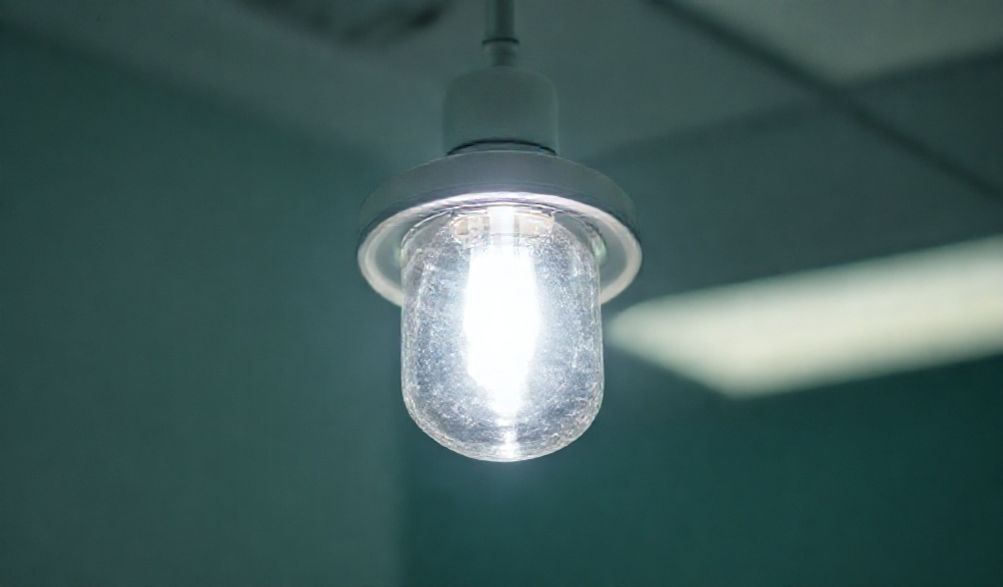
The Ultimate Guide to Medical Lamps: Enhancing Patient Care & Clinical Precision
In the high-stakes world of healthcare, where a millimeter can be the difference between success and complication, clarity is non-negotiable. While often overshadowed by more complex technologies, the medical lamp stands as a foundational pillar of modern medicine. Far more than a simple light source, it is a precision instrument, a diagnostic ally, and a critical component of patient and provider safety. This guide is crafted by professionals with deep expertise in medical equipment procurement and clinical environments. We draw upon years of hands-on experience, manufacturer specifications, and clinical ergonomic studies to provide a trustworthy, comprehensive resource. Whether you’re a healthcare administrator outfitting a new surgical suite, a practicing surgeon demanding optimal visualization, or a home caregiver ensuring proper wound inspection, understanding the nuances of medical lighting is essential. We’ll illuminate the key features, applications, and selection criteria to help you make an informed, evidence-based decision that enhances outcomes and operational efficiency.
What is a Medical Lamp? Core Functions and Importance
A medical lamp is engineered to meet the rigorous demands of clinical environments, where standard commercial lighting fails. Its purpose transcends basic visibility, aiming to replicate natural daylight conditions with extreme accuracy to support critical visual tasks.
Beyond Illumination: The Role of Light in Clinical Settings
The gap between a standard office lamp and a medical-grade light is vast. Commercial lighting prioritizes energy efficiency and ambient comfort. Medical lighting, however, is task-oriented, designed for:
- Visualization Accuracy: Providing intense, focused light to reveal minute details—from a tiny nerve fiber during microsurgery to subtle capillary refill in a wound bed.
- True Color Rendition: Accurately representing the colors of tissues, blood, organs, and skin. Misinterpretation due to poor lighting can have serious diagnostic consequences.
- Shadow Reduction & Control: Eliminating or managing shadows cast by the clinician’s head and hands, which can obscure the field of view, particularly in deep cavities.
This trifecta of objectives ensures that what the clinician sees is a faithful, detailed representation of reality, forming the basis for accurate diagnosis and intervention.
Key Stakeholders and Users: Who Relies on Medical Lamps?
The application of specialized lighting spans the entire spectrum of care:
* Surgeons and Operating Room Teams: Require overhead surgical lights for deep-cavity illumination during lengthy, complex procedures.
* Dentists and Dental Hygienists: Depend on operatory lights to illuminate the confined, shadow-prone oral cavity for procedures ranging from cleanings to restorative surgery.
* Veterinarios: Need versatile surgical and de examen versátils adaptable to various animal sizes and table heights.
* Aestheticians and Dermatologists: Rely on lights with exceptional color rendering to accurately assess skin tones, lesions, and vascular structures for treatments like laser therapy or filler injections.
* Home Healthcare Providers and Patients: Utilize clinical-grade examination lights for ongoing wound care, medication administration, or monitoring chronic conditions outside a clinical setting.
Types of Medical Lamps and Their Specific Applications
Medical lamps are highly specialized, with design and performance tailored to specific clinical tasks.
Surgical Overhead Lights
The workhorses of the operating room, these ceiling-mounted systems are engineered for major surgery. Key characteristics include:
* Iluminación de Cavidades Profundas: Ability to project bright, uniform light into body cavities without excessive heat.
* Advanced Shadow Management: Often achieved via multiple LED arrays or reflector systems that “fill in” shadows from different angles.
* Compatibilidad con Esterilización: Designs feature sealed, smooth surfaces that can withstand frequent cleaning with harsh disinfectants.
LED vs. Halogen: The industry has largely shifted to LED. LEDs offer superior longevity (50,000+ vs. 2,000 hours), significantly lower heat output (reducing tissue desiccation and staff discomfort), and more consistent color temperature over their lifespan. While halogen lights may have a marginally lower upfront cost, the total cost of ownership favors LED due to bulb replacement and energy costs.
Examination Lights (Clinical and Diagnostic)
These are the versatile tools for patient assessment. Used in exam rooms, emergency departments, and bedside wards, they prioritize flexibility and clarity.
* Applications: General physical exams, ENT procedures, wound inspection and dressing, and minor outpatient procedures.
* Características Clave: Adjustable intensity to suit different tasks, high Color Rendering Index (CRI >90), portability (for floor-standing models), and easy-to-position articulating arms.
Specialized Procedure Lamps
This category includes lights fine-tuned for niche fields.
Luces para Consultorio Dental
Designed to illuminate the oral cavity without blinding the patient or clinician. They feature a focused beam, often with a cool color temperature (~5500K) to mimic daylight, and anti-glare diffusers. Maneuverability is key, as the light must position precisely despite the constant movement of the dentist and patient.
Dermatology and Aesthetic Lights
Here, color accuracy is paramount. Lights must reveal the true subtleties of erythema (redness), pigmentation, and vascular structures. High-CRI LED arrays with adjustable color temperatures allow practitioners to simulate different lighting conditions to best evaluate skin concerns.
Luces Quirúrgicas Veterinarias
These lights must accommodate a wide range of scenarios—from a spay on a cat to orthopedic surgery on a horse. They often have extraordinary reach, height adjustment range, and robust construction to handle busy practice environments. Shadow reduction remains critical, as animal positioning can be less predictable.
Critical Features to Consider When Choosing a Medical Lamp
Selecting a lamp requires evaluating a suite of technical and practical specifications.
Métricas de Rendimiento Lumínico
These numbers define the quality of light.
Luminance and Lux Levels
Luminance (brightness) is measured in lux. Different tasks have different requirements:
* General Examination: 1,000 – 2,000 lux
* Minor Procedures/Suturing: 5,000 – 10,000 lux
* Major Surgery (Deep Cavity): 20,000 – 40,000+ lux
Ensure the lamp can deliver adequate, uniform lux across the entire field of view without dangerous “hot spots.”
El Índice de Reproducción Cromática (IRC)
CRI measures a light source’s ability to reveal the true colors of objects compared to natural light. In medicine, a CRI of 90 or higher is essential. A low CRI can make oxygenated blood (bright red) and deoxygenated blood (darker red) look similar, or mask the subtle cyanosis (bluish discoloration) of a compromised limb.
Color Temperature (Kelvin)
Measured in Kelvins (K), this describes the light’s “warmth” or “coolness.”
* Cool White (4000K – 5500K): The clinical standard. It promotes alertness, enhances contrast, and is closest to midday sunlight, reducing eye strain during long procedures.
* Warm White (3000K – 3500K): Sometimes used in patient recovery areas for a more calming atmosphere but is less suitable for critical visual tasks.
Design, Ergonomics, and Safety
Performance is useless if the lamp is difficult or unsafe to use.
Maneuverability and Positioning
The lamp should move effortlessly and stay precisely where you put it. Evaluate:
* Alcance y Articulación: Does it cover the entire workspace (e.g., surgical table, dental chair)?
* Balance and Stability: Does the arm drift or require constant re-tightening?
* Ease of Adjustment: Can it be repositioned easily while maintaining a sterile field (often via handles that can be operated with the back of the hand or elbow)?
Heat Dissipation and Patient Comfort
Radiant heat from the lamp can dry out exposed tissues (desiccation) and cause patient discomfort. Modern LED systems excel here, directing heat away from the light beam through advanced heat sinks, unlike halogen bulbs which radiate heat downward.
Hygiene and Infection Control
In an era of stringent infection prevention, the lamp’s design must support cleaning.
* Diseño Sellado: No crevices where contaminants can lodge.
* Cleanroom Compatibility: Materials and construction that won’t shed particles.
* Wipe-Down Surfaces: Smooth, non-porous surfaces that can withstand daily cleaning with hospital-grade disinfectants without degrading.
The Expert’s Guide to Selection, Installation, and Maintenance
A Step-by-Step Selection Framework for Your Practice
- Assess Needs: List your primary procedures. Is it deep-cavity abdominal surgery, dental restoration, or dermatological exams? Define the required lux, CRI, and field size.
- Evaluate Space: Measure ceiling height, room layout, and workflow patterns. Can a ceiling-mounted light service all needed areas, or is a mobile floor stand more versatile?
- Create a Checklist: Build a decision matrix weighting factors like performance (40%), ergonomics (25%), hygiene (20%), and budget (15%).
- Verifique las Certificaciones: This is non-negotiable. Look for la IEC 60601-1 (safety standard for medical electrical equipment), Marcado CE (EU compliance), and relevant FDA classifications. These ensure the device is safe for patient use.
Installation Best Practices and Workflow Integration
- Montado en Techo: Offers the largest range of motion, keeps floors clear, and is ideal for dedicated ORs and procedure rooms. Requires professional installation.
- De Pie: Provides ultimate flexibility and portability, perfect for multi-purpose rooms or clinics with changing layouts. Ensure the base is stable and wheels can be locked.
- Montado en Pared: A space-saving solution for exam rooms or above headboards in patient rooms, offering good localized light.
Placement should allow the clinician to position the light without breaking sterility or contorting into awkward postures.
Routine Maintenance and Safety Checks
Proactive maintenance ensures reliability and safety.
* Diariamente: Wipe down all external surfaces with a manufacturer-approved disinfectant.
* Semanalmente/Mensualmente: Check arm tension and smoothness of movement. Inspect cables and housings for damage.
* Semi-Annually/Annually: Realizar una verificación formal de seguridad y rendimiento, idealmente por un técnico calificado. Esto debe verificar la salida de luz (niveles de lux), la consistencia de la temperatura de color, la seguridad eléctrica y la integridad de todos los componentes mecánicos.
Sección de Preguntas Frecuentes
P1: ¿Cuál es la vida útil típica de una lámpara médica LED en comparación con una halógena?
R: Según datos del fabricante y uso en condiciones reales, las lámparas médicas LED de alta calidad suelen ofrecer entre 50.000 y 60.000 horas de uso, superando ampliamente a las bombillas halógenas, que pueden durar solo entre 1.000 y 2.000 horas. Esto se traduce en importantes ahorros de costos a largo plazo en reemplazos y en una reducción del tiempo de inactividad operativo.
P2: ¿Cómo beneficia un Índice de Reproducción Cromática (IRC) alto a un cirujano?
R: Un IRC alto (90+), un punto enfatizado por los estándares de iluminación quirúrgica, permite al cirujano distinguir entre tonos sutiles de rojo, azul y amarillo en los tejidos y la sangre. Esta precisión es crucial para identificar estructuras anatómicas, evaluar la viabilidad del tejido (por ejemplo, tejido isquémico vs. tejido sano) y controlar el sangrado, impactando directamente en la precisión quirúrgica y la seguridad del paciente.
P3: ¿Puedo usar una lámpara LED estándar brillante para procedimientos médicos menores en casa?
R: Si bien una lámpara brillante puede ayudar, no es un sustituto de un dispositivo de grado médico. Las lámparas médicas domésticas diseñadas para el cuidado de heridas o tratamientos priorizan una precisión cromática específica (IRC alto), un enfoque ajustable para minimizar sombras y, a menudo, temperaturas de color más frías para un mejor contraste. Para cualquier cuidado serio, siempre se recomienda consultar a un profesional de la salud sobre el equipo apropiado.
P4: ¿Cuáles son las certificaciones de seguridad más importantes a buscar?
R: Las lámparas médicas de buena reputación deben contar con las certificaciones regionales pertinentes. Las marcas clave incluyen la marca CE (Europa), registro de la FDA (EE. UU., para ciertas clases), y el cumplimiento de la norma la IEC 60601-1, IEC 60601-1.
, la norma internacional para la seguridad de equipos eléctricos médicos. Estas demuestran que el producto ha sido sometido a pruebas rigurosas de seguridad eléctrica, mecánica y térmica en un entorno clínico.
R: P5: ¿Con qué frecuencia se debe dar servicio a una lámpara médica?.
Conclusión
Siempre siga el programa de mantenimiento específico del fabricante. En general, se requiere una limpieza diaria con desinfectantes aprobados. Una inspección más exhaustiva de las uniones mecánicas, el equilibrio y la salida de luz debe ser realizada trimestral o semestralmente por personal calificado para garantizar un rendimiento constante y confiable, y el cumplimiento de las especificaciones originales.
p>