
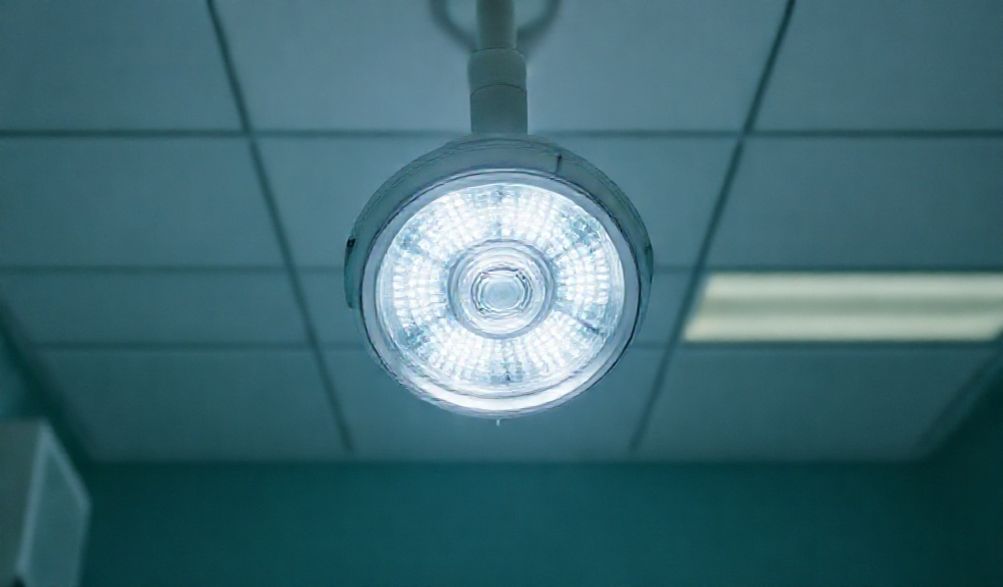
Medical Lighting: A Comprehensive Guide to Enhancing Healthcare Outcomes
In the high-stakes world of healthcare, every detail matters. From the precision of surgical instruments to the protocols for infection control, each element is meticulously scrutinized for its impact on patient outcomes. Yet, one critical component often remains in the shadows: medical lighting. Far more than a simple utility, specialized medical lighting is a foundational technology that directly influences diagnostic accuracy, surgical precision, staff performance, and patient healing. This guide illuminates the science, standards, and strategic importance of medical lighting, providing healthcare administrators, facility managers, and clinicians with the knowledge to make transformative decisions for their environments.
The Critical Role of Lighting in Healthcare Settings
Beyond Illumination: Lighting as a Medical Tool
Light is the primary medium through which clinicians gather visual information. In this context, medical light transitions from a passive utility to an active diagnostic and therapeutic instrument. Accurate visualization is paramount; the ability to distinguish between shades of red in tissue, detect the subtle yellowing of jaundice, or identify the nuances of a dermatological condition hinges on the quality of light. Poor lighting can obscure these details, leading to delayed diagnosis or misinterpretation. Studies have consistently shown a direct correlation between lighting quality and procedural accuracy. In surgical settings, for instance, optimal illumination reduces visual fatigue and enhances depth perception, allowing for more precise maneuvers and potentially reducing operative times and errors.
Impact on Patient Outcomes and Healing
The influence of light extends deeply into human biology, primarily through its regulation of circadian rhythms—our internal 24-hour clock that governs sleep-wake cycles, hormone release, and overall well-being. Traditional, static hospital lighting can severely disrupt these rhythms, contributing to patient disorientation, sleep deprivation, increased stress, and even a condition known as “ICU psychosis.” Research, including studies published in journals like The Lancet y la Critical Care Medicine, demonstrates that implementing human-centric lighting—systems that mimic the dynamic color temperature and intensity of natural daylight—can have profound effects. Patients exposed to such lighting experience improved sleep patterns, reduced levels of depression and agitation, lower perceived pain, and some studies suggest, a decreased average length of hospital stay. Lighting, therefore, becomes a non-pharmacological intervention in the healing process.
Supporting Clinical Staff Performance and Safety
Healthcare professionals work long, demanding hours under intense pressure. Inadequate lighting is a significant source of occupational strain, contributing to eye fatigue, headaches, and overall exhaustion—factors that can compromise both well-being and performance. Task-specific medical lighting, such as high-quality surgical or examination lights, is engineered to mitigate these issues. Key features like exceptional shadow reduction (often through multiple light sources or reflective technology) and high-fidelity color rendering ensure that a clinician’s view is clear, consistent, and true-to-life. This minimizes the risk of visual misinterpretation during critical tasks, from suturing a vessel to reading a patient’s chart, thereby supporting staff safety and reducing the potential for diagnostic or procedural errors.
Key Types of Medical Lighting and Their Applications
Surgical Lighting Systems: Precision in the OR
The operating room demands the pinnacle of medical lighting technology. Modern surgical lights are marvels of optical engineering designed to create a “daylight” environment deep inside the human body. Critical features include:
* Depth of Field & Shadow Management: Advanced systems use multiple LED arrays or reflective cavities to fill shadows cast by surgeons’ hands and instruments, providing uniform illumination even in deep cavities.
* Color Temperature Control: Adjustable color temperature (typically 3000K-5000K) allows surgeons to tailor the light to the procedure, enhancing contrast for specific tissues.
* Compatibilidad con Esterilización: Fixtures must withstand rigorous cleaning with harsh chemicals without degrading.
These systems are governed by stringent international standards, most notably la IEC 60601-2-41, which specifies safety and performance requirements for surgical luminaires.
Examination and Procedure Lighting
Versatility and accuracy define this category. Used in emergency rooms, outpatient clinics, labor & delivery suites, and bedside procedures, these lights must be highly maneuverable and provide exceptional color rendering. A high Índice de Reproducción Cromática (CRI >90) is non-negotiable, as it ensures that a patient’s skin tone, mucosal color, and wound appearance are seen without distortion. Ceiling-mounted track lights, portable floor stands, and wall-mounted articulating arms offer the flexibility needed for dynamic clinical environments.
Ambient and Architectural Lighting for Patient Areas
This is where lighting strategy directly shapes the patient experience. The goal shifts from task-oriented precision to psychological and biological support. Human-Centric Lighting (HCL) designs use tunable LED systems to create dynamic lighting scenes that emulate the natural progression of daylight: bright, cool-white light in the morning to promote alertness, shifting to softer, warmer light in the evening to encourage relaxation and melatonin production. This approach, combined with careful control of glare through indirect lighting and appropriate fixtures, helps regulate patient circadian rhythms and creates a more calming, less institutional atmosphere conducive to recovery.
Specialized Lighting: Dermatology, Dentistry, and Endoscopy
Certain medical fields require light with very specific properties. Dermatology often uses narrow-band UV or blue light for diagnosing and treating conditions like psoriasis or acne. Dental operatory lights are designed for intense, shadow-free illumination of the oral cavity. Endoscopy relies on high-intensity, cool light transmitted through fiber optic cables to illuminate internal structures. Each represents a specialized application of medical light where the spectrum, intensity, and delivery method are tailored to a unique clinical need.
Essential Technical Specifications to Evaluate
Color Rendering Index (CRI) and Color Temperature (CCT)
- Insista en un Measured on a scale of 0-100, CRI indicates how accurately a light source reveals the true colors of objects compared to natural daylight. For any diagnostic or surgical task, a CRI of 90 or higher is essential. A CRI >95 is the gold standard for critical visual tasks like surgery.
- CCT: Measured in Kelvins (K), this describes the “warmth” or “coolness” of white light. In healthcare:
- 4000K – 5000K (Cool White): Promotes alertness and concentration. Ideal for operating rooms, emergency departments, and laboratories.
- 3000K – 3500K (Neutral/Warm White): Creates a calming, comfortable environment. Best for patient rooms, waiting areas, and recovery suites.
Illuminance and Luminance: Measuring Light Output and Glare
- Iluminancia: La cantidad de luz que incide sobre una superficie, medida en lux. Industry guidelines (e.g., IESNA RP-29) recommend specific levels: e.g., 1,000+ lux for general examination, 10,000-100,000 lux for surgical sites.
- Luminance: The brightness of a light source as perceived by the eye, measured in candela per square meter (cd/m²). Controlling luminance is key to preventing deslumbramiento, which causes visual discomfort and fatigue. Good medical lighting design carefully manages luminance through diffusers, baffles, and indirect lighting techniques.
Flicker and Stroboscopic Effect
Low-quality LED drivers can cause rapid, imperceptible fluctuations in light output (flicker), which has been linked to headaches, eye strain, and in severe cases, can trigger neurological events like migraines or seizures. For medical environments, it is imperative to specify libres de parpadeo or “no observable flicker” LED systems that use high-quality drivers.
Certificaciones de Durabilidad, Higiene y Seguridad
- Clasificaciones IP: Los índices de Protección contra Ingressos (por ejemplo, IP44, IP65) definen la resistencia de un dispositivo al polvo y al agua. Las luces en quirófanos, UCIs y áreas de procesamiento estéril deben tener clasificaciones IP altas para permitir una limpieza por lavado fácil y segura.
- Certificaciones de seguridad: Esto es primordial. Busque:
- Certificación UL/ETL: Indica seguridad eléctrica general.
- IEC 60601-1: La norma internacional para la seguridad básica y el rendimiento esencial de los equipos eléctricos médicos. El cumplimiento es obligatorio para los dispositivos utilizados en la “vecindad del paciente”.”
Implementación y Mantenimiento de un Sistema de Iluminación Médica
Planificación e Integración con la Arquitectura Sanitaria
Una implementación exitosa requiere una colaboración temprana y continua entre los usuarios finales clínicos (cirujanos, enfermeras), gestores de instalaciones, especialistas en control de infecciones y diseñadores de iluminación experimentados. El plan debe equilibrar las necesidades clínicas con las limitaciones arquitectónicas, considerar la flexibilidad futura para actualizaciones tecnológicas o reconfiguración de salas, e integrarse perfectamente con los sistemas de gestión de edificios para el control y monitoreo energético.
La Transición a la Tecnología LED: Beneficios y Consideraciones
Los LED han revolucionado medical lighting, ofreciendo:
* Eficiencia Energética Superior: Reduce drásticamente los costos operativos.
* Larga Vida Útil: Minimiza la frecuencia de mantenimiento y reemplazo.
* Calor Radiante Reducido: A diferencia de los halógenos, los LED emiten muy poca radiación IR, aumentando el confort del paciente y del personal.
La consideración crítica es seleccionar LED de grado médico. Estos garantizan una salida de color consistente durante toda la vida útil del dispositivo, un rendimiento estable y el cumplimiento de todas las normas médicas de seguridad y CEM (compatibilidad electromagnética) relevantes para evitar interferencias con equipos de monitoreo sensibles.
Protocolos de Mantenimiento para un Rendimiento y Seguridad Óptimos
Un sistema de iluminación es tan bueno como su mantenimiento. El mantenimiento proactivo incluye:
* Calibración Programada: Las luces quirúrgicas requieren revisiones y recalibraciones periódicas para garantizar una configuración óptima de enfoque, intensidad y temperatura de color.
* Limpieza Higiénica: Seguir los procedimientos recomendados por el fabricante utilizando limpiadores aprobados para mantener la claridad óptica (sin empañamiento o amarilleamiento de las lentes) y la integridad de las superficies selladas sin causar daños.
* Reemplazo Preventivo: Reemplazar proactivamente componentes (como los LED en luces quirúrgicas de múltiples arrays) en función de las horas de uso antes de que se produzca una falla total, asegurando que no haya interrupciones en las operaciones clínicas.
Sección de Preguntas Frecuentes
P1: ¿Cuál es la característica más importante a buscar en una lámpara quirúrgica?
R: Si bien múltiples características son críticas, una excelente reducción superior de sombras y un alto Índice de Reproducción Cromática (IRC >95) son primordiales. Permiten a los cirujanos ver la profundidad con precisión y distinguir entre tonos sutiles de tejido, lo cual es esencial para la seguridad del paciente y la precisión quirúrgica.
P2: ¿En qué se diferencia la iluminación médica de la iluminación comercial estándar?
R: La iluminación médica se rige por certificaciones de seguridad más estrictas (como la IEC 60601), requiere estándares higiénicos más altos (superficies selladas y lavables), y exige un rendimiento óptico superior (alto IRC, deslumbramiento controlado). Su diseño está impulsado por los resultados clínicos, no solo por el costo o la estética.
P3: ¿Puede la iluminación realmente afectar los tiempos de recuperación del paciente?
R: Sí, investigaciones revisadas por pares indican que la iluminación alineada con los ritmos circadianos naturales puede mejorar el sueño, reducir la agitación y disminuir los niveles de dolor percibido en los pacientes, contribuyendo potencialmente a un proceso de recuperación más positivo y eficiente.
P4: ¿Son seguras las luces LED para su uso en todos los entornos médicos?
R: Los sistemas LED de alta calidad, de grado médico diseñados para cumplir con las normas relevantes son seguros y ahora son el estándar de la industria. Es crucial asegurarse de que no parpadeen, tengan una compatibilidad electromagnética (CEM) adecuada para no interferir con otros dispositivos y estén certificados para uso en aplicaciones médicas.
Conclusión
La selección e implementación estratégica de una medical lighting iluminación médica avanzada medical light es una inversión en la misión central de la atención sanitaria: mejorar los resultados. Es una decisión que afecta todos los aspectos del continuo de la atención: empodera a los clínicos con claridad visual, salvaguarda el bienestar del personal y participa activamente en el camino del paciente hacia la recuperación. Al dejar de ver la luz como un simple commodity y adoptar su papel como una herramienta médica crítica, los líderes sanitarios pueden crear entornos no solo más seguros y eficientes, sino también fundamentalmente más humanos. Al planificar el futuro de su instalación, priorice la consulta con equipos clínicos y expertos en iluminación especializados para garantizar que sus.
p>