
Medical Light: A Comprehensive Guide to Therapeutic Lighting Solutions
Imagine a tool so fundamental that it predates modern medicine itself, yet is now being harnessed with a precision that rivals pharmaceuticals. Light, in its many forms, is undergoing a renaissance in clinical practice. From treating severe skin disorders to accelerating surgical recovery and stabilizing mood, light is proving to be a versatile and powerful medical intervention. The global phototherapy market is a testament to this growth, projected to reach well over $1 billion by 2028, driven by increasing adoption across dermatology, oncology, and pain management.
But what exactly is “medical light”? It moves far beyond the simple illumination of an exam room. In a therapeutic context, medical light refers to the controlled application of specific wavelengths of electromagnetic energy—including visible light, ultraviolet (UV), and infrared (IR)—to diagnose, treat, and manage a wide array of health conditions. It is a tool that interacts directly with our biology, triggering cellular repair, destroying pathogens, and regulating our internal clocks.
This guide serves as an authoritative resource for patients, caregivers, and healthcare professionals seeking clarity in this rapidly evolving field. Our purpose is to demystify the science, outline the major applications, and provide a critical framework for evaluating safety and efficacy. In line with the principles of E-E-A-T (Experience, Expertise, Authoritativeness, Trustworthiness), we are committed to presenting information that is evidence-based, balanced, and focused on empowering you to make informed health decisions in consultation with qualified professionals.
Understanding the Science: How Light Interacts with the Human Body
To appreciate how light can heal, we must first understand its language: wavelength and energy, and how our bodies are wired to receive and respond to these signals.
The Electromagnetic Spectrum & Biological Receptors
The light used in medicine occupies a specific segment of the electromagnetic spectrum:
* Ultraviolet (UV) Light (100-400 nm): Invisible to the human eye. Narrowband UVB (311-313 nm) is a cornerstone of dermatological treatment.
* Visible Light (400-700 nm): The rainbow we can see. Specific colors like blue (415 nm) and red (630-660 nm) have distinct therapeutic properties.
* Infrared Light (700 nm – 1 mm): Invisible, felt as heat. Near-infrared (NIR, 800-1100 nm) is prized for its deep tissue penetration.
Our bodies are not passive to this energy. We contain specialized photoreceptors:
* Opsins in the Retina: These proteins in our eyes detect light and send signals directly to the brain’s suprachiasmatic nucleus, the master clock that regulates circadian rhythms.
* Cytochrome c Oxidase: This is a key enzyme in the mitochondria, the powerhouse of the cell. It is a primary chromophore (light-absorbing molecule) for red and NIR light. Its activation is central to photobiomodulation.
* Skin Chromophores: Melanin, hemoglobin, and water absorb different wavelengths, determining how deep light penetrates and what structures it affects.
Core Photobiological Mechanisms
Different wavelengths and energies trigger different biological pathways:
-
Photobiomodulation (PBM / Low-Level Light Therapy): This involves applying red or NIR light at low intensities. The photons are absorbed by cytochrome c oxidase, leading to a cascade of effects: increased cellular energy (ATP) production, reduced oxidative stress, modulated inflammation, and enhanced blood flow. The net result is accelerated tissue repair, pain relief, and reduced inflammation—a “fertilizer” for cellular function.
-
Photodynamic Therapy (PDT): This is a two-step, targeted treatment. First, a photosensitizing drug is applied or injected, which is selectively absorbed by abnormal cells (e.g., cancerous or pre-cancerous cells). Then, a specific wavelength of light is shone on the area, activating the drug. This activation produces a highly reactive form of oxygen that destroys the target cells from within.
-
Regulation of Circadian Rhythms: Light, particularly blue-wavelength light, is the primary zeitgeber (time-giver) for our internal 24-hour clock. Morning exposure to bright, blue-rich light suppresses melatonin production, promoting alertness and resetting the sleep-wake cycle. Conversely, avoiding blue light in the evening allows for natural melatonin rise, facilitating sleep. This principle is the foundation for treating circadian rhythm disorders and Seasonal Affective Disorder (SAD).
Major Types of Medical Light and Their Clinical Applications
Medical light is not a monolith. Its application is as diverse as the spectrum itself.
Surgical and Procedural Lighting
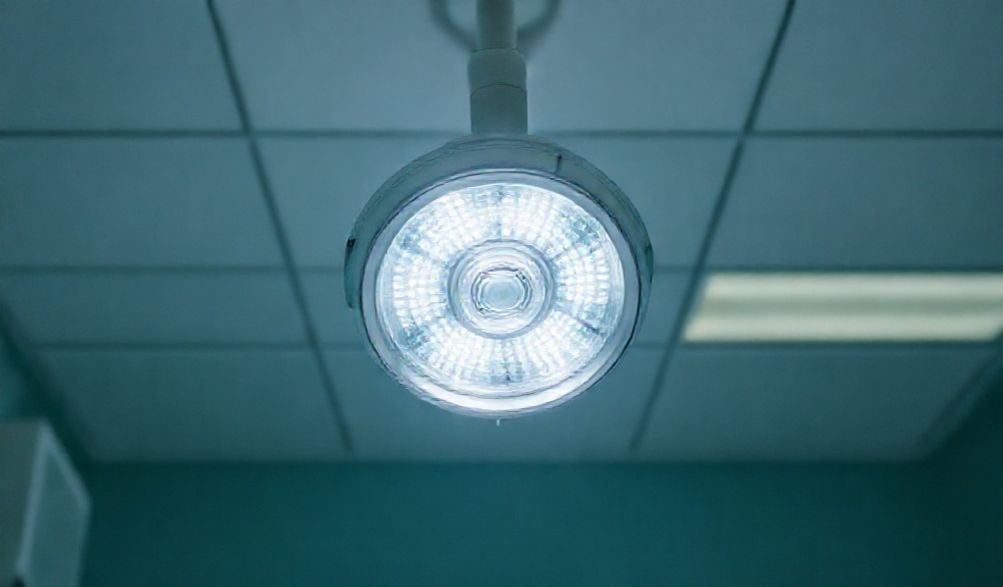
This is the most familiar form. Modern operating lights are feats of engineering, providing intense, shadow-free, color-accurate illumination crucial for distinguishing tissue types. Specialized lights are also essential in fields like dentistry (for curing resin composites) and dermatology (for visualizing skin lesions).
Phototherapy for Skin Conditions
Dermatology has long been a leader in light-based treatments.
* Narrowband UVB: The gold standard for moderate-to-severe psoriasis, vitiligo, and eczema. It slows rapid skin cell turnover in psoriasis and stimulates pigment-producing cells in vitiligo.
* PUVA: Combines a psoralen medication (P) with UVA light. It’s a potent treatment for severe psoriasis, cutaneous T-cell lymphoma, and vitiligo.
* Blue Light Therapy: Targets and destroys P. acnes bacteria, the primary culprit in inflammatory acne, without damaging the surrounding skin.
Light-Based Diagnostics and Imaging
Light is a critical diagnostic tool.
* Pulse Oximetry: A simple clip device uses red and infrared light to measure oxygen saturation in blood by analyzing light absorption through the fingertip.
* Neonatal Jaundice Treatment: Special blue “bili lights” help break down excess bilirubin in a newborn’s skin, converting it into a form the baby can excrete.
* Advanced Imaging: Fluorescence-guided surgery uses special dyes and light to illuminate tumor margins in real-time. Optical Coherence Tomography (OCT) uses near-infrared light to create high-resolution, cross-sectional images of the retina or coronary arteries, akin to an optical ultrasound.
Therapeutic Light for Pain, Healing, and Mental Health
- Red and Near-Infrared (NIR) Devices: Used for musculoskeletal conditions (arthritis, tendonitis), post-exercise muscle recovery, and chronic wound healing (e.g., diabetic ulcers). These at-home and clinical devices leverage photobiomodulation.
- Bright Light Therapy (BLT) Lamps: These devices emit intense, full-spectrum light (typically 10,000 lux) that mimics natural outdoor light. Daily morning use is a first-line, evidence-based treatment for Seasonal Affective Disorder (SAD) and is also effective for non-seasonal depression and circadian sleep disorders.
Evaluating Medical Light Devices: A Safety and Efficacy Checklist
The market is flooded with devices, from FDA-cleared medical equipment to consumer “wellness” gadgets. Discerning the difference is crucial for safety and results.
Key Features to Look For
- Wavelength (nm): The specific color of light. Effective treatments require precise wavelengths. A device should clearly state its output (e.g., 850 nm NIR, 660 nm red).
- Irradiance/Power Density (mW/cm²): This is the intensity or dose rate of light delivered to the skin. Combined with time, it determines the total energy dose (Joules/cm²), which is critical for clinical protocols.
- Treatment Area & Protocols: Does the device cover an adequate area for your condition? Does the manufacturer or your clinician provide clear, research-backed guidelines on treatment duration and frequency?
Safety First: Precautions and Contraindications
- Eye Protection: Never look directly into active light sources, especially lasers, bright BLT lamps, or UV devices. Use provided safety goggles.
- Overexposure Risks: Excessive use, particularly of high-power or UV devices, can cause thermal burns or skin damage. “More” is not “better” in phototherapy.
- Contraindications: Light therapy may be unsafe for individuals with certain conditions, such as photosensitivity disorders (e.g., lupus), those taking photosensitizing medications, or with a history of specific skin cancers. It should not be applied over the thyroid gland or an active, malignant tumor without specialist guidance.
The Critical Importance of Regulatory Approvals
This is the most important filter for evaluating a device.
* FDA Clearance vs. Approval: In the U.S., most light therapy devices are cleared under the 510(k) pathway, meaning they are substantially equivalent to an already legally marketed device. A smaller number receive approval through the more rigorous Premarket Approval (PMA) process. Look for language like “FDA-cleared” with a specific cleared indication (e.g., “for the treatment of mild to moderate acne”).
* CE Marks & Other Certifications: In Europe, a CE mark indicates the device meets health, safety, and environmental protection standards. Class IIa or IIb medical device marks are more rigorous than general consumer product marks.
* “Wellness” vs. “Medical” Devices: Consumer “wellness” or “cosmetic” lights make general claims for “skin health” or “recovery” but are not evaluated by regulatory bodies for treating specific diseases. They may be safe for general use but lack proven efficacy for medical conditions.
Expert Insights: Navigating Treatment and Making Informed Choices
When to Seek Professional Medical Advice
This guide is informational. It is not a substitute for professional medical advice, diagnosis, or a treatment plan. Always consult a qualified healthcare provider before starting any new therapy. Key scenarios include:
* Skin Conditions: See a dermatologist for diagnosis and to determine if UVB, PUVA, or blue light is appropriate.
* Musculoskeletal Pain: Consult a physiatrist, rheumatologist, or physical therapist to confirm the diagnosis and see if PBM is a suitable adjunct to other therapies.
* Mental Health: A psychiatrist or psychologist can diagnose SAD or depression and recommend the proper BLT protocol, often in conjunction with other treatments.
Questions to Ask Your Healthcare Provider
- “What is the specific diagnosis, and why is light therapy recommended for my case?”
- “What are the evidence-based success rates and expected outcomes for this treatment?”
- “What are the potential short-term and long-term side effects?”
- “Do you recommend a specific device for at-home use? If so, what features and regulatory clearances should I look for?”
- “How will we monitor progress and adjust the treatment plan?”
Integrating Medical Light with Holistic Health
Medical light is most effective as part of a comprehensive plan. It can complement:
* Physical Therapy: PBM for pain relief can enhance participation in therapeutic exercises.
* Pharmacotherapy: BLT for depression can be used alongside antidepressant medication.
* Counseling: BLT can improve energy and mood, supporting engagement in psychotherapy.
* Natural Light: Don’t underestimate the foundational health benefits of daily, moderate exposure to natural sunlight for vitamin D synthesis and circadian regulation.
Sección de Preguntas Frecuentes
What is the difference between red light and near-infrared light therapy?
Red light (630-700 nm) penetrates superficially, primarily affecting the skin and is used for anti-aging, wound healing, and acne. Near-infrared light (800-1100 nm) penetrates deeper into tissues, reaching muscles, joints, and bones, making it the choice for pain relief, deep inflammation, and joint recovery.
Can I use at-home phototherapy devices without a doctor’s supervision?
For serious medical conditions like psoriasis, depression, or chronic pain, a doctor’s supervision is essential. They ensure correct diagnosis, device selection, and protocol. For general wellness (e.g., minor skin rejuvenation, muscle relaxation after exercise), using a high-quality consumer device may be acceptable, but one should still prioritize devices from reputable companies and follow instructions meticulously.
Are there any side effects to bright light therapy for SAD?
Some people experience mild, temporary side effects like eyestrain, headache, nausea, or agitation. These often subside with time. To mitigate them, start with shorter sessions (e.g., 15 minutes), avoid looking directly at the light, use the lamp in the morning (not evening), and ensure it’s positioned at an angle, not directly in front of your eyes.
How long does it typically take to see results from medical light treatments?
Varía significativamente. Las mejoras en el acné pueden observarse en 2-4 semanas. El alivio del dolor mediante PBM a veces puede sentirse después de algunas sesiones, pero la mejoría sostenida sigue un protocolo constante durante semanas. La eliminación de la psoriasis con UVB a menudo requiere 15-30 tratamientos a lo largo de varios meses. La constancia y el seguimiento del protocolo prescrito son clave.
¿Es toda la luz azul perjudicial?
No. El contexto lo es todo. La luz azul de alta energía de las pantallas y los LED por la noche altera el sueño. Sin embargo, la luz azul controlada y dirigida por la mañana (de una lámpara de TBL o del sol) es beneficiosa para el estado de ánimo y el estado de alerta. La luz azul específica de banda estrecha (alrededor de 415 nm) es también un tratamiento clínico probado y eficaz para eliminar las bacterias causantes del acné.
Conclusión
La luz se ha transformado de una simple fuente de iluminación en una herramienta médica sofisticada y precisa. Su capacidad para interactuar con nuestra biología fundamental —potenciando células, reiniciando relojes y dirigiéndose a enfermedades— la sitúa a la vanguardia de la innovación terapéutica moderna. Desde la clínica dermatológica hasta el quirófano y el hogar del paciente, la luz médica ofrece opciones no invasivas y, a menudo, libres de fármacos para una serie de afecciones complejas.
El mensaje central es claro: La eficacia y la seguridad son primordiales. La aplicación exitosa de la luz médica depende de la longitud de onda correcta, la dosis apropiada, un dispositivo de calidad con las credenciales regulatorias adecuadas y, lo más importante, de la orientación profesional. Este conocimiento no está destinado a la autoprescripción, sino al empoderamiento.
Utilice esta guía completa como base para mantener discusiones informadas y colaborativas con sus proveedores de atención médica calificados. Juntos, pueden explorar si el poder dirigido de la luz médica es una parte apropiada y prometedora de su viaje de salud individual.
p>