
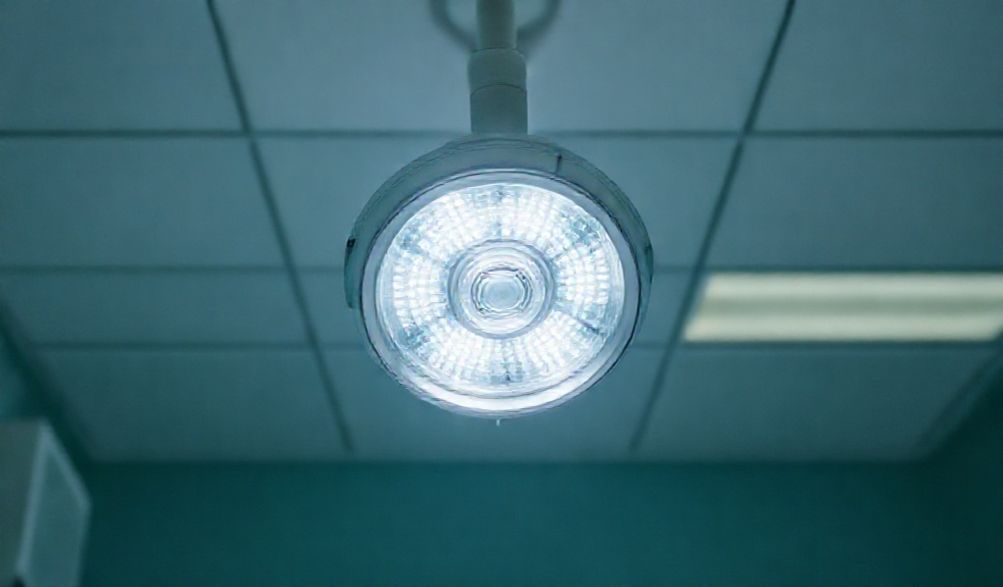
The Essential Guide to Medical Lighting: Enhancing Patient Care and Clinical Outcomes
In the high-stakes environment of modern healthcare, every detail matters. From the precision of surgical instruments to the protocols for infection control, each element is meticulously engineered for optimal outcomes. Yet, one critical component is often relegated to a mere afterthought: the lighting. Medical lighting is far more than a utility; it is a sophisticated, purpose-built tool that directly influences diagnostic accuracy, surgical success, patient recovery, and clinician well-being. This essential guide delves into the science, technology, and strategic considerations behind medical-grade illumination, providing healthcare administrators, facility planners, and medical professionals with the knowledge to make informed decisions that enhance both safety and care quality.
Understanding Medical Lighting: More Than Just Brightness
Unlike general ambient lighting, medical lighting is a precision instrument. Its primary role is not simply to illuminate a space, but to reveal critical information—the subtle color variation in tissue, the depth of a cavity, or the precise border of a lesion. It must perform flawlessly under demanding conditions, from the tense hours of an open-heart surgery to the quiet examination of a newborn. This specialized function demands a set of performance metrics that go far beyond the specifications of commercial or residential lighting.
Key Performance Metrics: Illuminance, Color Rendering, and Glare Control
To evaluate a medical light, one must understand the language of photometrics. Three key metrics are paramount:
- Illuminance (Lux): This measures the amount of light falling on a surface. In medical contexts, recommended lux levels are exceptionally high and task-specific. For example, a general examination may require 1,000 lux, while a major surgical site demands 40,000 to 160,000 lux to ensure deep-cavity illumination. Guidelines from organizations like the Illuminating Engineering Society of North America (IESNA) provide detailed benchmarks for different clinical areas.
- Índice de Reproducción Cromática (IRC): Perhaps the most critical metric for diagnosis and surgery, CRI measures a light source’s ability to reveal the true colors of objects compared to natural light. A high CRI (90+ and ideally 95+) is non-negotiable. It allows clinicians to accurately distinguish between arterial and venous blood, identify tissue oxygenation levels, and detect subtle jaundice or cyanosis. Poor color rendering can lead to diagnostic errors.
- Unified Glare Rating (UGR) & Shadow Management: Glare causes visual fatigue, headaches, and impaired performance. Medical lights, especially surgical systems, are engineered to minimize direct and reflected glare through sophisticated optical designs, diffusers, and positioning. Equally important is shadow reduction. Advanced luces quirúrgicas halógenas, use multiple LED clusters from different angles to “fill in” shadows cast by a surgeon’s head or hands, ensuring a consistently clear field of view.
The Impact on Human Physiology: Clinicians and Patients
The biological impact of light is profound. For clinicians, especially surgeons and proceduralists, hours of intense visual focus under inadequate lighting lead to eye strain, fatigue, and decreased concentration—factors that can impact performance. Proper medical lighting mitigates this by providing stable, high-quality illumination that reduces the eye’s need to constantly adjust.
For patients, lighting affects physiology and psychology. In patient rooms, constant bright light disrupts circadian rhythms, impairing sleep and potentially delaying healing. Conversely, lighting that mimics natural diurnal patterns can help regulate melatonin production, improve sleep quality, and reduce confusion, particularly in ICU or elderly care settings. The psychological benefit of a patient having control over their ambient light should not be underestimated, contributing to a greater sense of comfort and autonomy.
Primary Types of Medical Lighting and Their Clinical Applications
Medical lighting is not a one-size-fits-all solution. It is a family of specialized tools, each designed for a specific clinical purpose.
Surgical Lighting Systems: Precision in the Operating Room
The surgical light is the pinnacle of medical lighting technology. Modern systems, predominantly LED-based, are marvels of engineering. Key features include:
* Deep-Cavity Illumination: The ability to deliver intense, uniform light into deep surgical sites without excessive heat.
* Advanced Shadow Reduction: Achieved through multi-point source designs (often with hundreds of individual LEDs) that create overlapping fields of light.
* Color Temperature Control: Some systems allow adjustment of color temperature (e.g., from cool 4500K to warm 3500K) to optimize contrast for different tissue types.
* Sterilization & Integration: Designed with seamless, cleanable surfaces and often capable of integration with imaging systems, video overlays, and room controls in a hybrid operating room.
Examination and Diagnostic Lighting
This category encompasses the lights used in clinics, emergency departments, and bedside examinations.
* Overhead Exam Lights: Provide high-CRI, adjustable illumination for general physical assessments.
* Specialized Diagnostic Lights: Include dermatological lights for assessing skin lesions, transilluminators, and the integrated lights in devices like otoscopes and ophthalmoscopes. These are tuned to specific wavelengths to enhance visualization of particular conditions.
Ambient and Patient-Room Lighting
Here, the focus shifts from procedural precision to therapeutic environment. Principles of Evidence-Based Design guide this category:
* Circadian Lighting Systems: These automatically adjust color temperature and intensity throughout the day—bright, cool light in the morning; warm, dim light in the evening—to support patient and staff circadian health.
* Patient-Centered Controls: Bedside lights with multiple intensity settings and color options give patients control, reducing stress.
* Safety-Focused Design: Integrated night lights, path lighting, and glare-free fixtures ensure safe mobility for patients and staff during nighttime hours.
Critical Factors in Selecting Medical Lighting
Choosing the right system requires a balance of clinical need, safety, and operational pragmatism.
Safety and Regulatory Compliance (IEC 60601-1, etc.)
This is the absolute baseline. Any device used in patient care must comply with stringent international standards. The la IEC 60601-1 series is the global benchmark for the safety and essential performance of medical electrical equipment. Compliance ensures protection against electric shock, mechanical hazards, excessive radiation, and electromagnetic interference. Furthermore, fixtures must be designed for infection control—with smooth, crevice-free surfaces that can withstand repeated cleaning with harsh disinfectants.
Technological Considerations: LED Dominance and Smart Features
LED technology has revolutionized medical lighting and is now the undisputed standard. Benefits include:
* Superior Efficiency & Lifespan: LEDs consume up to 80% less energy than halogen and last for 20,000-50,000 hours, slashing energy and maintenance costs.
* Minimal Heat Emission: Critical for patient and clinician comfort, especially in surgical settings.
* Instant On & Dimming: Provides full intensity immediately with flicker-free dimming.
* Smart System Integration: Modern systems can be part of a networked building management system, allowing for pre-programmed lighting “scenes” for different procedures, usage tracking, and predictive maintenance alerts.
Ergonomics, Durability, and Total Cost of Ownership
A light is only as good as its usability. Evaluate:
* Ergonomía: Are handles intuitive? Is the movement smooth and effortless? Can it be positioned and locked precisely without drift?
* Durabilidad: The system must withstand years of constant adjustment, potential impacts, and aggressive cleaning. Look for robust construction and warranty terms.
* Integración: Look beyond the purchase price. Calculate long-term savings from LED energy efficiency, reduced bulb replacements, and lower HVAC loads (due to less heat output). A higher-quality, more efficient system often has a lower TCO over a 10-year period.
The Evolving Future of Medical Lighting
The frontier of medical lighting is intelligent, adaptive, and deeply integrated.
Integration with Digital Surgery and Imaging
La iluminación se está convirtiendo en un punto de datos dinámico en el quirófano digital. En los quirófanos híbridos, los niveles de luz pueden ajustarse automáticamente al cambiar de cirugía abierta a imágenes fluoroscópicas. Los sistemas futuros podrían interactuar directamente con plataformas de navegación quirúrgica e IA, donde el espectro de luz podría ajustarse en tiempo real para mejorar la visibilidad del tejido canceroso marcado por un sistema de imágenes en tiempo real.
Iluminación Centrada en el Ser Humano y Diseño Biofílico
El futuro está sintonizado psicológicamente. Los sistemas de iluminación centrada en el ser humano (HCL) gestionarán activamente la salida espectral para aumentar el estado de alerta del personal de turno nocturno o promover la relajación de los pacientes preoperatorios. Los principios del diseño biofílico utilizarán la luz para crear conexiones con la naturaleza, como imitar los lentos cambios de color del amanecer o proyectar patrones naturales y calmantes, para reducir el estrés y apoyar la curación holística.
Sección de Preguntas Frecuentes
P1: ¿Cuál es la característica más importante a buscar en una lámpara quirúrgica?
R: Aunque muchas características son importantes, la reducción uniforme de sombras es primordial. Garantiza que el sitio quirúrgico esté iluminado de manera constante y clara desde múltiples ángulos, evitando obstrucciones visuales que podrían comprometer la seguridad y eficiencia del procedimiento. Esta es una característica central destacada en las evaluaciones clínicas del equipamiento de quirófano.
P2: ¿Son todas las luces LED adecuadas para uso médico?
R: No. Las luces LED de grado médico deben cumplir con estándares regulatorios estrictos (como IEC 60601-1) para seguridad eléctrica, emisiones electromagnéticas y durabilidad mecánica. Su consistencia y reproducción cromática también deben estar clínicamente validadas. Los LED de grado de consumo carecen de estas certificaciones y controles, lo que los hace inadecuados para tareas de diagnóstico o quirúrgicas.
P3: ¿Cómo afecta la iluminación médica a la recuperación del paciente?
R: La investigación en diseño basado en la evidencia indica que la iluminación de las habitaciones de los pacientes que imita los ciclos de luz natural puede ayudar a regular los patrones de sueño/vigilia, reduciendo potencialmente la confusión y mejorando el estado de ánimo. Además, la iluminación ajustable brinda a los pacientes una sensación de control, contribuyendo a la comodidad y satisfacción general, que son componentes del proceso de curación.
P4: ¿Puede la actualización a iluminación médica moderna reducir los costos hospitalarios?
R: Sí, principalmente a través de ahorros operativos. Las lámparas quirúrgicas y de examen LED modernas consumen significativamente menos energía y tienen una vida útil de 20,000 a 50,000 horas, reduciendo drásticamente los costos de reemplazo y mantenimiento en comparación con los sistemas tradicionales de halógeno o fluorescentes. La inversión inicial a menudo se compensa con ahorros a largo plazo y mejores resultados clínicos.
Conclusión
Seleccionar la iluminación médica apropiada es una decisión crítica que intersecta la eficacia clínica, la experiencia del paciente, el desempeño del personal y la eficiencia operativa. Requiere ir más allá de las especificaciones básicas hacia una comprensión holística de cómo la luz funciona como una herramienta dentro de flujos de trabajo sanitarios específicos. Al priorizar estándares de seguridad, adoptar tecnologías probadas como LED de alto IRC y considerar los factores humanos tanto para los cuidadores como para los pacientes, las instituciones de salud pueden invertir en soluciones de iluminación que verdaderamente iluminen el camino hacia una mejor atención. A medida que avanza la tecnología, la iluminación se integrará y volverá más inteligente, consolidando aún más su papel como un pilar fundamental de la infraestructura médica moderna.
p>