
The Ultimate Guide to Patient Bed Lights: Safety, Comfort, and Healing
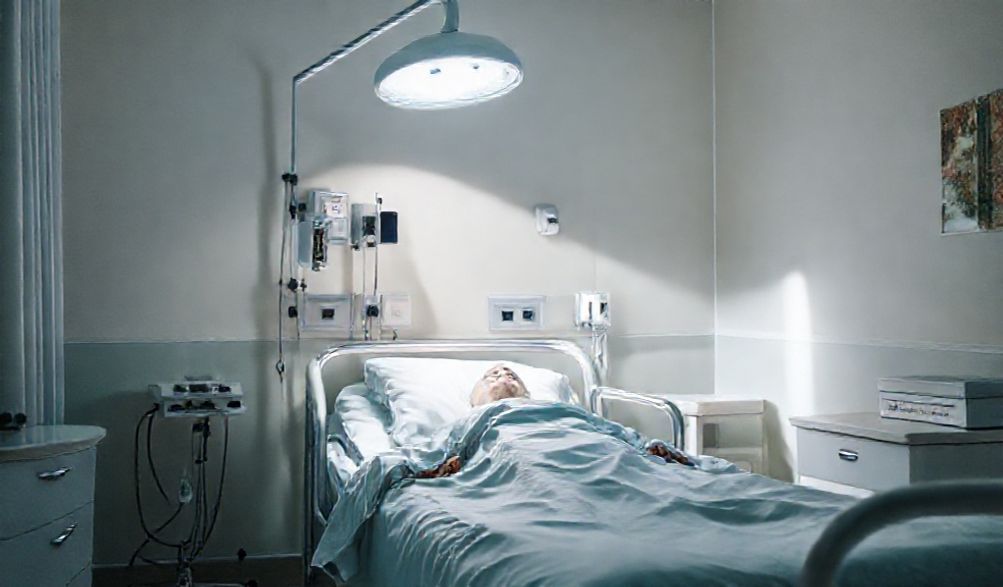
In the intricate ecosystem of a healthcare environment, attention is rightly lavished on high-tech scanners, advanced monitors, and life-saving medications. Yet, there is one humble, ever-present piece of equipment whose impact is profound and multifaceted: the patient bed light. Far more than a simple source of illumination, modern patient bed lighting is a critical tool engineered at the intersection of clinical necessity, seguridad del paciente, and human-centered design. It is a silent guardian against falls, a partner in clinical precision, and a subtle architect of the healing environment.
This comprehensive guide delves into the vital role of patient bed lights, moving beyond basic specifications to explore how the right lighting solution actively contributes to better outcomes. Drawing on principles of evidence-based design and clinical expertise, we will illuminate how these devices support everyone in the care continuum—from the nurse performing a delicate procedure to the patient seeking comfort in the middle of the night. Whether you are a facility manager specifying equipment, a clinician advocating for better tools, or a patient or family member preparing for a care journey, understanding the power of purposeful lighting is a step toward fostering safety, efficiency, and well-being.
Why Patient Bed Lighting is a Critical Healthcare Component
To view a patient bed light as merely a lamp is to misunderstand its fundamental purpose. In clinical settings, lighting is a foundational element of care infrastructure, as crucial as a clean floor or a functional bed. Its design and implementation speak directly to a facility’s commitment to safety, operational excellence, and holistic patient recovery.
Beyond Illumination: Safety and Fall Prevention
Patient falls are among the most common and serious adverse events in healthcare settings, often leading to extended hospital stays, increased costs, and significant patient harm. Disorientation, especially during nighttime trips to the bathroom, is a primary culprit. Here, specialized bed lighting plays a direct, preventative role.
A well-designed patient bed light includes a dedicated, low-level nightlight or downward-casting floor path illuminator. This feature provides enough soft, targeted light for a patient to orient themselves, see the floor, and navigate safely to the bathroom without switching on a bright, glaring main light that would fully wake them (and potentially a roommate). This preserves sleep architecture while mitigating a major risk. Studies in environmental design consistently link optimized nighttime lighting to reduced fall rates, making it a non-negotiable feature for patient safety protocols.
Supporting Clinical Accuracy and Staff Work
For healthcare staff, every visual assessment is a data point guiding care. The quality of light directly impacts the quality of that data. Imagine a nurse assessing a wound for signs of infection, a phlebotomist locating a vein, or a doctor checking for subtle changes in skin color (jaundice, cyanosis). Under poor, yellowed, or shadow-filled light, critical details can be missed.
Modern medical bed lights are engineered for clinical accuracy. They provide bright, even, and color-true illumination that minimizes shadows across the patient’s body. This is not a luxury; it is essential for procedural precision, accurate wound staging, safe medication administration, and correct documentation. In essence, it is a tool that empowers staff to perform at their best, reducing errors and enhancing the quality of hands-on care.
The Role of Lighting in Patient Psychology and Healing
The impact of light extends deep into human biology and psychology. Light is the primary regulator of our circadian rhythms—the internal 24-hour clock governing sleep-wake cycles, hormone release, and overall physiology. The sterile, often perpetually bright environment of traditional hospitals can severely disrupt these rhythms, leading to poor sleep, increased confusion (like sundowning in elderly patients), and higher stress levels.
Progressive patient bed lighting counteracts this. By offering patients control over their immediate environment—through dimmable, adjustable lights with different color temperatures—they can create a more natural cycle. Warm, dim light in the evening signals the body to wind down and prepare for sleep, supporting better rest, which is intrinsically linked to healing. Furthermore, the ability to control one’s environment reduces feelings of helplessness and anxiety, contributing to a calmer, more positive mental state that is conducive to recovery. This aligns with the principles of “healing environments,” where the physical setting is actively designed to support the patient’s psychological and physiological well-being.
Key Features to Look for in a Modern Patient Bed Light
Selecting a patient bed light requires a checklist that balances clinical demands with human factors. Here are the evidence-based features that separate a standard lamp from a true medical-grade device.
Adjustability and Ergonomic Design
A static light is of limited use in a dynamic care setting. The ideal fixture features fully articulating arms with multi-directional heads, allowing the light to be precisely positioned exactly where it’s needed—whether for a patient reading a book, a nurse examining a foot, or a doctor reviewing a chart. This adjustability must be paired with intuitive, easy-to-use controls. Buttons or touch sensors should be large, logically arranged, and operable with minimal force, accommodating patients with limited dexterity or strength. The design should allow one-handed operation by staff wearing gloves.
Light Quality and Technical Specifications
This is where technical specs translate directly into care quality.
- Color Temperature (CCT): Measured in Kelvin (K), this describes the “warmth” or “coolness” of light. A light with adjustable CCT is ideal. Cool white light (5000K-6500K) is excellent for clinical tasks requiring alertness and visual acuity (e.g., wound care, procedures). Warm white light (2700K-3500K) is soothing and ideal for ambient, relaxing illumination in the evening to support circadian rhythms.
- Índice de Reproducción Cromática (IRC): This is a critical, non-negotiable metric for healthcare. CRI measures a light’s ability to reveal the true colors of objects compared to natural light. A high CRI (90+ is ideal, 80+ is minimum) is essential for accurately assessing skin tones, wound bed coloration, bruising, and rashes. Low-CRI lighting can mask critical clinical signs.
- Brightness Control: Full-range dimmability is vital. The light should be capable of providing brilliant, shadow-free illumination for an examination and then be dimmed to a soft glow for a nighttime check or patient comfort, all without flickering.
Safety, Hygiene, and Durability Standards
Healthcare environments demand equipment built to the highest standards of safety and resilience.
- Control de Infecciones: The fixture must have a sealed, seamless design with no crevices where pathogens can hide. It should be made of cleanable, non-porous materials that can withstand frequent wiping with hospital-grade disinfectants. An IP (Ingress Protection) rating indicating resistance to dust and liquids is a good sign.
- Physical Safety: LED technology is standard, largely because it remains cool to the touch, eliminating burn risks associated with old halogen or incandescent bulbs. The housing should be robust, with strong joints and arms that can withstand repeated adjustment and occasional impact.
- Seguridad Eléctrica: It must be certified to relevant medical electrical safety standards (like UL/CSA in North America, IEC internationally), ensuring protection against shocks and faults.
Integrated Functionality and Smart Features
The best patient bed lights are multi-functional systems:
- Dual/Triple Light Sources: Separate, independently controlled lights for reading (focused, personal), examination (broad, clinical), and ambient/night lighting (indirect, soft).
- Smart Controls: Touch-sensitive controls, memory settings for preferred light scenes, and integrated nightlights that activate automatically at low levels.
- Connectivity: Potential for integration with nurse call systems (e.g., the light flashes when the call button is pressed) or broader room automation systems for a synchronized care environment.
Choosing the Right Patient Bed Light for Different Settings
The optimal light varies significantly depending on the care context. Here’s how to tailor the choice.
Acute Care Hospitals and ICU Settings
Here, performance and integration are paramount. Lights must deliver exceptionally bright, high-CRI, shadow-reduced illumination for complex procedures at the bedside. Durability is key to withstand the intense, round-the-clock use. Articulation needs to be superb to maneuver around IV poles, monitors, and other equipment. Integration capabilities with the bed and nurse call system are highly valuable for streamlined workflows in fast-paced environments.
Long-Term Care and Senior Living Facilities
The focus shifts strongly to safety, simplicity, and comfort. Fall prevention is the top priority, making an excellent, automatic nightlight mode the most important feature. Controls must be extremely intuitive, with large icons and simple operation for residents with cognitive or visual impairments. Warm, ambient lighting that feels residential and non-institutional helps create a calming, homelike atmosphere. Durability remains important due to long-term use.
Home Healthcare and Private Use
This setting balances clinical utility with residential aesthetics and ease of installation. User-friendliness for both the patient and family caregivers is crucial. The light should be energy-efficient and easy to mount or integrate into a home bed setup. Features like a good reading light and a gentle nightlight are highly valued. While high CRI is beneficial for caregivers managing wounds, the design should not feel overly “medical” to support a healing mental state in the home.
Instalación, Mantenimiento y Mejores Prácticas
Proper implementation ensures your investment delivers its full benefits safely and sustainably.
Optimal Placement and Installation Considerations
Installation should be performed by a qualified electrician in compliance with all local codes and healthcare facility standards. Key considerations include:
- Mounting Height & Reach: The light should be mounted so its fully extended arm can comfortably illuminate the entire patient zone (from head to mid-torso) when positioned for reading or examination, and also cast light onto the immediate floor area for safe ambulation.
- Accesibilidad: Ensure controls are within easy reach of a reclined patient without straining.
- Security: El soporte debe estar absolutamente fijo a la pared o a la cama, siendo capaz de soportar el peso de la lámpara sin combarse o aflojarse con el tiempo.
Protocolos de Limpieza y Mantenimiento de Rutina
Un protocolo claro es esencial para el control de infecciones y la longevidad del equipo.
- Limpieza Diaria/por Paciente: Limpie toda la unidad, especialmente el panel de control y las manijas, con un paño suave humedecido con un desinfectante hospitalario aprobado. Evite limpiadores abrasivos o rociar líquido directamente sobre el dispositivo.
- Inspección Periódica: Mensualmente, verifique la tensión en los brazos articulados, la firmeza de todas las uniones y del soporte, y la funcionalidad de todos los interruptores y reguladores de intensidad. Busque grietas o daños en la carcasa.
- Seguridad Eléctrica: Como parte del mantenimiento preventivo general de la instalación, haga que el personal de ingeniería verifique periódicamente las conexiones eléctricas y la puesta a tierra.
Capacitación del Personal y los Pacientes en el Uso Efectivo
Una herramienta potente solo es tan buena como la persona que la usa. Incluya las características de la lámpara de cama en la orientación del nuevo personal. Demuestre cómo usar los diferentes modos de luz para tareas específicas: luz de examen brillante para evaluaciones, luz de lectura para la autonomía del paciente y luz nocturna para las rondas de seguridad. Para los pacientes, una orientación simple de 30 segundos durante el ingreso —“Esta es su luz; este botón es para leer, este la atenúa y esta luz suave permanece encendida por la noche por seguridad”— los empodera y reduce las llamadas de asistencia. Convierte la luz de un simple equipo en parte de su entorno de cuidado personal.
Preguntas Frecuentes (FAQ)
P1: ¿Cuál es la característica más importante para la seguridad en una lámpara de cama para pacientes?
R: Un modo de luz nocturna dedicado de bajo nivel o un iluminador de ruta en el suelo es crucial. Proporciona suficiente luz de orientación para prevenir caídas sin interrumpir el sueño, abordando la principal preocupación de seguridad de la deambulación nocturna.
P2: ¿Todas las lámparas de cama de grado médico están hechas con LED ahora?
R: Prácticamente todas las unidades modernas utilizan tecnología LED. Los LED son preferidos por su funcionamiento frío (eliminando riesgos de quemaduras), larga vida útil, eficiencia energética y excelentes capacidades de reproducción cromática, esenciales para la precisión clínica.
P3: ¿En qué se diferencia la iluminación de la cama de un paciente de una lámpara de lectura común?
R: Las lámparas de cama médicas están construidas bajo estándares mucho más altos. Están diseñadas para el control de infecciones (carcasas fáciles de limpiar y selladas), precisión clínica (IRC alto), durabilidad física y características de seguridad específicas, como superficies de contacto frío y montaje seguro, de las que carecen las lámparas comunes.
P4: ¿Puede una buena iluminación realmente afectar el tiempo de recuperación de un paciente?
R: Sí, significativamente. La investigación en diseño basado en evidencia muestra que los entornos que apoyan los ritmos circadianos y el sueño —controlados en gran medida por la exposición a la luz— pueden reducir el estrés del paciente, mejorar la calidad del sueño e influir positivamente en los niveles de dolor percibido, todo lo cual contribuye a una recuperación más eficiente.
P5: ¿Quién es normalmente responsable de elegir e instalar estas luces en una instalación?
R: Suele ser una decisión colaborativa que involucra al personal clínico (enfermeras, médicos que aportan información sobre las necesidades funcionales), la gestión de instalaciones/ingeniería (para especificaciones de instalación y mantenimiento) y los equipos de control de infecciones. La adquisición sigue los estándares y códigos establecidos por la instalación.
Conclusión
La elección de una lámpara de cama para pacientes es profunda, resonando en la quietud de un turno nocturno y en la urgencia de un procedimiento clínico. Es una inversión que rinde dividendos en estadísticas de seguridad medibles, en la precisión de la atención brindada y en el confort intangible de un ser humano en curación. Al priorizar un diseño inteligente —luz ajustable y de alta calidad, seguridad inquebrantable, higiene rigurosa y control de usuario empático— hacemos más que iluminar una habitación. Creamos entornos que protegen, empoderan y nutren. En el camino hacia la recuperación, cada detalle importa, y la luz correcta puede, en efecto, ser una guía. Consulte siempre con profesionales clínicos y de ingeniería de instalaciones para garantizar que cualquier producto seleccionado cumpla con los estándares regulatorios y de seguridad específicos requeridos para su uso previsto.
p>