
The Ultimate Guide to Surgeon Lights: Illuminating Precision in the Operating Room
Imagine a master painter working in near darkness, or a watchmaker trying to assemble a delicate mechanism by candlelight. The result would be, at best, flawed. Now, translate that scenario to an operating room, where a millimeter’s precision can be the difference between life and death. What if a surgeon’s most vital tool isn’t the scalpel in their hand, but the quality of the light that allows them to see the surgical field with absolute clarity?
The consequences of inadequate surgical lighting are not merely inconvenient; they are clinically significant. Eye strain and fatigue can impair a surgeon’s focus and dexterity over long procedures. Suboptimal illumination can lead to difficulty distinguishing subtle tissue variations, potentially resulting in procedural errors, extended operation times, and increased risk for the patient. In the high-stakes environment of modern surgery, visibility is synonymous with safety and success.
This is where the sophisticated technology of modern surgeon lights—also known as luces quirúrgicas halógenas, or operating lights—comes into play. Far from being simple “overhead lamps,” these are engineered medical devices designed to deliver shadow-free, intense, and color-accurate illumination, becoming a true lifeline for surgical teams.
The purpose of this comprehensive guide is to shed light (pun intended) on this critical piece of operating room infrastructure. Designed as an expert-driven resource for surgeons, hospital procurement teams, clinical engineers, and medical students, we will delve into the core technology, essential features, selection criteria, and best practices surrounding surgical lighting. Our aim is to provide knowledge based on established industry standards, clinical requirements, and engineering principles, empowering you to make informed decisions for your operating theater.
What Are Surgeon Lights? Core Technology and Evolution
Definition and Primary Function
At its core, a surgeon light is a specialized medical device whose primary function is to provide optimal visualization of the surgical site. This optimal illumination is defined by several key characteristics: it must be shadow-free to prevent obscuring critical anatomy, of y muy alta to penetrate deep into cavities, and possess excellent color rendering to allow for accurate tissue differentiation. It is a tool designed to work in harmony with the surgeon’s skill, extending their visual capability.
A Brief History: From Sunlight to LED
The quest for perfect surgical light has evolved dramatically. Early surgeons were dependent on natural sunlight, positioning operating tables near windows. The advent of artificial lighting brought incandescent and later halogen lamps, which offered greater control but came with significant drawbacks—intense heat output, high energy consumption, and relatively short bulb lifespans that could fail mid-procedure.
The revolutionary shift occurred with the widespread adoption of Light Emitting Diode (LED) technology. LEDs represented a paradigm shift: they are incredibly energy-efficient, generate minimal radiant heat (reducing tissue desiccation and surgeon discomfort), and have lifespans measured in decades of typical use. This transition has allowed for more advanced, reliable, and controllable lighting systems than ever before.
Key Components of a Surgical Light System
A modern surgical lighting system is an integrated assembly of several key components:
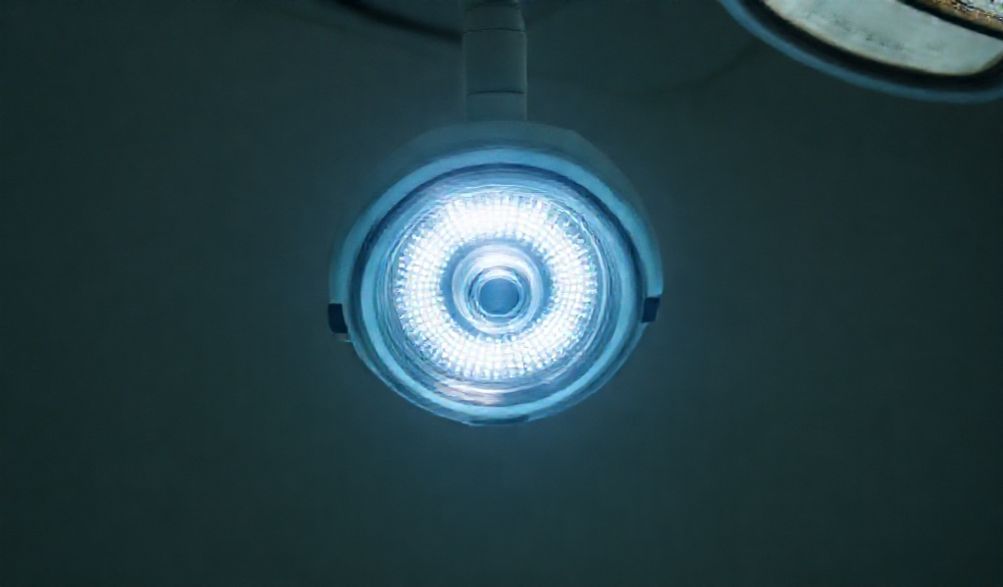
* The Light Head: This is the most visible part, containing an array of multiple LED modules. The specific arrangement and optics of these modules are what create the shadow-reducing effect.
* The Suspension System: Typically a series of balanced arms or a cantilever system, this allows for effortless, sterile positioning of the light head. It must offer smooth, stable movement and remain precisely where placed, without drift.
* The Control Panel: Interfaces can be manual (handles, buttons on the light head) or touchless (infrared sensors, voice control). They allow adjustment of intensity, color temperature (on some models), and focus.
* Additional Integrations: Many contemporary systems may include integrated high-definition cameras for documentation and teaching, or connectivity ports for other devices.
Critical Features of High-Performance Surgical Lights
When evaluating surgeon lights, several technical specifications are non-negotiable. Understanding these features is key to assessing performance.
Shadow Reduction & Depth of Illumination
True “shadow-free” illumination is achieved through clever optical engineering. By using a multipoint light source—often dozens of small LEDs arranged in a specific pattern—the system ensures that if a shadow is cast by the surgeon’s head or hands from one LED, the surrounding LEDs immediately fill it in from a slightly different angle. This is often enhanced by parallel optical paths and parabolic reflectors.
Closely related is Depth of Illumination. This refers to the light’s ability to provide consistent, high-quality illumination not just on the surface, but deep within a surgical cavity (e.g., during abdominal or pelvic surgery). A light with excellent depth of illumination maintains intensity and homogeneity even when focused 20-30 centimeters into the body.
Color Temperature & Color Rendering Index (CRI)
- Color Temperature is measured in Kelvin (K) and describes the hue of “white” light. A range of 4000K to 5000K is standard in surgery, as it mimics natural daylight. This neutral white reduces color distortion and is less fatiguing to the eyes over long periods than warmer (yellower) or cooler (bluer) light.
- El Índice de Reproducción Cromática (IRC) is arguably even more critical. Measured on a scale up to 100, it indicates how accurately a light source reveals the true colors of objects compared to natural light. A CRI of 90 or higher is essential in the OR. It allows surgeons to confidently distinguish between arterial and venous blood, identify subtle changes in tissue viability, and accurately assess organ states. A low CRI can make tissues appear washed out or misleadingly colored.
Luminance & Homogeneity
Luminance refers to the intensity of light, measured in lux (lumens per square meter). Different procedures require different levels; major open surgeries may need 40,000 to 160,000 lux at the center of the field. However, more light isn’t always better. Homogeneity—the evenness of light distribution across the entire illuminated field—is vital. A “hot spot” of extreme intensity in the center with dim edges is problematic. High-performance lights provide a large, uniformly bright field that minimizes dazzling glare and visual strain.
Ergonomics and Sterility
The best light is useless if it’s difficult to position. Ergonomía covers the smooth, fluid movement of the suspension arm, allowing for easy, one-handed adjustment by a sterile team member. Heat management is a major advantage of LEDs; they direct very little infrared radiation downward, keeping the surgical site and the surgical team cooler. Finally, esterilidad is maintained through design: light heads feature seamless, smooth surfaces with minimal crevices, made of materials that can withstand repeated cleaning and disinfection with harsh hospital-grade chemicals.
Types of Surgical Lighting Systems
Not all operating rooms or procedures require the same lighting solution. The main categories include:
Ceiling-Mounted Surgical Lights
These are the workhorses of the main operating theater. They are permanently installed and offer the highest performance.
* Single-Head Lights: Common for smaller ORs or specialized rooms.
* Dual-Head Lights: The most common configuration, offering redundancy (if one head fails) and the ability to combine light from two angles for ultimate shadow control.
* Multi-Head/Cluster Lights: Used in complex specialties like cardiac or transplant surgery, where multiple surgeons need illumination from different angles.
Surgical Headlights
These are portable, personal systems worn on the surgeon’s head. They provide a highly mobile, focused beam of light that is always aligned with the surgeon’s line of sight. They are indispensable for:
* Minimally invasive procedures (like ENT or spine surgery).
* Dentistry and oral surgery.
* Procedures where large ceiling lights would obstruct the surgical team or equipment.
Luces Especializadas para Procedimientos Específicos
- Endoscopy/Laparoscopy Lights: The light source is separate, generating intense light that is channeled through a fiberoptic cable into the body via the scope.
- Dental Operating Lights: Compact, often chair-mounted lights designed to illuminate the oral cavity without shadow from the dentist.
- Lámparas de Exploración: Used in minor procedure rooms, emergency departments, or for pre-operative assessments. They are less powerful but highly maneuverable.
How to Choose the Right Surgical Light: A Buyer’s Guide
Selecting a surgeon light is a significant capital investment. A structured evaluation process is crucial.
Assessing Clinical Needs
Start with the surgical specialty. A neurosurgery suite, where deep, narrow cavities are common, will prioritize depth of illumination and perhaps a specific color temperature to enhance contrast on neural tissue. An orthopedic room, with large open incisions, might prioritize a very large, homogeneous light field. Involve the surgeons and nurses who will use the light daily in hands-on demonstrations.
Evaluating OR Infrastructure
A technical assessment of the operating room is mandatory:
* Ceiling Height & Weight Capacity: Ensure the room can physically accommodate the chosen suspension system.
* Power & Data Requirements: Verify electrical supply and consider future needs for networked “smart” lights.
* Integración: Will the light be mounted on a fixed ceiling point, or on a multi-purpose equipment boom? Does it need to coexist with large imaging systems like C-arms?
3. Presupuestación: Costo Inicial vs. Costo Total de Propiedad
While the initial purchase price is important, the Costo Total de Propiedad (CTP) over 10-15 years is a more meaningful metric. Factor in:
* LED Lifespan (50,000-100,000 hours): Eliminates bulb replacement costs and downtime.
* Los LED consumen hasta un 80% menos de energía que los sistemas halógenos para producir la misma o mayor cantidad de luz, reduciendo los costes de servicios. Los LED consumen hasta un 80% menos de energía que los sistemas halógenos.
* Maintenance & Service Contracts: Reliable performance depends on scheduled preventive maintenance.
Compliance and Certification
This is non-negotiable. Any surgical light must carry the appropriate regulatory clearances (like FDA clearance in the US or a CE mark in Europe). Crucially, it must comply with the international safety and performance standard for surgical lights: ISO 60601-2-41. This standard defines requirements for light output, heat dissipation, mechanical safety, and electrical safety. Always request and verify certification documents.
Mantenimiento, Seguridad y Mejores Prácticas
To ensure longevity and safety, a rigorous maintenance protocol is essential.
Protocolos de Limpieza y Desinfección de Rutina
Always follow the manufacturer’s specific instructions for use (IFU). Generally, light heads should be cleaned daily and after every procedure with hospital-approved disinfectants. Use soft cloths to avoid scratching optical surfaces. Never spray liquid directly onto the light; spray the cloth first to prevent moisture ingress into electrical components.
Scheduled Preventive Maintenance
This should be performed annually or per manufacturer schedule by qualified clinical engineering staff or certified technicians. PM checks include:
* Verifying balance and brake function of the suspension arms.
* Checking for smooth, drift-free movement.
* Measuring light output (lux) and color temperature to ensure specifications are still met.
* Inspecting cables, connectors, and controls for wear.
Problemas Comunes y Solución de Fallos
Staff should be trained to recognize and report issues, not attempt repairs.
* Flickering or Dim Light: Podría indicar un módulo LED o una fuente de alimentación defectuosos. Informe para servicio.
* Movimiento Rígido o con Deriva: El mecanismo de equilibrio o los cojinetes pueden requerir ajuste.
* Controles sin respuesta: Verifique problemas simples como un sensor táctil desactivado, luego informe.
* Daño visible o superficie de esterilidad comprometida: Retire la luz de servicio inmediatamente.
Sección de Preguntas Frecuentes
P: ¿Cuál es la vida útil típica de una lámpara quirúrgica LED?
R: Los módulos LED de alta calidad están clasificados para 50,000 a 100,000 horas de operación. Bajo un uso típico de quirófano (10-20 horas por semana), esto se traduce en 20-30 años o más, lo que los convierte en una inversión notablemente duradera con costos mínimos de piezas de repuesto.
P: ¿Cómo se logra realmente la iluminación “libre de sombras”?
R: Es una ilusión óptica creada por diseño. Al utilizar docenas de pequeñas fuentes de luz (LEDs) dispuestas en un anillo o patrón y proyectar su luz a lo largo de trayectorias ópticas paralelas y superpuestas, las sombras se reducen drásticamente. Cuando un objeto bloquea la luz de un LED, los LEDs adyacentes llenan inmediatamente el área sombreada desde un ángulo ligeramente diferente, eliminándola efectivamente del campo de visión crítico del cirujano.
P: ¿Se pueden conectar las luces quirúrgicas a la red de TI de un hospital?
R: Sí, muchas luces quirúrgicas “inteligentes” modernas ofrecen esta capacidad. La conectividad de red puede permitir el monitoreo remoto del uso y rendimiento, alertas de mantenimiento predictivo, integración con sistemas de programación de quirófanos para configurar automáticamente preajustes de luz para diferentes procedimientos y control centralizado desde una estación de enfermería.
P: ¿Cuál es el factor más importante al elegir una luz para un nuevo quirófano?
R: No hay un solo factor más importante; requiere un análisis equilibrado de necesidades. La consideración primordial es la necesidad clínica (lo que los cirujanos requieren para operar de manera segura y efectiva). Esto debe equilibrarse con el rendimiento técnico (especificaciones de calidad de luz), la usabilidad ergonómica, la compatibilidad de infraestructura y los costos operativos a largo plazo. Es crucial que el personal clínico participe en el proceso de evaluación.
P: ¿Existen luces específicas para centros de cirugía ambulatoria (ASC)?
R: Absolutamente. Los fabricantes ofrecen líneas diseñadas específicamente para el entorno de ASC. Estas luces a menudo presentan un diseño más compacto para salas más pequeñas, un posicionamiento más rápido y simple para una rápida rotación entre casos, y un perfil optimizado en costos que aún ofrece tecnología LED de alto rendimiento y certificaciones de seguridad esenciales.
Conclusión
Las luces de cirujano son mucho más que simples utilidades; son un componente fundamental, impulsado por la tecnología, para la seguridad del paciente y el éxito quirúrgico. Son la tecnología habilitadora que permite aplicar con precisión la habilidad, el conocimiento y el juicio de un cirujano. Desde el campo libre de sombras hasta la iluminación con color preciso de tejidos delicados, cada característica está diseñada con un objetivo singular: proporcionar la claridad visual necesaria para obtener resultados óptimos.
Mirando hacia el futuro, el futuro de la iluminación quirúrgica es inteligente e integrado. Nos dirigimos hacia sistemas de iluminación adaptativos que pueden ajustar automáticamente la intensidad y el espectro de color para optimizar la visualización tanto para el ojo humano como para los sistemas de cámaras quirúrgicas 4K/3D. Una integración más estrecha con la navegación quirúrgica y la robótica optimizará aún más el flujo de trabajo del quirófano. La luz quirúrgica está evolucionando de un dispositivo aislado a un nodo conectado en un entorno de quirófano inteligente basado en datos.
Cuando llegue el momento de seleccionar o actualizar su iluminación quirúrgica, instamos a adoptar un enfoque basado en principios. Consulte estrechamente con sus equipos de ingeniería clínica y biomédica. Solicite demostraciones en vivo de fabricantes acreditados en un entorno que simule su quirófano. Lo más importante, priorice especificaciones técnicas basadas en evidencia y el valor a largo plazo por encima del precio únicamente. Esto no es solo una compra de equipo; es una inversión crítica en la calidad de la atención, la eficiencia de su equipo y la seguridad de cada paciente en la mesa.
p>