
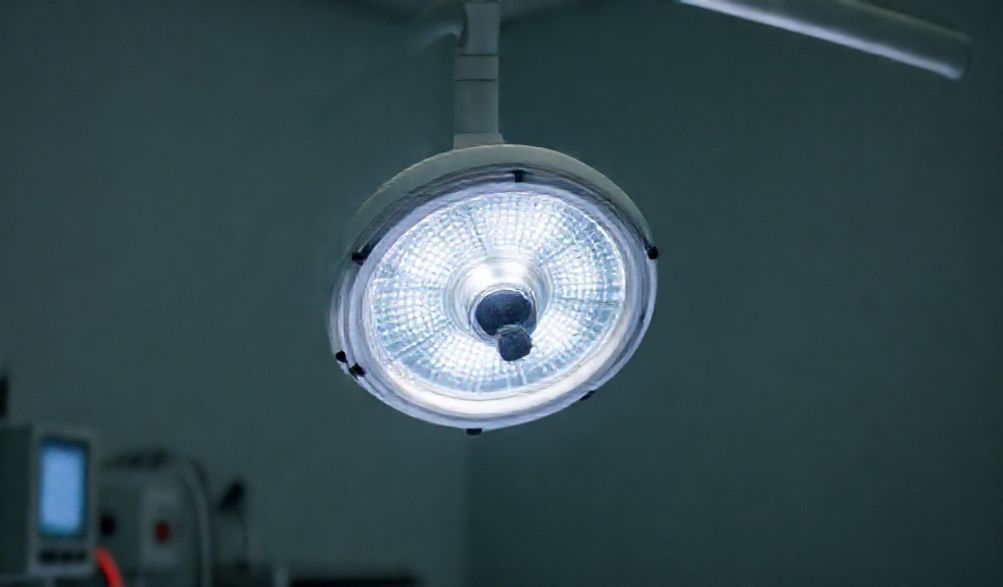
Surgery Lamps: The Complete Guide to Types, Features, and Selection
Introduction
In the high-stakes environment of the operating room, a surgeon’s skill, knowledge, and precision are paramount. Yet, all these critical attributes depend on one fundamental, often understated factor: visibility. The ability to clearly differentiate between tissue types, identify delicate structures, and navigate complex anatomy hinges entirely on the quality of illumination. A surgeon’s precision is, quite literally, only as good as their visibility. This is where the modern surgery lamp transitions from a simple piece of equipment to a sophisticated, life-enabling medical device.
This comprehensive guide is designed to serve as an authoritative, expert-vetted resource. Whether you are a surgeon, anesthesiologist, OR nurse, a hospital procurement specialist, or a medical student, our goal is to demystify the technology behind surgical lighting. The information herein is compiled from surgical best practice guidelines, international medical device standards (like ISO and IEC), and clinical literature to ensure accuracy and relevance.
We recognize that you are likely reading this to understand the nuances of surgical lighting, compare different systems, or make a crucial purchasing decision. This guide promises to move beyond sales brochures and provide a clear, detailed framework for evaluation. We will explain the core technology, break down the key types and essential features, and provide a structured approach to selecting the optimal surgery lamp for your specific clinical needs.
The Critical Role of Surgical Lighting in Modern Medicine
Beyond Illumination: How Lighting Impacts Patient Safety and Surgical Precision
Surgical lighting does far more than just “light up the room.” It is a direct contributor to patient safety and procedural success. Inadequate lighting can lead to surgeon eye strain and fatigue, increasing the risk of error over long procedures. More critically, poor lighting creates shadows and reduces contrast, which can obscure vital anatomical landmarks, mask subtle color differences between tissues, and complicate hemostasis.
High-quality surgical lighting is engineered to minimize shadows through multi-source optical design, allowing surgeons to work with their hands and instruments without casting obstructive darkness. It reduces visual fatigue by providing homogenous, glare-free illumination. The result is enhanced procedural accuracy, potentially shorter operating times, and a fundamental improvement in the surgeon’s ability to perform at their peak. In essence, the surgery lamp is an extension of the surgeon’s senses, and its performance is non-negotiable for optimal outcomes.
Key Performance Metrics: Understanding Lux, Color Temperature, and Shadow Dilution
To evaluate a surgery lamp objectively, one must understand its technical specifications. Here are the key metrics:
- Illuminance (Lux): This measures the amount of light falling on the surgical field. It’s the “brightness.” While a standard office might have 500 lux, a major surgery requires intense, focused light. Ideal ranges are typically between 40,000 to 160,000 lux at the center of the field. It’s crucial that this intensity is adjustable to suit different procedures and surgeon preference.
- Color Temperature (Kelvin, K): Measured in Kelvins, this describes the “warmth” or “coolness” of the light. Surgical lights typically range from 4000K (warm white) to 5000K (cool, daylight white). A color temperature around 4500K is often preferred as it provides a neutral white light that reduces blue-light fatigue while offering excellent contrast.
- Índice de Reproducción Cromática (IRC): Perhaps as important as brightness, CRI measures the light’s ability to reveal the true colors of objects compared to natural sunlight (which has a CRI of 100). For surgery, accurate color differentiation between arteries, veins, nerves, and various tissues is critical. A IRC de 90 o superior is considered excellent and is a standard for modern LED systems.
- Dilución de Sombras: This is a qualitative measure of a light’s ability to minimize shadows created by the surgeon’s head, hands, and instruments. It is achieved through sophisticated optical designs that merge light from multiple point sources. Good shadow dilution is a hallmark of premium surgical lighting.
Main Types of Surgery Lamps and Their Applications
LED Surgical Lights: The Modern Standard
Light Emitting Diode (LED) technology has become the unequivocal standard in new operating room installations and upgrades. Its advantages are transformative:
* Energy Efficiency & Cool Operation: LEDs consume significantly less power than older technologies and convert most energy to light, not heat. This dramatically reduces the radiant heat directed at the surgical site and the surgical team, enhancing patient and staff comfort.
* Long Lifespan & Reliability: LED modules can last 50,000 hours or more, reducing the frequency and cost of bulb replacements and minimizing the risk of mid-procedure failure.
* Reproducción Cromática Superior: LEDs can be engineered to produce light with a very high CRI (>90), providing exceptional tissue differentiation.
* Encendido/Apagado Instantáneo y Atenuación: They achieve full brightness instantly and offer smooth, flicker-free dimming.
Typical Use Cases: LED lights are now the first choice for nearly all modern ORs, from general surgery to specialized disciplines, and are particularly valued for long, complex procedures.
Halogen and Incandescent Lights: Traditional Technology
These were the workhorses of the OR for decades. Halogen lights, a type of incandescent, offered brighter, whiter light than their predecessors. However, they are now largely obsolete due to significant drawbacks:
* Alta Emisión de Calor: A large portion of their energy is emitted as infrared radiation (heat), which can desiccate tissue and discomfort the surgical team.
* Shorter Lifespan: Bulbs typically last only 1,000-2,000 hours, requiring frequent, costly changes.
* Higher Energy Consumption: They are far less efficient than LED systems.
While some older ORs may still use them, they are no longer manufactured for primary surgical lighting and serve mainly as a historical benchmark.
Specialized Lighting Systems
Ceiling-Mounted vs. Wall-Mounted vs. Floor-Stand Models
The mounting style dictates flexibility and application:
* Montado en Techo: The most common type for main ORs. They are suspended from a track or fixed point, saving floor space and offering wide, unobstructed coverage. Modern systems often feature multi-link arms for exceptional maneuverability.
* Montado en Pared: Useful in rooms with space constraints or low ceilings. They offer good coverage but may have a more limited range of motion compared to ceiling-mounted units.
* Floor-Stand Models (Mobile Lights): These portable units on wheels offer maximum flexibility. They are ideal for minor procedure rooms, emergency departments, labor & delivery suites, or as supplementary backup lights in main ORs.
Lighting for Specific Disciplines
Different surgical fields have unique requirements:
* Neurosurgery & Spinal Surgery: Require lights with exceptional depth of illumination (see FAQ) to illuminate deep, narrow cavities without obstruction.
* Dental & ENT: Often use smaller, focused lights, sometimes with built-in magnification (loupes) or coaxial lighting that shines directly along the surgeon’s line of sight.
* Endoscopy & Minimally Invasive Surgery: While the monitor provides the primary image, high-quality ambient OR lighting is still crucial for port placement, instrument handling, and patient monitoring.
Essential Features to Consider When Choosing a Surgery Lamp
Optical Performance and Light Field Design
The core purpose of the light is to create an optimal visual field.
* Profundidad de Iluminación: The vertical distance over which the light maintains adequate, homogenous intensity. A greater depth (e.g., 25-40 cm) is vital for deep-cavity work.
* Field Diameter & Homogeneity: The size of the illuminated area and the consistency of light across it. A good system provides a large, evenly lit field without a pronounced “hot spot” in the center.
Maniobrabilidad y Esterilidad
A light must go where the surgeon needs it, without getting in the way.
* Articulación y Alcance: Multi-segment arms with smooth, balanced movement allow precise positioning and can be easily moved aside for imaging or patient transfer.
* Sterile Design: The entire lamp head and arms should have sealed, seamless surfaces that can be easily cleaned and disinfected according to hospital protocols. Some systems offer handles that can be covered with sterile sleeves for intraoperative adjustment.
Integration and Compatibility
The modern OR is a networked environment.
* Camera & Video Integration: Many lights now have built-in or easily attachable 4K cameras for recording, streaming, or teaching. Compatibility with the hospital’s existing video management system is key.
* Compatibilidad del Equipo: The light should not interfere with other ceiling-mounted equipment like anesthesia booms or equipment arms.
Reliability and Compliance
This is non-negotiable for patient safety.
* Cumplimiento Normativo: The device must have the necessary regulatory clearances for your region (e.g., la autorización de la FDA, in the US, el marcado CE in Europe).
* International Standards: Look for compliance with ISO 9680 (specific requirements for performance) and la IEC 60601-2-41 (safety standards for surgical luminaires).
* Garantía y Servicio: A strong warranty and the availability of responsive, certified technical service are critical for minimizing OR downtime.
A Step-by-Step Guide to Evaluating and Selecting a System
Assessing Your Clinical Needs and OR Specifications
Start with an internal audit. Form a committee including surgeons, nurses, biomedical engineering, and procurement.
* Checklist:
* What are the primary surgical specialties performed?
* What is the size, ceiling height, and layout of the OR?
* Is there a track system or only a single mounting point?
* What is the budget (considering Total Cost of Ownership)?
* Are backup lighting systems required?
The Procurement Process: From Demo to Installation
- Research & Shortlist: Use the criteria above to create a shortlist of 2-3 potential vendors.
- Request Live Demonstrations: Insist on a demo in a real or simulated OR setting. Have surgeons and staff test the maneuverability, light quality, and controls.
- Evaluate Total Cost of Ownership (TCO): Look beyond the purchase price. Factor in installation costs, expected lifespan (bulb/Module replacement), energy consumption, and service contract costs.
- Plan Installation: Coordinate closely with the vendor and facilities team. Installation often requires sterile field containment and may impact OR scheduling.
Maintenance, Cleaning, and Safety Protocols
To establish trustworthiness, we must stress this critical, actionable advice: Proper maintenance is a safety imperative. Siempre siga las pautas específicas del fabricante. General protocols include:
* Daily/Cleaning: Wiping down all surfaces with hospital-approved disinfectants.
* Inspección Regular: Clinical staff should routinely check for smooth movement, stability, and any physical damage.
* Professional Service: Schedule annual preventive maintenance with a certified technician. This should include verification of light intensity and alignment, inspection of mechanical components and electrical safety, and deep cleaning of internal filters (if applicable). Keep detailed service records.
Preguntas Frecuentes (FAQ) sobre Lámparas Quirúrgicas
Q1: What is the most important feature in a modern surgery lamp?
R: Aunque es una combinación de factores, excelente reducción de sombras combinado con un alto índice de reproducción cromática (IRC >90) es primordial. Esta combinación garantiza que el cirujano pueda ver con precisión y sin obstrucciones visuales, lo cual es fundamental para la precisión y la seguridad.
P2: ¿Con qué frecuencia deben recibir servicio o ser reemplazadas las lámparas quirúrgicas?
R: Los sistemas LED modernos tienen una larga vida útil, a menudo clasificada para 50,000+ horas (más de una década de uso típico). Sin embargo, se recomienda encarecidamente una inspección profesional anual y un mantenimiento preventivo para verificar la alineación, la función mecánica, la seguridad eléctrica y la esterilidad. Siempre adhiérase al programa de servicio prescrito por el fabricante.
P3: ¿Pueden usarse lámparas quirúrgicas para procedimientos fuera del quirófano principal?
R: Absolutamente. Las lámparas móviles LED más pequeñas con pedestal son excelentes para salas de procedimientos menores, departamentos de emergencia, salas de partos, suites de endoscopia y clínicas especializadas (por ejemplo, plástica, dermatología).
P4: ¿Qué significa “profundidad de iluminación” y por qué es importante?
R: Se refiere a la distancia vertical dentro de la cavidad quirúrgica sobre la cual la luz mantiene una intensidad adecuada y homogénea. Una mayor profundidad (por ejemplo, 25-40 cm) es crucial para cirugías de cavidad profunda como en neurocirugía o cirugía pélvica, permitiendo al cirujano mantener una visibilidad clara sin necesidad de reajustar constantemente la posición de la luz.
P5: ¿Existen estándares específicos que las lámparas quirúrgicas deben cumplir?
R: Sí. Las normas internacionales clave incluyen ISO 9680, que define los requisitos de rendimiento, y la IEC 60601-2-41, que cubre la seguridad esencial. Cualquier dispositivo vendido comercialmente también debe tener la autorización regulatoria de mercado correspondiente (como FDA o CE).
Conclusión
La evolución de la lámpara quirúrgica, de una simple bombilla brillante a un sistema de iluminación inteligente y adaptable, refleja el avance de la cirugía misma. Es una herramienta fundamental para la seguridad del paciente, que posibilita directamente la precisión y eficiencia quirúrgicas. Por lo tanto, invertir en la iluminación quirúrgica adecuada es una decisión clínica crítica, no meramente financiera. Requiere una cuidadosa consideración del rendimiento técnico, el diseño ergonómico y los estrictos estándares de seguridad.
Le animamos a utilizar esta guía como marco para discusiones informadas dentro de sus equipos clínicos y con los proveedores de equipos. Para su especificación final y adquisición, recomendamos encarecidamente consultar con su departamento interno de ingeniería biomédica o con un especialista independiente y confiable en dispositivos médicos. De cara al futuro, la integración de la iluminación con los ecosistemas de datos quirúrgicos, el potencial ajuste automático del campo de luz asistido por IA y una integración aún más estrecha con sistemas robóticos y de navegación prometen hacer de esta herramienta vital algo aún más poderoso en la búsqueda de una atención óptima al paciente.
p>