
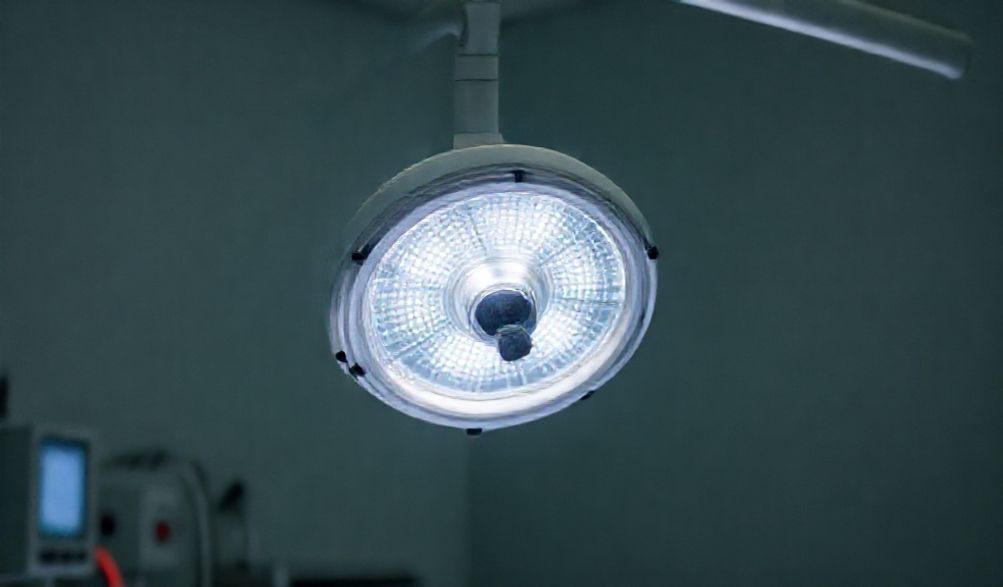
Surgery Lamps: A Complete Guide to Types, Features, and Selection for Optimal Surgical Outcomes
In the high-stakes environment of an operating room, every tool is critical. Yet, one foundational element is so ubiquitous it risks being overlooked: the surgery lamp. Imagine a vascular surgeon navigating a complex aneurysm repair, where discerning the subtle difference between arterial wall layers is paramount. Or a neurosurgeon performing a delicate spinal procedure, where a single shadow could obscure a critical nerve root. In these moments, lighting is not merely illumination; it is an extension of the surgeon’s vision and a direct contributor to patient safety. A glare, a poorly defined shadow, or inaccurate color rendition can mean the difference between a routine procedure and a life-altering complication.
This guide serves as a comprehensive, expert-driven resource for the medical professionals who rely on this technology—surgeons, OR nurses, clinical engineers—and the administrative teams responsible for its procurement. Our purpose is to demystify the technical specifications and provide a clear framework for evaluating surgery lamps, synthesizing principles from surgical best practices, biomedical engineering standards, and clinical procurement guidelines. By the end, you will be equipped to understand key performance metrics, compare technologies, and make informed decisions that align clinical need with technical capability, ensuring optimal conditions for precision and safety in your operating theater.
The Critical Role of Surgical Lighting in Modern Medicine
surgical lighting has evolved far beyond simply “lighting up the room.” It is a sophisticated medical device engineered to create a visual environment that maximizes surgical accuracy and minimizes physiological strain on the surgical team.
Beyond Illumination: How Surgery Lamps Impact Patient Safety and Surgical Precision
The primary objective of a surgery lamp is to render the surgical site in the truest possible form. This has direct, measurable impacts:
- Reduced Error Rates: High-quality shadow reduction and excellent color rendering allow for precise differentiation of tissues, vessels, and anatomical structures. This clarity is crucial for tasks like identifying bile ducts during a cholecystectomy or distinguishing tumor margins in oncology surgery. Poor lighting can lead to misinterpretation, increasing the risk of iatrogenic injury.
- Enhanced Surgeon Ergonomics and Reduced Fatigue: Optimal lighting reduces visual strain. A lamp that provides deep, homogenous illumination allows surgeons to maintain a more natural posture, rather than straining or contorting to find a better angle of light. Over the course of long procedures, this reduction in physical and visual fatigue can help maintain peak performance and focus, contributing to better outcomes and improved surgeon well-being.
Key Performance Metrics: Understanding Lux, Color Temperature, and Depth of Illumination
To evaluate a surgery lamp, you must speak its technical language. Here are the core metrics, translated into clinical relevance:
- Illuminance (Lux): This is the measure of light intensity on a surface—in this case, the surgical field. Think of it as “brightness where it matters most.”
- Clinical Relevance: Insufficient lux forces the surgical team to work “in the dark,” while excessive lux can cause glare and visual discomfort. Modern standards, such as IEC 60601-2-41, typically recommend a minimum of 40,000 to 160,000 lux at the center of the field, depending on the depth and complexity of the procedure. A lamp should maintain high lux levels even at deeper cavity penetrations.
- Índice de Reproducción Cromática (IRC): Measured on a scale of 0-100, CRI indicates how accurately a light source reveals the true colors of objects compared to natural daylight (which has a CRI of 100).
- Clinical Relevance: A high CRI (≥90 is excellent, ≥95 is ideal for surgery) is non-negotiable. It allows for accurate differentiation between arterial blood (bright red) and venous blood (darker red), healthy pink tissue and ischemic or cyanotic tissue, and subtle variations in organ appearance. Low CRI lighting can distort these critical visual cues.
- Color Temperature (Kelvin, K): This describes the visual “warmth” or “coolness” of the light. It ranges from warm yellow (e.g., 3000K) to cool, daylight-like blue-white (e.g., 4500K).
- Clinical Relevance: A color temperature in the range of 4000K to 5000K is generally preferred in surgery. It provides a bright, neutral white light that enhances contrast and reduces the yellowish tint that can mask clinical signs like jaundice.
- Profundidad de Iluminación: This refers to the lamp’s ability to deliver adequate, homogenous light deep into a body cavity (e.g., during open abdominal or pelvic surgery) without a significant drop in intensity or the creation of shadows from the rim of the incision.
- Clinical Relevance: A lamp with poor depth of illumination will require constant repositioning and may leave the deepest part of the wound in relative darkness, compromising visualization and safety.
Types of Surgery Lamps: Technology and Applications
The core technology inside the lamp head defines its performance, efficiency, and suitability for the modern OR.
LED Surgery Lamps: The Modern Standard for Efficiency and Performance
Light Emitting Diode (LED) technology has become the undisputed leader in surgical lighting, and for good reason:
- Operación de Luz Fría: LEDs emit minimal infrared radiation, drastically reducing radiant heat on the surgical site. This helps prevent tissue drying and improves patient comfort.
- Exceptional Longevity & Reliability: LED units boast lifespans of 30,000 to 60,000 hours, compared to just 1,000-2,000 hours for halogens. This translates to years of operation without bulb replacement, reducing downtime and maintenance costs.
- Los LED consumen hasta un 80% menos de energía que los sistemas halógenos para producir la misma o mayor cantidad de luz, reduciendo los costes de servicios. LEDs consume significantly less power than legacy technologies, leading to substantial savings on electricity and a lower environmental footprint for the facility.
- Superior Optical Performance: Modern LED systems are engineered to deliver consistently high CRI (often >95) and excellent homogeneity right out of the box, with minimal degradation over time.
Applications: LED lamps are now the standard of care and are suitable for all surgical specialties, from general and orthopedic surgery to cardiac and neurosurgery.
Halogen and Xenon Lamps: Understanding Legacy Systems
While being rapidly phased out, understanding these technologies is important for managing existing inventory or upgrading older suites.
- Halogen Lamps: These were the workhorse of ORs for decades. They use a tungsten filament inside a gas-filled bulb. Their light is warm, and they can achieve good CRI, but they have major drawbacks: they are highly inefficient, converting most energy into heat; they have a short lifespan; and their light output degrades significantly over their life.
- Xenon Lamps: An advancement over halogen, xenon lamps produce a brighter, whiter light with good color rendering. However, they still generate substantial heat, have high power consumption, and require regular, costly bulb replacements.
Current Status: The high total cost of ownership and inferior performance compared to LEDs have made halogen and xenon lamps obsolete for new purchases. They may still be encountered in older facilities or in specific niche applications, but any procurement or upgrade should focus on LED technology.
Specialized Lighting: Lights for Endoscopy, Dental, and Minor Procedure Suites
Not all procedural lighting requires the full capability of a major OR light.
- Endoscopy/ Laparoscopy Lights: These are often simpler, smaller LED lights that connect directly to a camera system or light guide cable. Their key feature is high-intensity output in a small package to illuminate internal cavities via the endoscope.
- Dental and Examination Lights: Designed for procedures where the field is more superficial and accessible (e.g., dental work, wound care, minor dermatological procedures). They prioritize maneuverability and focused spot lighting over the deep-cavity illumination and complex shadow control of a major surgery lamp. It is a critical distinction: an “examination light” is no a substitute for a true “surgery lamp” in an operating room.
Essential Features to Evaluate When Choosing a Surgery Lamp
Beyond the light source itself, the design and functionality of the lamp system are crucial for daily clinical use.
Optical System Design: Focusing on Shadow Control and Homogeneity
The hallmark of a premium surgery lamp is its ability to eliminate distracting shadows. This is achieved through sophisticated optical design:
- Multi-Lens or Multi-Reflector Systems: High-end lamps use a configuration of multiple, overlapping light sources (LED clusters with individual lenses or reflectors). When one element’s light is obstructed by a surgeon’s head or instrument, the others fill in the gap, eliminating the “primary shadow.” Advanced systems also mitigate the faint “secondary shadow” (the penumbra), creating exceptionally homogenous light.
- Homogeneidad: This refers to the evenness of light across the entire illuminated field. There should be no bright “hot spots” in the center and dim edges. Good homogeneity ensures consistent visualization regardless of where in the field the surgeon is looking.
Maneuverability and Sterility: Articulation, Balance, and Handling
A lamp that is difficult to position is a liability.
- Articulation and Reach: The lamp must have enough joints (typically via a multi-segment boom) to be positioned precisely over the surgical field from any angle, without obstructing the surgical team or other equipment. It should hold its position securely without drift.
- Balance and Effort: The system should be perfectly balanced, allowing smooth, single-handed repositioning with minimal physical effort. This is vital for maintaining a sterile field, as a nurse or surgeon can adjust it without excessive force or contamination.
- Sterilizable Handles: The handles used for positioning must be designed for easy and effective disinfection, often being fully sealed and smooth to withstand repeated cleaning with hospital-grade disinfectants.
Integration and Compatibility: With Booms, Surgical Suites, and Imaging Systems
The lamp does not operate in isolation.
- Opciones de Montaje: Ceiling-mounted tracks or single-point booms are standard for major ORs, maximizing floor space. Wall-mounted or mobile floor stands are options for minor procedure rooms or specific needs.
- Interference with Imaging: In modern hybrid ORs with fixed C-arms, CT, or MRI, the lamp’s boom design and range of motion must be carefully planned to avoid collisions and ensure it can be positioned out of the way during imaging without compromising sterile drapes.
The Procurement Process: Guidelines for Hospitals and Surgical Centers
Selecting and purchasing surgery lamps is a strategic decision that requires a multidisciplinary approach.
Conducting a Clinical Needs Assessment: Matching the Lamp to the Surgical Specialty
Begin by consulting the end-users. Create a checklist:
* Types of Procedures: Does the room host deep-cavity abdominal surgery, superficial orthopedic procedures, or microsurgery?
* Surgical Team Size & Dynamics: How many people typically need visualization? This affects the required field size and shadow control.
* Room Size and Layout: Where are columns, other equipment booms, and the OR table located? This determines optimal mounting and boom reach.
* Future-Proofing: Are new, deeper-cavity procedures planned? Is integration with advanced imaging anticipated?
Navigating Standards and Certifications (IEC 60601-2-41)
This is non-negotiable. la IEC 60601-2-41 is the international standard specifying the safety and essential performance requirements for surgical luminaires and diagnostic luminaires. A lamp compliant with this standard has been rigorously tested for:
* Electrical safety (protection against shock).
* Mechanical safety (secure mounting, containment of broken glass).
* Thermal safety (limits on surface temperatures).
* Performance safety (adequate light output, color rendering, and shadow control).
Always verify certification. Procuring a non-certified device poses unacceptable clinical and legal risks.
Total Cost of Ownership (TCO): Upfront Cost vs. Long-Term Value
The purchase price is just the beginning. A true financial analysis includes:
* Instalación: Costs for ceiling reinforcement, electrical work, and assembly.
* Consumo de Energía: Calculate the annual cost difference between an energy-hungry legacy system and an efficient LED.
* Consumables & Maintenance: For halogen/xenon, factor in the cost and labor for bulb replacements every few months. For LEDs, inquire about the cost and schedule for any required preventive maintenance.
* Lifespan & Downtime: A lamp with a 10-year lifespan and minimal service needs offers far greater value than a cheaper alternative that requires frequent repairs and disrupts OR scheduling.
Maintenance, Sterilization, and Safety Best Practices
Proper stewardship of surgery lamps ensures they perform reliably and safely for their entire lifespan.
Protocolos de Limpieza y Desinfección de Rutina
- Golden Rule: Always follow the manufacturer’s specific instructions for use (IFU) for cleaning agents and methods.
- General Practice: After each procedure, all external surfaces, especially handles, should be wiped down with a hospital-grade disinfectant compatible with the materials. Avoid abrasive cleaners or excessive moisture near joints and electrical components.
Scheduled Preventive Maintenance and Performance Checks
A proactive maintenance schedule is essential.
* Comprobaciones de Rendimiento: At least annually, a clinical engineer or qualified technician should measure the central illuminance (lux), color temperature, and homogeneity to ensure they remain within specification.
* Inspección Mecánica: Verifique que todas las uniones y puntos de articulación tengan un movimiento suave, equilibrio y un bloqueo seguro. Inspeccione el sistema de suspensión en busca de desgaste.
* Registro de Datos: Mantenga un registro de todas las inspecciones, mediciones y servicios realizados.
Problemas Comunes y Solución de Fallos
- Parpadeo o Atenuación: Suele indicar un problema de fuente de alimentación o del driver. En los conjuntos de LED, podría ser un componente defectuoso. Acción: Retirar del servicio y contactar al soporte técnico.
- Movimiento Duro o Suelto: Puede requerir reequilibrado o lubricación de las articulaciones (solo con materiales aprobados por el fabricante). Acción: Programar una llamada de servicio.
- Deriva de Calibración (La luz parece más amarillenta o tenue): Degradación natural de las bombillas halógenas antiguas o posible fallo en un driver de LED. Acción: Realizar una verificación formal de medición de luz.
Sección de Preguntas Frecuentes
P: ¿Cuál es la vida útil típica de una lámpara de quirófano LED?
R: Las lámparas de quirófano LED de alta calidad suelen tener una duración nominal de 30.000 a 60.000 horas de funcionamiento. Con un uso normal en quirófano (≈2000 horas/año), esto se traduce en 15-30 años de servicio antes de que la salida de luz se degrade hasta un nivel que requiera reemplazo.
P: ¿Con qué frecuencia se debe calibrar o medir la intensidad de la lámpara de quirófano?
R: Debe verificarse al menos anualmente como parte de un programa de mantenimiento preventivo. Son recomendables verificaciones más frecuentes (por ejemplo, trimestrales) en entornos de alto uso o si los usuarios informan de un cambio subjetivo en la calidad de la luz.
P: ¿Se pueden usar lámparas de quirófano en salas de resonancia magnética o quirófanos híbridos?
R: Las lámparas de quirófano estándar no son seguras para resonancia magnética debido a sus componentes ferromagnéticos. Para salas de resonancia magnética o quirófanos híbridos, se deben especificar lámparas condicionales para resonancia magnética, que están construidas con materiales no magnéticos y han sido probadas para un funcionamiento seguro en el entorno específico de campo magnético.
P: ¿Cuál es la diferencia entre una “lámpara de quirófano” y una “luz de exploración”?
R: Una lámpara de quirófano es un dispositivo médico regulado construido según normas como la IEC 60601-2-41. Está diseñada para iluminación de cavidades profundas, reducción excepcional de sombras, alto IRC y gestión del calor. Una luz de exploración es para visualización superficial, carece de estas características de rendimiento rigurosas y no es adecuada para procedimientos quirúrgicos mayores.
P: ¿Cómo calculo el número de lámparas necesarias para un quirófano?
R: La mayoría de los quirófanos mayores modernos utilizan un sistema de doble lámpara (dos lámparas independientes en brazos separados). Esto proporciona redundancia si una falla y permite una eliminación óptima de sombras mediante iluminación cruzada desde dos ángulos. Las lámparas individuales pueden ser suficientes para salas de procedimientos menores.
P: ¿Hay luces específicas recomendadas para hospitales universitarios?
R: Sí. Considere lámparas con sistemas de cámara de alta definición integrados para grabación y transmisión. Además, las lámparas con la función de “luz de enseñanza” u “luz de observador” son valiosas. Esta es una segunda cabeza de luz más pequeña en el mismo brazo que proporciona una iluminación adecuada para un observador o asistente sin comprometer el campo estéril de la luz principal.
Conclusión
Seleccionar una lámpara de quirófano es una decisión estratégica con implicaciones de gran alcance. Es una inversión no solo en un equipo, sino en la precisión quirúrgica, la seguridad del paciente, la ergonomía del equipo y la eficiencia operativa a largo plazo. La elección requiere un equilibrio cuidadoso entre la comprensión de las especificaciones técnicas—lux, IRC, profundidad de iluminación—y su alineación con las demandas reales de su especialidad quirúrgica y la dinámica del quirófano.
Esta guía proporciona el conocimiento fundamental necesario para tomar esa decisión. Le recomendamos encarecidamente que la utilice como punto de partida para conversaciones informadas y multidisciplinarias. Consulte directamente con sus equipos quirúrgicos, ingenieros clínicos y proveedores de dispositivos médicos confiables y de buena reputación. Priorice siempre los equipos que estén completamente certificados según los estándares internacionales de seguridad y rendimiento. La luz correcta es un socio silencioso y vigilante en cada resultado quirúrgico exitoso.
¿Qué desafíos de iluminación ha encontrado su equipo? Comparta sus experiencias y preguntas para profundizar en la conversación sobre la optimización del entorno quirúrgico.
p>