
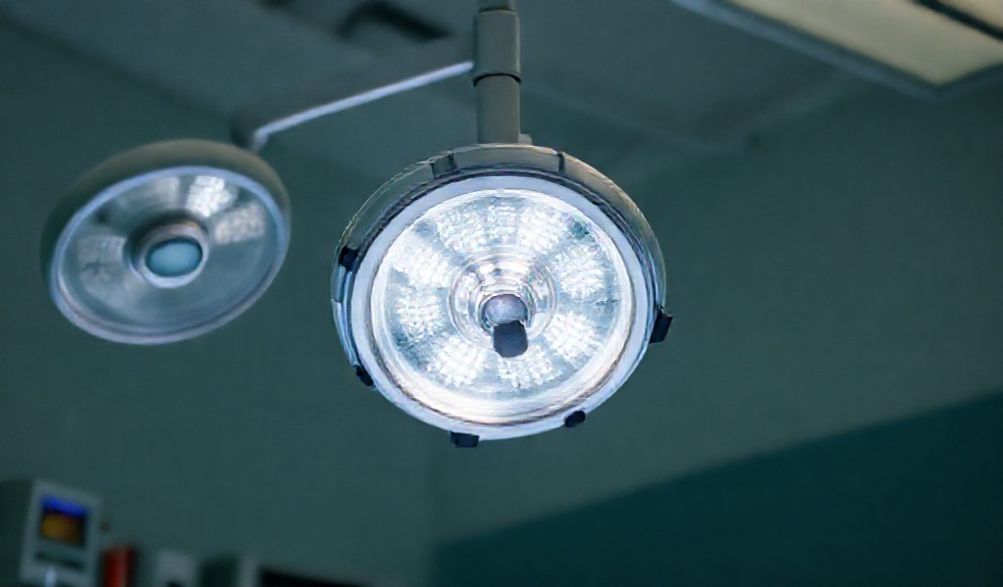
Surgery Lights: A Comprehensive Guide to Types, Features, and Selection for Optimal Outcomes
¿Qué diferencia un buen resultado quirúrgico de uno excelente? Si bien la habilidad, la tecnología y el trabajo en equipo son fundamentales, existe un elemento esencial que lo sustenta. visibility. In the high-stakes environment of the operating room, where millimeters and subtle color differences dictate decisions, lighting is not merely a utility—it is an extension of the surgeon’s senses. The right surgery light can enhance precision, reduce fatigue, and directly contribute to patient safety. The wrong one can cast deceptive shadows, distort tissue color, and become a source of frustration and risk.
This guide is designed to be your authoritative resource. Whether you are a surgeon advocating for better equipment, a hospital procurement specialist evaluating options, a surgical center manager planning an upgrade, or a medical student understanding OR fundamentals, this article synthesizes critical information from surgical ergonomics studies, peer-reviewed optics research, and technical specifications to provide a clear, unbiased framework. We will move beyond marketing jargon to explore the evolution, technology, and practical selection criteria for modern surgical illumination, empowering you to make an informed decision that benefits both the surgical team and the patient.
The Critical Role of Surgical Lighting in Modern Medicine
Beyond Illumination: Impact on Surgical Precision and Patient Safety
A surgery light does far more than just “light up the room.” Its core function is to create an optimal visual field that mimics natural daylight in a controlled, focused manner. Key performance aspects have direct clinical correlations:
- Reducción de Sombras: A surgeon’s hands, head, and instruments inevitably obstruct the light path. Advanced lighting systems use multiple, strategically placed point sources to fill in these obstructive shadows, ensuring critical anatomy is never hidden. Poor shadow management can lead to visual fatigue and, in worst-case scenarios, obscured bleeding points or anatomical landmarks.
- Color Rendering: Accurate differentiation between arterial and venous blood, healthy and necrotic tissue, or subtle variations in organ color is vital. Lighting with poor color fidelity can mask cyanosis, misinterpret tissue perfusion, or alter the appearance of bile or other fluids.
- Depth Perception: In deep-cavity surgeries like those in cardiothoracic, pelvic, or spinal procedures, the light must effectively penetrate and illuminate vertical walls without creating a “hot spot” only on the surface. This three-dimensional illumination is crucial for spatial orientation and instrument manipulation.
Studies have consistently linked superior surgical lighting to tangible benefits: reduced operative times due to improved visual clarity, decreased surgeon eye strain and neck fatigue, and ultimately, a positive impact on patient safety and outcomes by minimizing visual-error-related complications.
A Brief History: From Sunlight to LED
The quest for perfect surgical light has evolved dramatically:
* Early Days: Surgeons relied on natural sunlight or simple oil and gas lamps, severely limiting when and where surgery could be performed.
* Incandescent & Halogen: The introduction of electric bulbs was a revolution. Halogen lights, with their brighter, whiter light, became the standard for decades. However, they were extremely hot, energy-inefficient, and had short lifespans.
* Metal Halide/HID: These offered better efficiency and color temperature than halogen but still suffered from significant heat output, long “strike” times to reach full brightness, and contained hazardous materials.
* The LED Revolution: Light Emitting Diode (LED) technology now dominates. It represents a quantum leap: instant on/off, minimal infrared heat radiation (reducing tissue desiccation and surgeon discomfort), exceptional energy efficiency (saving ~70% over halogen), and lifespans measured in decades rather than hundreds of hours. The controllability of LED arrays also allows for unprecedented precision in beam shaping, shadow management, and color tuning.
Key Technical Features and Specifications Explained
Understanding these terms is essential for evaluating any surgery light system.
Illumination Metrics: Lux, Lumens, and Field Diameter
- Mide la cantidad total de luz emitida. Más lúmenes generalmente significan una luz más brillante, pero el enfoque del haz es crucial. A measure of the total visible light emitted by a source (its “luminous flux”). It’s a useful number but doesn’t tell the whole story.
- Lux (lx): This is the critical metric. It measures illuminance—how much light actually falls on a surface (lumens per square meter). A surgery light might produce 100,000 lumens, but what matters is the lux level at the surgical site, typically 40,000 to 160,000 lux at the center of the field. This ensures sufficient brightness for discerning fine detail.
- Diámetro del Campo: This defines the size of the illuminated area at a specific working distance (e.g., 1 meter). A good system provides a large, uniformly bright field (e.g., 30cm diameter at 1m) with a soft edge to facilitate easy repositioning.
Color Temperature and Rendering Index (CRI)
- Color Temperature (Kelvin, K): Describes the hue of “white” light. Lower temperatures (3000K) are warm/yellowish, while higher ones (7000K) are cool/bluish. The surgical sweet spot is typically 4000K to 5000K—a neutral, daylight-like white that promotes accurate tissue differentiation without causing blue-light-induced eye strain.
- Índice de Reproducción Cromática (IRC): On a scale of 0-100, CRI indicates how accurately a light source reveals the true colors of objects compared to natural daylight. For surgery, a CRI of 95 or higher is essential. A high CRI ensures that the subtle differences in tissue color, blood oxygenation (arterial vs. venous), and organ viability are rendered without distortion.
Shadow Management and Depth of Field
- Gestión de Sombras: This is achieved through optical design. Modern lights use a multi-source array (dozens to hundreds of individual LEDs) arranged in a specific pattern within a reflector bowl. When an obstruction blocks some LEDs, the others from different angles fill in the shadow, dramatically reducing its density. This is often expressed as a “shadow dilution” percentage.
- Depth of Field: Also called “deep-cavity illumination,” this refers to the light’s ability to penetrate into a wound cavity and illuminate the sides, not just the base. It is achieved through a combination of the light head’s aperture, reflector design, and the beam’s convergence. Good depth of field provides a 3D view critical for complex procedures.
Types of Surgical Lights: A Comparative Analysis
Ceiling-Mounted Surgical Lights: The Operating Room Standard
These are the workhorses of the main OR, offering maximum flexibility and performance.
- Single-Arm vs. Multi-Arm Configurations:
- Single-Arm: Offers a streamlined design, often at a lower cost. Ideal for smaller ORs or where a single light head is sufficient (e.g., many orthopedic or superficial procedures).
- Multi-Arm (Dual, Triple, or More): Provides unparalleled flexibility. Multiple independent light heads can be positioned by different members of the team (e.g., surgeon and assistant), virtually eliminating all shadows. They can also be combined to create a larger, brighter field for major trauma or transplant surgery. This is the preferred choice for large, multi-specialty ORs and teaching hospitals.
- Central vs. Perimeter Light Head Design:
- Central Design: The light sources are clustered in the center of the head. This can create a more focused, penetrating beam excellent for deep cavities but may produce a slightly harder-edged light field.
- Perimeter Design: LEDs are arranged in a ring around the edge. This design excels at creating an exceptionally wide, even, and shadow-reduced field, perfect for surface procedures like plastic surgery or large open abdominal cases.
Portable and Specialized Surgical Lights
- Lámparas Quirúrgicas de Cabeza: These wearable systems are indispensable for minimally invasive, dental, ENT, and neurological procedures. They provide coaxial illumination—light that follows the surgeon’s line of sight directly into a deep or narrow cavity, eliminating the head-shadow problem entirely. Modern LED headlights are lightweight, cool, and offer brightness and color temperature adjustability.
- Examination and Minor Procedure Lights: Found in outpatient clinics, emergency rooms, endoscopy suites, and labor & delivery. They are typically single-arm or wall-mounted units designed for flexibility over extreme intensity. They prioritize ease of positioning, sterilization, and cost-effectiveness for shorter, less invasive procedures.
How to Choose the Right Surgery Light: A Procurement Checklist
Assessing Clinical Needs by Surgical Specialty
One size does not fit all. Align the light’s strengths with procedural demands:
* Cardiac/Deep Cavity Surgery: Prioritize exceptional profundidad de campo y la penetration. Look for high central lux and a beam designed for deep illumination.
* Plastic/Reconstructive Surgery: Color accuracy (CRI >95) y la large, even field homogeneity are paramount for accurately assessing skin flaps, grafts, and tissue viability.
* Neurocirugía: Minimal heat emission (to avoid heating sensitive neural tissue) and precise, shadow-free illumination in a confined space are critical. Lightweight, maneuverable arms are also key.
* Orthopedic Surgery: Often requires high intensity to see into deep joints and bone cavities, combined with robust construction to withstand potential contact in a busy OR.
* Teaching Hospitals: Superior shadow reduction **alto CRI (≥95)** very wide, uniform field are non-negotiable to ensure both the attending and trainees have an identical, clear view.
Evaluación del Costo Total de Propiedad (CTP)
Mirar más allá del precio de etiqueta. Considerar:
1. Initial Purchase Price: The capital investment.
2. Consumo de Energía: LED systems consume a fraction of the power of halogen/HID, leading to significant annual savings.
3. Lamp/LED Replacement: Halogen bulbs fail frequently. Quality LED modules are rated for 50,000 a 100,000 horas—often 10-15 years of OR use—virtually eliminating this cost.
4. Maintenance & Service: Simpler LED systems with fewer moving parts and no bulbs can reduce service contracts and downtime.
5. Sterilization & Durability: Are the handles and light head designed for easy, rapid cleaning without degrading? Is the finish resistant to harsh chemicals?
Compatibility and Integration with the OR Ecosystem
The light must work within the OR’s physical and technological constraints.
* Mounting & Reach: Does the ceiling track or point allow for the light’s required footprint and weight? Does the boom have sufficient reach to cover the entire table without impeding anesthesiologists or equipment?
* Interference: Ensure the light’s electromagnetic emissions do not interfere with sensitive monitoring or imaging equipment.
* Sterile Draping: Is the light head compatible with disposable sterile drapes or handles? Is the design smooth and crevice-free to facilitate aseptic technique?
Maintenance, Sterilization, and Safety Standards
Protocolos de Limpieza y Desinfección de Rutina
Surgery lights are high-touch surfaces and potential vectors for Healthcare-Associated Infections (HAIs). Protocols must be strict:
* Between Procedures: Wipe down all handles, control panels, and accessible surfaces of the light head with an intermediate-level hospital-grade disinfectant.
* Daily/Weekly Terminal Cleaning: A more thorough cleaning per facility policy, following AORN (Association of periOperative Registered Nurses) and CDC guidelines.
* Sterile Drapes: For major procedures, a single-use sterile sleeve or drape should be applied to the entire light head or at minimum to the handles. Always follow the manufacturer’s instructions for use (IFU) Para evitar dañar componentes electrónicos u ópticos sensibles con productos químicos incompatibles.
Comprensión del Cumplimiento Normativo (FDA, IEC 60601)
Esto no es negociable para la seguridad del paciente y del personal.
* Autorización de la FDA: En los Estados Unidos, las luces quirúrgicas están reguladas como dispositivos médicos de Clase II. Comprar a un fabricante de renombre garantiza que el dispositivo ha pasado por el proceso de autorización 510(k) de la FDA, verificando su seguridad y eficacia.
* IEC 60601-1 y -2-41: Esta es la norma internacional para la seguridad y el rendimiento esencial del equipo eléctrico médico, siendo la Parte 2-41 específica para luces quirúrgicas. El cumplimiento garantiza protección contra descargas eléctricas, riesgos mecánicos, calor excesivo y radiación. Verifique siempre que cualquier sistema considerado cumpla con estas normas.
Preguntas Frecuentes (FAQ)
P: ¿Cuál es la vida útil típica de una lámpara quirúrgica LED?
R: Las luces quirúrgicas LED de alta calidad están diseñadas para durar entre 50.000 y 100.000 horas. Con un uso normal en quirófano (aproximadamente 2.000 horas al año), esto se traduce en 25 años o más antes de que la intensidad luminosa se degrade al 70% de su valor original (a menudo considerado su vida útil).
¿Con qué frecuencia necesitan servicio o calibración las luces quirúrgicas?
R: Se recomienda encarecidamente un mantenimiento preventivo anual. Esto implica revisar el equilibrio y el movimiento de los brazos mecánicos, inspeccionar las conexiones eléctricas y verificar los sistemas de control. La calibración formal de la intensidad lumínica (lux) y la temperatura de color debe realizarse según el programa del fabricante, típicamente cada 1-2 años, para garantizar un rendimiento consistente.
¿Se pueden modernizar los sistemas de luces halógenas antiguas con LED?
R: A veces. Algunos fabricantes ofrecen kits de modernización que reemplazan la bombilla halógena y el reflector por un módulo LED. Sin embargo, un análisis exhaustivo de costo-beneficio es crucial. La mecánica, óptica y cableado antiguos pueden no soportar plenamente el potencial del LED, y la inversión podría aplicarse mejor en un sistema LED moderno y totalmente integrado, diseñado para un rendimiento óptimo.
P: ¿Cuál es la característica más importante para un quirófano de un hospital universitario?
R: Un campo de luz reducción superior de sombras **alto CRI (≥95)** excepcionalmente amplio y homogéneo es primordial. Un sistema LED multi-brazo con diseño perimetral suele ser ideal, ya que garantiza que todos alrededor de la mesa—el cirujano principal, residentes, estudiantes de medicina y asistentes—tengan una visión clara, sin obstrucciones y uniforme del sitio quirúrgico.
P: ¿Hay luces específicas recomendadas para cirugía mínimamente invasiva?
R: Aunque las luces generales del techo se utilizan para la iluminación general del quirófano, los frontales quirúrgicos son frecuentemente la herramienta de elección para la CM (Cirugía Mínimamente Invasiva). Proporcionan luz directa y coaxial a través de los puertos laparoscópicos o incisiones profundas y estrechas, iluminando el área exacta que el cirujano está visualizando en el monitor sin proyectar sombras de su cabeza o de los instrumentos sostenidos cerca del puerto.
Conclusión
Seleccionar una luz quirúrgica es una decisión crítica que se sitúa en la intersección de la excelencia clínica, la responsabilidad financiera y la eficiencia operativa. No es simplemente comprar un equipo, sino invertir en una herramienta que impacta directamente en la precisión quirúrgica, el rendimiento del equipo y la seguridad del paciente. La transición del halógeno al LED ha proporcionado ganancias notables, pero comprender los matices del lux, el IRC, la gestión de sombras y el diseño del sistema es clave para aprovechar esos beneficios.
A medida que avance, utilice la lista de verificación aquí proporcionada. Consulte con su equipo de ingeniería clínica para la validación técnica. Lo más importante, exija una demostración práctica en un entorno de quirófano simulado—no hay sustituto para ver y sentir el rendimiento de la luz de primera mano. Revise evaluaciones en literatura publicada por pares y priorice el valor total, donde convergen un rendimiento clínico superior, una seguridad inquebrantable y un costo favorable durante toda la vida útil.
Su elección iluminará el camino hacia mejores resultados en los años venideros.
p>