
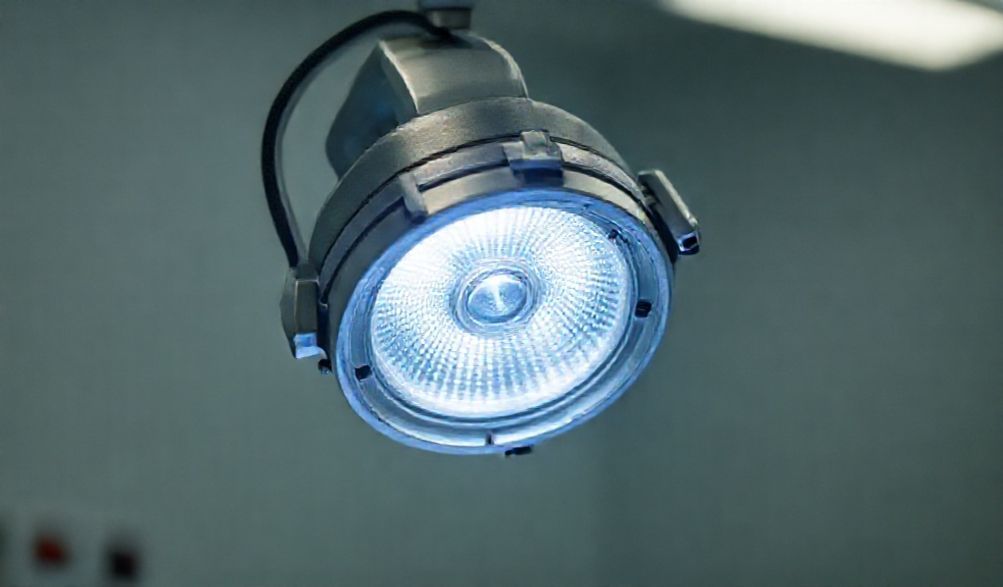
Surgical Head Lamps: A Surgeon’s Guide to Enhanced Precision, Safety, and Outcomes
Introduction
Every surgeon knows the moment: leaning into a complex anatomical field, where a millimeter’s deviation carries significant consequence. In these critical moments, the quality of your vision is paramount. Yet, the universal challenge remains—overhead operating lights, while essential, cast shadows, create glare, and often fail to illuminate the deepest recesses of a surgical site. The struggle for clear, shadow-free, and intensely focused light is a constant in the operating theater.
This is not merely a matter of convenience. Proper surgical illumination is a fundamental pillar of procedural success, as critical as a steady hand or a sharp scalpel. It directly impacts surgical precision, surgeon ergonomics, and, most importantly, patient safety. When visualization falters, risk increases.
This comprehensive guide delves into the essential world of the surgical head lamp. Far more than a simple headlamp, these sophisticated systems are engineered to become a seamless extension of the surgeon, delivering controlled light exactly where it’s needed. We will explore the technology behind these devices, break down their key features and benefits, and provide a clear framework for selecting the right system for your specific surgical discipline. Drawing from established surgical best practices, technical device specifications, and the evolving demands of modern minimally invasive surgery, this post serves as a definitive resource.
Whether you are a practicing surgeon seeking an upgrade, a surgical resident building your toolkit, a hospital procurement specialist evaluating options, or a surgical assistant optimizing the operative environment, this guide aims to empower you with the knowledge to make a truly informed decision about head-mounted lighting solutions.
Why Illumination is Critical in Modern Surgery
Beyond Basic Visibility: The Impact on Surgical Precision
The primary function of a surgical head lamp is to eliminate the barriers to perfect visualization. This goes far beyond simply “seeing better.”
- Depth Perception & Shadow Reduction: Overhead lights create shadows from instruments, hands, and even the surgeon’s head. A head-mounted light source, co-axial with the surgeon’s line of sight, dramatically reduces these obstructive shadows. This enhanced contrast and shadow control are crucial for accurately discerning tissue planes, identifying delicate structures like nerves and micro-vessels, and navigating complex three-dimensional anatomy.
- Color Differentiation & Tissue Recognition: Accurate color rendition is vital. Is that tissue ischemic, inflamed, or healthy? Modern LED-based head lamps provide a consistent, high-color-rendering index (CRI) light that reveals true tissue color, aiding in critical decision-making during dissection and ensuring complete removal of pathological tissue.
- The Link to Efficiency and Accuracy: Superior visualization translates directly to operative efficiency. With a clear, bright, and focused field, surgeons can work with greater confidence and speed, potentially reducing operative time. More importantly, it enhances accuracy, minimizing the risk of inadvertent damage to surrounding structures and ensuring the procedure is executed exactly as planned.
Ergonomics and Surgeon Well-being: Reducing Fatigue and Injury
The physical toll of surgery is well-documented, and poor lighting is a major, often overlooked, contributor.
- The Strain of Compensating: Inadequate or poorly positioned light forces surgeons into strained, static postures—craning the neck, hunching the shoulders, or twisting the torso—to “chase” the light. Over a long procedure or a career spanning decades, this leads to significant neck, back, and eye fatigue.
- The Ergonomic Solution: A properly fitted surgical head lamp brings the light source to the surgery, not the surgeon to the light. By delivering illumination directly down the visual axis, it allows the surgeon to maintain a neutral, comfortable posture. This reduction in physical strain improves concentration and endurance during long cases and is an investment in career longevity, helping to mitigate the risk of work-related musculoskeletal disorders.
Patient Safety and Improved Clinical Outcomes
Ultimately, every technological advancement in the OR circles back to one goal: improving patient care.
- Mitigating Iatrogenic Risk: Enhanced visualization is a direct patient safety intervention. By providing a clear view of the surgical field, a head lamp helps prevent accidental nicks, cuts, or thermal damage to critical adjacent structures. This is especially vital in fields like neurosurgery, spinal surgery, and reconstructive procedures where margins are exceptionally tight.
- Enabling Advanced Techniques: In minimally invasive surgery (laparoscopic, endoscopic) and microsurgery, the external light source is often physically incapable of reaching the operative site. A surgical head lamp becomes indispensable, providing the intense, focused illumination required to work through small portals or under high magnification. It expands the surgeon’s capability to perform safer, less invasive procedures with superior outcomes.
Key Components and Technology of a Surgical Head Lamp System
Understanding the core components of a head lamp system is key to evaluating its performance and suitability.
The Light Source: LED vs. Halogen/Xenon
The heart of the system is its light source, and here, technology has made a definitive leap.
- Halogen/Xenon (Legacy Technology): These were the standards for years, producing a bright, yellowish light. However, they have significant drawbacks: they generate intense heat (causing discomfort and tissue drying), have short bulb lifespans (often 50-100 hours), are less energy-efficient, and their color temperature and intensity degrade over the bulb’s life.
- LED (The Modern Standard): Light Emitting Diodes have revolutionized surgical lighting. They offer a cooler, whiter light that better mimics daylight, providing superior color accuracy. Their advantages are overwhelming:
- Minimal Heat: Virtually no infrared radiation, reducing thermal risk to patient tissue and surgeon comfort.
- Exceptional Lifespan: Rated for 20,000 to 50,000 hours, effectively making them “lifetime” bulbs for most users.
- Los LED consumen hasta un 80% menos de energía que los sistemas halógenos para producir la misma o mayor cantidad de luz, reduciendo los costes de servicios. Consume less power, leading to longer battery life.
- Instant On/Off & Consistent Output: Provide full brightness immediately with no warm-up time and maintain consistent intensity and color temperature throughout their lifespan.
Understanding Light Specifications: Lumens, Lux, and Color Temperature
Navigating the specs is easier when you know what matters.
- Mide la cantidad total de luz emitida. Más lúmenes generalmente significan una luz más brillante, pero el enfoque del haz es crucial. A measure of the total amount of visible light emitted by the source. Think of it as the “water flow” from a hose.
- Lux: This is the critical metric for surgeons. It measures the intensidad of light falling on a surface (lumens per square meter). It tells you how bright the surgical field will be. For a surgical head lamp, lux values at a given distance (e.g., 200mm) are what you compare.
- General/Plastic Surgery: 40,000 – 100,000 lux may be sufficient.
- Deep Cavity Work (Spine, Neuro, Cardiothoracic): 150,000 – 300,000+ lux is often recommended to penetrate depth without scattering.
- Temperatura de Color: Measured in Kelvin (K), it describes the “warmth” or “coolness” of the light. Surgical head lamps typically range from 4500K (warmer, slightly yellow) to 6000K+ (cool, daylight white). A temperature around 5500K-6000K is generally preferred for its neutral, high-contrast illumination that reveals true tissue color.
The Power System: Battery Packs and Compatibility
Mobility and reliability depend on the power system.
- Las de iones de litio (Li-ion) son estándar por su alta densidad energética y falta de efecto memoria. Lithium-ion (Li-ion) batteries are the standard due to their high energy density, lack of memory effect, and relatively light weight.
- Duración de la Batería: Look for runtime specifications at maximum brightness. A quality system should offer 4-8 hours on a single charge, enough for a full day’s surgical list. Consider systems with a battery indicator.
- Opciones de Montaje: Batteries can be belt-mounted (common, keeps weight off the head), back-mounted (for better balance in seated positions), or even integrated into a lightweight waistcoat. Cordless systems offer ultimate freedom of movement, while some high-output models may use a lightweight cable connected to a console for unlimited power.
Comfort and Design: Headbands, Balance, and Weight Distribution
A light you can’t wear comfortably is a light you won’t use effectively.
- Diseño de la banda para la cabeza: Look for adjustable, padded headbands made from materials that are breathable and compatible with standard sterilization methods (e.g., autoclaving). A secure, non-slip fit is essential during long, dynamic procedures.
- Balance and Weight: The total weight of the light source (LED module) and its mounting arm is crucial. The best systems are designed with a low center of gravity and counter-balancing to feel nearly weightless on the head, preventing neck strain. A low-profile design also minimizes interference with loupes, microscopes, or endoscopes.
How to Choose the Right Surgical Head Lamp: A Buyer’s Guide
Selecting a system is a balance of clinical need, technical specification, and personal ergonomics.
Assessing Your Surgical Specialty’s Needs
Different disciplines have different illumination priorities. Use this as a starting point:
| Surgical Specialty | Primary Need | Recommended Focus |
| :— | :— | :— |
| Neurosurgery / Spine | Deep cavity penetration, high-intensity spot | Very high lux (>150,000), adjustable focus, small spot size for depth. |
| ENT / Otology | Narrow, deep canal illumination | Very small, intense spot light; often integrated with loupes. |
| Plastic/Reconstructive | Broad, even field for surface work | Moderate to high lux, wider beam pattern, excellent color rendering. |
| Dental/Oral Surgery | Specific angled illumination of oral cavity | Angled light paths, compatibility with dental loupes, cordless for mobility. |
| General/Vascular | Versatility for open and deep procedures | Adjustable spot size, good depth of field, reliable battery life. |
Evaluating Key Features and Specifications
Create a checklist based on these core features:
- Light Output: What is the lux intensity at your typical working distance?
- Spot Size & Focus: Is it fixed or adjustable? Can you switch from a wide field to a pinpoint spot?
- Depth of Field: How large is the “in-focus” zone? A larger depth of field is beneficial when working at varying distances.
- Autonomía de la Batería y Carga: Does the runtime meet your daily needs? How long does a full charge take? Are spare batteries readily available?
- Ease of Sterilization: Which components are wipeable? Which are autoclavable? (Always follow the IFU).
- Garantía y Soporte: What is the manufacturer’s warranty? Is local technical support available?
Considering Integration and Workflow
Think about how the light integrates into your existing setup.
- Compatibilidad con lupas: Most systems offer mounting solutions for popular loupe frames. Ensure the combined weight and balance are still comfortable. Some manufacturers sell fully integrated loupe-light systems.
- Video & Documentation: If you record procedures, look for systems that offer a beam-splitter or camera mount to capture the head lamp’s illuminated view.
- Corded vs. Cordless: Cordless offers maximum freedom but is limited by battery life. Corded (battery belt or console) provides unlimited power but with the constraint of a cable.
Budgeting and Value: Initial Cost vs. Total Cost of Ownership
The purchase price is only part of the equation. Consider the Costo Total de Propiedad (CTP):
- Inversión Inicial: Includes the light source, headband, battery, and charger.
- Long-Term Costs: With LED systems, bulb replacement costs are virtually eliminated. However, factor in the cost of replacement batteries every few years and any potential service contracts.
- Value Proposition: A higher initial investment in a robust, comfortable, high-performance LED system often pays for itself through durability, reduced downtime, and the intangible benefits of improved surgical performance and reduced surgeon fatigue.
Best Practices for Using and Maintaining Your Head Lamp
To ensure peak performance and longevity, proper use and care are essential.
Proper Fitting and Adjustment for Optimal Performance
A poor fit leads to poor performance. Take time to set it up correctly:
1. Position the Headband: Center the band on your head, above the ears and eyebrows. Adjust the tension so it’s snug but not tight.
2. Balance the Light Module: Position the LED module on its mounting arm so its weight is centered over the bridge of your nose or slightly forward. It should feel stable, not pulling forward or backward.
3. Align the Beam: Look straight ahead at a target and adjust the arm so the hotspot is centered in your field of view without having to tilt your head.
Cleaning, Sterilization, and Storage Protocols
Es crucial seguir siempre las Instrucciones de Uso (IFU) específicas del fabricante. Las pautas generales incluyen:
* **Después de cada uso:** Limpie el módulo de la fuente de luz, el cable y la carcasa de la batería con una toallita desinfectante de grado hospitalario. No sumerja en líquido a menos que se especifique.
* Esterilización: La banda para la cabeza y, a menudo, la funda protectora del módulo de luz están diseñadas para autoclave. Retire la fuente de luz y la batería antes de la esterilización.
* Almacenamiento: Almacene el sistema en un estuche limpio y seco. Para la salud de la batería, si se almacena durante períodos prolongados, cárguela aproximadamente al 50-60% de su capacidad.
Solución de Problemas Comunes
- **Luz tenue o parpadeante:** Primero, verifique la carga de la batería. Si usa un sistema con cable, revise las conexiones. Asegúrese de que el módulo LED esté firmemente sujeto.
- **Batería que no mantiene la carga:** Las baterías tienen una vida útil limitada (típicamente 2-3 años con uso regular). Si el tiempo de funcionamiento se reduce significativamente, es probable que sea momento de un reemplazo.
- **Ajuste incómodo:** Revise los pasos de ajuste. Asegúrese de que el peso esté equilibrado. Considere agregar o ajustar almohadillas si el fabricante lo permite.
Preguntas Frecuentes (FAQ)
**P: ¿Cuál es la vida típica de la batería para un lámpara quirúrgica LED moderna para la cabeza?**
R: La mayoría de los sistemas de alta calidad ofrecen de 4 a 8 horas de funcionamiento continuo con una sola carga al máximo brillo, lo que típicamente es suficiente para un día completo de cirugía. Verifique siempre las especificaciones para el modelo específico y el ajuste de brillo utilizado.
**P: ¿Puedo usar mi lámpara quirúrgica para la cabeza con mis lupas de aumento?**
R: Absolutamente. La mayoría de los sistemas están diseñados para ser compatibles. Muchos ofrecen brazos de montaje universales que se sujetan directamente al marco de sus lupas, o puede adquirir un sistema integrado del mismo fabricante. La clave es asegurar que la unidad combinada permanezca bien equilibrada y cómoda.
P3: ¿Cómo sé qué brillo (lúmenes/lux) necesito?
R: **Enfoque en la** lux **iluminancia** a una distancia estándar (ej. 200mm o 400mm). Para cirugía general y trabajo de superficie, 40,000-100,000 lux es común. Para especialidades de cavidad profunda como columna vertebral o neurocirugía, se recomiendan 150,000 lux o más. Elegir un sistema con intensidad ajustable le brinda flexibilidad para diferentes procedimientos.
**P: ¿Son difíciles de esterilizar las lámparas quirúrgicas para la cabeza?**
R: No, están diseñadas para el entorno de quirófano. La fuente de luz y el cable típicamente se limpian por limpieza con toallitas. La banda para la cabeza y, a menudo, una capa protectora sobre la luz son autoclavables. La regla más importante es **seguir siempre las Instrucciones de Uso (IFU) específicas del fabricante** para la limpieza y esterilización para evitar daños.
**P: ¿Cuál es la principal ventaja de LED sobre las fuentes de luz más antiguas?**
R: Los LED proporcionan múltiples ventajas decisivas: una luz más fría y blanca que reduce el secado de los tejidos y la incomodidad del cirujano; una vida útil extremadamente larga (miles de horas frente a cientos); mayor eficiencia energética para una mayor duración de la batería; y una salida de luz instantánea y consistente sin degradación con el tiempo.
Conclusión
A surgical head lamp **Una lámpara quirúrgica para la cabeza de alta calidad** es mucho más que un equipo; es una inversión vital en su capacidad quirúrgica y un contribuyente directo a una atención al paciente superior. Como hemos explorado, el sistema correcto mejora la precisión al proporcionar una iluminación de alta fidelidad y sin sombras, protege el bienestar del cirujano a través de un diseño ergonómico y, fundamentalmente, apoya la seguridad del paciente al minimizar el riesgo operatorio.
Elegir el dispositivo ideal requiere un análisis cuidadoso de sus requisitos clínicos, una evaluación confiable de las especificaciones del fabricante y un compromiso con el uso y mantenimiento adecuados. Es una decisión que combina el conocimiento técnico con la preferencia personal.
Lo alentamos a ir más allá de las limitaciones de la iluminación general estándar. Experimente la diferencia transformadora que la iluminación personal y enfocada puede hacer en su campo operatorio, su comodidad física y sus resultados quirúrgicos. ¿Su próximo paso? Consulte con colegas que usen diferentes sistemas, organice una demostración práctica con un proveedor de dispositivos médicos de renombre y revise cuidadosamente las especificaciones de los modelos adaptados a su especialidad. Ilumine su arte.
p>