
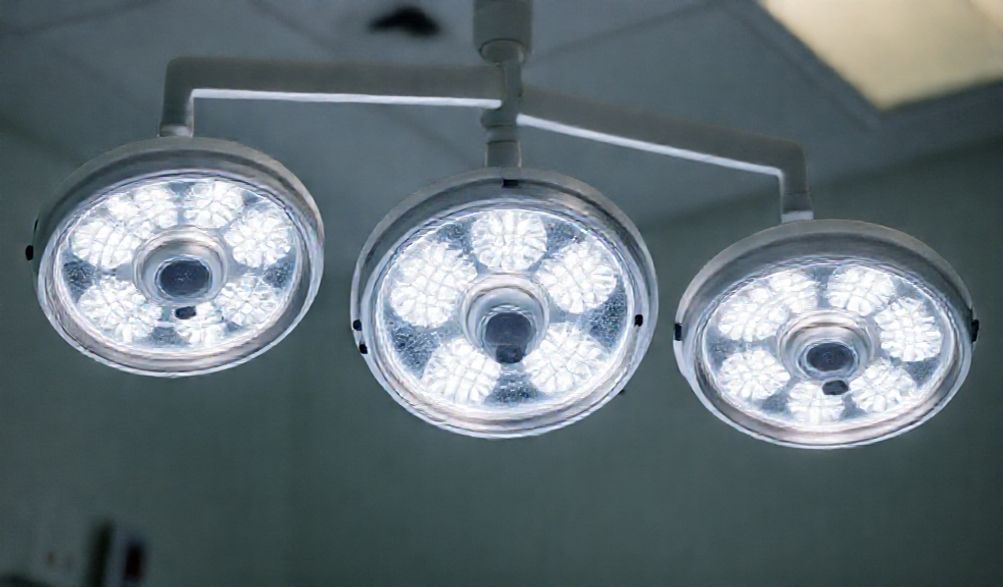
Surgical Lights for Sale: The Ultimate Buyer’s Guide for Healthcare Facilities
In the high-stakes environment of an operating room, every detail matters. While the skill of the surgical team is paramount, their performance is profoundly influenced by the tools at their disposal. Among these, surgical lighting is not merely a utility; it is a foundational component of patient safety, surgical precision, and staff well-being. A suboptimal light can cast shadows, cause eye strain, distort tissue color, and ultimately, compromise outcomes. Therefore, the decision to purchase new surgical lights is a strategic investment in clinical excellence, not just a routine equipment upgrade.
This comprehensive guide is designed to empower hospital administrators, OR managers, and procurement specialists. Our purpose is to provide you with expert, unbiased, and actionable information, cutting through the marketing jargon to help you make a confident, informed purchasing decision. We understand you are in the critical research phase, comparing a complex array of technologies, features, and vendors. We promise a clear framework to evaluate your options. We will cover the evolution of lighting technology, the essential features to scrutinize, the different types and configurations available, a practical guide to navigating the market, and a transparent look at cost considerations and return on investment.
Understanding Modern Surgical Lighting Technology
Before comparing models and requesting quotes, it’s crucial to understand the core technology that defines modern surgical illumination. This knowledge forms the basis for every subsequent evaluation.
From Shadow to Precision: A Brief Evolution
Surgical lighting has come a long way from the hot, glaring incandescent bulbs of the past. Early systems often created significant shadows, generated intense heat that could dry out tissue and discomfort the surgical team, and suffered from inconsistent color rendering. The introduction of halogen lights was an improvement, offering better color temperature, but they still produced considerable heat and had relatively short lifespans. The true revolution arrived with Light Emitting Diode (LED) technology, which has now become the unequivocal standard in operating rooms worldwide.
LED Dominance: Why It’s the Standard Today
The shift to LED is driven by undeniable advantages that directly impact clinical and operational efficiency:
* Operación más Fría: LEDs emit minimal infrared radiation, drastically reducing the heat directed onto the surgical site and the surgical team’s heads and hands. This enhances patient safety and staff comfort during long procedures.
* Exceptional Lifespan: Modern LED surgical lights boast lifespans of 40,000 to 60,000 hours or more, compared to just 1,000-2,000 hours for traditional halogen bulbs. This translates to years of operation without bulb replacement.
* Los LED consumen hasta un 80% menos de energía que los sistemas halógenos para producir la misma o mayor cantidad de luz, reduciendo los costes de servicios. LEDs consume significantly less power to produce equivalent or greater illumination, leading to substantial cost savings on energy bills and a reduced environmental footprint.
* Consistent & Tunable Output: LEDs provide extremely stable color temperature and intensity from the moment they are switched on, with no warm-up time. Many advanced systems now offer tunable white light, allowing surgeons to adjust the color temperature to optimize contrast for specific tissues.
Key Lighting Metrics Explained
When reviewing specifications, you will encounter specific technical terms. Understanding these is key to comparing apples to apples.
* Lux / Illuminance (Brightness): This measures the amount of light falling on the surgical field. While extremely high lux (e.g., 160,000+) was once a primary selling point, the modern focus is on optimal, homogeneous illumination—typically between 40,000 to 160,000 lux—without causing glare or “hot spots.”
* Índice de Reproducción Cromática (IRC): Perhaps the most critical metric. CRI measures a light source’s ability to reveal the true colors of objects compared to natural light. A CRI of 90+ is considered good, but for surgery, a CRI of 95 or higher is essential for accurately distinguishing between tissues, arteries, veins, and organs.
* Temperatura de Color (Kelvin): Measured in Kelvins (K), this describes the hue of the white light. “Cool” white light has a higher Kelvin (4000K-5000K) and can enhance contrast, while “warm” light (3500K-4000K) may be perceived as more comfortable. Tunable systems offer the best of both worlds.
* Profundidad de Iluminación: This refers to the light’s ability to provide deep-cavity illumination without a significant drop in intensity or quality. A good depth of illumination ensures consistent light even in deep surgical sites, like during spinal or pelvic procedures.
Essential Features to Evaluate When Buying Surgical Lights
Beyond basic specs, the day-to-day functionality and reliability of a surgical light are determined by its design and features. Here are the critical areas to assess during a demo or when reviewing a proposal.
Optical System & Light Field Quality
The core purpose of the light is to illuminate the surgical site flawlessly.
* Homogeneous vs. Focused Light Fields: A perfectly homogeneous light field provides even illumination across the entire diameter with no central hot spot or dim edges. This reduces eye fatigue as the surgeon’s pupils don’t need to constantly adjust. Some systems offer a focusable spot for moments requiring extreme concentration on a tiny area.
* Glare Reduction & Shadow Control: Advanced optical systems use multiple LED modules and specially designed reflectors or lenses to minimize glare and the shadows cast by the surgeon’s head and hands. Look for terms like “deep-dish reflector design” or “multilens optical system.”
* Edge-to-Edge Uniformity: The illuminance should remain consistent from the center to the very edge of the defined light field, ensuring the entire wound is visible under optimal light.
Maneuverability & Ergonomic Design
A light that is difficult to position is a hindrance, not a help.
* Alcance y Articulación: Evaluate the light’s range of motion. Can it be easily positioned over any part of the patient, from head to toe, without needing to move the surgical table? Check the number and type of joints (friction-based, magnetic, etc.) for smooth, stable movement.
* Balance Systems: Counterbalance systems are crucial. The light should feel weightless when repositioning, staying firmly in place once released, without any drift or “drop.” This protects staff from strain and prevents accidental movement during surgery.
* Ease of Sterilization: All external surfaces, especially handles and control panels, must be designed for easy and thorough cleaning and disinfection. Seamless, crevice-free designs are preferable.
* Touchless Control Options: Many premium lights now offer touchless control via sterile handles, foot pedals, or voice activation. This helps maintain the sterile field and improves workflow efficiency.
Safety & Reliability Features
En el quirófano, el fallo del equipo no es una opción.
* Backup Systems (Redundant LEDs): The best systems have multiple independent LED modules. If one module fails, the others automatically compensate to maintain adequate illumination, allowing the procedure to continue safely.
* Fail-Safe Brakes and Thermal Management: Magnetic or mechanical fail-safe brakes ensure the light arm cannot fall. Effective thermal management systems prevent the LED drivers from overheating, ensuring long-term reliability.
* Compliance Standards: Verify that any light under consideration complies with relevant medical device safety standards, such as la IEC 60601-1 (seguridad general) y la IEC 60601-2-41 (particular requirements for surgical lights).
Integration & Compatibility
Consider the light as part of the larger OR ecosystem.
* Camera/Recording Systems: Does the light have integrated or easily attachable camera ports for documentation, teaching, or telemedicine? Is the light intensity automatically adjusted for optimal video recording?
* Compatibility with Booms and Infrastructure: If you are replacing only the light head, ensure it is compatible with your existing ceiling booms, track systems, and electrical infrastructure. For a full system replacement, assess the installation requirements for your facility.
Top Types & Configurations of Surgical Lights
The “right” light depends heavily on your facility’s specific needs, surgical specialties, and physical space.
Single vs. Dual Head Lights: Choosing the Right Setup
- Single-Head Lights: Offer a simpler, often more cost-effective solution. They are excellent for smaller ORs or procedures where a single, centralized light field is sufficient. Modern single heads often provide ample, homogeneous illumination for a wide range of general surgeries.
- Dual-Head Lights: The standard for most major operating rooms. Two independently maneuverable heads allow for shadow reduction by illuminating the site from two angles. They provide greater flexibility for complex procedures, team-based surgery, and excellent deep-cavity illumination. The trade-off is higher cost and a larger physical footprint.
Ceiling-Mounted vs. Mobile/Floor-Stand Lights
- Ceiling-Mounted Lights: The preferred choice for dedicated, fixed operating rooms. They save floor space, eliminate trip hazards from cables or bases, and typically offer the greatest range of motion and stability. Installation requires ceiling structural support and planning.
- Mobile/Floor-Stand Lights: Offer ultimate flexibility. Ideal for multi-purpose procedure rooms, outpatient surgery centers, labor & delivery suites, or field hospitals. They can be wheeled where needed and stored away. However, the base occupies floor space and can be an obstacle, and the range of motion may be more limited than a ceiling-mounted system.
Specialty Lights for Specific Procedures
Beyond general surgery lights, consider specialized options:
* Luces para Neurocirugía y Columna: Often feature exceptionally high depth of illumination and may include integrated loupe lighting.
* Luces para ORL y Oftalmología: Typically are smaller, more maneuverable heads designed for focused illumination in confined anatomical spaces.
* Endoscopy/Laparoscopy Lights: While the monitor provides the primary view, auxiliary overhead lights are still needed for open ports or emergency conversion.
Navigating the Market: Brands, Suppliers, and Procurement
With a solid understanding of your needs, you can engage with the market strategically.
Leading Manufacturers: An Overview
The global market includes several established players, each with its strengths. A neutral overview includes:
* Global Giants: Companies like Stryker, Steris, y Getinge offer comprehensive, integrated OR solutions with strong reputations for innovation, extensive service networks, and advanced features like integrated imaging and data connectivity.
* Specialized & Regional Brands: Manufacturers like Dr. Mach, Brandon Medical, y Simeon Medical are often recognized for specific strengths, such as exceptional optical quality, robust ergonomics, or competitive value propositions. Many regional brands provide excellent service and support within their geographic markets.
New vs. Refurbished Surgical Lights: A Cost-Benefit Analysis
This is a significant decision point with clear trade-offs.
* New Lights:
* Ventajas: Full manufacturer warranty (often 3-5 years on LEDs), latest technology and features, compliance with current standards, predictable lifespan.
* Desventajas: Higher initial capital investment.
* Refurbished Lights:
* Ventajas: Lower upfront cost (often 30-50% less than new), can be a good way to standardize equipment on a budget.
* Desventajas: Warranty is typically shorter (1-2 years) and from the refurbisher, not the OEM. Technology may be a generation behind. It is critical to use an ISO-certified refurbisher who replaces all wear parts and provides full documentation of the refurbishment process and compliance.
The Procurement Checklist
Follow a structured process to ensure a successful purchase:
1. Conduct a Needs Assessment: Involve surgeons, nurses, and biomedical engineering. What procedures are performed? What are the frustrations with current lights?
2. Define Budget & Scope: Determine capital budget and decide between new vs. refurbished, single vs. dual head, etc.
3. Request for Information (RFI) / Quote: Send detailed specs to shortlisted vendors. Ask for total delivered price, including installation, training, and first-year service.
4. Schedule Clinical Demonstrations: This is non-negotiable. Have surgeons use the lights in a simulated or actual OR setting. Test maneuverability, shadow control, and color rendering.
5. Evaluate Warranty & Service Contracts: Scrutinize what is covered (parts, labor, travel). Understand the supplier’s local service response time and support structure.
6. Plan for Installation: Coordinate with the vendor and facilities team for a seamless installation with minimal OR downtime.
Cost Considerations and ROI of Surgical Lighting
The price tag is only one part of the financial equation.
Breaking Down the Price Factors
El costo varía ampliamente según:
* Tecnología y Características: El color sintonizable, los controles sin contacto, la integración de cámaras y la óptica premium aumentan el costo.
* Marca y Posición en el Mercado: Las marcas globales establecidas suelen imponer una prima de precio.
* Configuración: Un sistema de doble cabezal montado en el techo es más costoso que una lámpara móvil de un solo cabezal.
* Complejidad de la Instalación: La modernización de un quirófano antiguo puede requerir más trabajo estructural que una construcción nueva.
Costo Total de Propiedad (CTP) Más Allá del Precio de Etiqueta
Una luz más barata puede resultar más costosa a largo plazo. Considere:
* Consumo de Energía: Las luces LED pueden reducir los costos energéticos del quirófano en cientos de dólares al año, por luz.
* Mantenimiento y Tiempo de Inactividad: Tome en cuenta el costo de los contratos de servicio y los ingresos potenciales perdidos si un quirófano está inactivo por una falla en la luz. Los sistemas de alta confiabilidad tienen un CTP más bajo.
* Reemplazo de Bombillas: Con los LED, este costo prácticamente se elimina durante una década o más.
Justificación de la Inversión: Retorno de la Inversión (ROI) en los Resultados Quirúrgicos
La iluminación de calidad ofrece un retorno tangible:
* Precisión Quirúrgica Mejorada: La diferenciación precisa de tejidos puede reducir las lesiones iatrogénicas y mejorar los resultados.
* Reducción de la Fatiga del Cirujano: La luz homogénea y sin deslumbramientos minimiza la fatiga visual, permitiendo potencialmente un rendimiento más prolongado y enfocado.
* Eficiencia Mejorada: Las luces fáciles de posicionar y la integración fluida en el flujo de trabajo pueden reducir minutos del tiempo del procedimiento.
* Satisfacción y Seguridad del Personal: El diseño ergonómico y la operación fresca contribuyen a un entorno de trabajo mejor y más seguro.
Preguntas Frecuentes (FAQ) Sobre Luces Quirúrgicas
P: ¿Cuál es la vida útil típica de una luz quirúrgica LED moderna?
Las luces quirúrgicas LED modernas están diseñadas para durar entre 40,000 y 60,000 horas. Con un uso promedio en quirófano, esto se traduce en 10-15 años o más antes de que haya una caída significativa en la salida de luminancia.
P3: ¿Con qué frecuencia requieren mantenimiento o calibración las lámparas quirúrgicas?
El mantenimiento preventivo de rutina, según lo recomendado por el fabricante (generalmente anual), es crucial. Esto incluye verificar el equilibrio, la función del freno, la seguridad eléctrica y limpiar los componentes ópticos. No existe una “calibración” para los LED en el sentido tradicional, pero se debe verificar la intensidad y la consistencia del color.
P3: ¿Podemos modernizar nuestro brazo de luz quirúrgica existente con un nuevo cabezal LED?
Frecuentemente, sí. Muchos fabricantes ofrecen cabezales de actualización LED compatibles con sus propios brazos más antiguos, y algunas empresas de terceros se especializan en modernizaciones entre marcas. Es necesaria una inspección del sitio por un ingeniero calificado para confirmar la compatibilidad mecánica, eléctrica y de peso.
P4: ¿Qué garantía debemos esperar y qué suele cubrir?
Para luces nuevas, espere una garantía completa de 3-5 años en los módulos LED y la electrónica principal, y de 1-2 años en otros componentes. Debe cubrir piezas y mano de obra por defectos. Para unidades reacondicionadas, un distribuidor acreditado ofrecerá una garantía de 1-2 años en su mano de obra y las piezas reemplazadas.
P5: ¿Cómo nos aseguramos de que las luces que compramos cumplan con las regulaciones de dispositivos médicos de nuestro país?
En EE. UU., la luz debe tener la autorización 510(k) de la FDA. En la UE/Reino Unido, debe tener la marca CE/UKCA bajo el MDR/IVDR. En otras regiones, busque las certificaciones locales pertinentes. Solicite siempre la documentación regulatoria del dispositivo al proveedor.
Conclusión
Elegir las luces quirúrgicas adecuadas es una decisión multifacética que equilibra el rendimiento clínico, la ergonomía del personal, la confiabilidad a largo plazo y el impacto financiero total. Es una inversión en la infraestructura fundamental de su quirófano.
Utilice esta guía como un marco para construir sus requisitos y evaluar a los proveedores. Recuerde, el paso más importante es la demostración clínica. Insista en ver y manejar las luces en un entorno realista. Colabore con proveedores acreditados que ofrezcan acuerdos de servicio sólidos y soporte local.
Su objetivo final es equipar a su equipo quirúrgico con las mejores herramientas posibles para que rindan al máximo. Al realizar una inversión estratégica e informada en una iluminación quirúrgica superior, está contribuyendo directamente a una mayor seguridad del paciente, mejores resultados quirúrgicos y un entorno de trabajo más eficiente y satisfactorio para todo el personal de quirófano.
p>