
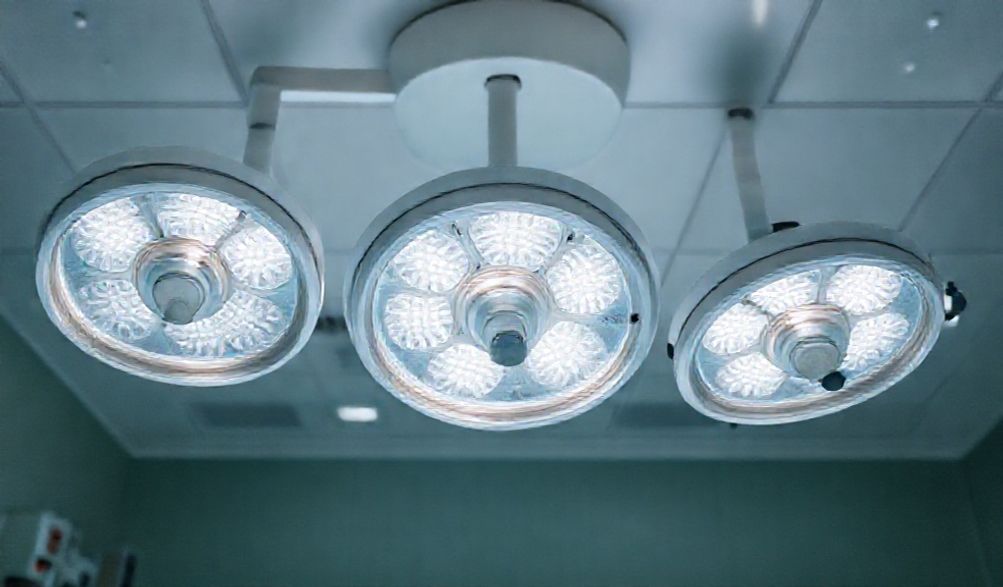
Surgical Operating Room Lights: A Guide to Technology, Selection & Safety Standards
What if the single most important tool in an operating room isn’t held by a surgeon, but hangs silently above them? While scalpels, clamps, and imaging systems rightfully command attention, the quality of illumination in the surgical field is a foundational pillar of successful outcomes. Inadequate lighting can obscure critical anatomical details, increase surgeon eye strain and fatigue, and ultimately compromise patient safety. Selecting the right surgical operating room lights is therefore not a mere procurement task; it is a strategic decision that impacts precision, efficiency, and clinical results.
This guide is built on a foundation of technical research, analysis of manufacturer specifications, and a review of established clinical safety protocols. Whether you are a hospital procurement officer navigating a capital purchase, a surgical facility manager planning an upgrade, or a medical professional seeking to understand the technology at work overhead, this article aims to provide a comprehensive, unbiased resource. We will demystify the core technology behind modern luminaires, outline the essential features for selection, delve into the non-negotiable safety standards, and glimpse into the future of intelligent OR illumination. Let’s begin by understanding the engineering that makes today’s advanced surgical operating room lights possible.
Understanding the Technology Behind Modern Surgical Lights
The journey from a simple lamp to a sophisticated surgical luminaire is a story of relentless innovation focused on clarity, safety, and control. Understanding this technology is the first step in making an informed selection.
From Shadowless Halogen to Advanced LED: The Evolution
The quest for optimal surgical light began with rudimentary incandescent lamps, which cast harsh shadows and generated excessive heat. The introduction of halogen bulbs marked a significant leap, offering brighter, whiter light. Halogen systems, often using a ring of multiple bulbs with parabolic reflectors, became the standard for decades, prized for their good color rendering.
However, the true revolution arrived with Light Emitting Diode (LED) technology. LEDs have now overwhelmingly become the standard for new surgical operating room lights, and for compelling reasons:
* Operación más Fría: LEDs emit minimal infrared radiation, drastically reducing the heat directed onto the surgical site and the surgical team. This is critical for patient tissue safety and staff comfort.
* Exceptional Lifespan: With operational lives often exceeding 50,000 hours, LEDs eliminate the frequent and costly bulb replacements associated with halogen systems.
* Los LED consumen hasta un 80% menos de energía que los sistemas halógenos para producir la misma o mayor cantidad de luz, reduciendo los costes de servicios. LEDs consume significantly less power, leading to substantial operational cost savings and a reduced environmental footprint.
* Consistent Performance: LED output does not degrade or shift in color temperature over its lifespan as halogen bulbs do, ensuring consistent illumination day after day, year after year.
Core Optical Systems: How “Shadowless” Light is Achieved
The term “shadowless” is somewhat of a misnomer; the goal is not to eliminate all shadows but to reduce them to soft, low-contrast penumbras that do not obscure detail. This is achieved through sophisticated optical systems.
Modern lights use a multi-point source system. Instead of one bright bulb, a cluster of many small LED modules is arranged, often behind a complex lens or reflector assembly. Each module emits light from a slightly different angle. When a hand or instrument interrupts the path from one module, light from the surrounding modules fills in the shadow, rendering it faint and diffuse. This principle, combined with parabolic reflectors that direct light in a parallel beam, creates a deep, uniform field of illumination.
This leads to the crucial concept of profundidad de campo. A high-quality surgical light maintains a consistent, high-intensity beam (measured in lux) across a range of working distances—for example, from 1 meter to 1.5 meters above the patient. This allows surgeons to move instruments in and out of the cavity without constantly needing to refocus or readjust the light, maintaining an uninterrupted workflow.
Key Technical Specifications Decoded
When evaluating surgical operating room lights, three technical specifications are paramount:
- Lux / Illuminance: This measures the intensity of light falling on a surface. Surgical procedures require extremely high illumination, typically ranging from 40,000 to over 160,000 lux at the center of the field. Deep-cavity surgeries (e.g., cardiothoracic, pelvic) demand the higher end of this spectrum.
- Índice de Reproducción Cromática (IRC): CRI measures a light source’s ability to reveal the true colors of objects compared to natural light. In surgery, accurate differentiation between tissues—arteries, veins, nerves, fat, and organs—is vital. A CRI of >90 (out of 100) is considered essential, with top systems offering CRI of 95+ to ensure lifelike and accurate tissue color.
- Temperatura de Color: Medida en Kelvin (K), describe la “calidez” o “frialdad” de la luz blanca. luces quirúrgicas halógenas, often offer adjustable color temperatures (e.g., 3500K to 5000K). Cooler light (4000K-5000K) provides a brighter, more alert sensation and can enhance contrast in bloody fields. Warmer light (3500K-4000K) may be perceived as softer and is sometimes preferred for longer procedures. Adjustability allows surgeons to tailor the light to the procedure and personal preference.
Essential Features for Selecting Operating Room Lights
Beyond raw technical specs, the usability and design of the light system directly impact daily OR efficiency and staff well-being.
Maneuverability and Ergonomic Design
A light that cannot be easily and precisely positioned is a hindrance. Surgical operating room lights must offer effortless maneuverability.
* Alcance y Articulación: Light arms should have a wide range of motion (horizontal reach, vertical travel) and multiple points of articulation to position the light head exactly where needed, even for off-center procedures, without obstructing the surgical team.
* Ease of Positioning: Features like large, easy-to-grip handles (often designed for aseptic manipulation with a forearm), perfectly balanced arms that stay in place, and smooth braking systems are critical. This reduces physical strain on circulating nurses and prevents accidental movement during surgery.
* Opciones de Montaje: The choice depends on OR layout and flexibility needs.
* Ceiling-mounted (single, double, or multi-arm) are the most common, freeing up floor space.
* Wall-mounted systems can be a solution for smaller or retrofit rooms.
* Mobile floor stands offer ultimate flexibility for multi-purpose rooms or as backup systems.
Sterility and Infection Control Design
The light is a permanent fixture in a sterile environment and must be designed accordingly.
* Superficies Limpiables: All exteriors should have seamless, smooth, and non-porous surfaces that can withstand repeated cleaning with harsh hospital-grade disinfectants without degrading.
* Minimized Dust Traps: The design should avoid crevices, seams, and grilles where dust and microbial contaminants can accumulate. Enclosed arms and sealed joints are ideal.
* Draping Compatibility: The light head and critical joints should be designed to accommodate sterile drapes easily for procedures requiring an absolute sterile field around the equipment.
Reliability and Redundancy Systems
In the middle of a life-saving procedure, light failure is not an option.
* Sistemas de Respaldo: High-end lights incorporate redundant LED modules and power supplies. If one module or driver fails, others automatically compensate with minimal loss of illumination, allowing the surgery to continue safely.
* Fail-Safe Mechanisms: Systems should have safeguards against total power loss. This can include a backup battery system that powers a basic level of light or a manual override to move the light arm if power is lost.
* Maintenance Indicators: Modern systems often include self-diagnostics that alert clinical engineering staff to impending issues (e.g., a failing fan, dropping output) before they cause a problem in the OR.
Safety, Standards, and Regulatory Compliance
When it comes to medical devices that will be used over patients during invasive procedures, compliance with rigorous safety standards is non-negotiable.
Navigating Key International Standards (IEC 60601-2-41)
The cornerstone standard for surgical operating room lights is la IEC 60601-2-41 (adopted with modifications in regions like the EU and US). This standard specifically addresses the essential performance and safety of surgical luminaires. It mandates requirements for:
* Seguridad Eléctrica: Protection against shock, with specific limits for leakage currents.
* Seguridad Mecánica: Stability of mounts, strength of arms, and safety of moving parts.
* Seguridad Térmica: Strict limits on surface temperatures to prevent burns.
* Optical Performance: Definitions and minimum requirements for illuminance, field diameter, and depth of illumination.
* Radiation Safety: Limits on UV and IR emissions.
Always demand proof of compliance with this and other relevant standards (like ISO 9680) from any manufacturer.
Managing Heat Dissipation and Tissue Safety
This is a direct patient safety issue. While LEDs are cool at the source, the high density of electronics in the light head still generates heat that must be managed.
* Effective Thermal Design: High-quality lights use advanced heat sinks and silent, redundant cooling fans to draw heat away from the LED array and dissipate it into the air away from the surgical field.
* Maximum Allowable Temperature: Standards define the maximum permissible temperature at a specified distance from the light head’s outer surface. Proper design ensures that even after hours of use, the risk of causing patient tissue drying or thermal injury is virtually eliminated.
Integrating with the Surgical Ecosystem
Today’s OR is a networked environment. Lights should not be islands.
* Boom and Ceiling Integration: Lights are often mounted on or integrated with equipment booms that also carry gases, power, and data. Coordination is needed for load capacity, cable management, and collision avoidance.
* Compatibility with Imaging: In hybrid ORs or for minimally invasive surgery, lights must work in harmony with large C-arms, MRI machines, and surgical navigation systems without causing electromagnetic interference or physical obstruction.
* Surgical Video Integration: Many lights offer built-in or attachable high-definition cameras for documentation, teaching, and telemedicine. The light’s color rendering and intensity must be optimized for both the surgeon’s eye and the camera’s sensor.
The Future of Surgical Lighting: Smart ORs and Beyond
La evolución de surgical operating room lights is moving towards greater intelligence and specialization.
Integration with Imaging and Augmented Reality
Lighting is becoming an active imaging component.
* Imagen por Fluorescencia: Specialized light modes (e.g., near-infrared) can be integrated to excite fluorescent dyes like Indocyanine Green (ICG), allowing surgeons to visualize blood flow, lymphatic tissue, or cancerous margins in real-time without additional bulky equipment.
* Augmented Reality (AR): As AR headsets enter the OR, lighting systems may adapt their spectrum or provide reference illumination to ensure virtual overlays align perfectly with the physical anatomy under optimal light.
Data Connectivity and Operational Efficiency
The “Internet of Medical Things” (IoMT) is reaching the OR ceiling.
* Mantenimiento Predictivo: Lights connected to the hospital network can transmit usage data and system health metrics, enabling predictive maintenance before a failure occurs.
* Operational Analytics: Data on light usage patterns can help optimize OR turnover times and scheduling.
* Automated Settings: Lights could automatically adjust presets based on the scheduled procedure type or the preferences of the surgical team logged into the room, streamlining setup.
Sección de Preguntas Frecuentes
Q1: What is the typical lifespan of LED surgical lights, and what is the cost of ownership?
A: High-quality LED surgical lights typically have a lifespan of 50,000 to 100,000 hours. Compared to halogen, this means decades of use without bulb replacement. The total cost of ownership is generally lower due to this longevity, combined with 40-60% energy savings and eliminated halogen bulb purchase and disposal costs.
¿Con qué frecuencia necesitan servicio o calibración las luces quirúrgicas?
A: Manufacturers provide specific guidelines, but annual preventative maintenance by clinical engineering is standard. This includes checking mechanical movement, cleaning internal filters, verifying illumination intensity (lux) and color metrics with a photometer, and testing backup systems. Calibration is crucial as output can drift over time.
¿Se pueden modernizar los sistemas de luces halógenas antiguas con LED?
A: While retrofit kits exist, they are often not recommended by original equipment manufacturers (OEMs). Retrofitting can pose challenges with heat dissipation in a housing not designed for LEDs, may void the original safety certifications (IEC 60601-2-41), and might not integrate properly with existing controls. Consulting the OEM is essential.
Q4: What are the most important factors when choosing lights for a specialty like neurosurgery or cardiothoracic?
A: These deep-cavity specialties demand exceptionally high illuminance (100,000+ lux) with excellent depth of field. A very high CRI (>95) is critical for differentiating subtle tissue and vessel shades. For cardiothoracic, a cooler color temperature may be preferred for contrast. Integration with intraoperative imaging is also a key consideration.
Q5: How does lighting contribute to surgical staff well-being and reducing fatigue?
A: Optimal lighting reduces visual and physical strain. High CRI and adjustable color temperature lessen eye fatigue from prolonged staring at tissues. Reduced glare and heat increase comfort. Ergonomic, easy-to-position lights prevent awkward postures and physical effort for staff, contributing to a less taxing work environment over long procedures.
Conclusión
Seleccionar surgical operating room lights is a critical, multi-faceted decision that balances advanced technology, practical ergonomics, uncompromising safety, and future-readiness. It is far more than a simple purchase of a “lamp”; it is an investment in the foundational tool of visual perception upon which all surgical skill depends.
As you evaluate options, trust must be earned. Involve your clinical engineering team to scrutinize technical compliance. Engage surgeons and nurses in hands-on evaluations of maneuverability and light quality. Demand and verify certificates of conformity to IEC 60601-2-41 and other applicable standards from manufacturers. Remember, the ultimate metrics are patient safety and surgical team performance.
In the end, optimal surgical lighting is a direct investment in precision, efficiency, and outcomes. It illuminates the path to success. Before making any final decision, insist on comprehensive on-site demonstrations and seek out peer references to see these systems in action, ensuring your choice truly meets the demanding needs of your modern operating room.
p>