
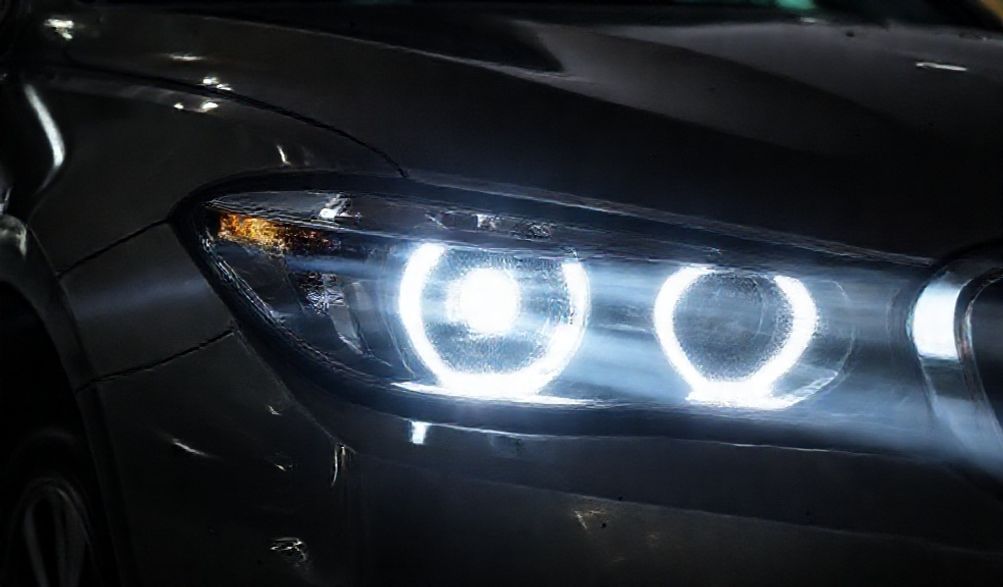
What Are Headlights? A Complete Guide to Function, Types, and Safety
Picture this: you’re driving home on a dark, winding country road. A steady rain blurs your windshield, and the inky blackness beyond seems absolute. Your grip tightens on the wheel. Then, with a flick of a stalk, you activate your headlights. Instantly, the world transforms. The road ahead materializes, painted in a pool of light that reveals the lane markings, the curve ahead, and the reflective eyes of a deer near the shoulder. In that moment, your headlights aren’t just an accessory; they are your primary sensory link to the world, the thin line between a safe journey and potential disaster.
But what are headlights, truly? Most of us take them for granted—simple switches we flip at dusk. However, they are one of the most critical and technologically advanced safety systems on your vehicle. This guide moves beyond the basic definition to explore the engineering, evolution, and essential maintenance of automotive headlights. Whether you’re a new driver, a seasoned car owner, or simply curious about how things work, understanding your headlights empowers you to drive more safely, make informed decisions about upgrades, and ensure your vehicle remains compliant and roadworthy. The information here is grounded in automotive engineering principles, manufacturer guidelines, and established vehicle safety standards, providing you with a reliable and comprehensive resource.
The Primary Function: More Than Just Illumination
At their core, headlights are the forward-facing lighting devices mounted on a vehicle, designed to illuminate the road and its surroundings during low-light conditions. However, this simple description belies a dual mandate that is fundamental to road safety.
- Seeing: This is the function we most readily appreciate. Headlights project light forward, allowing the driver to detect obstacles, pedestrians, animals, road curves, and signage well in advance. The quality, pattern, and reach of this light directly impact reaction time and decision-making.
- Being Seen: Equally important is the role of headlights in making your vehicle conspicuous to other road users. This includes oncoming traffic, vehicles you are following, cyclists, and pedestrians at intersections. In poor weather or at dawn/dusk, your headlights are your primary identifier on the road.
This two-fold purpose isn’t just theoretical; it’s a safety imperative. Studies consistently show a stark disparity between day and night accident rates. While only about 25% of travel occurs at night, roughly half of all traffic fatalities happen during nighttime hours, according to data from organizations like the National Highway Traffic Safety Administration (NHTSA). Properly functioning, well-aimed headlights are a key factor in mitigating this risk, making them not just convenience features but vital life-saving equipment.
A Brief History of Automotive Headlights
The journey to today’s sophisticated headlights began with remarkably humble technology.
The Early Days: Oil and Acetylene Lamps
Before electricity was integrated into automobiles, pioneers used oil lamps, similar to those on horse-drawn carriages. These provided a feeble, flickering glow. Soon after, acetylene (carbide) lamps became popular. These generated light by dripping water onto calcium carbide pellets, producing acetylene gas that was then burned. They were brighter than oil lamps but required manual lighting and constant maintenance to clear soot and replenish fuel and water.
The Sealed Beam Revolution
The introduction of electric lighting was a game-changer, but the true revolution came in 1940 with the standardized sealed beam headlight. This was a single, self-contained unit housing the filament, reflector, and lens in an airtight, vacuum-sealed glass capsule. It was durable, relatively cheap to replace, and created a uniform standard across the automotive industry. For decades, the round or rectangular sealed beam was the iconic face of the automobile.
The Modern Era: Halogen, HID, and LED
The quest for more light, efficiency, and design freedom drove the next wave of innovation. The halogen bulb (encased in a smaller, replaceable capsule within a composite headlight housing) offered brighter, whiter light than its sealed-beam predecessor. This was followed by High-Intensity Discharge (HID/Xenon) systems in the 1990s, which produced an intense arc of light. Most recently, Light Emitting Diode (LED) technology has taken over, offering exceptional efficiency, longevity, and compact size, allowing for the sleek, signature lighting designs seen on modern cars.
Understanding Modern Headlight Types & Technology
Today’s drivers encounter a mix of headlight technologies, each with distinct characteristics.
Halogen Headlights: The Common Standard
How they work: A halogen bulb is an advanced version of the traditional incandescent bulb. Electricity heats a tungsten filament inside a quartz glass capsule filled with halogen gas. The gas cycle redeposits evaporated tungsten back onto the filament, allowing it to burn hotter and brighter and last longer than a standard incandescent.
* Ventajas: Very low cost to purchase, simple technology, and easy to replace.
* Desventajas: Least efficient of modern types (converting most energy to heat), relatively short lifespan (~450-1,000 hours), and produce a yellowish light compared to newer standards.
HID (Xenon) Headlights: High-Intensity Discharge
How they work: HID systems have no filament. Instead, they create light by passing a high-voltage electrical arc between two electrodes inside a quartz capsule filled with xenon gas and metal salts. This requires a complex ballast to ignite and regulate the power.
* Ventajas: Produce 2-3 times more light than halogen with less power, longer lifespan (~2,000-8,000 hours), and emit a bright, white-to-bluish light that improves contrast.
* Desventajas: Significantly more expensive to replace, can cause severe glare if not installed in proper projector housings, and have a slight delay when first turned on (they need a moment to reach full intensity).
LED Headlights: Light Emitting Diodes
How they work: LEDs are solid-state devices. Light is emitted when an electrical current passes through a semiconductor material. They are incredibly small, allowing for arrays and complex shapes.
* Ventajas: Extremely energy-efficient, instant on/off, exceptionally long lifespan (often 15,000+ hours), compact size enabling innovative designs, and highly durable (resistant to vibration).
* Desventajas: Higher upfront cost, and they generate significant heat at the diode’s base, requiring sophisticated heat sinks or active cooling (like small fans) to prevent failure.
Laser Headlights: The Cutting Edge
How they work: Currently found only on a handful of high-end vehicles, laser headlights don’t project a laser beam onto the road. Instead, blue laser diodes excite a phosphor material (often inside the headlight unit), which then emits an intense, bright white light.
* Aplicación: Their key advantage is extreme range (illuminating up to twice the distance of top-tier LEDs) while remaining compact. They are typically used as the high-beam component in a hybrid system with LED low beams.
Key Headlight Systems and Features
Modern headlights are part of integrated systems designed for optimal performance and safety.
High Beams vs. Low Beams
This is the most fundamental control every driver must master.
* Low Beams: Designed for normal driving when other vehicles are present. The beam is patterned and aimed downward to illuminate the road ahead (typically 150-300 feet) while minimizing glare to oncoming traffic and vehicles ahead of you.
* High Beams: Provide maximum forward illumination (300-500+ feet) for use on dark, unlit rural roads. They should be dimmed promptly when approaching or following another vehicle. Using them improperly is not just rude; it’s dangerous and illegal.
Daytime Running Lights (DRLs)
These are automatically illuminated low-intensity lights (often a dedicated LED strip or dimmed high-beam filament) that make the vehicle more visible to others during daylight hours. Crucially, DRLs are not for road illumination at night—the taillights and instrument panel may not be on, creating a significant hazard.
Adaptive Front-Lighting Systems (AFS)
Also known as “bending” or “cornering” lights, these advanced systems swivel the headlight projectors in the direction you are steering. This actively illuminates the path you are turning into, rather than just straight ahead, greatly improving visibility on winding roads.
Automatic High Beams
Using a forward-facing camera or sensor, this system detects the headlights of oncoming vehicles or the taillights of vehicles ahead. It automatically switches between high and low beams, ensuring you always have the best possible light without ever dazzling other drivers.
Essential Headlight Maintenance and Safety
Proactive care is essential for headlight performance and safety.
Regular Cleaning and Inspection
Over time, polycarbonate headlight lenses oxidize due to UV exposure, turning cloudy or yellow. This can reduce light output by up to 80%. Regularly clean lenses with car wash soap, and use a dedicated headlight restoration kit or professional service to polish them clear. Also, inspect for cracks or moisture inside the housing, which indicates a seal failure.
Bulb Replacement: A Step-by-Step Guide
- Consulte su manual del propietario. It is the ultimate guide for your specific vehicle’s bulb type and access procedure.
- Wear gloves when handling halogen bulbs. Skin oils can create hot spots on the quartz glass, leading to premature failure.
- Disconnect the battery for safety, especially when dealing with HID ballasts.
- Replace bulbs in pairs. Even if only one has failed, the other is near the end of its life. Mismatched brightness is a safety issue.
Aiming and Alignment: Why It Matters
Headlights are precisely aimed at the factory. Over time, bumps, suspension changes, or even loading heavy cargo can knock them out of alignment. Misaligned headlights are a dual menace: they can blind oncoming drivers (if aimed too high) or drastically shorten your own visibility (if aimed too low). This is not a DIY adjustment for most people; a professional alignment using an optical aiming machine is recommended.
Legal Requirements and MOT/State Inspections
Headlights are heavily regulated. Rules govern their color (generally white or selective yellow), brillo, y pattern. Non-compliant aftermarket upgrades (like certain blue-tinted or ultra-bright LED kits in halogen housings) will cause your vehicle to fail its MOT (UK), state inspection (US), or equivalent, and can result in fines. Always ensure any modification is street-legal.
Preguntas Frecuentes (FAQ)
P: ¿Con qué frecuencia debo reemplazar las bombillas de mis faros?
R: It varies dramatically by technology. Halogen: ~450-1,000 hours of use. HID: ~2,000-8,000 hours. LED: often 15,000+ hours (potentially the life of the vehicle). Always replace in pairs to maintain even light output.
P: ¿Puedo actualizar mis faros halógenos a LED o HID?
R: Caution is paramount. Simple “plug-and-play” kits often cause dangerous glare and scatter light poorly because halogen housings have different focal points. A proper, safe, and legal upgrade usually requires installing the correct projector lenses, ballasts (for HID), and professional aiming. Research thoroughly to avoid creating a hazard.
Q: Why are my headlights cloudy or yellow?
R: This is UV-induced oxidation of the plastic polycarbonate lens. It’s a natural degradation that severely reduces light output. It can be reversed with a headlight restoration kit (sanding and polishing) or professional service.
P: ¿Es ilegal conducir con un faro apagado?
R: Yes, in virtually all jurisdictions. It severely compromises your visibility and makes your vehicle appear as a motorcycle to others, leading to misjudgments. It’s a ticketable offense and should be fixed immediately.
Q: What should I do if an oncoming driver has blinding high beams?
A: Safety Tip: Avoid looking directly at the lights, as this can cause temporary “night blindness.” Instead, Mire hacia el borde derecho de su carril o la línea blanca en el arcén.. Utilícelo como guía para mantener su posición en el carril hasta que el vehículo pase. No responda con sus luces altas, ya que esto solo aumenta el peligro para todos.
Conclusión
Los faros son mucho más que simples bombillas; constituyen un sistema de seguridad complejo, en evolución y vital, integral para la experiencia de conducción moderna. Desde sus humildes inicios como lámparas parpadeantes hasta los actuales conjuntos inteligentes y adaptativos de LED y láser, su misión central permanece inalterada: ver y ser visto. Como conductor responsable, comprender “qué son los faros” implica comprometerse con su mantenimiento proactivo. La limpieza regular, el reemplazo oportuno de bombillas en pares y garantizar una alineación adecuada son aspectos no negociables de la propiedad de un vehículo.
Recuerde que el manual del propietario de su vehículo es la máxima autoridad para procedimientos de mantenimiento específicos y tipos de bombillas. Para problemas complejos como la alineación o actualizaciones avanzadas, consultar a un técnico automotriz certificado es el curso de acción más seguro. Sus faros son sus aliados en los viajes seguros. Así que esta noche, tómese un momento para revisarlos. ¿Funcionan ambos correctamente? ¿Están los lentes perfectamente limpios? ¿El patrón del haz es nítido y nivelado sobre una pared plana? Este simple acto de conciencia es una inversión directa en su seguridad y en la seguridad de todos en la carretera.
p>