
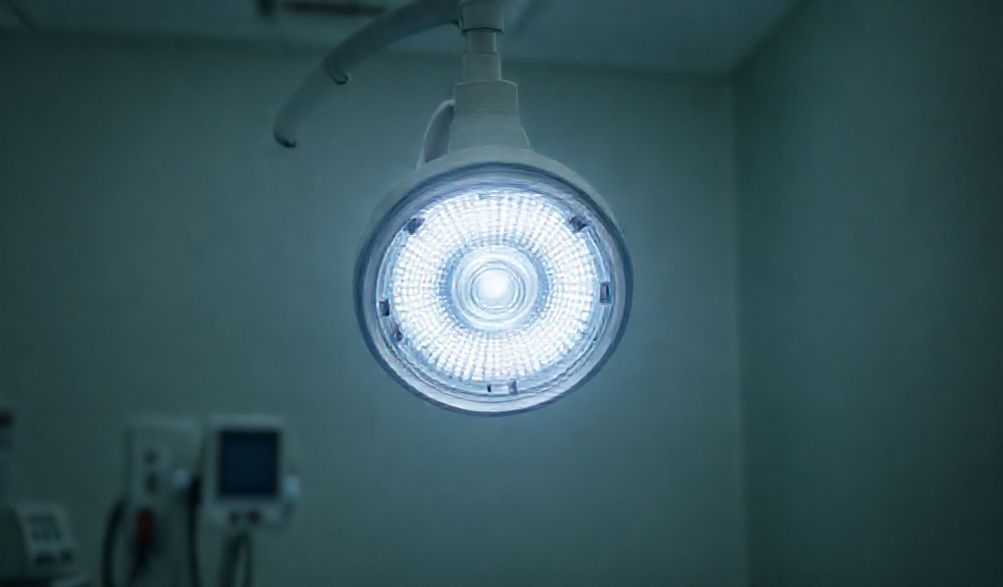
The Complete Guide to Medical Examination Lights: Choosing the Right Light for Accurate Diagnosis
Imagine a subtle rash, the early blush of infection, or a faint hint of jaundice. In the delicate practice of medicine, the line between a clear diagnosis and a missed clue can be vanishingly thin. What if that line was drawn not by a lack of skill, but by inadequate lighting? The quality of illumination in an examination room is far from a mundane detail; it is a fundamental diagnostic tool, as critical as a stethoscope or an otoscope.
This comprehensive guide is designed to demystify the technical world of medical examination lighting. Our purpose is to transform complex specifications into clear, actionable knowledge for surgeons, physicians, nurses, procurement officers, and healthcare facility managers. The information herein is synthesized from established industry standards (such as IEC 60601-1 for medical electrical equipment), clinical best practices, and the technical data from leading medical device manufacturers. By grounding our advice in these authoritative sources, we aim to support your decision-making process, ensuring it aligns with the paramount goals of patient safety and clinical efficacy.
Whether you refer to it as a medical examination light, an exam light, or a diagnostic light, this pillar page will serve as your definitive resource. We will explore the critical role of lighting, break down the different types available, detail the key technical features to evaluate, provide a framework for selection, and even glimpse into the future of this essential technology.
Why Medical Examination Lighting is Critical for Patient Care
Beyond simply “lighting up the room,” a dedicated medical exam light is engineered to meet the specific visual demands of clinical assessment. Its performance directly impacts diagnostic outcomes, procedural safety, and the overall patient experience.
Impact on Diagnostic Accuracy
The human eye is remarkable, but it requires optimal conditions to perceive critical details. Medical lighting is designed to create those conditions through three key principles:
- Color Rendering Index (CRI): This measures a light source’s ability to reveal the true colors of objects compared to natural light. A high CRI (90+ is essential, 95+ is ideal) is non-negotiable. It allows clinicians to accurately assess tissue color—differentiating between the yellow of jaundice, the blue of cyanosis, the red of inflammation, or the subtle variations in a rash. Poor CRI can mask these signs, leading to delayed diagnosis.
- Shadow Reduction & Uniformity: Harsh, single-point shadows can obscure anatomy or hide lesions. Quality exam lights use optical systems (like multiple LED arrays or reflector technology) to provide homogeneous, diffuse illumination that penetrates cavities (like the throat or a wound) without casting obstructive shadows from the clinician’s own hands or instruments.
- Controllable Illumination Levels: Different tasks require different light intensities. A general physical may need 1,000-2,000 lux, while a minor surgical procedure demands 40,000 lux or more. The ability to dim and focus light precisely ensures that the clinician is not battling glare during a routine check nor straining to see detail during a complex procedure.
Enhancing Procedural Safety and Efficiency
Precision lighting is a cornerstone of safe and efficient medical intervention.
- Procedural Precision: During suturing, wound debridement, or abscess drainage, a bright, focused beam is crucial. It allows for meticulous work, reducing the risk of error and improving outcomes. The light becomes an extension of the clinician’s vision.
- Clinician Ergonomics: Eye strain and fatigue are real concerns in long clinical days. A high-quality, flicker-free light with excellent color rendering reduces visual stress, allowing for longer, more effective periods of concentration. Easy, intuitive positioning also minimizes physical strain, enabling the clinician to focus entirely on the patient.
Patient Comfort and Experience
Patient comfort is a key component of quality care. Traditional halogen lights emitted significant heat, which could be uncomfortable or alarming for a patient during a close examination. Modern LED-based exam lights produce minimal radiant heat (“cool light”). Furthermore, features like glare-free optics and smooth dimming capabilities create a less intimidating, more comfortable environment, which is especially important for anxious patients or during sensitive examinations.
Types of Medical Examination Lights
Not all clinical spaces or procedures have the same requirements. Understanding the categories of lights available is the first step in selecting the right tool.
Overhead Examination Lights (Ceiling-Mounted)
These are the workhorses of procedure rooms, emergency departments, and dedicated examination suites. Mounted to the ceiling, they free up floor space and offer extensive maneuverability.
- Single-Head vs. Multi-Head: Single-head lights are common for standard exam rooms. Dual-head or multi-head systems provide overlapping fields of light, virtually eliminating shadows—a critical feature for surgical and procedural applications.
- Key Attributes: They are characterized by a long reach, multiple axes of rotation, and counterbalanced arms for effortless positioning. Their primary advantage is providing broad, deep-cavity illumination exactly where it’s needed, without the clinician needing to hold anything.
Portable Diagnostic Lights (Wall-Mounted & Mobile)
Flexibility is the hallmark of this category, making them ideal for dynamic environments.
- Wall-Mounted Units: Often found in triage areas, hallways, or smaller consult rooms, these lights swing out when needed and tuck away when not, saving space.
- Mobile Floor Stands: These rolling units offer the ultimate in flexibility, allowing a single high-quality light to be moved between patient rooms, bedsides, or clinics. They are perfect for facilities with multi-purpose rooms or for supplementing fixed lighting.
- Gooseneck & Handle Lights: These are smaller, highly maneuverable lights often used for focused tasks or in addition to overhead lighting. A classic gooseneck lamp provides adjustable task lighting on a desk or cart.
Specialized Examination Lights
Certain medical disciplines require lights tailored to very specific anatomies or techniques.
- ENT Lights & Headlights: Designed for illuminating deep, narrow cavities like the ear, nose, and throat. Headlights are worn by the clinician, providing hands-free, line-of-sight illumination.
- Vaginal Speculum Lights: Integrated into a speculum to provide direct illumination during gynecological exams.
- Transilluminators: Used to shine light through tissue or body parts (e.g., sinuses, scrotum in infants) to help identify structures or abnormalities.
- Ophthalmoscope/Otoscope Lights: The integral light sources within these handheld diagnostic tools, which have their own specific requirements for focus and intensity.
Key Technical Features to Evaluate in an Exam Light
Navigating product specifications can be daunting. Here are the core technical features that define a light’s performance and suitability.
Illumination Quality: Lux, CRI, and Color Temperature
- Lux (Illuminance): This measures the amount of light falling on a surface. General examination typically requires 1,000 to 5,000 lux at the examination point. Minor surgical and procedural lights start at 40,000 lux and can exceed 160,000 lux for maximum clarity.
- Color Rendering Index (CRI): As stated, insist on a CRI of 90 or higher. This is a critical metric for diagnostic accuracy.
- Color Temperature (Kelvin): Measured in Kelvins (K), this describes the “warmth” or “coolness” of white light. A temperature around 4500K is considered a neutral, clinical white. It offers excellent contrast and is easy on the eyes for prolonged use, without the yellow tint of warm light (2700K-3500K) or the harsh blue cast of very cool light (5000K+).
Light Source Technology: LED vs. Halogen
The industry has undergone a significant shift, and understanding this comparison is key.
- LED (Light Emitting Diode): The modern standard.
- Pros: Extremely energy-efficient (saving 70-80% over halogen), produces minimal heat, has an exceptionally long lifespan (often 50,000+ hours), offers instant full brightness, and maintains a consistently high CRI over its life.
- Cons: Higher initial purchase price (though falling), requires proper thermal management design.
- Halogen:
- Pros: Lower initial purchase cost, provides a warm light spectrum.
- Cons: Very inefficient, emits significant radiant heat (a comfort and safety concern), has a short bulb lifespan (1,000-5,000 hours), and CRI/output degrades over the bulb’s life.
A Trustworthy Note: While halogen lights served well in the past, the total cost of ownership (TCO) and superior clinical performance of LEDs make them the unequivocal choice for new purchases and upgrades in nearly all clinical settings today.
Mobility, Positioning, and Ease of Use
A light that is difficult to position is a light that won’t be used optimally.
- Articulation: Evaluate the light’s reach and degrees of freedom. Can it easily cover the entire examination table? Do the arms move smoothly and stay firmly in position?
- Balance Systems: Look for lights with patented or advanced spring/cylinder balancing. The goal is “one-finger” positioning—the light should move effortlessly and remain stable where placed.
- Sterilization & Cleanability: Handles and frequently touched surfaces should be designed for easy and repeated cleaning with hospital-grade disinfectants without degrading.
Safety and Compliance Standards
This is non-negotiable for patient and staff safety, and a key marker of a reputable manufacturer.
- Medical Device Regulation: A true medical exam light is a regulated device. In the U.S., it typically has FDA Class I or II clearance. Look for compliance with IEC 60601-1, the international standard for the safety of medical electrical equipment.
- Quality Management: Prefer manufacturers certified to ISO 13485, which specifies requirements for a quality management system in the design and manufacture of medical devices.
- Other Standards: Ensure the device meets requirements for electromagnetic compatibility (EMC) so it doesn’t interfere with other equipment, and has appropriate ingress protection (IP ratings) against dust and fluids if used in surgical environments.
How to Choose the Right Medical Examination Light for Your Facility
With the technical background in hand, follow this practical framework to make a selection that fits your specific context.
Assessing Clinical Application and Room Layout
Start by defining the primary use case.
1. What procedures are performed here? Is it for general physicals, wound care and dressing changes, or minor surgical procedures like suturing and biopsies? The required lux, shadow control, and sterility needs flow from this answer.
2. What is the room’s geometry? Measure ceiling height, examination table location, and any potential obstructions. A ceiling-mounted light needs sufficient vertical and horizontal reach. A mobile light needs storage space and easy pathways.
3. What infrastructure exists? For ceiling mounts, is there structural support at the right location? Is the necessary electrical supply available?
Budgeting: Initial Cost vs. Total Cost of Ownership (TCO)
The sticker price is only part of the financial picture.
* Initial Cost: Includes the light unit, any mounting hardware, and professional installation.
* Total Cost of Ownership (TCO): Adds in the operational costs over 5-10 years. This is where LED shines:
* Energy Costs: LED uses a fraction of the electricity.
* Replacement Parts: An LED module may last the life of the fixture, while halogen bulbs need frequent, costly replacement.
* Maintenance: More reliable technology typically means lower service costs.
A slightly higher initial investment in a quality LED light often results in significant long-term savings.
Ergonomics and User-Centric Design
The best light on paper is useless if clinicians find it frustrating. Whenever possible:
* Request a Demonstration or Trial: Have the actual end-users—the doctors and nurses—test the maneuverability, adjust the brightness, and assess the quality of the light on a simulated task.
* Evaluate Intuitive Controls: Are the controls for on/off, dimming, and focus (if applicable) easy to find and use, even when wearing gloves?
* Consider Workflow: Does the light’s design integrate smoothly into the clinical routine without causing obstructions or delays?
Installation, Maintenance, and Best Practices
Proper implementation ensures your investment performs reliably for years.
Professional Installation Considerations
Ceiling-mounted units are not simple fixtures.
* Certified Installers: Use installers experienced with medical equipment. They understand load-bearing requirements, infection control protocols during installation, and electrical safety standards.
* Load-Bearing Check: The ceiling structure must support the weight of the light and its mounting system, plus the dynamic force of it being positioned.
* Final Compliance Check: After installation, verify that all safety and performance specifications are still met.
Routine Cleaning and Disinfection Protocols
Follow the manufacturer’s instructions precisely to avoid damage.
* Daily/After Each Patient: Wipe down handles, control surfaces, and the external housing with a soft cloth dampened with a mild, hospital-approved disinfectant. Avoid abrasive cleaners or spraying liquid directly onto seams or joints.
* Periodic Deep Cleaning: Schedule a more thorough cleaning according to the manual. For surgical lights, this may involve removing specific diffuser covers for cleaning.
* Never Immerse: Unless explicitly designed for immersion, do not submerge any part of the light.
Troubleshooting Common Issues
- Flickering or Dimming: Check power connections first. For LED lights, this could indicate a failing driver module. For halogen, the bulb may be at end of life.
- Stiff or Drifting Movement: The balancing system may need recalibration or the joints may need lubrication (only with manufacturer-approved materials).
- Overheating (Halogen): This is normal to a degree, but excessive heat may indicate a failing bulb or blocked ventilation. LED lights should remain relatively cool.
- When in Doubt: For any electrical, mechanical, or performance issue, contact your facility’s clinical engineering department or the manufacturer’s service provider. Do not attempt internal repairs.
The Future of Medical Diagnostic Lighting
Technology continues to evolve, integrating lighting more deeply into the digital healthcare ecosystem.
Integration with Digital Health Systems
The next generation of exam lights are becoming data capture points.
* Built-in Cameras: Lights with integrated high-definition cameras allow for seamless documentation of wounds, lesions, or procedures. This aids in telemedicine consultations, progress tracking in patient records, and remote specialist review.
* AI-Assisted Analysis: Coupled with software, these images could be preliminarily analyzed by AI algorithms to flag potential concerns, such as measuring wound dimensions or identifying suspicious mole characteristics.
Smart Lighting and Automation
Lighting is becoming more responsive and connected.
* Voice & Gesture Control: Hands-free activation and positioning (“Light, center on the wound at 50,000 lux”) could enhance sterile fields and workflow.
* Ambient Light Sensors: The light could automatically adjust its output to compensate for changing room lighting, maintaining consistent illumination levels.
* Networked OR/Procedure Room Systems: Lights could integrate with room control systems, adjusting based on the scheduled procedure type or surgeon preference.
Advances in LED Technology
The core light source continues to improve.
* Tunable Spectra: Beyond fixed color temperature, lights may offer adjustable spectra to enhance contrast for viewing specific tissues or conditions (e.g., optimizing light to see vascular structures).
* Increased Efficiency & Miniaturization: LEDs will become even more efficient and smaller, allowing for more compact, powerful, and versatile light designs.
Frequently Asked Questions (FAQ) About Medical Exam Lights
Q1: What is the ideal color temperature for a general-purpose examination light?
A: A neutral white light around 4500 Kelvin is generally recommended as it provides excellent contrast without distorting tissue colors and is comfortable for both clinician and patient.
Q2: How many lux do I need for a minor surgical procedure light?
A: For minor surgery, lights typically deliver 40,000 to 160,000 lux or more at the focal point. This intense, focused illumination is necessary for deep cavity visualization and critical shadow reduction.
Q3: Are LED medical lights really better than halogen?
A: In most modern clinical settings, yes. LED lights offer superior energy efficiency, minimal heat radiation (critical for patient comfort), extremely long lifespans (drastically reducing maintenance costs), and consistently high Color Rendering Index (CRI). They represent the current industry standard.
Q4: What safety certifications should I look for?
A: Always verify the light is certified as a medical device. Key standards include IEC 60601-1 for electrical safety and ISO 13485 for the manufacturer’s quality management system. Look for regional market approvals like FDA clearance (USA) or CE marking (Europe).
Q5: How often should a medical exam light be serviced?
A: Adhere to the manufacturer’s recommended schedule. As a general rule, an annual professional inspection of the mechanical arms, electrical systems, and light output is advisable. This should be complemented by daily cleaning by clinical staff and immediate reporting of any operational issues.
Conclusion
Selecting the right medical examination light is a significant decision that extends far beyond simple procurement. It is a direct investment in diagnostic accuracy, clinician effectiveness, procedural safety, and overall patient care quality. An informed choice requires a balanced synthesis of technical expertise (understanding Lux, CRI, and LED technology), practical clinical experience (knowing the needs of your procedures and staff), verified authoritativeness (insisting on proper medical device certifications), and a trustworthiness in evaluating long-term value over initial cost.
We encourage you to use this guide as a foundational reference and checklist as you evaluate products, consult with reputable medical equipment suppliers, and engage your clinical engineering teams. As lighting technology continues its advance into the realms of digital integration and smart systems, the core principle remains unchanged: optimal, precise illumination is, and will always be, a foundational pillar of quality healthcare.
p>