
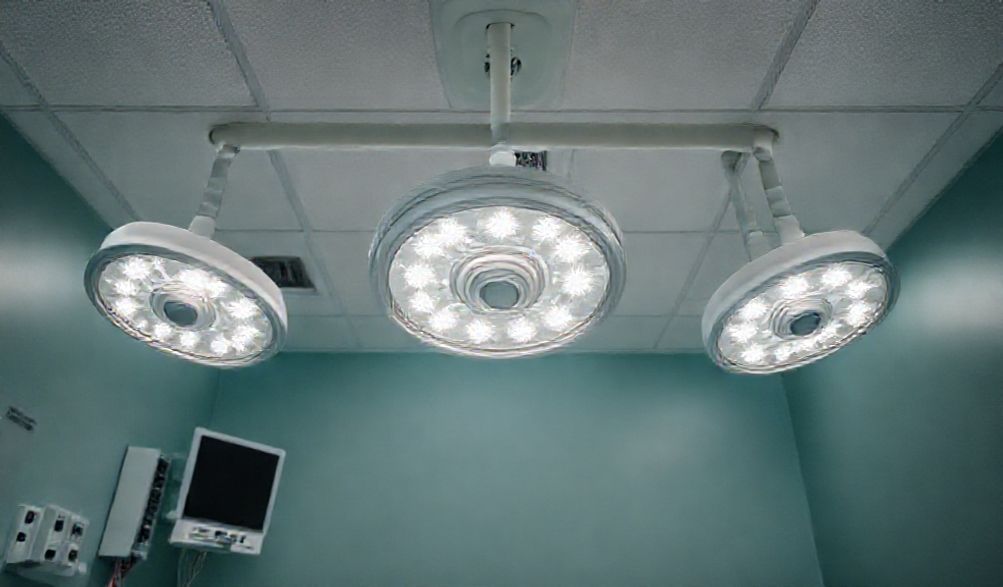
Optimizing Exam Room Lighting: A Guide to Safety, Focus, and Patient Care
When we think of the critical components of a healthcare environment, our minds often jump to advanced imaging machines, sterile instruments, and the expertise of the clinical staff. Yet, there is a fundamental, often overlooked element that underpins every visual assessment and patient interaction: the lighting. The exam room lights are not merely a utility; they are a primary diagnostic tool, an ergonomic necessity, and a powerful contributor to the psychological atmosphere of care. In an era where clinical accuracy and patient experience are paramount, optimizing your exam room illumination is a direct investment in better outcomes.
This guide delves into the multifaceted role of lighting in clinical settings. We will explore the science behind how light affects diagnosis and fatigue, break down the technical specifications that matter, and provide a practical roadmap for selecting, implementing, and maintaining an optimal lighting system. Designed for healthcare facility managers, clinic designers, and forward-thinking practitioners, this post illuminates the path to creating exam rooms that are as functionally precise as they are compassionately designed.
The Critical Role of Lighting in Clinical Examinations
Lighting in an exam room transcends simple visibility. It is an active participant in the clinical process, influencing everything from the detection of a subtle rash to the comfort level of a nervous patient. Poor lighting is a silent liability, while optimized lighting is a silent partner in quality care.
Enhancing Diagnostic Accuracy and Visual Acuity
The foremost duty of exam room lights is to enable flawless visual inspection. Medical professionals rely on their eyes to identify clues—a jaundiced sclera, the pallor of anemia, the precise edges of a wound, or the vascular patterns of a retina. This demands specific lighting qualities:
- High Illuminance: Measured in lux (or foot-candles), this is the amount of light falling on a surface. For general examinations, 300-500 lux at the exam plane is recommended. For detailed procedures like suturing, dermatology, or minor surgery, 1000 lux or more is essential to reveal fine details and subtle contours.
- shadow control & Even Distribution: Harsh, directional light creates deep shadows that can hide critical information. Optimal systems use multiple light sources or specially designed diffusers to provide shadow-free, uniform illumination across the area of interest.
- Superior Color Fidelity: This is where the Color Rendering Index (CRI) becomes non-negotiable. CRI measures a light source’s ability to reveal the true colors of an object compared to natural light. A CRI of 90+ (on a scale of 0-100) is critical in healthcare. It ensures that the red of erythema, the blue of cyanosis, and the yellow of jaundice are perceived accurately, preventing misdiagnosis based on color distortion from poor-quality lights.
Impact on Practitioner Fatigue and Eye Strain
Consider the ophthalmologist performing a slit-lamp examination, the surgeon closing a laceration, or the primary care physician reviewing charts. These are visually intensive tasks performed for hours on end. Inadequate exam room lighting is a primary occupational hazard, contributing to:
- Digital Eye Strain and Headaches: Glare from reflective surfaces (instruments, computer screens, glossy paper) forces the eye muscles to work harder. Flicker from outdated fluorescent ballasts or low-quality LED drivers, even if imperceptible, can trigger headaches and migraines over time.
- General Fatigue and Reduced Concentration: Constant adaptation between bright task areas and darker surroundings tires the eyes and the mind. This visual fatigue translates into slower reaction times, decreased attention to detail, and a higher risk of error.
- Physical Discomfort: Poorly positioned lights can cause practitioners to adopt awkward postures to see better, leading to neck and back strain.
An optimized lighting system minimizes these risks by providing consistent, high-quality, flicker-free light with adjustable task options, reducing the physiological burden on clinical staff.
Influencing Patient Comfort and Psychological Well-being
The exam room can be a source of anxiety. The clinical environment often feels cold and intimidating. Exam room lights play a surprisingly significant role in shaping this experience.
Harsh, cool-temperature lights from a single overhead source can feel interrogative and increase a patient’s stress. Conversely, a lighting scheme that considers the patient’s perspective fosters calm and cooperation. The key is a layered approach:
- Balanced Ambient Light: Soft, general illumination at a lower intensity (e.g., 200 lux) from wall sconces or indirect ceiling fixtures establishes a comfortable baseline, preventing the exam room from feeling like a dark cave.
- Patient-Centric Control: The ability for a clinician to dim the ambient lights while activating a focused exam light respects the patient’s sensitivity. It also signals a transition from conversation to examination, managing expectations.
- Reducing Glare for the Reclining Patient: A patient lying on an exam table is extremely vulnerable to glare from overhead fixtures. Lights should be positioned or shielded to prevent direct view of the bulb or LED source, creating a more comfortable experience.
Key Features of Optimal Exam Room Lighting Systems
Not all lights are suitable for clinical scrutiny. Medical-grade exam room lights are engineered with specific features that address the unique demands of healthcare environments.
Adjustability and Flexibility: Task vs. Ambient Lighting
The most effective strategy employs a layered lighting design, separating the functions of task and ambient illumination.
- Task Lighting: This is the workhorse. It must be intense, focused, and highly adjustable. The gold standard is often an overhead surgical-style exam light with multiple LED pods on a maneuverable arm. These lights are designed to provide shadow-reduced illumination precisely where the clinician needs it, whether for an ear exam or a foot assessment. Adjustability in both position and intensity is crucial.
- Ambient Lighting: This layer fills the room with a comfortable, low-glare glow. It ensures safe movement for staff and patient and prevents the stark contrast that causes eye strain. Ambient lights should be independently dimmable, allowing them to complement—not compete with—the task light during procedures.
Technical Specifications: CRI, CCT, and Flicker-Free Performance
Understanding these terms is essential for making informed purchasing decisions:
- Color Rendering Index (CRI): As stated, insist on CRI > 90. This is a benchmark for clinical accuracy.
- Correlated Color Temperature (CCT): Measured in Kelvin (K), CCT describes the “warmth” or “coolness” of light.
- 3500K – 4000K (Neutral White): Ideal for ambient lighting. It feels clean and clinical without being cold, promoting a calm atmosphere.
- 4500K – 5000K (Cool White/Daylight): Ideal for task lighting. This cooler, bluer-white enhances contrast and visual acuity, promoting alertness and making fine details easier to distinguish.
- Flicker-Free Operation: Ensure the lighting system uses high-frequency drivers that eliminate flicker entirely. This is a must for staff comfort and is a key differentiator between medical-grade and consumer-grade LED products.
Compliance with Healthcare Standards and Regulations
Lighting installations must adhere to established guidelines for safety and performance. Key references include:
- Illuminating Engineering Society (IES): Publishes recommended light levels (illuminance) for various healthcare tasks.
- Facility Guidelines Institute (FGI): Provides comprehensive guidelines for the design and construction of healthcare facilities, including lighting.
- Local Building & Electrical Codes: Ensure all installations are performed by licensed professionals.
Furthermore, fixtures should be selected for the healthcare environment: easy to clean, sealed against dust and moisture, and physically durable.
Choosing the Right Exam Room Lights: A Practical Guide
Selecting the ideal system involves navigating technology options, spatial planning, and financial considerations.
Comparing Lighting Types: LED vs. Fluorescent vs. Halogen
- LED (Light Emitting Diode): The unequivocal modern standard. Advantages include exceptional energy efficiency (50-75% savings over alternatives), a very long lifespan (50,000+ hours), excellent CRI options, minimal heat emission (critical for patient and staff comfort), and instant-on capability. While the upfront cost is higher, the Total Cost of Ownership (TCO) is lowest.
- Fluorescent: Once ubiquitous, now obsolete for primary exam lighting. They have lower upfront cost but suffer from inferior CRI, potential for flicker, contain hazardous mercury, and are less efficient than LEDs. Their tube-based design often creates uneven, shadow-prone light.
- Halogen/Incandescent: Produce a warm light with decent CRI but are thermodynamic nightmares—over 90% of their energy is wasted as heat. This creates discomfort and safety risks near patients. Their lifespan is very short, making them costly and impractical for clinical use.
Considerations for Placement and Installation
- Overhead Exam Lights: Typically ceiling-mounted on a fixed arm, track, or ceiling rail. Careful planning is required to ensure the mounting location aligns perfectly with the exam table or chair, allowing for a full range of motion without colliding with other equipment, cabinetry, or the ceiling itself.
- Supplementary Lighting: Wall-mounted adjustable sconces can provide excellent vertical illumination for standing exams or wound care on a wall-mounted table. Portable floor or cart-mounted lights offer ultimate flexibility for multi-purpose rooms.
- Integrated Controls: The system should be easy to use. Consider preset lighting “scenes” controlled by a wall panel or switch: “Full Exam,” “Consultation,” “Procedure,” and “Clean-up.” This allows for rapid, consistent environment changes.
Budgeting: Upfront Cost vs. Total Cost of Ownership (TCO)
Evaluating exam room lights on purchase price alone is a mistake. A true financial analysis considers TCO:
- Energy Costs: High-efficiency LEDs drastically reduce monthly utility bills.
- Maintenance & Replacement: A 50,000-hour LED may last over a decade with no bulb changes, eliminating labor costs, spare parts inventory, and disposal fees for hazardous materials (like mercury in fluorescents).
- Performance Value: The intangible but real value of improved diagnostic accuracy, reduced staff fatigue (and associated turnover/error costs), and enhanced patient satisfaction contributes to the operational bottom line.
Maintaining and Optimizing Your Exam Room Lighting
A perfect installation degrades without proper care. Proactive maintenance ensures sustained performance.
Routine Cleaning and Safety Checks
Dust, lint, and splatters on light diffusers can reduce light output by 20% or more. Establish a protocol for gentle, regular cleaning using appropriate, non-abrasive cleaners. Periodically inspect all fixtures for:
* Physical stability of arms and mounts.
* Smoothness of adjustment mechanisms.
* Functionality of switches, dimmers, and controls.
* Any signs of electrical wear, fraying, or damage.
When to Upgrade: Signs of Inadequate Lighting
Be alert to these red flags that signal your system is failing:
* Clinicians routinely resort to personal headlamps or supplementary portable lights.
* Increased staff complaints of headaches, eye strain, or difficulty seeing.
* Visible flicker, audible buzzing from old ballasts, or lights that delay turning on.
* Noticeable color shift or dark spots in the light output from aging LEDs.
* The system is over 7-10 years old—lighting technology has advanced dramatically.
Implementing a Lighting Maintenance Schedule
Move from reactive to proactive management:
* Monthly: Quick visual inspection for dead lamps or physical damage.
* Quarterly: Scheduled cleaning of all diffusers, lenses, and fixture surfaces.
* Annually: Professional assessment. This should include measuring illuminance (lux) at the exam plane to verify it meets design specs and a thorough check of all electrical and mechanical components.
FAQ: Common Questions About Exam Room Lights
Q1: What is the recommended brightness (lux level) for a general exam room?
A: For a standard physical examination or consultation, the Illuminating Engineering Society (IES) recommends 300-500 lux measured at the exam plane. For detailed procedures like minor surgery or intricate wound care, levels of 1000 lux or higher are advised. Ambient lighting for room circulation can be lower, around 200 lux.
Q2: Can I use “daylight” LED bulbs from a hardware store in my exam room?
A: It is strongly discouraged. While consumer bulbs may have a suitable color temperature (e.g., 5000K), they often have inconsistent or lower CRI ratings and may use drivers that cause imperceptible flicker. Medical-grade exam room lights are engineered and tested for clinical color accuracy, reliability, flicker-free operation, and safety standards that consumer products do not meet.
Q3: How can I reduce glare from exam lights for my patients?
A: Use fixtures with built-in diffusers, lenses, or reflectors that soften and direct the light. Strategically position task lights so the primary beam is not in the direct line of sight of a reclined patient. Always maintain a level of adjustable ambient light to reduce the extreme contrast between a bright task area and a dark room, which is a major cause of glare and discomfort.
Q4: Are there specific lighting considerations for telehealth or video consultations in an exam room?
A: Absolutely. The goal is even, frontal lighting on the clinician. Avoid strong backlighting from windows or bright walls behind the practitioner, as this will silhouette them on camera. A neutral white (4000K) LED source with high CRI, positioned in front of the clinician (like a well-placed ceiling light or a dedicated video light), ensures they appear natural and professional, with accurate skin tones visible to the remote patient.
Q5: How does lighting impact energy efficiency in a healthcare facility?
A: Profoundly. Lighting typically accounts for 20-30% of a healthcare facility’s total energy consumption. Upgrading to a modern, layered LED system with occupancy sensors in ancillary spaces (storage, corridors) and smart controls can yield substantial utility savings, reducing operational expenses and supporting institutional sustainability goals.
Conclusion
Exam room lights are far more than a mundane fixture; they are a critical component of the healthcare delivery system. By shifting our perspective to view lighting as an essential diagnostic and therapeutic tool, we unlock opportunities to enhance safety, accuracy, and compassion in clinical care.
The journey to optimization begins with understanding the core principles: the necessity of high CRI for true color perception, the ergonomic imperative of adjustable, shadow-reduced task lighting, and the patient-centered value of a layered, controllable environment. Investing in a modern, flicker-free LED system is an investment with a clear return—measured in kilowatt-hours saved, in staff well-being preserved, and in the confidence that comes from seeing every clinical detail with perfect clarity.
Begin your assessment today. Observe the light in your exam rooms, solicit feedback from your staff and patients, and consider how an intentional upgrade can illuminate a clearer path to exemplary patient care.
p>