
Illuminating Precision: A Comprehensive Guide to Surgical Headlights for Medical Professionals
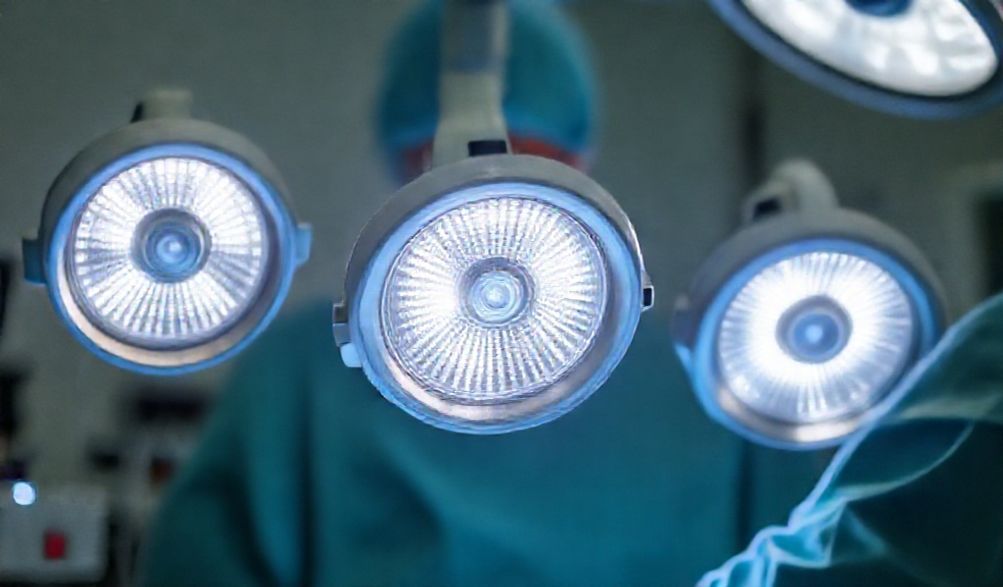
In the high-stakes theater of the operating room, where millimeter precision can define outcomes, one fundamental element is often the unsung hero: light. Beyond simply illuminating the field, optimal surgical lighting is a critical determinant of a surgeon’s ability to see, interpret, and act. Studies consistently link superior visualization to reduced procedural errors, shorter operative times, and enhanced patient safety. While overhead operating lights provide the foundational canvas of illumination, they fall short in the intricate, shadow-filled recesses of the human body. This is where specialized headlights for surgery become indispensable.
Modern les lampes frontales chirurgicales are sophisticated, hands-free illumination systems engineered to deliver controlled, high-quality light directly into deep cavities and onto complex anatomies. They transform a surgeon’s vision, turning challenging visual landscapes into clearly defined territories. This guide serves as an authoritative, unbiased educational resource for surgeons, surgical residents, and hospital procurement teams tasked with evaluating these vital tools. The insights herein are compiled from expert surgeon interviews, peer-reviewed literature, and technical analyses of medical device standards, ensuring the information is reliable, practical, and grounded in real-world clinical experience.
The Critical Importance of Specialized Lighting in Surgery
Traditional overhead surgical lights, despite their power, have inherent limitations. They are excellent for broad, superficial field illumination but create significant challenges in deeper or narrower operative sites. Surgeons often cast shadows with their own heads and hands, and the light’s path can be obstructed by instruments or assistants. Furthermore, the depth of field—the range of distance that remains in sharp focus—can be shallow, forcing the surgeon to choose between a focused view of a superficial layer or a blurred view of a deeper structure.
Dedicated surgical headlights are designed to overcome these exact problems. By mounting a high-intensity light source on the surgeon’s head, the illumination becomes coaxial with their line of sight. Where the surgeon looks, the light follows, virtually eliminating self-shadowing. This direct, focused beam dramatically improves contrast and detail recognition within deep wounds, sinus cavities, or during microvascular procedures.
The clinical implications are profound. Enhanced visualization reduces cognitive load and visual strain, allowing surgeons to maintain focus and precision during lengthy operations. Research in fields like neurosurgery and microsurgery has demonstrated that improved lighting correlates with more accurate dissection, reduced iatrogenic injury, and improved ergonomics by minimizing awkward postures adopted to “chase the light.” In essence, a surgical headlight is not merely a convenience; it is a fundamental tool for extending a surgeon’s capabilities and safeguarding patient outcomes.
Key Features and Technology of Modern Surgical Headlights
Navigating the market for headlights for surgery requires an understanding of their core technologies and specifications. This objective breakdown focuses on what features matter most, independent of brand.
Light Source Technology: LED vs. Xenon
The evolution of surgical headlights has been defined by the light source. Historically, xenon bulbs were the gold standard, prized for their bright, white light with excellent color rendering. However, they came with significant drawbacks: they generated intense heat, had a relatively short lifespan (typically 500-1000 hours), consumed substantial power, and required bulky power supplies.
The advent of high-power Light Emitting Diode (LED) technology has revolutionized the field. Modern LED systems now match or exceed the brightness of xenon while offering decisive advantages:
* Durée de vie : LEDs can last 50,000 hours or more, effectively making them lifetime components.
* Efficiency & Heat: They are far more energy-efficient, converting power to light with minimal wasted heat, which enhances patient safety and surgeon comfort.
* Instant On & Control: LEDs provide full brightness instantly and allow for more precise and responsive dimming controls.
* Durabilité : As solid-state devices, they are more resistant to shock and vibration.
The industry has overwhelmingly shifted to LED as the new standard due to its reliability, cool operation, and lower long-term cost of ownership.
Optical Performance Specifications
Beyond the light source, the optical design determines the quality of illumination. Key metrics to evaluate include:
- Depth of Field: This is arguably one of the most critical specifications. A deep depth of field keeps both superficial and deep structures in clear focus simultaneously without constant refocusing. Adjustable depth of field is a premium feature that adapts to different procedure types.
- Spot Size & Focus: The ability to adjust the beam from a wide, diffuse field (for larger areas like in orthopedic or general surgery) to a tight, pinpoint spot (for microsurgical tasks) is essential. A smooth, easily adjustable focus mechanism is a mark of a quality system.
- Brightness Control: Variable intensity settings are necessary to match lighting to the tissue type and procedural phase, preventing glare off reflective surfaces or excessive light that can cause tissue drying.
Ergonomics and Design Considerations
A headlight is worn for hours; therefore, ergonomics directly impact surgeon fatigue and acceptance.
- Poids & Équilibre : The system’s total weight and its distribution across the head are crucial. Well-designed headbands use padding and counterbalance weights to prevent pressure points and neck strain.
- Power Source: Cable vs. Cordless: Cable-powered systems draw from a base unit, offering unlimited runtime but restricting mobility with a tether. Battery-powered (cordless) systems offer complete freedom of movement and simplify setup but add weight to the head or belt and have a finite runtime (typically 4-8 hours for modern LEDs). The choice often depends on procedural mobility needs and operating room logistics.
- Compatibilité : The headlight must integrate seamlessly with other equipment. This includes compatibility with surgical loupes (often via a flip-up mount or a dedicated loupe-frame clip), and not interfering with eyewear, masks, or hoods.
Selecting the Right Surgical Headlight: A Procedural Needs Analysis
Choosing a system is not one-size-fits-all. The most effective approach is a procedural needs analysis based on your surgical specialty and practice patterns.
Recommendations by Surgical Specialty
- Microsurgery, Neurosurgery & Ophthalmology: These fields demand the highest tier of optical performance. Prioritize systems with extreme brightness, exceptional depth of field, and true coaxial or near-shadow-free illumination. High Color Rendering Index (CRI) is vital for accurately distinguishing subtle tissue and vessel shades.
- ENT, Dental & Oral-Maxillofacial Surgery: Maneuverability and flexibility are key. Surgeons benefit from lightweight, cordless systems that allow full range of motion. A wide range of spot size adjustment is useful for transitioning from a broad oral cavity view to a focused view on a single tooth or sinus portal. Easy integration with dental or surgical loupes is mandatory.
- General, Plastic, Orthopedic & Vascular Surgery: These specialties require a versatile workhorse. Look for a robust balance of a wide field of illumination, good depth of field for cavities like the abdomen, and sufficient brightness for deeper orthopedic sites. Durability and ease of cleaning are also important considerations for high-volume, varied practices.
Hospital vs. Individual Purchase Factors
The decision matrix differs for institutional procurement versus an individual surgeon’s investment.
- Hospital/Institutional Purchase: Procurement teams must consider service contracts, standardization across departments, ease of sterilization for central processing, durability for shared use, and integration with existing hospital infrastructure (e.g., charging stations). Total cost of ownership, including long-term maintenance and battery replacement, is a primary driver.
- Individual Surgeon Purchase: The surgeon prioritizes personal ergonomics, specific optical preferences for their niche procedures, and portability if practicing at multiple facilities. The upfront cost is weighed against the perceived daily benefit in visualization and reduced fatigue.
Maintenance, Sécurité et Bonnes Pratiques
Proper care ensures performance, longevity, and safety for both patient and surgeon.
Cleaning, Sterilization, and Battery Care
- Cleaning & Sterilization: Always follow the manufacturer’s Instructions for Use (IFU) and your hospital’s infection control policy. Typically, the headband and forehead pad are cleaned with hospital-grade disinfectant wipes. The light source module (the most sensitive component) often requires low-temperature sterilization, such as hydrogen peroxide plasma (e.g., STERRAD®) or ethylene oxide gas. Never autoclave components unless the IFU explicitly states they are autoclavable.
- Entretien de la batterie : For cordless systems, follow lithium-ion battery best practices: avoid complete discharge, store at room temperature, and use the manufacturer’s charger. Having a spare, charged battery is essential for uninterrupted surgery.
Ensuring Patient and Surgeon Safety
- Sécurité thermique : Bien que les LED soient froides, une lumière intense et focalisée peut toujours provoquer un dessèchement des tissus ou une lésion thermique si elle est placée trop près ou laissée statique sur un point trop longtemps. Maintenez une distance de travail sûre.
- Sécurité électrique : Assurez-vous que tout système utilisé est certifié conforme aux normes de sécurité électrique des dispositifs médicaux, telles que l'IEC 60601-1. Ne modifiez jamais et n'utilisez pas d'équipement endommagé.
- Contrôle de l'éblouissement : Positionnez soigneusement la source lumineuse pour éviter que l'éblouissement réfléchi par les instruments ou les surfaces humides ne revienne dans vos yeux ou sur le site chirurgical critique, ce qui peut provoquer une cécité temporaire et compromettre l'intervention.
Foire Aux Questions (FAQ)
Q : Les lampes frontales chirurgicales valent-elles l'investissement pour un chirurgien en exercice ?
R : Pour toute intervention où l'éclairage général est insuffisant — travail en cavité profonde, microchirurgie ou reconstruction complexe — une lampe frontale chirurgicale est considérée comme un outil vital, transformant la pratique. L'investissement est justifié par la réduction de la fatigue visuelle et physique, une précision accrue et le potentiel d'amélioration de l'efficacité et des résultats de l'intervention.
Q : Quelle est l'autonomie typique d'une lampe frontale chirurgicale sans fil ?
R : Cela varie considérablement selon le modèle et le réglage de luminosité utilisé. Les systèmes modernes sans fil à LED offrent généralement une autonomie de 4 à 8 heures sur une seule charge à une intensité moyenne à élevée, ce qui est suffisant pour une journée complète de chirurgie. Il est de bonne pratique universelle de disposer d'une batterie de secours entièrement chargée.
Q : Comment nettoyer et stériliser correctement ma lampe frontale chirurgicale ?
R : Vous doit devez respecter les Instructions d'Utilisation (IFU) spécifiques du fabricant. Les protocoles généraux impliquent souvent de nettoyer le serre-tête avec un désinfectant approuvé. Le bloc lumineux nécessite généralement une stérilisation à basse température (par exemple, au plasma de peroxyde d'hydrogène). L'immersion des composants dans un liquide ou l'utilisation d'un autoclave est généralement interdite et endommagera l'appareil.
Q : Puis-je utiliser une lampe frontale LED classique pour la chirurgie ?
R : Absolument pas. Les lampes frontales grand public manquent de la précision des couleurs de qualité médicale, de la mise au point et de la profondeur de champ réglables, du contrôle de l'intensité et des assurances de stérilité requises pour la chirurgie. Elles ne sont pas certifiées comme dispositifs médicaux, présentant des risques significatifs en matière de sécurité électrique, de contrôle des infections et fournissant un éclairage inadéquat ou trompeur pour les tâches critiques.
Q : Que dois-je rechercher lors d'un essai pratique ou d'une démonstration ?
R : Insistez pour un essai dans un environnement réaliste. Portez-la avec vos loupes et votre masque. Évaluez le confort sur 30 minutes, la facilité de réglage, la prise en main intuitive des commandes et, surtout, la qualité de la lumière sur un champ simulé (par exemple, une boîte profonde avec des modèles). Vérifiez la présence d'ombres indésirables, de points chauds, d'éblouissement et la fidélité des couleurs.
Conclusion
Les lampes frontales chirurgicales représentent une convergence sophistiquée d'optique, d'ergonomie et d'ingénierie médicale. Elles sont bien plus que de simples lampes ; ce sont des outils spécifiques à l'intervention qui améliorent considérablement la visualisation peropératoire, réduisent la fatigue du chirurgien et contribuent aux fondements de la précision chirurgicale. La clé d'un investissement réussi réside dans l'adaptation minutieuse des caractéristiques techniques du système — qualité de la lumière, profondeur de champ, ergonomie et système d'alimentation — aux exigences spécifiques de votre spécialité chirurgicale et de votre environnement opératoire.
Nous encourageons les lecteurs à impliquer leurs départements d'ingénierie clinique pour des évaluations techniques, à solliciter des recommandations sincères de leurs pairs dans leur domaine et, surtout, à demander des démonstrations complètes en personne avant de prendre une décision finale. Dans la poursuite incessante de l'excellence chirurgicale, où chaque détail compte, un éclairage optimal n'est pas simplement un accessoire. C'est un élément fondamental et non négociable des soins supérieurs aux patients et de l'art et de la science même de la chirurgie.
p>