
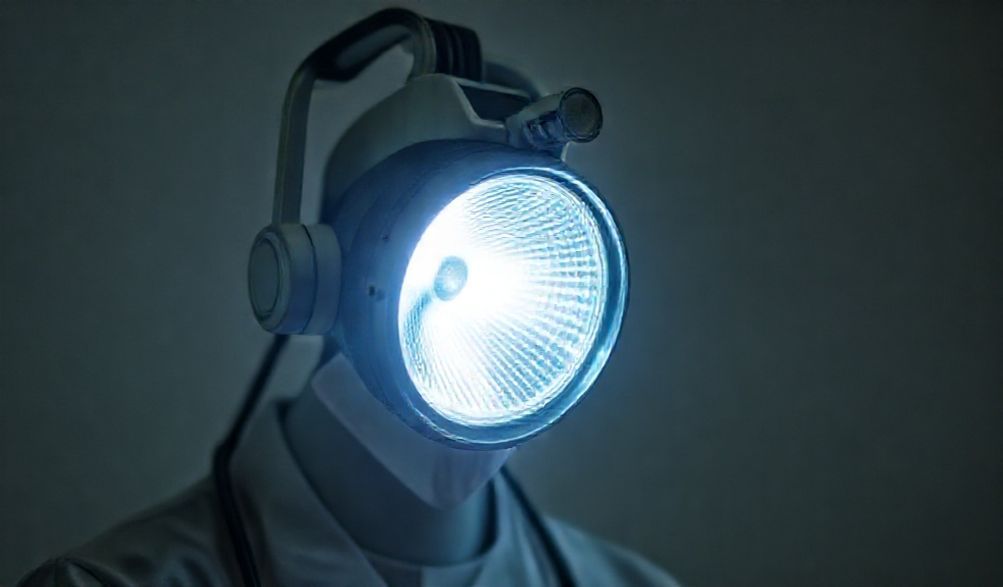
The Ultimate Guide to Doctor Head Lamps: Illuminating Precision in Medical Practice
Imagine this: you’re deep into a complex surgical procedure. The anatomy is delicate, the margins are tight, and every millimeter counts. Your hands are occupied with instruments, and the overhead surgical light, while powerful, casts a shadow just where you need clarity the most. In this critical moment, the difference between a routine success and a challenging complication can literally come down to light. This scenario, familiar to surgeons, dentists, veterinarians, and countless other medical professionals, underscores why a high-quality doctor head lamp is not just an accessory—it’s an essential extension of a practitioner’s skill.
This comprehensive guide is designed to illuminate everything you need to know about medical headlamps. Compiled from an analysis of medical equipment standards, ergonomic design principles, and the real-world demands of clinical practice, our goal is to help you make an informed decision. Whether you’re a neurosurgeon navigating the depths of the brain, a dentist working in the confined oral cavity, or an emergency physician suturing a laceration, choosing the right head lamp is a critical investment in your precision, your endurance, and ultimately, your patients’ outcomes. We’ll navigate the key specifications, from lumens and lux to battery life and sterilization protocols, ensuring you can select a tool that meets the rigorous standards (like ISO compliance) required in modern medicine.
Why a Quality Doctor Head Lamp is a Critical Investment
A doctor head lamp transcends being a simple hands-free flashlight. It is a fundamental piece of professional equipment that directly influences the quality of care. In environments where visual acuity is paramount, superior illumination is non-negotiable.
Enhancing Surgical Precision and Patient Outcomes
The primary function of a medical head lamp is to deliver shadow-free, focused light exactly where the practitioner is looking. Overhead lights, no matter how advanced, are often obstructed by the clinician’s head, hands, or instruments. A head-mounted light source moves with your line of sight, eliminating these shadows and providing consistent illumination deep within cavities or during minimally invasive procedures. This enhanced visualization allows for better differentiation of tissue types, more accurate dissection, and more precise suturing. In short, it reduces the risk of error and directly contributes to improved surgical accuracy and patient safety.
Reducing Eye Strain and Practitioner Fatigue
Medical procedures can be marathons, not sprints. Long hours of intense concentration under poor lighting force the eyes to work harder, leading to squinting, headaches, and significant eye strain. A high-quality doctor head lamp with appropriate brightness and color temperature reduces this ocular fatigue by providing optimal illumination without glare. Furthermore, ergonomic design is crucial. A well-balanced, comfortable head lamp prevents the practitioner from adopting awkward neck positions to “chase the light” from a fixed source. By minimizing both eye and musculoskeletal strain, a good head lamp helps preserve a professional’s endurance, focus, and long-term physical health.
The Role in Various Medical Specialties
The utility of a doctor head lamp extends far beyond the operating room:
* Surgery: Essential for specialties like plastic/reconstructive, neurosurgery, orthopedic (especially spinal), and otolaryngology (ENT), where deep, narrow fields require coaxial illumination.
* Dentistry: Crucial for illuminating the oral cavity during restorative work, endodontics, and oral surgery, providing a clear view of tooth structure and margins.
* Médecine Vétérinaire : Used in surgeries on animals of all sizes, where positioning under overhead lights can be challenging.
* Médecine d'Urgence & Médecine Générale : Ideal for examining wounds, removing foreign bodies, and performing minor procedures in exam rooms or urgent care settings.
* Soins des Plaies : Provides perfect illumination for debridement and assessment of ulcers or complex wounds.
Key Features to Evaluate When Choosing a Medical Head Lamp
Navigating the specifications of a doctor head lamp can be daunting. Understanding these core features will empower you to choose a model that fits your specific clinical demands.
Light Source and Brightness (Lumens & Lux)
Modern medical headlamps exclusively use LED technology for its efficiency, cool operation, and long life.
* Lumens vs. Lux: This is a critical distinction. Lumens measure the total amount of visible light emitted by the source. Le Lux measures the intensity of light that actually falls on a surface (lumens per square meter). For medical use, lux at a given working distance (e.g., 50,000 lux at 20cm) is often a more meaningful metric than lumens alone, as it tells you how bright the surgical field will be.
* Température de Couleur : Measured in Kelvin (K), this affects how “true” colors appear. A daylight color temperature (5000K-6000K) is generally preferred as it provides neutral, white light that allows for accurate tissue differentiation and color rendition.
* Réglabilité : Look for models with multiple brightness settings. The ability to dim the light is vital for adapting to different procedural stages and preventing light-induced retinal fatigue for the patient in sensitive areas.
Beam Focus, Spot Size, and Depth of Field
The light’s pattern is as important as its intensity.
* Focalisation réglable : Un système de haute qualité doctor head lamp should allow you to adjust the beam from a wide, flood-like pattern for a larger field overview to a tight, pinpoint spot for extreme precision.
* Depth of Field: This refers to the range of distance within which the beam remains in sharp focus. A good depth of field is essential when working in a cavity, as it keeps the image clear even as your instruments or focus move slightly closer or farther away.
Power Source and Battery Life
Power systems balance runtime, weight, and convenience.
* Rechargeable Battery Packs: Lithium-ion (Li-ion) batteries are the standard, offering high capacity and no memory effect. Systems with a separate belt- or pocket-worn battery pack typically offer the longest runtime (4-8+ hours) but have a cable connecting to the headpiece.
* All-in-One Designs: These feature an integrated battery, usually mounted on the rear of the headband for balance. They offer superior freedom of movement and comfort but may have a shorter runtime (2-4 hours) due to size/weight constraints.
* Considérations : Always check the manufacturer’s stated runtime at the brightness level you’ll use most. For long surgical lists, a system with hot-swappable batteries or a dual-battery charger is a significant advantage.
Comfort, Weight, and Adjustability
If a head lamp isn’t comfortable, you won’t wear it properly, or you’ll resent using it.
* Headband Design: Look for padded, moisture-wicking headbands that distribute pressure evenly. Adjustable, secure straps (often with a dial or ratchet system) are essential for a stable fit that won’t slip during movement.
* Poids & Équilibre : The total weight and its distribution are key. A rear-mounted battery can counterbalance the front light module, making the unit feel lighter and more stable. Aim for a total weight under 300 grams for all-day comfort.
* Light Module Adjustment: The light should pivot smoothly and stay firmly in position at any angle you set.
Durability and Sterilization Compatibility
Medical equipment must withstand a harsh clinical environment.
* IP Rating: Look for an Ingress Protection (IP) rating (e.g., IP54). This indicates resistance to dust and water splashes, protecting against fluids and cleaning solutions.
* Stérilisation : The light module is often the only component designed for direct exposure. Understand the manufacturer’s cleaning instructions precisely. Some modules can withstand autoclaving (steam sterilization), while others are designed for chemical wipe-downs with specific disinfectants like isopropyl alcohol or hydrogen peroxide wipes. The headband typically requires low-level disinfection or use of a disposable protective cover.
Types of Doctor Head Lamps and Their Best Uses
Traditional Headband-Mounted Lights (with Separate Battery Pack)
This is the classic, often most powerful design. A lightweight headpiece is connected via a thin cable to a rechargeable battery pack worn on a belt or in a pocket.
* Idéal pour : Surgeons and specialists who perform long, complex procedures requiring maximum brightness and runtime. Ideal for operating rooms where the cable is not a hindrance.
* Avantages : Longest battery life, often highest light output, excellent heat dissipation.
* Inconvénients : The cable can be a minor inconvenience, potentially snagging.
All-in-One (Integrated Battery) Head Lamps
These compact systems house the battery within the headband assembly, usually at the back for balance.
* Idéal pour : Dentists, veterinarians, emergency physicians, and surgeons who value maximum mobility and simplicity. Excellent for procedures where you move around frequently.
* Avantages : Unmatched freedom of movement, quick to don/doff, very comfortable, no cables.
* Inconvénients : Shorter runtime per charge, may be less powerful than some cable-connected models.
Loupe-Integrated Head Lights
The pinnacle of integration, these systems feature a light source built directly into the frame of surgical magnifying loupes.
* Idéal pour : Surgeons and microsurgeons who already use loupes and require perfectly co-axial illumination (light path aligned with the line of sight).
* Avantages : Perfect alignment of magnification and light, reduces parallax error, streamlined setup.
* Inconvénients : Highest cost, specialized (cannot be used without the loupes), often shorter battery life due to miniaturization.
How to Properly Use and Maintain Your Head Lamp
Fitting and Adjusting for Optimal Performance
- Position the Headband: Place the headband so it sits comfortably around the crown of your head, above the ears.
- Assurer un bon ajustement : Tighten the adjustment mechanism until the headband is snug but not constricting. It should not slip when you move your head side-to-side or up and down.
- Angle the Light: Pivot the light module so the beam is centered in your field of view when looking straight ahead at your typical working distance. The hotspot should be where your eyes are naturally focused.
- Focus the Beam: Adjust the focus ring to achieve the desired spot size for your task—wider for examination, tighter for precise work.
Cleaning and Sterilization Protocols
Suivez toujours les instructions spécifiques du fabricant. A general guideline:
* Light Module: After use, wipe the lens and housing with a soft cloth dampened with the recommended disinfectant (e.g., 70% IPA wipes). For autoclavable modules, place in a sterilization pouch and run through a standard autoclave cycle.
* Bandeau : Wipe with a mild disinfectant. Many brands offer disposable, single-use fabric covers that fit over the headband for sterile procedures.
* Battery & Cable: Wipe the exterior with a damp cloth. Never immerse the battery pack or connector in liquid.
Battery Care and Storage Tips
- Chargement : Use only the provided charger. For Li-ion batteries, partial charges are fine; you do not need to fully drain them before recharging.
- Stockage : If storing the device for an extended period, charge the battery to approximately 50-60% and store in a cool, dry place.
- **Remplacement :** Battery capacity diminishes over time. If you notice a significant drop in runtime, it’s time to order a replacement battery from the manufacturer.
Foire Aux Questions (FAQ)
Q: What is the ideal brightness (in lumens) for a surgical head lamp?
R : While lumens are a factor, the more critical measure is lux (intensity at the target). Most surgical procedures require 40,000 to 100,000+ lux at the working distance. To achieve this, look for lamps offering 1,000 to 3,000+ lumens coupled with a high-quality, focusable optic. The ideal setting varies by specialty and working distance.
Q: Can I use a regular LED headlamp for medical procedures?
A: It is strongly not recommended. Consumer headlamps lack the medical-grade color accuracy (CRI), focus control, sterilization compatibility, and reliability required for clinical use. They may cause eye strain, provide misleading tissue color, and cannot be properly disinfected, posing an infection control risk.
Q: How long should the battery last on a single charge?
R : Aim for a minimum of 2-3 hours at high brightness to cover a typical surgical list or clinical session. High-end models with separate battery packs often offer 4-8 hours. Always check the manufacturer’s runtime specification at the brightness level you intend to use most.
Q: Are doctor head lamps covered by medical equipment grants or tax benefits?
R : Often, yes. As essential, durable professional tools, they typically qualify as deductible practice expenses for self-employed professionals. They may also be eligible for purchase through hospital or institutional capital equipment budgets. Consult with your accountant or purchasing department for specific details.
Q: What warranty should I look for?
R : Reputable medical device manufacturers stand behind their products. Look for a comprehensive warranty of 2-3 ans, which reflects confidence in the device’s durability and performance under clinical conditions.
Conclusion
Choisir la bonne doctor head lamp is a decision that profoundly impacts your practice. It is a fundamental tool that enhances precision, safeguards patient outcomes, and protects your own well-being by reducing fatigue. The right choice is a careful balance of superior light quality (prioritizing lux and color accuracy), ergonomic comfort for those long hours, durability for the clinical environment, and features tailored to your specific specialty’s demands.
Remember, this is a professional medical device. Prioritize products from reputable manufacturers that comply with relevant medical device regulations and are backed by robust customer support, training, and service. We encourage you to assess your procedural requirements, consult with colleagues, and, whenever possible, arrange a hands-on trial or demonstration. Investing in the right illumination is an investment in the clarity, safety, and success of your medical practice.
p>