
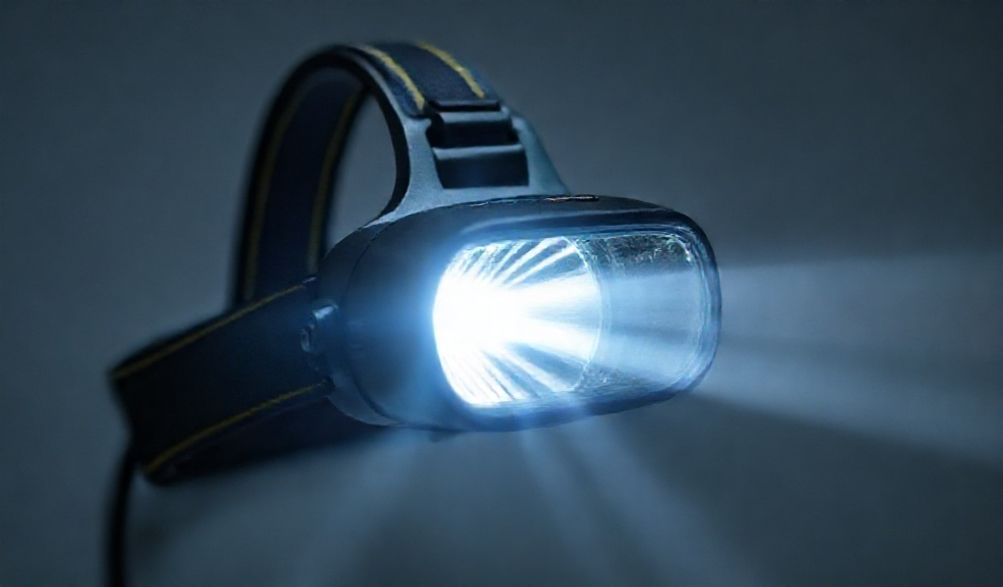
The Ultimate Guide to Medical Headlamps: Enhancing Precision in Healthcare
Introduction
Imagine a complex surgical procedure: a delicate nerve needs to be isolated, a tiny vessel requires ligation, or a subtle tissue plane must be identified. Now, imagine performing that task while casting your own shadow or struggling with a handheld light that occupies a vital hand. In the high-stakes world of healthcare, optimal illumination isn’t just a convenience—it’s a fundamental prerequisite for accuracy, safety, and successful outcomes. From the controlled chaos of an emergency room to the precise silence of an operating theater, the quality of light directly impacts a practitioner’s ability to diagnose, treat, and heal.
So, what tool is fundamental to this yet often overlooked? The answer is the medical headlamp. Far more than a simple hands-free flashlight, a medical-grade headlamp is a sophisticated piece of clinical equipment engineered to deliver consistent, shadow-free, and true-color illumination exactly where the professional is looking. This comprehensive guide will explore the critical role of medical headlamps, essential tools that demonstrably improve clinical outcomes, reduce practitioner eye strain and fatigue, and enhance procedural accuracy. Whether you are a surgeon, dentist, emergency responder, veterinary professional, or a procurement specialist equipping a facility, this guide will help you understand the key features, diverse applications, and crucial selection criteria for these vital devices.
The information that follows is compiled from an analysis of industry standards, clinical ergonomics best practices, and technical specifications from leading manufacturers, ensuring reliable and actionable advice tailored to the demanding environments of modern healthcare.
What is a Medical Headlamp and Why is it Essential?
Beyond a Flashlight: Defining the Medical-Grade Headlamp
At its core, a medical headlamp is a wearable light source designed to provide hands-free, directed illumination. However, the distinction between a consumer camping headlamp and a medical-grade device is profound. A medical headlamp is purpose-built for clinical environments. It prioritizes:
- Optical Precision: The light beam is engineered to be even, focused, and free of distracting artifacts or rings that could cause eye strain.
- Color Accuracy: It renders colors true-to-life, which is non-negotiable for accurately assessing tissue health, inflammation, and perfusion.
- Ergonomic Design: It is built for comfort during hours of continuous use, with balanced weight distribution and hygienic, adjustable headbands.
- Durability and Cleanability: It must withstand rigorous cleaning protocols, disinfection, and, in some cases, full sterilization to enter a sterile surgical field.
In short, a medical headlamp is a specialized extension of a clinician’s senses, designed to integrate seamlessly into complex workflows.
Core Benefits in Clinical Practice
The adoption of a proper medical headlamp translates into tangible benefits for both the practitioner and the patient.
- Precision & Accuracy: Overhead OR lights, while powerful, often create shadows in deep cavities and lack the specific focal point needed for micro-tasks. A headlamp moves with the clinician’s gaze, providing intense, focused light directly onto the surgical site or examination area. This enables detailed visualization of small structures like nerve fibers, capillary beds, and fine sutures, directly enhancing the precision of the procedure.
- Ergonomics & Fatigue Reduction: Constantly craning one’s neck to align with a fixed overhead light or holding a penlight leads to significant musculoskeletal strain. A headlamp eliminates this by bringing the light source to the optimal angle, promoting a neutral spine and head position. Furthermore, by providing consistent, high-quality light without glare or shadow, it drastically reduces visual fatigue and eye strain during long, concentration-intensive tasks.
- Safety & Sterility: The hands-free nature of a headlamp is perhaps its most obvious yet critical advantage. It allows a clinician to maintain a sterile field without the risk of contamination from adjusting a light. It also enables continuous, uninterrupted procedure flow, as both hands remain free for instrumentation, retraction, or manipulation. In emergency settings, it provides immediate, portable illumination without fumbling for switches or holding a light.
Caractéristiques clés à considérer lors du choix d'une lampe médicale
Selecting the right medical headlamp requires careful consideration of several technical and practical specifications. Here’s what to look for:
Light Source and Color Temperature
- LED Technology: Modern medical headlamps exclusively use Light Emitting Diodes (LEDs). They offer superior benefits: exceptional brightness (lumens) with low power draw, extremely long lifespans (often 50,000 hours), and cool operation (minimal heat emission at the light source).
- Indice de Rendu des Couleurs (IRC) : This is arguably the most important specification for medical use. CRI measures a light source’s ability to reveal the true colors of an object compared to natural sunlight (which has a CRI of 100). A CRI of 90 or higher is essential. A high CRI (>95 is ideal) ensures accurate differentiation between arterial and venous blood, healthy and necrotic tissue, and subtle signs of inflammation or cyanosis.
- Color Temperature (Kelvin – K): This describes the “warmth” or “coolness” of the white light.
- Daylight White (5000K – 6500K): Provides a bright, crisp, and neutral white light that reduces eye strain and is excellent for most surgical and diagnostic tasks where color discrimination is key.
- Warm White (3000K – 4000K): Offers a softer, more yellowish light. Some specialists prefer this for longer procedures as it may be subjectively less harsh, but it can slightly alter color perception.
Brightness (Lumens) and Beam Focus
- Lumens vs. Lux: Lumens measure the total output of visible light from the source. Lux measures the illuminance (how much light actually falls on a surface at a specific distance). A headlamp with 300 lumens focused into a tight spot can deliver higher lux at the target than a 500-lumen lamp with a wide flood. Consider both specs.
- Beam Type: Adjustable focus is a highly valuable feature.
- Spotlight (Focused): A concentrated, long-reaching beam for deep cavity work (e.g., sinus surgery, dentistry, neurosurgery).
- Floodlight (Wide): A broad, even beam for illuminating a larger surface area (e.g., wound inspection on a limb, general examination).
- Many premium models offer a smooth, continuous zoom from spot to flood.
Source d'alimentation et autonomie
- Rechargeable Systems: Lithium-ion (Li-ion) battery packs are the standard. They are lightweight, have no “memory effect,” and can support high-power LEDs. Look for systems that offer hot-swappable batteries—allowing you to change a depleted pack mid-procedure without turning off the light.
- Runtime: This varies widely (2 to 8+ hours on a single charge). Always check runtime at the brightness level you intend to use most. For long surgeries, a model with a belt-mounted battery pack can offer extended runtime and better weight distribution.
- Battery Indicators: Clear, visible battery level indicators (LED lights on the battery pack or headpiece) are crucial for avoiding unexpected power loss during a critical moment.
Comfort, Fit, and Weight
A headlamp that causes discomfort will not be used effectively. Key ergonomic factors include:
- Bandeau : It should be easily adjustable, use moisture-wicking material, and provide secure yet comfortable tension. A 4-point or crown-style strap offers superior stability and weight distribution compared to a simple single strap.
- Weight and Balance: The total weight should be minimal (often 100-300 grams for the headpiece). The center of gravity should be balanced to prevent the unit from slipping forward or bouncing. Battery packs mounted on the back of the headband or on a belt help achieve this balance.
- Compatibilité : Ensure the headlamp is compatible with other personal equipment, such as prescription glasses, surgical loupes (often via a compatible mount), and surgical caps or loupe-mounted cameras.
Primary Applications and Specialties for Medical Headlamps
The utility of a medical headlamp spans nearly every discipline that requires detailed visualization.
Surgery and Operative Specialties
- Dentisterie & Chirurgie Buccale : Essential for illuminating the deep, shadow-prone oral cavity for procedures like root canals, implants, and restorations.
- Otolaryngology (ENT): Critical for examinations and surgeries within the nasal passages, sinuses, pharynx, and ears, where depth and angled illumination are required.
- Chirurgie Plastique & Reconstructrice : Demands precise visualization of tissue planes, microvascular anastomoses, and subtle contouring.
- Neurosurgery & Spinal Surgery: Requires intense, focused light deep within surgical corridors, often used in conjunction with surgical loupes or microscopes.
- General Surgery, Ophthalmology, & Veterinary Surgery: All benefit from the hands-free, targeted light for procedures ranging from laparotomies to delicate ocular repairs.
Clinical Examination and Emergency Medicine
- Emergency Rooms & Urgent Care: For rapid trauma assessment, wound exploration, foreign body removal, and vascular access in poorly lit or dynamic situations.
- Ambulance & Pre-Hospital Care: Portable, rugged headlamps are vital for assessments and interventions at accident scenes or in patient transport.
- Primary Care & Nursing: Useful for detailed physical exams, dermatological assessments, wound care, and procedures like suturing in an exam room.
Veterinary Medicine
Veterinarians face all the same challenges as human medicine, with the added variables of patient movement and fur/hair that can obscure light. A bright, focused, and durable medical headlamp is indispensable for surgeries, wound management, and examinations across species.
How to Properly Use and Maintain Your Medical Headlamp
Fitting and Adjusting for Optimal Performance
- Position the Headband: Center the headband comfortably on your head. For heavy headpieces, a 4-point strap should cradle the occiput. Ensure it’s snug but not tight enough to cause a headache.
- Mount the Light Source: Attach the light module to the headband or your surgical loupes according to the manufacturer’s instructions.
- Alignez le faisceau : With the light on, look at a fixed point at your typical working distance (e.g., 14-18 inches for dentistry). Adjust the angle of the light module so the “hot spot” (brightest part of the beam) is centered in your field of view. The goal is for the light to shine where you are looking without conscious effort.
- Calibrate Focus: Adjust the focus ring to get the desired beam pattern (spot or flood) for the task at hand. Practice adjusting it to find the optimal setting for different procedures.
Cleaning, Disinfection, and Sterilization Protocols
This is a critical safety area. Suivez toujours les directives spécifiques du fabricant.
- Non-Sterile (Exam) Use: For use in clinics, ERs, or ambulances where the device does not enter a sterile field, cleaning with a hospital-grade disinfectant wipe (check compatibility with plastics) is typically sufficient. Ensure the unit has an appropriate Protection contre les Intrusions (IP) (e.g., IP54 for splash resistance) if it will be exposed to fluids.
- Sterile (Surgical) Use: If the headlamp or its light cable needs to be within the sterile field, you have two options:
- Sterilizable Device: Some high-end headlamp modules or cables are designed to withstand specific sterilization methods like autoclaving (steam), hydrogen peroxide plasma (e.g., STERRAD®), or low-temperature ethylene oxide (EtO). This will be explicitly stated in the manual.
- Disposable Sterile Barrier Sheath: A more common and practical solution is to use a clear, sterile plastic sheath that encloses the headlight module and cable, allowing it to be introduced to the field by the sterile team.
- Entretien de la batterie : To maximize Li-ion battery lifespan, avoid fully depleting it regularly. Store the device partially charged if it will not be used for extended periods. Use only the manufacturer-provided or approved charger.
Foire aux Questions (FAQ) sur les Lampes Frontales Médicales
Q: What is the ideal lumen range for most medical procedures?
R : While needs vary by specialty, a range of 200-500 lumens is often sufficient for examinations and many procedures. For intricate surgical detail work in deep cavities, 500+ lumens is generally preferred. Remember, the quality (CRI), focus, and evenness of the beam are as important as raw lumen output.
Q: Can any headlamp be used in a sterile surgical field?
R : Non. Only headlamp components explicitly designed and validated for a specific sterilization method (e.g., autoclave, hydrogen peroxide plasma) can be sterilized. The most common and safe method is to use a headlamp in conjunction with a single-use, sterile disposable barrier sheath that is placed over the light source and cable. Always follow the device instructions and your facility’s infection control protocols.
Q: How important is a high CRI rating?
A: Extremely important. For medical diagnosis and intervention, accurate color perception is critical. A Un IRC >90 (et se rapprochant de 95-100 est idéal) garantit une représentation fidèle des couleurs. Ceci est crucial pour distinguer les types de tissus, identifier les limites des lésions, évaluer la perfusion (tissu rose vs pâle) et détecter les signes subtils d'infection ou de changements d'oxygénation.
Q : Quelle est l'autonomie typique de la batterie, et comment dois-je planifier pour les chirurgies longues ?
R : La durée de fonctionnement varie considérablement selon le modèle et le réglage de luminosité, allant de 2 à 8 heures ou plus sur une seule charge. Pour les interventions longues ou imprévisibles :
1. Choisissez un modèle avec une batterie amovible afin de pouvoir remplacer une batterie épuisée en quelques secondes.
2. Débutez chaque intervention avec une batterie principale entièrement chargée..
3. Ayez une batterie de secours entièrement chargée sur le chargeur, prête à l'emploi.
4. Envisagez un système avec une batterie portée à la ceinture pour une capacité étendue.
Conclusion
Une lampe frontale médicale est bien plus qu'un simple confort ; c'est un investissement vital pour la précision clinique, le bien-être du praticien et, en définitive, des soins supérieurs au patient. Elle représente l'intersection entre une ingénierie optique avancée et une ergonomie pratique, transformant la lumière d'une utilité générique en un instrument chirurgical spécialisé. En fournissant exactement là où c'est nécessaire un éclairage mains-libres, sans ombre et aux couleurs vraies, elle permet aux professionnels de santé d'opérer au plus haut niveau de leurs capacités.
Lors du choix d'un dispositif, ne vous fiez pas au prix seul. Laissez votre décision être guidée par un équilibre entre trois piliers : Le Besoin Clinique (votre spécialité et procédures spécifiques), Les Spécifications Techniques (en priorisant un IRC élevé, des lumens/lux appropriés et une focalisation ajustable), et Les Exigences Pratiques (un confort toute la journée, des systèmes de batterie fiables et des options de stérilité claires). Consultez des collègues expérimentés, sollicitez des démonstrations auprès de fournisseurs d'équipements médicaux de confiance, et vérifiez toujours les affirmations des fabricants par rapport aux revues techniques indépendantes et à la littérature clinique. Dans le faisceau focalisé d'une lampe frontale médicale de qualité, vous trouverez non seulement une meilleure lumière, mais aussi un chemin plus clair vers de meilleurs résultats.
p>