
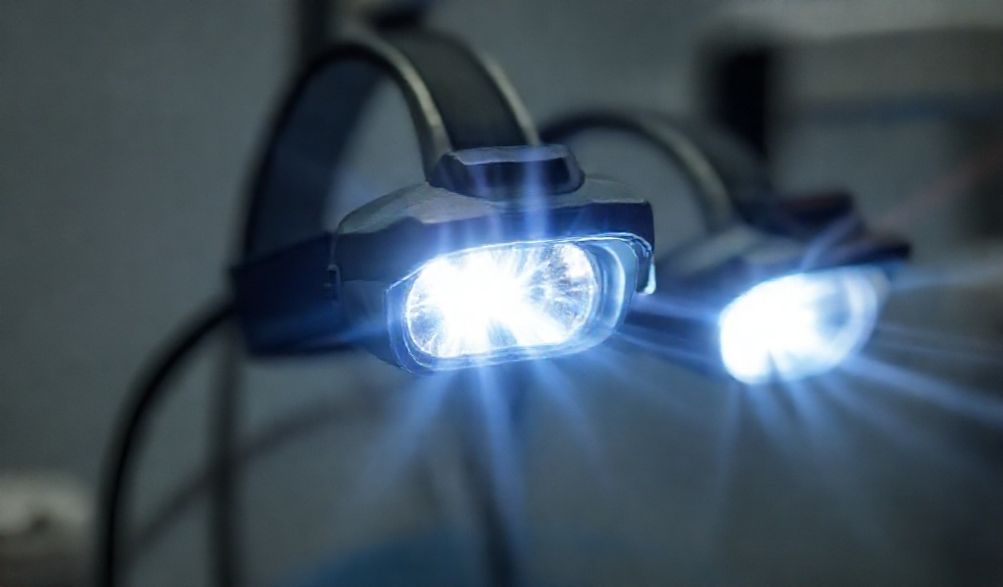
Dental Headlamps LED: The Ultimate Guide to Brighter, More Precise Dentistry
Introduction
Picture this: you’re midway through a challenging distal margin on a second molar. Your posture is strained, your focus is absolute, but a critical shadow falls across the preparation site. You tilt your head, adjust the overhead light, but the shadow stubbornly remains. This moment of compromised visibility is more than a minor annoyance; it’s a barrier to precision, efficiency, and ultimately, optimal patient care. For decades, dentists have battled the limitations of traditional lighting.
This guide is built on a foundation of current dental technology standards, clinical ergonomics principles, and real-world practitioner insights. Our goal is to demystify a critical piece of modern clinical equipment: the moderne.
Gone are the days of bulky, hot, and inefficient halogen systems. LED (Light Emitting Diode) technology has ushered in a new era of clinical illumination, transforming the headlamp from a simple light source into a fundamental ergonomic and diagnostic tool. Whether you’re a seasoned practitioner considering an upgrade or a new graduate equipping your first operatory, understanding LED headlamps is essential.
This comprehensive guide will illuminate the key features, undeniable benefits, and practical selection criteria for LED dental headlamps. We’ll move beyond marketing specs to explain what truly matters for daily clinical use, helping you make an informed investment that enhances your practice for years to come. We’ll also answer frequently asked questions and provide actionable advice for integration and care.
Insights compiled from dental equipment reviews, manufacturer specifications, and established clinical ergonomics principles.
Why LED Technology Revolutionized Dental Headlamps
The shift from halogen to LED in dental headlamps wasn’t just an incremental upgrade; it was a complete paradigm shift in normes d'éclairage, addressing long-standing frustrations with efficiency, comfort, and performance.
From Halogen to LED: A Leap in Clinical Lighting
halogen headlamps, the previous standard, operate by heating a tungsten filament to produce light. This process is inherently inefficient:
* Energy Waste: Over 90% of the energy consumed is emitted as heat, not light.
* Heat Discomfort: This radiant heat is directed toward the clinician’s forehead and face, causing discomfort during long procedures.
* Poor Color & Short Life: Halogen light has a yellowish tint (low Color Rendering Index) and the bulbs have a relatively short lifespan, requiring frequent and costly replacements.
LED technology solves these problems at a fundamental level. LEDs produce light through electroluminescence—the movement of electrons in a semiconductor material. This results in:
* High Efficiency: A significantly greater percentage of electrical energy is converted directly into visible light.
* Minimal Heat: Very little radiant heat is produced at the light source, enhancing clinician comfort.
* Superior Longevity: LEDs can last for tens of thousands of hours, often outlasting the headlamp itself.
Core Benefits of LED Headlamps for Dentists and Patients
The technical advantages of LEDs translate into direct, tangible benefits in the operatory.
1. Superior Brightness & Shadow Reduction: Modern LED headlamps deliver intense, focused beams of light with exceptional uniformity. This “shadowless” illumination is achieved by filling the oral cavity with bright, even light, minimizing the dark contrasts that obscure detail. This is crucial for seeing subtle fractures, subgingival margins, and the full extent of caries.
2. Enhanced Color Accuracy (High CRI): The Color Rendering Index (CRI) measures a light source’s ability to reveal the true colors of objects compared to natural daylight. Halogen lights typically have a CRI around 80-90, but high-quality LED headlamps boast a CRI of 90+ (with 100 being perfect daylight). This high CRI is critical for accurate tissue differentiation (spotting inflammation vs. healthy tissue) and, most importantly, for precise shade matching in restorative and aesthetic dentistry. You see the true tooth color, not a yellowed version of it.
3. Cooler Operation & Improved Comfort: By eliminating the intense radiant heat of halogen bulbs, LED headlamps dramatically increase practitioner comfort. No more sweating under the light during a lengthy root canal or composite build-up. This directly reduces physical fatigue and allows for better focus throughout the clinical day.
4. Durability and Long-Term Value: While the initial investment in a premium LED headlamp may be higher than an old halogen system, the total cost of ownership is lower. There are no bulbs to replace. The robust solid-state construction of LEDs makes them resistant to shock and vibration. This durability, combined with energy efficiency and zero consumable costs, makes an LED headlamp a wise long-term investment for any practice.
Key Features to Consider When Choosing an LED Dental Headlamp
Navigating the market for LED headlamps requires looking past flashy claims and focusing on the specifications and design elements that impact daily use.
Understanding Technical Specifications
Lux/Lumen Output: Brightness is typically measured in lux (illuminance at a surface) or lumens (total light output). For dentistry, a spotlight intensity of 20,000 to 100,000+ lux at a standard working distance (e.g., 400mm) is common. More important than a maximum number is ajustables brightness. A dimmer allows you to tailor the light for a simple exam (lower setting) versus a deep cavity prep (maximum setting), preventing glare and eye fatigue.
Beam Spot Size and Focus: The beam’s diameter and focus are as important as its brightness. A smaller, focused spot (e.g., 60mm) provides intense light for precision tasks like endodontics. A larger, more diffuse spot (e.g., 120mm) offers broader illumination for exams or oral surgery. Some models feature a variable focus ring, allowing you to adjust the spot size on the fly—a highly versatile feature.
Color Temperature (Kelvin): Mesurée en Kelvin (K), elle décrit le “ chaud ” ou le “ froid ” de la lumière blanche.
* Lower K (3500-4500K): “Warm white,” with a yellowish hue. Some prefer this for longer procedures as it may be less harsh.
* Higher K (5000-6000K+): “Cool white” or “daylight white,” with a bluish tint. This is the most common preference in dentistry as it promotes alertness and provides excellent contrast, closely mimicking the D65 standard (6500K) used for shade matching.
Design and Ergonomics for Daily Use
Weight and Balance: A headlamp is worn for hours. Every gram counts. Look for models under 100 grams (excluding battery). More critical than weight alone is balance. A well-balanced headlamp, often with a rear counterweight or a battery pack at the back, distributes weight evenly to prevent neck strain and slippage during movement.
Battery Systems and Runtime: You have two main choices:
* Corded: Powered by a base unit, offering unlimited runtime but restricting mobility.
* Cordless (Rechargeable): Offers complete freedom of movement. Key considerations are battery type (Lithium-ion is standard), runtime (aim for 6-10+ hours on a medium setting to cover a full day), and charging options (dock, cable, fast-charge). A battery indicator is a valuable feature.
Options de fixation : Compatibility and comfort are key.
* Bandeau : The most common, offering a secure and adjustable fit for most head sizes.
* Loupe-Mounted: The light attaches directly to your loupes via a clip or integrated mount. This ensures the light is always perfectly aligned with your line of sight, but adds weight to your loupes.
* Clip-On (to glasses/frame): A lighter option for those who don’t wear loupes but use prescription glasses.
Practical Applications and Procedural Advantages
The benefits of a high-quality LED headlamp permeate every aspect of clinical dentistry, elevating the standard of care across procedures.
Enhancing Precision in Common and Complex Procedures
- Restorative Dentistry: For composite placements, the intense, shadow-free light ensures complete caries removal, perfect marginal adaptation, and accurate layering of shades. You can clearly see the interface between tooth and material.
- Endodontics: Locating calcified or accessory canals, identifying canal orifices, and checking for fractures become significantly easier with a bright, focused beam directed deep into the pulp chamber.
- Periodontics: Illuminating deep periodontal pockets improves visualization of subgingival calculus, root surfaces, and inflamed tissue, aiding in thorough debridement.
- Oral Surgery: During extractions, especially surgical ones, excellent illumination is critical for visualizing bone, identifying tooth roots, and protecting adjacent structures.
Reducing Eye Strain and Practitioner Fatigue
Chronic eye strain is a common occupational hazard in dentistry, often stemming from poor lighting. Constantly straining to see details in shadowy areas forces the ciliary muscles in your eyes to work overtime. A bright, consistent LED headlamp eliminates this strain. By providing optimal illumination without glare, it reduces the cognitive load required to interpret visual information. This leads to less physical fatigue (squinting, tense shoulders), better focus, and a more sustainable practice over the course of a long career.
How to Integrate and Maintain Your LED Headlamp System
To get the most from your investment, proper setup and care are essential.
Best Practices for First-Time Use and Adjustment
- Fitting: Adjust the headband so it sits comfortably and securely on your head, above your eyebrows. It should not slip when you move.
- Beam Alignment: Put on your loupes (if used). Turn on the headlamp and direct the beam at a flat surface. Adjust the light housing until the bright “hot spot” is centered in your field of view through your loupes. The goal is for the light to be co-axial with your vision.
- Brightness Setting: Start at a medium setting. Adjust up for high-detail work and down for exams or to reduce glare off reflective surfaces. Your eyes will adapt.
Routine Cleaning, Care, and Battery Management
- Nettoyage : After each patient use, wipe down the headband and light housing with an EPA-approved disinfectant wipe. Avoid getting moisture in the vents or ports. Never immerse the light unit in liquid.
- Entretien des lentilles : Use a soft, lint-free cloth to gently clean the lens. Avoid abrasive materials.
- Battery Longevity: For cordless models, follow the manufacturer’s charging instructions. Avoid constantly draining the battery to 0%. For long-term storage, charge it to about 50-60%. Use the charger provided with the unit.
Section FAQ
Q1: What is the typical battery life of a cordless LED dental headlamp?
R : Most modern models offer 6-10+ hours on a single charge at a medium brightness setting, which is sufficient for a full clinical day. Runtime varies significantly based on the selected brightness level. Always check the manufacturer’s specifications for details.
Q2: Can I attach an LED headlamp to my existing dental loupes?
R : Many LED headlamps are designed with universal loupe mounts or adaptable clips. However, compatibility is not guaranteed. It’s crucial to check with both the headlamp manufacturer and your loupe company to ensure a secure and stable fit for your specific brand and model.
Q3: Is a higher lux rating always better for dental work?
R : Not necessarily. While sufficient brightness is key (generally 20,000 lux minimum), excessive, unfocused light can cause intense glare off wet surfaces and contribute to eye fatigue. Adjustable brightness and a properly focused spot size are often more important than chasing the highest maximum output number.
Q4: How does LED light improve color accuracy compared to older lights?
R : High-CRI LEDs emit a full, balanced spectrum of light very similar to natural daylight. This allows for true distinction between subtle tooth shades (vital for aesthetics), early caries (which appear brown or opaque), and healthy versus inflamed soft tissues. Older halogen lights emit a light spectrum skewed toward yellow/red, which can mask these critical color differences.
Q5: Are LED dental headlamps worth the investment for a new graduate?
R : Absolutely. While it’s a significant purchase, it is a foundational tool for clinical success. The immediate reduction in eye strain, the dramatic improvement in procedural precision and confidence, and the professional presentation it affords can enhance the quality of care from day one and support a long, healthy career.
Conclusion
The LED dental headlamp is far more than a simple convenience; it is a fundamental ergonomic tool that directly bridges the gap between clinical skill and optimal patient outcomes. By delivering brilliant, accurate, and comfortable illumination, it empowers dentists to perform at their highest level, reducing strain and elevating precision across every procedure.
When selecting your headlamp, prioritize a holistic combination of factors: ergonomic comfort for all-day wear, sufficient and high-quality (high-CRI) light output, and reliable, long-lasting battery performance. Avoid choosing based on any single specification in isolation.
Your next step is to engage with reputable dental equipment suppliers. Seek peer recommendations, read detailed reviews, and, most importantly, try demo units whenever possible. The feel on your head and the quality of the light in your own operatory are the ultimate tests.
Investing in the right professional lighting is not just an equipment purchase; it is a direct investment in the quality, precision, and longevity of your dental practice and your own well-being as a clinician.
p>