
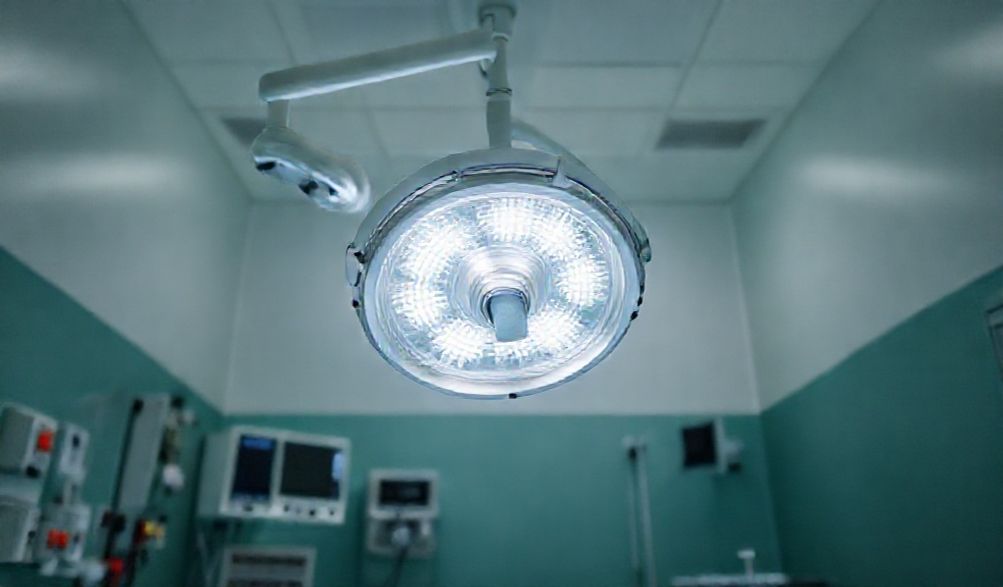
Portable Operating Room Lights: A Comprehensive Guide to Mobile Surgical Lighting
Introduction
Imagine a critical trauma case arriving at a remote rural clinic, miles from a fully-equipped hospital. Or, picture a sudden power outage in a main operating suite during a complex procedure. In these high-stakes moments, the difference between complication and clarity, between uncertainty and precision, often hinges on a single, vital resource: reliable, high-quality light. surgical lighting is not a mere convenience; it is the foundation upon which visual diagnosis, delicate dissection, and successful outcomes are built.
This guide is designed for the professionals who understand this imperative—surgeons, anesthesiologists, nursing staff, hospital procurement specialists, and biomedical engineers. Our purpose is to provide an authoritative, experience-based resource for selecting and utilizing portable operating room lights. The information herein is grounded in clinical requirements, technical standards, and the practical realities of modern surgical care. Whether you are researching a critical purchase, comparing technical specifications, or seeking to expand surgical capabilities in non-traditional settings, this comprehensive overview will illuminate the key considerations.
We will explore the defining features of portable surgical lights, delve into the essential technical specifications that matter most, outline their primary applications, and provide a structured framework for choosing the right system for your needs. Finally, we will cover crucial safety, maintenance, and best practice protocols to ensure these mobile workhorses perform reliably when it matters most.
What is a Portable Operating Room Light?
Core Definition and Purpose
A portable operating room light is a self-contained, mobile surgical lighting system engineered to deliver high-intensity, shadow-reduced illumination comparable to fixed ceiling lights, but with the crucial advantage of mobility. It is a complete lighting solution on a stand, designed to be deployed rapidly in any location requiring sterile, procedural-grade light. Its core purpose is to extend the capabilities of surgical visualization beyond the confines of a traditional, fixed operating suite, ensuring that the standard of care is not compromised by geography, infrastructure, or circumstance.
Key Differences from Fixed Surgical Lights
While both aim to provide optimal surgical illumination, portable and fixed lights differ fundamentally in design philosophy:
* Mobility vs. Permanence: The most obvious difference. Portable lights are mounted on a stable base with casters, powered by rechargeable batteries or standard outlets. Fixed lights are ceiling-mounted, integrated into the OR’s infrastructure, and dependent on building power.
* Flexibility and Setup: A portable light can be wheeled into position, adjusted, and deployed in minutes. It offers unparalleled flexibility for lighting unconventional angles or supplementing primary lights. A fixed light’s position is predetermined, though its arms are highly maneuverable within their mounted range.
* Scale and Intensity: High-end portable lights now rival fixed lights in key performance metrics. However, traditionally, portable units might offer a slightly smaller field of illumination or lower maximum intensity due to thermal and power constraints—a gap that continues to narrow with LED technology.
Essential Features and Technical Specifications
Selecting a portable surgical light requires moving beyond basic brochures and understanding the technical specs that directly impact clinical utility.
Light Quality & Performance
This is the heart of the device. Subpar light quality can lead to eye strain, misinterpretation of tissue, and procedural errors.
* Luminance (Lux): This measures the intensity of light falling on the surgical field. Major surgery typically requires > 40,000 lux at the center of the field, with many advanced portable lights now exceeding 50,000-100,000 lux. For minor procedures or examination, lower levels may suffice.
* Indice de Rendu des Couleurs (IRC) : Perhaps as critical as intensity. CRI measures a light source’s ability to reveal the true colors of objects compared to natural light. Differentiating between arterial blood, venous blood, fatty tissue, and organ parenchyma requires a CRI of 90 ou plus. A lower CRI can distort colors, masking critical visual cues.
* Color Temperature (Kelvin): Measured in Kelvins (K), this describes the “warmth” or “coolness” of light. A range of 4000K to 5000K is considered ideal, mimicking bright daylight. This cool white light enhances contrast and reduces perceived eye fatigue for the surgical team.
* Depth of Illumination & Homogeneity: The light must provide consistent, bright, and shadow-reduced illumination not just on the surface, but deep within a cavity. Look for specifications on depth of illumination (e.g., “provides > 40,000 lux at 600mm depth”) and a homogeneous light field without hot spots or dark edges.
Mobility and Design
If the light can’t be positioned effectively, its performance is irrelevant.
* Battery Life & Type: Runtime is paramount for emergencies and OR transfers. Look for 4-8 hours of runtime on a single charge at high intensity, with fast recharge capabilities. Modern Lithium-ion batteries are standard due to their high energy density, lack of memory effect, and long lifecycle.
* Maniabilité : A wide, weighted base ensures stability when the arm is fully extended. Large, locking casters allow for smooth movement over OR flooring and secure placement. The system should feel robust yet easy for staff to steer and position.
* Réglabilité : The light head should be mounted on a multi-jointed, counterbalanced arm that allows for easy positioning across a wide range of heights and angles. Smooth, tool-free adjustment is essential for maintaining a sterile field.
Safety and Compliance
This is non-negotiable for any medical device.
* Regulatory Standards: Ensure the device carries relevant certifications: FDA clearance (510(k) for Class II devices), compliance with norme IEC 60601-1 (medical electrical equipment safety standard), and other regional marks (e.g., CE mark).
* Gestion thermique : LED technology excels here. The light must emit minimal radiant heat to prevent tissue desiccation, maintain patient normothermia, and keep the surgical team comfortable during long procedures.
* Sterility: The device itself is not sterile. It must be fully compatible with disposable sterile light handle covers or full light head drapes. Handles should be designed for easy, secure draping without compromising adjustability.
Primary Applications and Use Cases
The versatility of the portable operating room light makes it indispensable across the healthcare spectrum.
Emergency and Trauma Situations
In hospital Emergency Rooms, trauma bays, and ICU procedure rooms, portable lights are first responders. They provide instant, high-quality light for emergency airways, chest tubes, central lines, and damage-control surgery without delaying care to move the patient to a main OR.
Supplemental and Specialized Lighting
Even within a main operating suite, a portable light is invaluable. It can provide additional, oblique lighting to eliminate shadows in deep pelvic or abdominal surgery, offer focused light for microsurgical or plastic surgery procedures, or serve as a backup during fixed light maintenance.
Low-Resource and Remote Settings
This is where portable lights truly save lives. In rural clinics, military field hospitals, and disaster relief deployments, they enable major surgical interventions where no fixed infrastructure exists. They are the cornerstone of making essential surgery accessible in resource-limited environments.
Non-Traditional Surgical Environments
Their utility extends beyond human medicine. Veterinary hospitals, outpatient ambulatory surgery centers, dental surgery suites, endoscopy units, and labor & delivery rooms all benefit from the procedural-grade illumination a portable surgical light provides, often without the cost and construction required for fixed installation.
How to Choose the Right Portable Surgical Light
Navigating the market requires a methodical approach centered on your specific needs.
Assessing Your Clinical Needs
Start with the procedure. What types of surgery will the light support?
* Major vs. Minor Surgery: Laparotomies, joint replacements, and cardiothoracic procedures demand the highest lux levels and depth of illumination. Minor procedures like wound debridement or biopsies have lower requirements.
* Cavity Depth: Neurosurgery, deep abdominal, or pelvic surgery requires a light with excellent depth penetration and homogeneity.
* Specialty Requirements: Plastic surgeons prioritize color accuracy (CRI). Microsurgeons need focused, high-intensity spot lighting.
Evaluating the Operational Environment
The physical context dictates key features.
* Space Constraints: Measure doorways, aisles, and room sizes. Ensure the light’s footprint and extended height will fit and maneuver in your intended spaces.
* Power Availability: If used primarily in areas with reliable outlets, battery runtime may be a secondary concern. For true mobile or emergency use, maximum battery life is critical.
* Stockage : Consider where the light will be stored and charged. Is a dedicated parking/charging station needed?
Total Cost of Ownership Considerations
Look beyond the initial price tag.
* **Coût total de possession (CTP)** A cheaper light with poor CRI or short battery life is a false economy if it compromises care or requires constant battery replacement.
* Un modèle plus durable et fiable peut avoir un coût initial plus élevé mais des dépenses globales réduites. Inquire about the cost and expected lifecycle (number of charge cycles) of the battery pack.
* Maintenance & Warranty: What routine servicing is required? A comprehensive warranty (typically 2-3 ans on parts/labor, with longer warranties on the LED engine) and access to responsive biomedical engineering support are essential.
Sécurité, maintenance et bonnes pratiques
To ensure reliability and longevity, proper care protocols are mandatory.
Protocoles de Nettoyage et de Désinfection Routiniers
After every use, and following manufacturer instructions:
1. Remove any disposable sterile drapes.
2. Wipe down all external surfaces (light head, arms, pole, base) with a hospital-grade, low-level disinfectant compatible with the materials.
3. Pay special attention to handles and frequently touched areas. Never immerse the light head or electrical components in liquid.
Battery Care and Management
- Follow the manufacturer’s guidelines for charging cycles. Avoid consistently draining the battery to 0% or leaving it plugged in at 100% for extended periods.
- If storing the light for a long time, store the battery at a partial charge (e.g., 40-60%).
- Monitor battery health indicators and plan for proactive replacement based on the estimated lifecycle.
Pre-Procedure Safety Checks
Make this a standard part of the pre-op checklist:
1. Power/Battery: Verify adequate charge for the planned procedure’s duration.
2. Functionality: Turn on the light, check all intensity settings, and ensure the cooling system (if present) is quiet and functional.
3. Mechanics: Test the smooth movement and locking of all arm joints and the column.
4. Sterility: Ensure a new, intact sterile light handle cover or drape is properly applied without contaminating the field.
Section FAQ
Q1: Can a portable operating room light truly replace a fixed ceiling light for major surgery?
R : High-end portable surgical lights are now capable of meeting or exceeding the luminance and color quality standards required for major surgery. However, they are generally designed as superb supplements or for use where fixed lights are unavailable. The decision depends on the specific model’s specifications and the procedural demands. For a permanent, high-volume main OR, a fixed system is often preferred, but a portable light can be a complete and adequate solution for a lower-volume suite or remote clinic.
Q2 : Combien de temps durent généralement les batteries, et comment sont-elles remplacées ?
R : Modern LED-based portable lights typically offer 2 to 8 hours of continuous runtime on high settings, depending on the model and battery capacity. Batteries are usually rechargeable, user-removable lithium-ion packs. Replacement should be performed by trained clinical or biomedical engineering staff following the manufacturer’s specific instructions to ensure safety and proper calibration.
Q3 : Quelle est la spécification technique la plus importante à considérer ?
R : There is no single “most important” spec, as they work in concert. A light with 150,000 lux but a poor CRI of 80 is clinically dangerous. Prioritize a combination: High Lux output (>40,000 for major surgery), an excellent CRI (>90), and sufficient depth of illumination pour vos procédures typiques. Cette triade garantit une visualisation lumineuse, précise et profonde des cavités.
Q4 : Les lampes chirurgicales portables sont-elles faciles à stériliser ?
R : La lampe elle-même n'est pas stérilisée. La stérilité est maintenue en utilisant des protège-poignées stériles jetables à usage unique ou un drapage complet de la tête lumineuse.. Ceux-ci sont conçus pour une application facile sur les poignées et, dans certains cas, sur l'ensemble de la tête lumineuse. Les surfaces externes non stériles sont nettoyées entre les utilisations avec des désinfectants approuvés.
Q5 : Quel type de garantie est standard pour cet équipement médical ?
R : Les garanties varient selon le fabricant mais couvrent généralement de 1 à 3 ans sur les pièces et la main-d'œuvre. Il est crucial de noter que la source lumineuse LED à longue durée de vie bénéficie souvent d'une garantie distincte et plus longue (par exemple, 5 à 10 ans ou 50 000 heures). Vérifiez toujours les détails de la garantie, ses exclusions (comme les batteries) et la disponibilité du réseau de service.
Conclusion
Les lampes de salle d'opération portables sont bien plus que de simples lampes mobiles ; ce sont des outils vitaux et flexibles qui étendent la portée d'une intervention chirurgicale sûre et de haute qualité. Elles comblent les lacunes en matière d'infrastructure, autonomisent les cliniciens en situation d'urgence et démocratisent l'accès aux soins chirurgicaux essentiels. Comme nous l'avons exploré, choisir le bon système est un processus délibéré qui doit équilibrer une performance clinique sans compromis—luminosité, fidélité des couleurs et profondeur—avec les réalités pratiques de la mobilité, de l'environnement et du coût total de possession.
Pour prendre cette décision cruciale, utilisez les principes E-E-A-T (Expérience, Expertise, Autorité, Fiabilité). Consultez directement des fabricants réputés qui peuvent fournir des données de validation détaillées. Impliquez votre équipe d'ingénierie biomédicale certifiée pour évaluer la maintenabilité et la conformité. Plus important encore, recherchez les retours d'expérience de première main de collègues cliniciens dans des contextes similaires au vôtre. Dans la mesure du possible, demandez une démonstration en direct ou une période d'essai pour voir comment la lampe performe dans votre propre environnement.
En fin de compte, investir dans la bonne lampe chirurgicale portable, c'est investir dans la préparation, la flexibilité et, surtout, dans les résultats des patients. Cela garantit que partout où les soins doivent être prodigués—d'un service d'urgence urbain animé à une clinique improvisée dans un village reculé—la lumière nécessaire à la précision, à la sécurité et à la guérison est toujours à portée de main.
p>