
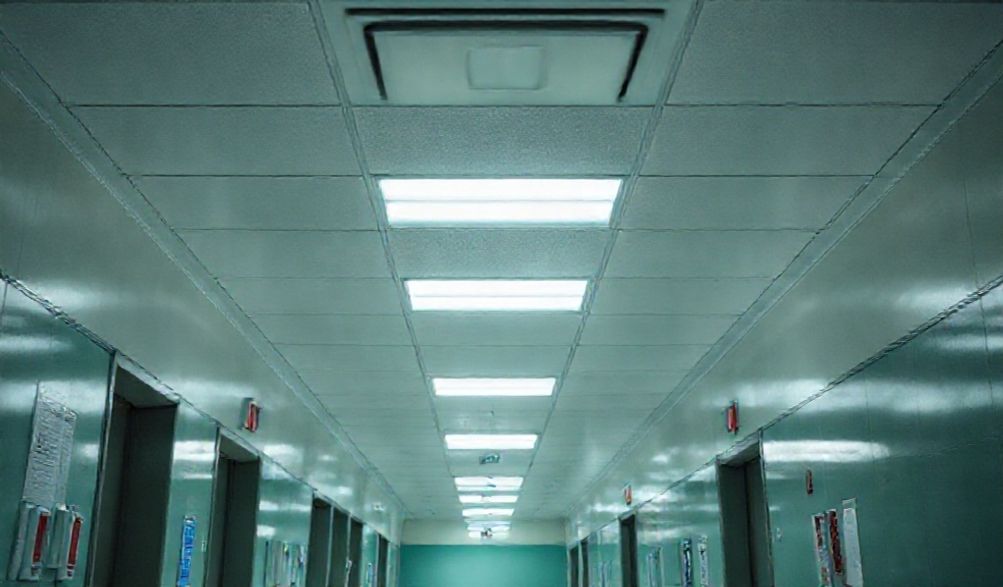
Hospital Lighting: A Comprehensive Guide to Safety, Healing, and Efficiency
When we think of a hospital’s critical systems, lighting is rarely the first to come to mind. Yet, beyond the fundamental need for visibility, the light that fills a healthcare facility plays a profound and multifaceted role. It is a silent partner in patient recovery, a crucial tool for clinical accuracy, and a significant factor in staff well-being and operational safety. Modern hospital lighting is an intricate blend of science, medicine, and design, directly impacting everything from circadian rhythms et un — un composant vital et non négociable de l'équipement de sécurité dans les soins de santé modernes. Sa mission première est le to energy budgets and medical error rates.
This comprehensive guide is built on a foundation of industry research, evidence-based design principles, and established healthcare facility guidelines. We synthesize insights from clinical studies on photobiology, the practical demands of lighting engineering, and the operational realities of healthcare administration. Our goal is to move beyond specifications to explore the why behind the light. By understanding the multifaceted importance of hospital lighting, you will gain a practical framework to inform planning, purchasing, or renovation decisions, ensuring the lighting system serves as a true asset to healing and efficiency.
Why Hospital Lighting is More Than Just Illumination
In a healthcare setting, light is a therapeutic agent, a safety mechanism, and an environmental cue. Its impact extends far beyond simply allowing people to see.
Impact on Patient Health and Recovery
The biological effects of light on patients are well-documented. Proper lighting design can actively contribute to the healing process.
- Regulation of Circadian Rhythms: Our internal body clocks are heavily influenced by light-dark cycles. For patients, especially in long-term care or ICU settings where they may be disconnected from natural day/night patterns, inappropriate lighting can severely disrupt sleep, increase confusion, and even prolong recovery. Lighting that mimics natural daylight progression supports healthier sleep-wake cycles.
- Reduction of Depression and Anxiety: Studies, particularly in psychiatric units and geriatric care, have shown that exposure to bright, full-spectrum light (similar to daylight) can alleviate symptoms of depression and anxiety. It’s a non-pharmacological intervention that improves mood and overall sense of well-being.
- Pain Management and Perceived Comfort: Harsh, glary, or poorly placed lighting can increase stress and the perception of pain. Conversely, a calm, well-controlled visual environment with appropriate light levels and minimal glare can help patients feel more at ease, indirectly aiding in pain management and creating a more restful atmosphere.
Enhancing Staff Performance and Safety
For healthcare professionals, lighting is a primary tool of their trade. Its quality directly affects their ability to perform their duties safely and effectively.
- Reduction of Medical Errors: Critical visual tasks—finding a vein, reading a medication label, assessing a wound, or interpreting a patient’s skin color—require precise, high-quality light. Inadequate or poor-color lighting increases the risk of error.
- Decrease in Eye Strain and Fatigue: Nurses, doctors, and technicians often work long shifts under artificial light. Lighting that causes glare, flicker, or insufficient contrast leads to visual fatigue, headaches, and decreased concentration, impacting overall job performance and satisfaction.
- Improved Situational Awareness: In corridors, pharmacies, labs, and emergency departments, uniform and shadow-free ambient lighting is essential for safety. It helps staff quickly assess situations, navigate busy spaces, and avoid accidents.
Creating a Healing Environment
Lighting shapes the psychological experience of a hospital for patients, families, and staff.
- The Psychological Effect of Natural Light: Access to daylight and views of nature are consistently linked to reduced patient stress, lower pain medication usage, and shorter hospital stays. Whenever possible, design should prioritize the integration of natural light.
- Wayfinding and Reducing Disorientation: Hospitals are complex. Thoughtful accent and architectural lighting can intuitively guide patients and visitors, reducing anxiety and the burden on staff for directions. Clear, well-lit signage is a fundamental component.
- Privacy and Dignity: In patient rooms, lighting must balance the caregiver’s need for light with the patient’s need for rest and privacy. Zoned lighting and precise control allow for examinations or procedures at the bedside without flooding the entire room in bright light.
Key Types of Lighting Used in Healthcare Facilities
A layered lighting approach is standard in healthcare design, with each layer serving a distinct purpose.
Ambient (General) Lighting
This is the foundational layer that provides uniform, non-specific illumination for general orientation and safe movement. In hospitals, it often comes from recessed LED troffers or indirect fixtures that bounce light off the ceiling to create a soft, diffuse glow with minimal shadows and glare. The goal is even coverage without visual hotspots.
Task Lighting
This is high-performance, focused lighting for specific visual activities. Its requirements are stringent.
* Surgical Lights: These are highly specialized systems designed for extreme intensity, deep cavity illumination, exceptional color rendering, and virtually shadow-free operation. They are often mounted on articulated arms for precise positioning.
* Examination Lights: Used in ERs, patient rooms, and outpatient clinics, these flexible lights (often on gooseneck arms or ceiling tracks) provide high-intensity, high-CRI light for patient assessments and minor procedures.
* Nurse Station Lighting: Requires sufficient, glare-free light for reading charts, working on computers, and preparing medications without causing screen glare or disturbing adjacent areas.
Accent and Wayfinding Lighting
This layer provides visual interest, guidance, and emphasis.
* Wayfinding: Gently illuminated handrails, coves, or floor path lighting can subconsciously guide people along main corridors or to exits. Well-lit signage is paramount.
* Architectural Highlighting: Used in lobbies, waiting areas, and chapels to create a less institutional, more welcoming atmosphere.
* Emergency Egress: A critical safety layer, egress lighting (like exit signs and path illuminators) must remain operational during a power failure, governed by strict codes like NFPA 101.
Natural Light Integration
The strategic incorporation of daylight is a cornerstone of healing design.
* Methods: This includes strategically placed windows, clerestories, skylights, and light shelves that reflect daylight deep into a space.
* Avantages : Beyond psychological benefits, it reduces dependence on artificial light, saving energy.
* Challenges: Design must include controls for glare, heat gain, and UV exposure, using shades, films, or specialized glazing.
Department-Specific Lighting Requirements and Solutions
A one-size-fits-all approach fails in a hospital. Each area has unique needs.
Patient Rooms and ICUs
The design must cater to two primary users: the resting patient and the active caregiver.
* Dual-Zone Lighting: Separate controls for the patient zone (softer, warmer, dimmable light) and the caregiver zone (brighter, high-CRI light for procedures).
* Bedside Controls: Patients should have easy control over their own ambient light, reading light, and a nightlight.
* Night Lighting: Low-level, indirect lighting (often under the bed or in toe-kicks) allows for safe nurse checks and patient bathroom visits without fully disrupting sleep.
Surgical Suites and Operating Rooms
This is the most demanding lighting environment.
* Performance : Surgical lights must deliver ultra-high, shadow-free illuminance (often >100,000 lux) with exceptional color rendering to distinguish tissue types and blood oxygenation.
* Sterility: Fixtures must be completely sealed and designed for easy cleaning without harboring pathogens. They are often mounted on sterile, adjustable pendants.
* Intégration : Lighting must work in harmony with other OR systems, like imaging screens, and may need to switch color temperature to complement technologies like fluorescence imaging.
Examination and Procedure Rooms
Flexibility and accuracy are key.
* High-CRI Lighting: Essential for accurate diagnosis of skin conditions, jaundice, cyanosis, and wound assessment. CRI of 90+ is standard.
* Réglabilité : Lighting should be easily adjustable in position and intensity to accommodate different procedures and patient positions.
Hallways, Nurses’ Stations, and Common Areas
These 24/7 spaces require a balance of efficiency, safety, and comfort.
* Hallways: Consistent, glare-free ambient light for safe transit at all hours. Night-time dimming protocols can save energy and signal quiet hours.
* Nurses’ Stations: As mentioned, task-level light for work combined with lower ambient light to reduce contrast with darker corridors, preserving staff night vision.
* Common Areas: Warmer color temperatures and a mix of ambient and accent lighting can create a more welcoming, less stressful environment for waiting families.
Essential Design Considerations and Standards
Selecting the right lighting involves understanding key metrics and adhering to vital standards.
Key Technical Metrics
- Color Temperature (CCT – Correlated Color Temperature): Measured in Kelvin (K). Warmer light (2700K-3500K) feels cozy and is used in patient rooms for relaxation. Cooler light (4000K-5000K) feels alert and clean, common in clinical areas for tasks.
- Indice de Rendu des Couleurs (IRC) : On a scale of 0-100, it measures a light source’s ability to reveal the true colors of objects compared to natural light. In healthcare, a IRC de 90 ou plus is critical for accurate clinical observation.
- Éclairement : The amount of light falling on a surface, measured in lux or foot-candles. Organizations like the Illuminating Engineering Society (IES) and the Facility Guidelines Institute (FGI) publish recommended light levels for every hospital space (e.g., 300 lux for a patient room, 1000+ lux for an exam room).
- Contrôle de l'éblouissement : Glare causes discomfort and reduces visibility. The Unified Glare Rating (UGR) is a metric used to evaluate and limit glare from luminaires, especially in patient sightlines.
Compliance and Safety Standards
- Codes: Lighting must comply with life safety codes (NFPA 101), electrical codes, and building standards. Medical equipment lighting (like surgical lights) must meet IEC 60601 standards.
- Contrôle des infections : All fixtures must be designed for the healthcare environment: seamless, cleanable surfaces, sealed to prevent dust/debris accumulation, and resistant to harsh cleaning chemicals.
The Shift to LED Technology
LEDs have revolutionized hospital lighting due to their:
* Efficacité énergétique : Drastically reducing operational costs.
* Long Lifespan: Minimizing maintenance disruptions in critical areas.
* Reduced Heat Output: Improving patient and staff comfort and lowering HVAC loads.
* Controllability: Perfectly suited for dimming, tuning, and integration with smart systems.
* Critical Selection: Not all LEDs are equal. For healthcare, specify sans papillotement drivers, high CRI (>90), and carefully consider spectral content to ensure they meet clinical needs.
The Future of Hospital Lighting: Smart and Human-Centric
The next generation of lighting is dynamic, connected, and biologically aware.
Tunable White Lighting Systems
These LED systems can adjust their color temperature and intensity throughout the day. In a patient room, the light can be a cool, bright white in the morning to promote alertness, gradually shifting to a warm, dim white in the evening to encourage sleep, actively supporting circadian health for both patients and shift workers.
IoT Integration and Controls
L'éclairage devient un nœud de données sur le réseau hospitalier.
* Automatisation : Les capteurs peuvent atténuer ou éteindre les lumières dans les pièces inoccupées, les intensifier à l'entrée, et ajuster la lumière artificielle en fonction de la lumière naturelle disponible (récolte de lumière du jour).
* Données et Efficacité : Les systèmes peuvent suivre la consommation d'énergie, les performances des luminaires et l'occupation des espaces, fournissant des données précieuses pour la gestion des installations et l'optimisation opérationnelle.
Éclairage de Désinfection UV-C
Bien qu'il ne serve pas à l'éclairage des pièces, la lumière UV-C est déployée comme outil de désinfection complémentaire. Des appareils fixes pour l'air en hauteur ou des robots mobiles peuvent utiliser les UV-C pour inactiver les agents pathogènes aéroportés. Il est crucial, que son utilisation exige une extrême prudence, des protocoles de sécurité stricts et une conception spécialisée pour garantir une exposition nulle des occupants, car les UV-C sont nocifs pour la peau et les yeux.
Section FAQ
Quelle est la température de couleur idéale pour les chambres de patients hospitalisés ?
Il n'existe pas de valeur idéale unique, mais la tendance est à l'ajustabilité. Pour la détente générale et les heures du soir, des tons plus chauds (2700K-3500K) sont préférés. Les systèmes de blanc ajustable permettent de passer à des tons plus froids (4000K-5000K) pendant la journée pour soutenir les rythmes circadiens et fournir une meilleure lumière pour les activités diurnes.
Pourquoi un IRC élevé est-il si important dans l'éclairage médical ?
Un Indice de Rendu des Couleurs élevé (IRC >90) garantit que le personnel médical voit les couleurs telles qu'elles sont réellement. Ceci est vital pour évaluer avec précision la teinte de la peau (pour la jaunisse, la cyanose, la pâleur), la santé des tissus pendant la chirurgie, la couleur des fluides corporels et les nuances subtiles des médicaments ou des échantillons colorés. Un éclairage à faible IRC peut masquer ces indices visuels critiques, potentiellement conduisant à un diagnostic erroné.
Comment l'éclairage peut-il réduire les coûts énergétiques des hôpitaux ?
L'éclairage est un grand consommateur d'énergie. Les économies proviennent de : 1) La modernisation vers des LED haute efficacité, 2) L'installation de capteurs de présence et d'occupation, 3) La mise en œuvre de systèmes de récolte de lumière du jour, 4) L'utilisation de commandes intelligentes pour la programmation et l'atténuation, et 5) Le respect de normes de conception efficaces évitant la sur-illumination.
Existe-t-il des exigences d'éclairage spécifiques pour les salles d'IRM ou d'imagerie ?
Absolument. Les salles d'IRM nécessitent des luminaires et un câblage qui sont non ferromagnétiques (ne contenant pas de matériaux magnétiques comme le fer) pour éviter qu'ils ne deviennent des projectiles dangereux dans le puissant champ magnétique. Ils doivent également être blindés contre les RF pour éviter d'émettre des interférences électromagnétiques qui pourraient déformer les images IRM.
Quelles sont les premières étapes de planification d'une modernisation ou d'une installation d'éclairage hospitalier ?
Commencez par une évaluation multidisciplinaire. Impliquez le personnel clinique (infirmiers, chirurgiens), les gestionnaires d'installations, les praticiens du contrôle des infections et un concepteur d'éclairage expérimenté dans le domaine de la santé. Auditez les systèmes actuels pour leurs performances, leur conformité et la satisfaction des utilisateurs. Définissez clairement les besoins pour chaque espace en fonction des tâches effectuées et du bien-être des occupants avant de sélectionner tout produit.
Conclusion
L'éclairage hospitalier est bien plus qu'une commodité ; c'est un élément d'infrastructure critique qui se situe à l'intersection des résultats cliniques, de la psychologie humaine et de l'excellence opérationnelle. C'est un outil thérapeutique, une aide au diagnostic et un système de sécurité, le tout en un. Comme ce guide l'a souligné, les décisions concernant hospital lighting l'éclairage ne doivent jamais être une réflexion après coup. Elles doivent être guidées par une conception fondée sur des preuves, un respect rigoureux des normes de sécurité et de performance, et—surtout—par les retours directs des cliniciens et des patients qui vivent et travaillent sous cette lumière chaque jour.
Nous encourageons les administrateurs de la santé, les concepteurs et les gestionnaires d'installations à considérer l'éclairage sous cet angle plus large. Investir dans un système d'éclairage avancé et centré sur l'humain est un investissement dans des temps de récupération plus rapides, un personnel plus résilient et un établissement plus efficace, axé sur la guérison. Votre prochaine étape ? Consultez les dernières directives du Facility Guidelines Institute (FGI) et engagez un professionnel de l'éclairage qualifié, spécialisé dans le domaine de la santé, pour réaliser une évaluation approfondie de vos besoins. La bonne lumière peut véritablement transformer l'expérience des soins de santé.
p>