
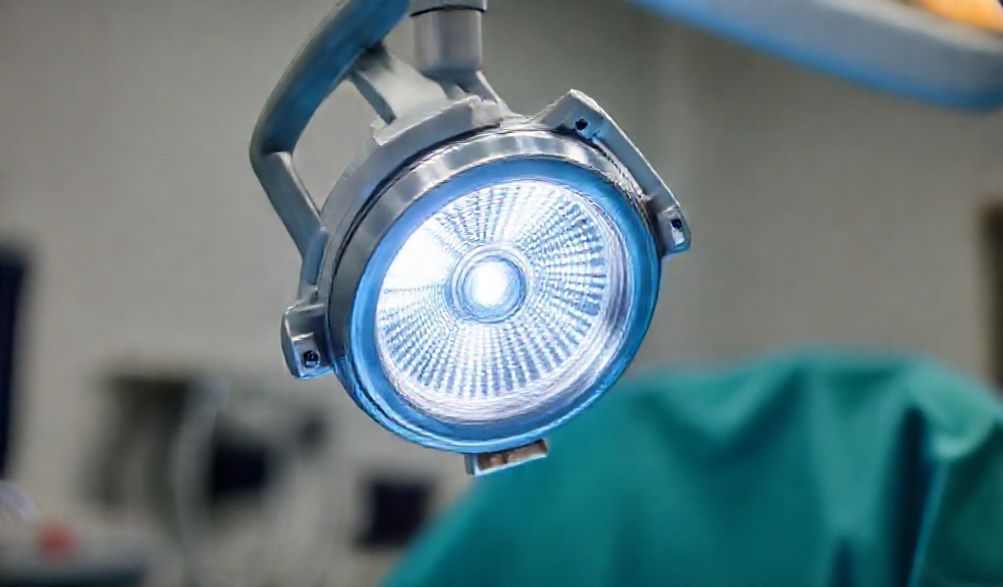
The Surgeon’s Guide to Choosing the Best Surgical Headlight
In the operating room, where millimeters define success and tissue planes dictate outcomes, vision is everything. Yet, this critical sense is wholly dependent on one often-overlooked tool: illumination. The choice of a chirurgicale générale transcends a simple gear purchase; it is a fundamental professional decision that directly impacts surgical precision, patient safety, and the long-term physical well-being of the surgeon. A subpar light can mean missed detail, increased operative time, and debilitating neck strain. Conversely, the best chirurgicale générale becomes a seamless extension of the surgeon’s skill, revealing anatomy with clarity and reducing ergonomic burden.
This guide is crafted to serve as your definitive, evidence-based resource. Developed with an understanding of surgical workflows and rigorous technical analysis, our goal is to empower surgeons, residents, and procurement teams to cut through marketing claims and make truly informed decisions. We will dissect the key features that matter, provide clear comparisons of leading systems, and offer a practical framework for selecting the ideal headlight tailored to your specialty, technique, and budget. Consider this your roadmap to achieving optimal illumination.
Why Surgical Headlight Quality is Non-Negotiable
Before comparing models, it’s essential to understand why this tool demands such careful consideration. A chirurgicale générale is not merely a flashlight for your forehead; it is a core component of your operative capability.
Impact on Surgical Precision and Outcomes
The primary mandate of any surgical light is to enable precision. Studies and expert consensus consistently link the quality of illumination to key performance metrics. Optimal lighting enhances tissue differentiation—allowing the surgeon to clearly distinguish between artery, vein, nerve, and fascia based on subtle color and textural cues. This clarity directly contributes to reduced error rates and improved procedural speed. In delicate procedures, from microvascular anastomoses to oncological resections, the ability to see a clear, shadow-free field with true color rendition can be the difference between a routine case and a complication.
Ergonomics and Surgeon Well-being
The physical cost of poor lighting is often underestimated. Inadequate illumination forces surgeons into compensatory postures: craning the neck, hunching the shoulders, and bringing their eyes closer to the field. Over hours and years, this leads to significant musculoskeletal strain, particularly in the cervical spine, contributing to fatigue, pain, and even career-shortening injuries. A high-quality headlight, by delivering bright, focused light exactly where it’s needed, allows the surgeon to maintain a neutral, healthy posture. It mitigates fatigue, enabling sustained concentration and protecting the surgeon’s most valuable asset: their own physical ability to operate.
Beyond Brightness: The Components of Optimal Light
When evaluating headlights, surgeons often focus first on “brightness,” but this is only one piece of the puzzle. True quality is a combination of several key metrics:
* Température de Couleur : Measured in Kelvins (K), this determines the “warmth” or “coolness” of the light. A temperature between 5,500K and 6,500K mimics natural daylight, providing neutral white light that renders tissue colors most accurately.
* Shadow Reduction & Beam Homogeneity: A “hot spot” in the center with rapid fall-off creates harsh shadows and forces constant adjustment. The Le meilleur projecteur chirurgical systems offer a homogeneous beam with even illumination across the entire spot, minimizing shadows and eye strain.
* Depth of Field: This refers to the range of distance within the surgical field that remains in sharp focus. A greater depth of field allows the surgeon to move instruments in and out of focus without constantly re-adjusting the light, maintaining visual continuity.
Key Features to Evaluate in a Surgical Headlight System
Armed with an understanding of why quality matters, let’s examine what to look for. Breaking down a headlight into its core components will demystify the selection process.
Light Source Technology: LED vs. Xenon
This is the fundamental choice in modern systems.
* Xenon: The former gold standard, known for its very bright, white light. However, xenon bulbs have a short lifespan (typically 300-500 hours), generate significant heat, require a bulky power supply, and have high replacement costs.
* LED (Light Emitting Diode): The unequivocal modern standard. LEDs offer exceptional brightness with minimal heat output, extremely long lifespans (often 50,000+ hours), instant on/off capability, and are highly energy-efficient. They provide excellent color rendering and are the core of today’s most advanced, reliable, and cost-effective systems.
Optical Performance Specifications
These are the numbers that define what you see.
* Lux/Lumens: Lumens measure total light output, while lux measures light intensity on a surface. For surgical headlights, lux at a given distance (e.g., 100,000 lux at 400mm) is a more useful benchmark than lumens alone.
* Spot Size Variability: The ability to adjust the diameter of the light beam (e.g., from 40mm to 120mm) is crucial for adapting to different procedures, from a tiny neurovascular field to a broader abdominal cavity.
* Depth of Field Adjustment: Some systems allow you to mechanically or optically adjust the depth of field, providing flexibility for deep-cavity work versus superficial procedures.
Conception du confort et de la portabilité
If it’s not comfortable, you won’t wear it properly, negating its benefits.
* Répartition du poids : Total weight is important (aim for under 200g for the headpiece), but balance is critical. A well-designed headband distributes weight across the crown and occiput to prevent pressure points.
* Headband Adjustability: Look for multi-point, tool-free adjustment for a secure, personalized fit that accommodates different head sizes and shapes, as well as surgical caps or hoods.
* Heat Dissipation: Even LEDs generate some heat. Effective thermal management ensures the headpiece remains cool during long cases.
* Loupes/PPE Compatibility: The system must integrate seamlessly with your surgical loupes, eyewear, and magnification systems without interference or instability.
Power System and Cable Management
Reliable power is non-negotiable.
* Type de Batterie : Lithium-ion (Li-ion) batteries are the standard, offering high energy density, no memory effect, and long cycle life. Ensure the battery is medical-grade and safety-certified.
* Runtime: A quality battery should deliver 4-8 hours of runtime on a medium setting, enough for a full surgical day. Quick-charge capabilities are a valuable bonus.
* Belt-Pack vs. Battery-on-Head: Belt-pack systems place the battery on your waist, reducing head weight but adding a cable tether. Battery-on-head designs are more streamlined and mobile but can be front-heavy if not well-balanced.
* Gestion des câbles : A lightweight, flexible, and kink-resistant cable that can be easily routed under your gown is essential for maintaining a sterile field and freedom of movement.
Review of Top Surgical Headlight Systems
Here, we compare several leading systems that consistently rank highly in the search for the Le meilleur projecteur chirurgical. (Note: Specific models are examples; always verify latest models with manufacturers.)
Enova Illumination Quantum 9000 – The High-Performance Workhorse
- Brief Overview: A powerful, feature-rich LED system known for its intense, homogeneous light and robust construction.
- Key Pros: Exceptionally bright output (often exceeding 150,000 lux), excellent color temperature, wide spot size range, and highly durable design. Offers both belt-pack and lightweight battery-on-head options.
- Key Cons: Can be on the higher end of the price spectrum; some users find the top-tier models more feature-rich than necessary for all specialties.
- Idéal pour : Surgeons who perform long, complex procedures requiring maximum illumination and versatility, such as cardiovascular, neurosurgery, and reconstructive microsurgery.
Sunoptic Technologies Endolite – The Premium Ergonomic Leader
- Brief Overview: Focuses intensely on lightweight comfort and advanced optical clarity, often featuring a distinctive low-profile headpiece.
- Key Pros: Superb ergonomics with ultra-lightweight headpieces (some under 100g), excellent beam homogeneity with minimal shadowing, and intuitive magnetic connectors. Renowned for all-day comfort.
- Key Cons: Premium pricing; maximum brightness, while excellent, may be slightly less than the most powerful competitors for the deepest cavities.
- Idéal pour : Surgeons who prioritize comfort during lengthy procedures, such as plastic surgeons, orthopedic surgeons, and anyone prone to neck fatigue.
Admetec LED Pro Series – The Value-Focused Essential
- Brief Overview: Offers reliable, high-quality LED performance at a more accessible price point, making premium features available to a wider range of users.
- Key Pros: Strong value proposition, good brightness and color rendering, solid battery life, and simple, user-friendly controls. Often includes useful accessories.
- Key Cons: May lack some of the ultra-refined ergonomic or optical adjustments of the top-tier systems. Finish and materials can be more utilitarian.
- Idéal pour : Residents, fellows, high-volume clinics, and surgeons in specialties like general surgery, dentistry, and veterinary medicine who need dependable performance without the peak investment.
Comparison Table at a Glance
| Feature | Enova Quantum 9000 | Sunoptic Endolite | Admetec LED Pro |
| :— | :— | :— | :— |
| Light Source | High-Power LED | Advanced LED | Standard LED |
| Headpiece Weight | ~150-180g | ~90-120g | ~130-160g |
| Spot Size Range | 40mm – 120mm+ | 50mm – 100mm | 60mm – 110mm |
| Battery Life | 6-8 hours | 5-7 hours | 4-6 hours |
| Key Strength | Maximum Power & Versatility | Premium Ergonomics & Clarity | Overall Value & Reliability |
| Approx. Price Range | $$$$ | $$$$ | $$-$$$ |
How to Select the Best Headlight for Your Specialty
Your surgical discipline should guide your final choice. The Le meilleur projecteur chirurgical for a neurosurgeon differs from the ideal choice for a general surgeon.
Demands of Microsurgery and Neurosurgery
These fields require the pinnacle of optical performance. Prioritize systems with:
* Extreme Brightness: To illuminate deep, narrow cavities.
* Smallest Spot Sizes: For focused illumination on minute structures (think 40mm or less).
* Superior Depth of Field: To maintain focus within complex, three-dimensional anatomy.
* Flawless Homogeneity: Any shadow or hot spot can obscure critical detail.
Considerations for General, Orthopedic, and Plastic Surgery
These diverse specialties often involve a mix of deep and superficial work over extended periods. Look for:
* A Balance of Field and Focus: A good range of spot sizes (e.g., 60mm to 120mm) is essential.
* Excellent Depth of Field: Crucial for abdominal cavity work or deep joint spaces.
* All-Day Comfort: This is paramount. Lightweight, well-balanced systems that minimize fatigue are a key investment.
* Reliable, Long-Lasting Battery: To power through long lists without anxiety.
Needs for Dental, ENT, and Veterinary Surgery
Maneuverability and specific mounting are often key.
* Portability & Maneuverability: Lighter, less cumbersome systems are beneficial in these often faster-paced or chair-based environments.
* Specific Mounting: Compatibility with dental loupes, head mirrors (for ENT), or unique positioning needs in veterinary surgery.
* Durabilité : Equipment in these settings may face more frequent handling and adjustment.
Practical Buying Considerations and FAQs
Trial Periods, Service, and Warranty
N'achetez jamais un projecteur chirurgical “ sans l'avoir vu ”.” Insistez pour un essai clinique pratique. Portez-le avec vos loupes, dans un environnement clinique simulé ou réel, pendant une durée significative. Portez attention au confort après 60 minutes, à la facilité de réglage et à la qualité de la lumière sur les tissus pertinents.
Le support du fabricant est tout aussi important. Que couvre la garantie (généralement 2-3 ans sur l'électronique, à vie sur l'optique) ? Quelle est la réactivité du service après-vente ? Des unités de prêt sont-elles disponibles pendant les réparations ? Un support fiable est un élément essentiel de l'offre globale.
Établir un budget : Coût initial vs Coût total de possession
Regardez au-delà du prix affiché. Un système au xénon moins cher peut avoir un coût initial bas, mais entraînera des frais récurrents élevés de remplacement d'ampoule. Un système LED haut de gamme a un coût d'acquisition plus élevé, mais pratiquement aucun coût de consommable pendant dix ans ou plus. Prenez en compte les cycles de remplacement de batterie (tous les 2-3 ans en utilisation intensive) et les éventuels frais de service. L' Le meilleur projecteur chirurgical investissement est celui qui offre fiabilité et faibles coûts d'exploitation sur la durée.
Foire Aux Questions (FAQ)
Q1 : Quelle est la température de couleur idéale pour un projecteur chirurgical ?
R : La plupart des experts recommandent une température de couleur entre 5 500 K et 6 500 K, qui fournit une lumière blanche neutre, semblable à la lumière du jour. Cela minimise la distorsion des couleurs et permet la différenciation la plus précise des types de tissus et de la vascularisation.
Q2 : Quel est l'importance du poids dans le choix d'un projecteur chirurgical ?
R : D'une importance capitale. Un système plus léger (souvent moins de 150-200 grammes pour le casque) réduit considérablement la tension et la fatigue cervicales pendant les longues interventions. Cependant, l'équilibre doit être pris en compte — un poids bien réparti est souvent plus confortable qu'une unité plus légère mais mal équilibrée.
Q3 : Puis-je utiliser mes loupes chirurgicales avec n'importe quel projecteur ?
R : Pas toujours. La compatibilité est essentielle. De nombreux systèmes modernes offrent des solutions intégrées ou facilement montables. Assurez-vous que le mécanisme de fixation du projecteur n'interfère pas avec la monture de vos loupes et que le câble d'alimentation ne s'accroche pas. Certains fabricants proposent une intégration sur mesure.
Q4 : Combien de temps la batterie d'un projecteur chirurgical doit-elle durer sur une seule charge ?
R : Une batterie lithium-ion de haute qualité devrait fournir un minimum de 4 à 6 heures d'autonomie à un réglage de luminosité moyen, suffisant pour la plupart des programmes chirurgicaux d'une journée entière. Vérifiez toujours les spécifications du fabricant concernant l'autonomie à l'intensité que vous prévoyez d'utiliser.
Q5 : Un projecteur chirurgical plus cher est-il toujours meilleur ?
R : Pas nécessairement. Bien que les modèles haut de gamme offrent souvent une optique, une ergonomie et une durabilité supérieures, un système de milieu de gamme peut parfaitement répondre aux besoins d'une spécialité spécifique. Le “ meilleur ” projecteur est celui qui correspond de manière optimale à vos exigences cliniques spécifiques, à vos besoins de confort et à votre budget.
Conclusion
Choisir les Le meilleur projecteur chirurgical est un processus délibéré d'équilibrage de trois piliers : la performance optique qui révèle la véritable anatomie, le confort ergonomique qui protège le chirurgien, et la fiabilité du système qui inspire confiance, intervention après intervention. C'est un outil profondément personnel qui devrait sembler être un prolongement naturel de votre concentration et de votre compétence.
Ce guide a fourni le cadre pour votre décision. Nous vous encourageons à l'utiliser pour échanger avec vos collègues, poser des questions détaillées aux fournisseurs et, surtout, organiser des essais cliniques. Expérimentez la différence d'éclairage, ressentez la différence de confort et testez l'intégration à votre flux de travail de première main. Investir dans le bon projecteur n'est pas seulement un investissement dans un équipement ; c'est un investissement dans votre capacité chirurgicale, dans les résultats de vos patients et dans votre propre bien-être professionnel à long terme. Voyez la différence par vous-même.
p>