
The Ultimate Guide to Cordless Dental Loupe Lights: Benefits, Features & How to Choose
Introduction
For dental professionals, precision is paramount. Every procedure, from a routine examination to complex restorative work, relies on clear, shadow-free illumination. Traditional headlamps and wired loupe lights have served the industry for years, but they come with well-known limitations—tangled cords that restrict movement, the constant tug on your neck, and the dreaded dimming of a dying bulb mid-procedure. These frustrations aren’t just minor inconveniences; they are ergonomic and clinical liabilities.
Enter the cordless dental loupe light: a revolutionary tool designed not as a simple upgrade, but as a transformative piece of clinical equipment. As a dental technology specialist who has spent over a decade evaluating surgical and diagnostic tools for practices of all sizes, I’ve witnessed this evolution firsthand. I’ve seen the relief on a surgeon’s face after a six-hour implant case without cable drag, and I’ve measured the tangible improvement in shade matching under high-fidelity LED light. This guide is born from that hands-on experience. We will move beyond marketing claims to provide a comprehensive, unbiased analysis of cordless illumination. We’ll dissect its tangible benefits, demystify the critical technical features, and provide a clear framework for selection. My goal is to equip you with the knowledge to make an informed decision that elevates your clinical outcomes, enhances your daily comfort, and represents a smart investment in the longevity of your practice.
What is a Cordless Dental Loupe Light?
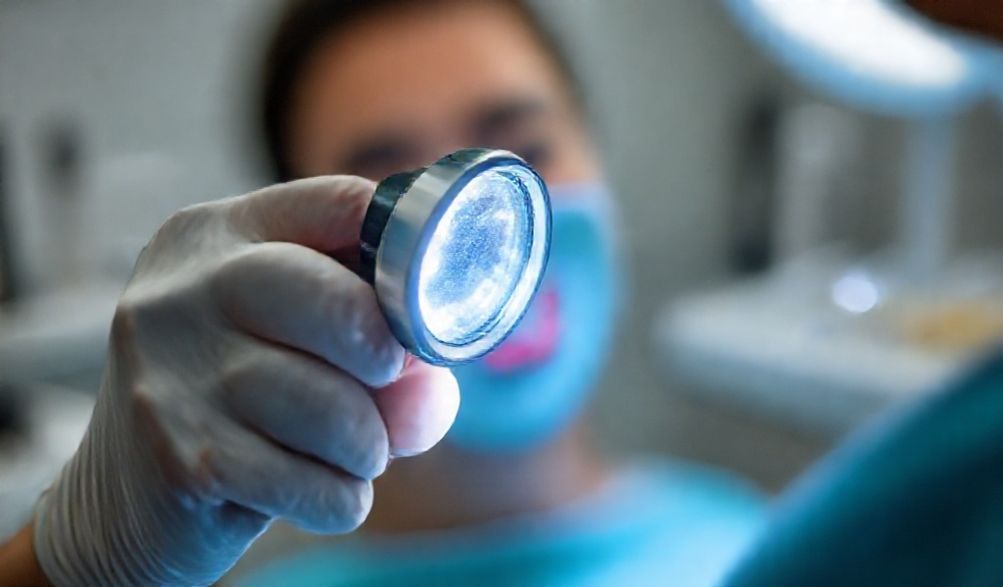
At its core, a cordless dental loupe light is an integrated illumination system that combines a high-intensity LED light source with a rechargeable battery pack. It is designed to attach directly to your surgical loupes or a headband, operating completely independently of wall outlets or the dental chair’s auxiliary power. This untethered design is its defining characteristic, granting the clinician true freedom of movement around the operatory and patient.
My first experience with an early-generation cordless model was a revelation. The absence of the familiar cable snagging on the chair arm or an assistant’s instrument tray was immediately liberating. It wasn’t just about convenience; it fundamentally changed the dynamic of the procedure, allowing for fluid, unencumbered positioning.
Core Components and How They Work Together
Understanding the system’s parts is key to evaluating its quality:
- LED Light Head: This is the business end. Modern units use powerful, cool-running LEDs that offer adjustable focus (from a tight spot to a wide flood) and variable intensity. The lens and reflector design dictates the quality and shape of the beam.
- Rechargeable Battery Pack: Typically a lightweight Lithium-ion battery, this is the system’s powerhouse. It’s usually worn on a waistband (like a small pager) or clipped to a scrub pocket. Capacity, measured in milliamp-hours (mAh), directly correlates to runtime.
- Connecting Cable: A slim, flexible, and durable cable runs from the battery to the light head. High-quality cables are designed to be lightweight, kink-resistant, and easy to wipe down.
- Mounting System: This secure mechanism attaches the light head to your loupes. It must be robust, vibration-free, and compatible with your specific loupe frame. Some systems use magnetic mounts for quick attachment/detachment.
The Evolution from Wired to Cordless Systems
Dental illumination began with simple overhead lamps and evolved to fiber-optic cables routed through loupes. While a leap forward, these wired systems introduced their own problems: the cable exerted torque on the head and neck, it was a contamination risk, and it constantly got in the way. The dream of cordless light was long-held, but early battery technology was too heavy and short-lived.
The convergence of three technologies made the modern cordless dental loupe light possible: 1) ultra-bright, efficient LEDs that produce minimal heat, 2) high-density Lithium-ion batteries that are lightweight and long-lasting, and 3) miniaturized electronics for precise power management. What was once a bulky compromise is now a superior standard of care.
Key Benefits of Using a Cordless Loupe Light
Adopting a cordless system is a strategic investment with returns in clinical quality, practitioner health, and operational efficiency. These are not theoretical benefits; they are observable improvements in daily practice.
Enhanced Ergonomics and Practitioner Comfort
This is often the most immediate and impactful benefit. The constant pull of a cable, however slight, forces the neck and shoulder muscles to work against it all day, leading to fatigue and strain.
* Elimination of Cable Drag: Without a tether, there is no external force acting on your posture. You can turn your head, lean in, or reposition without resistance.
* Reduced Physical Fatigue: By removing this source of musculoskeletal stress, practitioners report less neck, shoulder, and upper back fatigue at the end of a long clinical day.
* Unrestricted Movement: This fosters healthier, more dynamic postures and facilitates easier collaboration with an assistant, as there is no cable to navigate around.
Superior Visibility and Clinical Precision
The right light is a diagnostic and restorative tool.
* Consistent, Shadow-Free Illumination: Because the light is co-axial with your line of sight (mounted directly on your loupes), it illuminates exactly where you are looking, virtually eliminating shadows from your hands or instruments.
* High Color Rendering Index (CRI): This critical metric (often >90 in premium lights) measures the light’s ability to reveal the true colors of tissues and materials. Accurate CRI is non-negotiable for detecting subtle caries, differentiating gingival health, and achieving perfect shade matches in restorative work.
* Adjustable Focus and Intensity: The ability to switch from a focused spot for endodontic access to a wide flood for full-arch visualization or to dim the light for patient comfort during consultations makes one tool versatile for all procedures.
Improved Efficiency and Sterility in the Operatory
Streamlining workflow and reducing cross-contamination risks are always priorities.
* Simplified Sterilization Protocol: The main cable is no longer a high-touch, difficult-to-clean vector that travels from the chair to the clinician. Only the slim, wipeable cord and light head need disinfection between patients.
* Streamlined Workflow: No more managing a cable when sitting down, standing up, or moving around the chair. The “plug-in/unplug” step is eliminated.
* Instant Control: Most systems have a dial or remote switch for instant intensity adjustment without breaking sterility or looking away from the field.
Critical Features to Consider When Buying
Navigating specifications can be daunting. Let’s translate the tech sheets into practical clinical considerations.
Light Performance Metrics
This is the heart of the system. Don’t just look at the biggest “lumen” number.
* Lux/Lumen Output & Beam Pattern: Lumens measure total light output, but lux measures intensity over a specific area. A light with a very focused beam can have high lux in the center but a small field. Look for a system that offers a good balance—a bright, uniform central spot for detail work within a wider, well-illuminated field. Adjustable focus is a major advantage.
* Color Temperature (Kelvin): Measured in Kelvins (K). Cool white light (5500K-6500K) offers high contrast and a “daylight” feel, which many prefer for surgery and detection. Warm white light (4500K-5000K) is easier on the eyes for long periods and may feel more natural for shade matching. Some advanced lights offer adjustable color temperature.
* Indice de Rendu des Couleurs (IRC) : This is a must-ask specification. For any clinical or restorative work, insist on a IRC de 90 ou plus. A CRI of 95+ is excellent. This ensures you are seeing true colors, not distorted ones.
Battery and Operational Specifications
The “cordless” experience hinges entirely on this component.
* Battery Life & Runtime: Manufacturers often cite a “maximum” runtime (e.g., 10 hours) at the lowest intensity. A more realistic metric is runtime at 70-80% power, which is common for direct clinical work. A robust system should provide 4-6 hours of consistent, high-power use on a single charge—enough for a full clinical session. Always plan for a spare battery.
* Charging Technology: Look for fast-charge capabilities (e.g., a 1-2 hour full charge). A docking station that charges both the battery and a spare is incredibly convenient. Also, inquire about the battery’s expected lifecycle (number of charge cycles before significant capacity loss).
* Weight and Balance: The total system weight and its distribution are crucial. The best designs place the majority of the weight (the battery) on your waist, not your head. A waist-worn battery should feel negligible. An imbalanced system with a heavy light head will cause neck strain.
Build Quality and Usability
These features determine daily satisfaction and long-term durability.
* Durability and IP Rating: The system will be exposed to aerosols, bumps, and frequent cleaning. Look for robust construction. An IP rating (Ingress Protection) like IP54 indicates resistance to dust and water splashes, which is suitable for clinical use. Confirm which components (if any) are autoclavable—most light heads are not.
* Mounting Compatibility: This is critical. Not every light fits every loupe. You need a secure, rock-solid mount specifically designed for your loupe brand and model (e.g., Designs for Vision, Orascoptic, Zeiss). Adapters are available but can add bulk. Verify compatibility before purchasing.
* Controls and Interface: The control should be intuitive. Can you adjust intensity with a gloved hand via a dial on the battery pack or a remote switch on the cable? Is it easy to find by touch without looking? Smooth, stepless dimming is a premium feature.
How to Integrate a Cordless Light into Your Practice
Successful integration requires thoughtful planning beyond unboxing the unit.
Selecting the Right System for Your Specialty
Your clinical focus should guide your choice:
* General Dentists & Restorative Specialists: Prioritize very high CRI (>95) and adjustable color temperature for impeccable shade matching. A versatile beam from spot to flood is ideal.
* Periodontists & Oral Surgeons: Maximum brightness and a deep, shadow-free field are key for visualizing surgical sites. A cooler color temperature (6000K+) can enhance tissue contrast.
* Endodontists: A intensely bright, focused spot is crucial for locating canals and fine work within the chamber. Runtime is also key for long, consecutive procedures.
* Hygienists: A lightweight system with excellent flood illumination for full-arch assessments and patient education is perfect. Comfort for long periods is paramount.
Daily Use, Maintenance, and Care Protocol
Protect your investment with proper care:
1. Daily Use: Develop a routine: don the loupes, attach the light head (if magnetic), clip the battery to your waist, and connect the cable. Power on and adjust intensity before gloving.
2. Cleaning & Disinfection:Always follow the manufacturer’s instructions. Typically, after each patient, the light head and cable are wiped with an intermediate-level hospital-grade disinfectant wipe (e.g., CaviWipes, Clorox Healthcare) that is safe for plastics and electronics. Never submerge the light head or battery. Allow to air dry.
3. Entretien de la batterie : To maximize lifespan, avoid completely draining the battery to 0% regularly. Charge it when the indicator shows low. If storing for an extended period, store it with a ~50% charge in a cool, dry place.
Cost Analysis and Return on Investment (ROI)
A premium cordless dental loupe light is a significant investment, often costing between $1,000 and $2,500. Frame the cost through the lens of value:
* Eliminated Costs: No more replacement bulbs for old halogen systems. Reduced potential for musculoskeletal injury and associated treatment/absenteeism.
* Value-Added Returns: Enhanced diagnostic capability leads to better patient outcomes. Improved efficiency can streamline appointment flow. The reduction in physical strain is an investment in your career longevity, potentially adding productive years to your practice.
* The Intangible ROI: The daily improvement in comfort and reduction in frustration is profound. Many practitioners find it to be one of the most impactful well-being purchases they’ve made for their practice.
Foire Aux Questions (FAQ)
Q1: How long does the battery really last on a single charge?
R : While manufacturers may state 8-10+ hours, this is typically at the lowest intensity setting. Under realistic clinical use at 70-100% power, you can expect a solid 4-6 hours of runtime from a high-quality system. This is usually sufficient for a full morning or afternoon session. Purchasing a spare battery is a highly recommended backup for uninterrupted all-day use.
Q2: Are cordless lights as bright and reliable as wired ones?
R : Yes, and often brighter. Modern LED technology in premium cordless lights far surpasses the brightness of older wired halogen systems and equals or exceeds current wired LEDs. Reliability is excellent, with the primary point of failure being the consumable battery over years of use, which is replaceable. Cordless lights provide more consistent output, as they are not subject to power fluctuations from the dental unit.
Q3: Is the weight of the battery pack uncomfortable?
R : A well-designed system should not be uncomfortable. By placing the battery weight on your waist (distributing it over your pelvis), it becomes virtually unnoticeable and is ergonomically superior to the constant directional pull of a head-mounted cable. The key is to ensure the system is balanced. A demo unit is essential to assess personal comfort.
Q4: How do I sterilize the light head?
R : This is critical. You must follow the manufacturer’s specific instructions. The vast majority of light heads are NON autoclavable. Le protocole standard consiste à essuyer toutes les surfaces externes (tête lumineuse et câble) avec une lingette désinfectante de niveau intermédiaire enregistrée par l'EPA, sûre pour les plastiques et les composants électroniques. Ne jamais immerger la tête lumineuse ou la batterie dans un liquide, ni laisser du liquide pénétrer dans les ports.
Q5 : Puis-je utiliser n'importe quelle lumière sans fil avec mes loupes existantes ?
R : Pas automatiquement. Les systèmes de fixation sont souvent propriétaires. Avant l'achat, vous devez confirmer la compatibilité du 100% avec votre marque, modèle et distance de travail spécifiques de loupes. La plupart des fabricants et distributeurs réputés fournissent des tableaux de compatibilité ou proposent des services de consultation pour garantir un ajustement parfait. Utiliser un support incompatible peut être dangereux et endommager vos loupes.
Conclusion
La transition vers un cordless dental loupe light système sans fil est plus qu'une simple mise à niveau gadget ; c'est un engagement envers une ergonomie avancée et l'excellence clinique. En éliminant le lien physique, il s'attaque directement à l'un des risques professionnels les plus persistants en dentisterie tout en offrant un éclairage supérieur et constant précisément là où vous en avez besoin. Le choix, comme nous l'avons détaillé, repose sur une évaluation équilibrée des performances objectives de la lumière, de l'ergonomie intelligente de la batterie et de l'intégration transparente dans votre flux de travail.
Pour la suite, laissez ce guide vous servir de cadre. Priorisez avant tout une démonstration pratique. La sensation subjective de la répartition du poids et la qualité objective de la lumière sur un typodont ou en salle d'opération sont les tests ultimes. En choisissant un système basé sur les caractéristiques substantielles et les avantages à long terme décrits ici, vous investissez plus que dans un outil. Vous investissez dans la clarté de votre vision, la santé de votre corps et la qualité des soins que vous prodiguez. Dans une profession fondée sur la précision, la bonne lumière ne vous aide pas seulement à voir votre travail – elle vous aide à le maîtriser.
p>