
Dental Hygiene Loupes with Light: A Clinician’s Guide to Enhanced Vision, Ergonomics, and Patient Care
You finish your last prophy of the day, turn off the operatory light, and feel it—the familiar ache at the base of your skull, the tightness across your shoulders, and a dull throb behind your eyes. You know you did a thorough job, but a nagging thought persists: Did I get it all? That faint shadow on the distal of #19, the subtle texture change on the lingual of #24—were they just tricks of the light, or something more? This daily reality for countless dental hygienists isn’t just about fatigue; it’s a professional compromise between what you know to do and what you can physically see and endure.
These pervasive challenges—eye strain, musculoskeletal pain, and the relentless pursuit of subgingival calculus—are not inevitable occupational hazards. They are addressable limitations. The solution lies in a transformative piece of technology that has evolved from a niche tool to a clinical essential: dental hygiene loupes with integrated LED lighting. This isn’t merely about fonction de grossissement; it’s about fundamentally upgrading your primary diagnostic and operative senses.
This guide is designed to cut through the marketing jargon and provide an authoritative, evidence-based resource. We’ll synthesize technical specifications, ergonomic principles, and clinical research to help you, the dedicated dental professional, make a truly informed decision. Investing in loupes with light is an investment in your clinical capability, your long-term physical health, and the standard of care you provide. Whether you’re a seasoned hygienist feeling the strain, a student building your professional toolkit, or a practice owner equipping your team for excellence, understanding this technology is the first step toward a more sustainable and successful practice.
What Are Dental Hygiene Loupes with Light? Beyond Simple Magnification
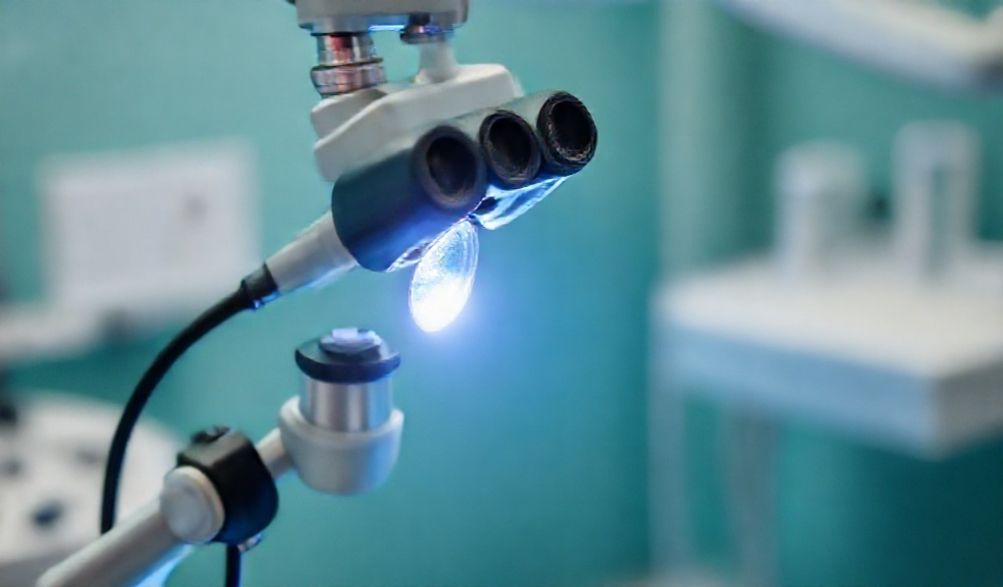
At first glance, dental loupes with light might look like a sophisticated headlamp. In reality, they are a precision optical system engineered for the unique demands of intraoral work. They combine two critical elements: magnification for detail and focused illumination for clarity, working in concert to extend your natural abilities.
The Core Components Explained
-
Magnification Lenses: The heart of the system. Loupes typically use one of two optical designs:
- Systèmes Galiléens : Offer lower magnification (typically 2x to 3.5x) in a lighter, more compact design. They provide a larger field of view and greater depth of field, making them an excellent, forgiving choice for first-time users.
- Systèmes Prismatiques (Keplériens) : Use a series of prisms to fold the light path, allowing for higher magnification (3.5x to 6x and beyond) without a massive increase in physical length. They offer a flatter, wider field of view at higher powers, which many clinicians prefer for procedures like scaling and root planing.
For most hygienists, a starting magnification between 2.5x and 4.0x provides the ideal balance between enhanced detail and manageable adaptation.
-
Integrated LED Lighting System: This is what separates modern loupes from their predecessors. The light is not an accessory; it’s integrated.
- Coaxial Illumination: The light is aligned with your line of sight, directly illuminating the area you are magnifying. This eliminates the shadows cast by your head, hands, or instruments, revealing contours and deposits that overhead lights simply miss.
- Température de Couleur : High-quality systems emit light in the “daylight” range (~5500 Kelvin). This neutral white light provides true tissue color rendition, crucial for accurately assessing inflammation, detecting early caries, and differentiating calculus from tooth structure.
- Adjustable Intensity: The ability to dim or brighten the light allows you to adapt to different procedures and patient sensitivities, ensuring optimal visibility without causing glare or discomfort.
-
The Frame & Fit: Often overlooked, comfort is paramount. Lightweight materials like titanium or composite polymers reduce neck strain. A fully customizable fit—adjustable nose bridges, temple lengths, and angles—ensures the loupes sit securely without pressure points. Crucially, reputable manufacturers will incorporate your personal optical prescription directly into the magnifying lenses, guaranteeing perfect vision.
How They Differ from Standard Loupes or Operatory Lights
A common misconception is that overhead operatory lights are sufficient. While powerful, they are static. As you move, you cast shadows. A loupe-mounted light moves with you, providing consistent, shadow-free illumination exactly where you are looking.
Furthermore, the synergy is key. Magnification alone can strain the eyes if the subject isn’t perfectly lit. A bright overhead light without magnification misses microscopic detail. Loupes with light combine these functions, where the whole is exponentially greater than the sum of its parts. The focused light fills the magnified field, revealing a level of detail that feels like a new dimension of clinical practice.
Key Benefits: Why Every Hygienist Should Consider Loupes with Light
The decision to invest in this technology yields returns across three critical areas: clinical outcomes, personal well-being, and patient relationships.
Uncompromised Clinical Visibility and Precision
This is the most immediate and profound benefit. Suddenly, the “faint shadows” become clearly defined spicules of subgingival calculus. You can visualize the fine texture of remaining plaque biofilm. Early cracks, marginal discrepancies on restorations, and subtle tissue changes like incipient mucositis become unmistakably apparent.
This enhanced vision translates directly to clinical efficacy. More complete calculus removal, more accurate assessments of pocket depth and bleeding points, and better identification of problematic areas lead to superior treatment outcomes. As many clinicians report, it’s like “seeing what was always there for the first time.” This isn’t just about working harder; it’s about working with definitive precision.
Enhanced Ergonomics and Career Longevity
Perhaps the most compelling reason for long-term clinicians is ergonomics. Dental hygiene is notoriously hard on the body. Traditional posture involves hunching forward and craning the neck to get eyes closer to the patient’s mouth—a recipe for chronic pain.
Loupes enforce proper ergonomics through their angle de déclinaison. This is the angle built into the lenses that allows you to sit or stand upright with your spine in a neutral position while your eyes are angled downward into the oral cavity. You no longer bend your neck; you simply direct your gaze. This reduction in forward head posture can dramatically decrease strain on the cervical spine, trapezius muscles, and lower back.
Framed as a career-saving investment, loupes with light are a proactive measure against the musculoskeletal disorders that cut clinical careers short. Protecting your physical health is the ultimate professional investment.
Elevated Patient Communication and Trust
Clear visualization transforms patient education from an abstract discussion into a tangible, shared experience. With the detail provided by loupes, you can confidently point out areas of concern. While intraoral cameras are fantastic, even simply describing what you see with newfound clarity—”Mrs. Smith, I can see some residual calculus here that we need to address”—carries more authority.
This builds immense trust. Patients appreciate transparency and evidence. When you can articulate specific findings, your recommendations for periodontal therapy, more frequent recare, or specific home-care techniques are met with greater understanding and acceptance. You transition from a service provider to a trusted visual diagnostician.
How to Choose the Right Loupes with Light: A Buyer’s Checklist
Navigating the market requires a strategic approach. This is a personal tool, and the “best” loupes are the ones that fit vous and your clinical style perfectly.
Assessing Your Clinical Needs and Preferences
Start by asking yourself key questions:
* What procedures do I perform most? A periodontally-focused practice might benefit from higher magnification (3.5x+) than one focused primarily on pediatric prophylaxis.
* What is my current pain point? Is it neck strain, eye fatigue, or feeling you’re missing detail? Your answer prioritizes ergonomic fit versus optical power.
* How many hours do I work clinically? All-day comfort and lightweight design become non-negotiable for full-time clinicians.
Spécifications techniques à comparer
When comparing models, look beyond the brand name and examine the specs:
* Éclairage : Recherchez des LED systems with a high Color Rendering Index (CRI). Check l'autonomie de la batterie (aim for 6+ hours) and type—rechargeable lithium-ion with a quick-swap option is ideal. A simple, accessible intensity dial is a must.
* Optics: Understand profondeur de champ (how much area stays in focus at once) and width of field. Generally, higher magnification reduces both. Anti-fog and anti-reflective coatings are essential for maintaining clear vision.
* Confort : Assess the weight (grams matter over 8 hours), the type of padding on the nose bridge and temples, and the overall adjustability of the frame.
The Critical Importance of a Professional Fitting
This cannot be overstated: Loupes are not an off-the-shelf purchase. An improper fit will cause discomfort, visual distortion, and may worsen your posture.
A professional fitting involves precise measurements of your Pupillary Distance (PD) and, most importantly, your est crucial pour aligner les lentilles avec vos pupilles afin d'obtenir une image unique et claire.—the exact distance from your eyes to your patient’s mouth when you are sitting in your ideal, upright posture. This measurement ensures the loupes are custom-angled for you. Reputable companies offer this service through in-person consultations with representatives or via advanced virtual fitting kits with guided instructions. Never skip this step.
Integrating Loupes with Light into Your Daily Hygiene Practice
Adopting a new tool requires a short period of adaptation, but the payoff is lifelong.
The Adjustment Period: Tips for Success
- Start Slow: Wear your loupes for an hour or two each day for the first week. Your brain needs time to adapt to the magnification and re-calibrate hand-eye coordination. Some initial dizziness or nausea is common but temporary.
- Practice Instrumentation: Use a typodont or even a pen to practice your fulcrum and scaling motions while looking through the loupes. This builds muscle memory.
- Move Your Chair, Not Your Head: Learn to use your stool’s mobility to adjust your position relative to the patient, rather than craning your neck.
Entretien et soins pour la longévité
Traitez vos loupes comme les instruments de précision qu'elles sont.
* Nettoyage : Use only the provided microfiber cloth and lens spray (or mild soap and water). Never use paper towels, clothing, or harsh chemicals.
* Stockage : Always place them in their hard case when not in use. Never leave them on a chair or counter where they can be sat on or knocked to the floor.
* Entretien de la batterie : Follow charging instructions. Don’t let the battery fully deplete regularly. Keep a spare, charged battery in your operatory.
Maximizing Your Investment: Advanced Uses
Once proficient, explore their full potential:
* Detailed Documentation: Use your enhanced vision to write more precise and descriptive clinical notes.
* Specialized Care: They are invaluable for implant maintenance (visualizing the abutment interface), orthodontic hygiene (detecting plaque around brackets), and non-surgical periodontal therapy, where definitive calculus removal is critical.
Foire Aux Questions (FAQ)
Q: Are dental hygiene loupes with light worth the investment?
R : Absolument. Le retour sur investissement est triple : 1) Protecting Your Health: Reducing pain and extending your career has immeasurable value. 2) Improving Clinical Outcomes: Better detection and treatment directly benefit your patients and your professional reputation. 3) Increasing Job Satisfaction: Working with precision and comfort reduces daily frustration. It’s an investment in your most important professional asset—yourself.
Q: What is a good magnification for a dental hygienist just starting with loupes?
R : Most clinicians find success starting with 2.5x to 3.5x magnification. This range provides a significant visual enhancement while maintaining a generous field of view and depth of field, making the initial learning curve much smoother. You can always move to higher magnification later as your skills adapt.
Q: How long does the battery typically last, and what happens if it dies during a procedure?
R : Modern lithium-ion batteries in quality loupe systems typically last 6 to 8 hours on a medium setting, easily covering a full clinical day. The best practice is to charge them nightly. Most professional systems feature quick-swappable batteries. Keeping a fully charged spare battery in your operatory drawer ensures you can swap it in seconds if needed, with no disruption to patient care.
Q: Puis-je obtenir des verres correcteurs pour mes loupes dentaires ?
R: Oui, et vous devriez le faire. Les fabricants de loupes réputés considèrent cela comme une option standard et essentielle. Vous fournirez votre ordonnance optique actuelle lors de l'adaptation, et ils tailleront vos corrections spécifiques directement dans les lentilles de grossissement. Cela garantit une vision parfaitement nette et corrigée pendant votre travail.
Q: Comment convaincre mon employeur de contribuer au financement des loupes ?
R : Abordez la question avec une proposition professionnelle axée sur les avantages. Soulignez comment cet investissement sert les objectifs du cabinet : une qualité de soins supérieure, une éducation des patients plus efficace favorisant une meilleure acceptation des traitements, une réduction du risque de blessures pour le clinicien (et des absences associées), et une image de cabinet modernisée et technologiquement avancée. De nombreux cabinets proposent des allocations pour l'équipement, mettent en place des plans de paiement ou les reconnaissent comme des outils professionnels déductibles des impôts. Les loupes d'hygiène dentaire avec lumière intégrée sont bien plus qu'un simple équipement ; elles représentent un changement de paradigme dans la pratique clinique. Elles résolvent la tension fondamentale entre la nécessité d'une précision microscopique et les exigences physiques pour l'atteindre. En offrant une visibilité inégalée, en imposant une ergonomie saine et en permettant une communication confiante avec les patients, elles incarnent un engagement envers l'excellence professionnelle sous tous les angles.
Conclusion
Choisir le bon système est une décision clinique importante – qui mérite une considération attentive des preuves, d'une adaptation experte et des besoins professionnels personnels. Nous vous encourageons à passer à l'étape suivante : recherchez des marques réputées, planifiez des consultations avec leurs représentants pour constater la différence par vous-même, et parlez à des collègues qui ont fait cet investissement. Leurs expériences seront votre guide le plus précieux.
En fin de compte, adopter cette technologie, c'est aligner vos outils sur votre expertise. Il s'agit de garantir que votre capacité à prodiguer des soins n'est jamais limitée par votre acuité visuelle ou l'endurance de votre corps. C'est une étape décisive pour offrir à chaque patient le plus haut standard de soins compatissants, précis et efficaces, tout en protégeant la carrière que vous avez travaillé si dur à construire.
Ergo Dental.
p>