
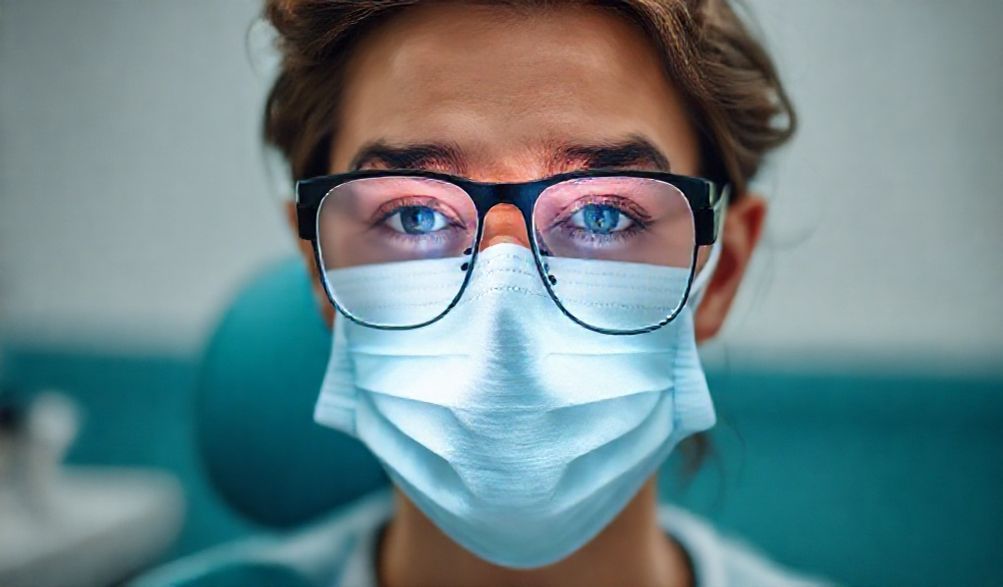
Dentist Glasses with Light: A Complete Guide to Loupes and Headlights for Dental Professionals
Imagine this: you’re halfway through a complex root canal treatment. The standard overhead light casts frustrating shadows, and you’re leaning in, straining to differentiate between a fine anatomical detail and a potential microfracture in the canal. Your neck is beginning to ache, a familiar twinge by mid-afternoon. In this high-stakes moment, where microns matter, standard vision and lighting simply aren’t enough. This scenario, repeated daily in practices worldwide, is precisely why a transformative piece of technology has become non-negotiable for the modern dental professional: surgical loupes with integrated LED headlights, often simply called “dentist glasses with light.”
This comprehensive guide is built on insights from practicing dentists, seasoned hygienists, and dental equipment specialists. It’s designed to be your definitive, practical resource, moving beyond marketing hype to deliver trustworthy advice. We’ll define this critical tool not as a mere accessory, but as a foundational investment in clinical excellence and personal wellbeing. Whether you’re a student selecting your first pair, a hygienist looking to enhance prophylaxis, or an experienced dentist due for an upgrade, this post will equip you with the knowledge to understand the profound benefits, navigate the key features, and make a confident selection. Your goal? To improve clinical outcomes, eradicate strain, and safeguard the longevity of the career you’ve worked so hard to build.
Why Dentist Glasses with Light Are Essential for Modern Practice
For decades, loupes dentaires were seen as a niche tool for surgeons. Today, they are a standard of care for any clinician focused on precision, ergonomics, and career sustainability. Integrating a light source directly into the system creates a synergistic effect that is greater than the sum of its parts.
Unmatched Precision and Improved Clinical Outcomes
The primary function of dental loupes with light is to revolutionize what you can see. Magnification alone brings hidden details into focus—subgingival calculus, micro-gaps in a margin, or the subtle color difference of early caries. When you add a coaxial illumination source (light projected directly down your line of sight), you eliminate the shadows that plague overhead lights. This shadow-free, bright field reveals true tissue morphology and color.
The clinical implications are significant:
* Restorative Dentistry: You can place more precise margins, leading to better-fitting crowns and less postoperative sensitivity. Identification of caries excavation endpoints becomes more accurate, preserving more healthy tooth structure.
* Periodontics: Subgingival calculus removal becomes thorough and definitive, improving periodontal outcomes. Fine suturing in surgical procedures is greatly enhanced.
* Endodontics: Locating canal orifices, identifying cracks, and ensuring complete debridement are all tasks performed with newfound clarity.
* Preventive Care: Hygienists can provide a superior level of cleaning and patient education, pointing out issues the naked eye would miss.
This isn’t just about working better; it’s about providing a higher standard of care and reducing the likelihood of clinical errors.
The Critical Ergonomics Benefit: Combating Dental Posture Syndrome
If precision is the most cited benefit, ergonomics is the most life-changing. “Dental Posture Syndrome”—chronic neck, back, and shoulder pain—is a near-universal occupational hazard. It’s caused by the constant forward head posture and hunched shoulders required to see into the oral cavity.
Properly fitted loupes with lights are the most effective antidote. They are engineered with two critical ergonomic components:
1. Angle d’inclinaison : The angle of the lenses, which allows you to look straight ahead with your head upright while your eyes are angled down at the patient.
2. Distance de travail : The fixed distance from your eyes to the patient’s mouth, calibrated to your own anatomy.
Together, these features force you into a neutral spine position. You sit upright, with your shoulders relaxed and your head positioned over your spine. The strain on your cervical and thoracic vertebrae is dramatically reduced. For many clinicians, investing in loupes means the difference between ending the day with debilitating pain and ending it feeling strong. It’s a direct investment in your ability to practice pain-free for decades to come.
Reducing Eye Strain and Fatigue
Squinting. It’s a subtle, constant action during a long clinical day when you’re fighting shadows and poor contrast. This leads to significant eye muscle fatigue, headaches, and general exhaustion. An integrated headlight delivers bright, focused light exactly where you are looking, eliminating the need to squint. The ocular muscles relax, and the brain spends less energy processing a poorly lit image. The result is less end-of-day fatigue, improved concentration during long procedures, and overall greater stamina.
Key Features to Consider When Choosing Dental Loupes with Light
Not all systems are created equal. Understanding these core features will help you discern quality and find the perfect match for your practice.
Magnification Power: Finding Your Sweet Spot (2.5x to 6x+)
Magnification is not “one-size-fits-all.” Higher is not always better, as it comes with a smaller field of view and shallower depth of field.
* 2.5x – 3.5x: The ideal starting point and excellent for general dentistry, hygiene, and most restorative procedures. It offers a great balance of magnification and a wide field of view.
* 4.0x – 6.0x+: Suited for specialists or general dentists focusing on endodontics, periodontics, or surgery. Provides incredible detail but requires more practice to use effectively due to a narrower field.
Pro Tip: First-time users should almost always start at 2.5x or 3.0x. You can always move to higher magnification later as your skill adapts.
Understanding Field of View and Depth of Field
- Field of View (FOV): The width of the area you can see through the lenses. A wider FOV (common with lower magnification) is great for general practice as it provides more context. A narrow FOV requires more head movement.
- Depth of Field (DOF): The “3D” space that remains in focus from near to far without moving your head. A deeper DOF is crucial for working on posterior teeth where the angle of the arch creates varying distances. Prismatic loupes generally offer a superior depth of field compared to Galilean systems.
The Lighting System: LED Quality, Brightness & Color Temperature
The light is half of the equation.
* LED Quality & Brightness: Look for high-quality, medical-grade LEDs with a long rated lifespan (often 50,000+ hours). Adjustable brightness settings are essential—you need different levels for an oral exam versus illuminating a deep prep.
* Température de Couleur : Measured in Kelvins (K). Aim for “daylight white” (5000K-6000K). This neutral temperature provides the most accurate color rendition of oral tissues, amalgam, composites, and tooth structure, which is vital for diagnosis and shade matching. Avoid lights with a yellow (warm) or blue (cool) tint.
Comfort & Fit: Frame Design, Weight, and Balance
You’ll wear this system for hours. Comfort is paramount.
* Frame Design: Should be lightweight (often titanium or high-tech polymers) and offer a secure, customizable fit via adjustable nose pads and temple arms.
* Poids & Équilibre : The center of gravity is key. An integrated light adds weight to the front. A well-designed system will use a counterbalanced battery pack, often on a belt clip or at the back of the headband, to prevent the glasses from sliding down your nose. All-day comfort depends on this balance.
Types of Dental Loupes with Integrated Lights
Understanding the different configurations will help you choose the right platform.
Through-The-Lens (TTL) vs. Flip-Up Loupes
- TTL (Through-The-Lens): The optical barrels are permanently mounted inside the lens of the frame. They are custom-made for your pupillary distance (PD) and working distance.
- Avantages : Lightweight, streamlined, always perfectly aligned in your line of sight. Generally considered the premium, low-profile option.
- Inconvénients : You must look through them to see magnified; to look at something across the room, you must turn your head or look over/under them. Prescription requires custom lenses.
- Loupes à relevage (Flip-Up) : The magnification barrels are mounted on a hinge and can be flipped up out of the way.
- Avantages : Incredible flexibility. Flip them up to talk to a patient, consult a screen, or write notes without moving your head. Often allow for interchangeable magnification lenses. Can be used by multiple people with different prescription inserts.
- Inconvénients : Slightly heavier and bulkier than TTL. The hinge mechanism is an extra point of potential maintenance.
Galilean vs. Prismatic (Keplerian) Loupe Systems
This refers to the internal optical design.
* Systèmes Galiléens : Use simple lenses. They are more compact, lighter, and less expensive. They excel at lower magnifications (2.5x, 3.0x) with good image quality.
* Systèmes Prismatiques (Keplériens) : Use a series of prisms to fold the light path. This allows for higher magnifications (3.5x and above) with a wider field of view and a significantly greater depth of field at a longer working distance. They are the choice for specialists but are generally heavier and more expensive.
All-in-One Systems vs. Modular Light Add-Ons
- All-in-One Systems: The light is fully integrated into the frame design from the manufacturer (e.g., Lumadent ProLoupe, Orascoptic Spark). This offers seamless aesthetics, optimized balance, and often a single warranty.
- Modular Light Add-Ons: You purchase a light (like a Designs for Vision Orascoptic XLK) that can be mounted onto your existing loupe frame. This is a fantastic, cost-effective way to upgrade older loupes without buying a completely new system.
A Step-by-Step Guide to Selecting Your First or Next Pair
Follow this process to make a confident, informed decision.
Step 1: Assess Your Primary Clinical Procedures
Conduct a self-audit. What do you do most?
* General Dentist/Hygienist: Focus on 2.5x-3.5x Galilean or low-mag Prismatic systems with a wide FOV.
* Endodontist/Periodontist: Prioritize 4x-6x+ Prismatic systems for maximum detail and depth of field.
* Surgeon: Consider even higher magnification (6x-8x) and a light with exceptional brightness and battery life.
Step 2: Get a Professional Consultation and Fit
This is the single most important step. Purchasing dental loupes with light is not like buying sunglasses online. A proper fitting by a qualified company representative is non-negotiable. They will take precise measurements:
* Distance interpupillaire (DIP) : The distance between your pupils.
* Distance de travail : The distance from your eyes to your patient’s mouth in your ideal ergonomic posture.
* Angle d’inclinaison : The angle your eyes need to be pointed for you to sit upright.
Skipping this step almost guarantees poor ergonomics and discomfort.
Step 3: Evaluate Budget and Long-Term Value
Frame this as a career investment, not an expense. Prices can range from ~$1,000 for basic flip-ups to over $4,000 for high-end, custom TTL prismatic systems with light.
* Garantie : A key trust signal. Look for at least a 2-3 year warranty on optics and 1-2 years on the light/battery.
* Service & Support: Does the company offer repair services, re-certifications, or trade-in programs?
* Return Policy/Adjustment Period: A reputable dealer will offer a trial period.
Step 4: Trial and Adjustment Period
Expect a learning curve of 2-4 weeks. Your brain and hands need to adapt to the magnified, brightly lit world. Depth perception will feel different. Schedule shorter, less complex procedures initially. Persist through this period—the muscle memory will develop, and the benefits will become second nature.
Maintenance, Care, and Safety for Your Investment
Protect your significant investment with proper care.
Daily Cleaning and Sterilization Protocols
- Lentilles : Use only lens-specific microfiber cloths and approved lens spray. Never use paper towels, clothing, or harsh chemicals (alcohol, bleach) which can damage coatings.
- Frame & Light: Wipe down with a disinfectant wipe that is safe for plastics and electronics. Follow the manufacturer’s guidelines explicitly. Never submerge the light unit or battery in liquid.
Battery Care and Light Lifespan
- Lithium-ion Best Practices: Use the battery regularly. Avoid constantly draining it to 0% or leaving it plugged in at 100% for days on end. For storage, a 40-80% charge is ideal.
- Replaceability: Choose a system with a user-replaceable battery. This can extend the life of your light unit for many years beyond the battery’s natural degradation.
When to Consider an Upgrade or Repair
Be mindful of these signs:
* Chronic Discomfort: Si vous avez effectué des réglages et ressentez toujours de la douleur, votre ajustement ou votre angle de déclinaison est peut-être incorrect.
* Lumière qui baisse d'intensité/clignote : Les LED peuvent se dégrader ou la batterie peut être défaillante.
* Verres rayés : Les rayures profondes altèrent la vision et doivent être réparées par un professionnel.
* Changement de pratique : Se spécialiser en implantologie ou en endodontie peut nécessiter un grossissement plus élevé.
Section FAQ
Q : Les lunettes de dentiste avec lumière valent-elles leur coût ?
R : Absolument. Considérées comme un investissement à long terme dans la qualité clinique, la précision diagnostique, la santé physique et la longévité de carrière, leur retour sur investissement est considérable. Elles peuvent améliorer l'efficacité, réduire le risque d'erreurs cliniques coûteuses et constituent une défense primaire contre les troubles musculo-squelettiques pouvant mettre fin à une carrière.
Q : Puis-je les porter par-dessus mes lunettes de correction ?
R : Porter des loupes par-dessus des lunettes ordinaires n'est pas recommandé et compromettra l'optique et l'ajustement. La solution correcte est de faire tailler votre correction dans les loupes elles-mêmes (pour les modèles TTL) ou dans des inserts sur mesure (pour les modèles flip-up). Tout fournisseur réputé proposera ce service.
Q : Combien de temps dure la batterie, et est-elle remplaçable ?
R : L'autonomie de la batterie varie selon le modèle et le réglage de luminosité, mais un système professionnel typique dure 4 à 8 heures sur une seule charge—suffisant pour une journée clinique complète. Optez toujours pour un système avec une batterie remplaçable par l'utilisateur. Il s'agit d'une caractéristique essentielle pour la valeur à long terme.
Q : Quelle est la garantie typique pour des loupes dentaires de haute qualité ?
R : Les marques réputées offrent généralement une garantie complète : 2 à 3 ans sur le système optique (contre les défauts) et 1 à 2 ans sur le module d'éclairage LED et la batterie. Les conditions de garantie sont un indicateur fort de la confiance du fabricant en son produit.
Q : Comment savoir si mes loupes sont correctement ajustées ?
R : Un ajustement correct signifie : 1) Vous avez un champ de vision clair et complet sans mouvement excessif de la tête, 2) Vous pouvez maintenir une posture vertébrale droite et neutre lors d'une procédure simulée sans effort, 3) Il n'y a pas de points de pression douloureux sur votre nez ou derrière vos oreilles après 15 à 20 minutes de port, et 4) Le poids est bien équilibré et stable.
Conclusion
“Les ” lunettes de dentiste avec lumière » sont bien plus qu'un simple outil ; elles sont un pilier fondamental de la dentisterie moderne, ergonomique et axée sur la précision. Elles comblent le fossé entre l'intention et l'exécution, vous permettant d'offrir le plus haut niveau de soins tout en protégeant activement votre actif le plus précieux : votre propre santé et votre capacité à exercer.
Choisir le bon système est l'une des décisions professionnelles les plus importantes que vous prendrez. Cela nécessite une réflexion attentive, une consultation d'expert et un ajustement approprié en personne. Il ne s'agit pas d'un achat en ligne générique. Utilisez les connaissances de ce guide, planifiez des consultations avec des fournisseurs réputés, posez des questions détaillées à vos collègues et—surtout—donnez la priorité à une démonstration ou un essai en direct. Ressentez la différence d'une posture neutre. Expérimentez la clarté d'une vision grossie sans ombre. Vos patients, vos résultats cliniques et votre futur vous-même vous remercieront d'avoir fait cet investissement essentiel.
p>