
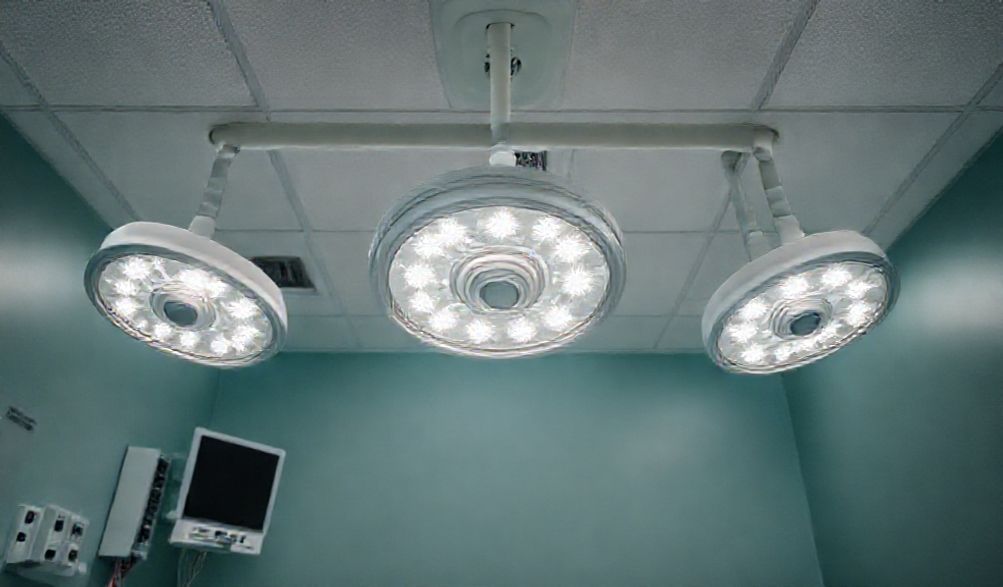
The Ultimate Guide to Exam Room Lighting: Enhancing Patient Comfort & Clinical Accuracy
Walk into any healthcare facility, and your senses are immediately engaged. The scent of antiseptic, the sound of hushed conversations, the feel of a crisp gown. Yet, one of the most powerful environmental factors is often the most overlooked: light. We flip a switch and expect to see, rarely considering that the quality of that illumination is doing far more than just banishing darkness. In the exam room, lighting is not a mere utility—it is a fundamental diagnostic tool, a component of patient therapy, and a critical factor in operational efficiency.
For healthcare administrators, facility managers, and clinical staff, decisions about Lumières de la salle d'examen have traditionally been relegated to basic building codes and energy budgets. But a paradigm shift is underway. Modern healthcare design recognizes that evidence-based lighting directly impacts diagnostic accuracy, patient anxiety, staff well-being, and overall outcomes. This guide serves as your comprehensive resource for moving beyond basic illumination. We will explore the science of light in clinical settings, break down the technical specifications that matter, and provide a practical roadmap for creating exam environments where light actively enhances care, rather than simply allowing it to happen.
Why Exam Room Lighting is a Critical Component of Care
The right light does more than help a clinician see; it helps them perceive. It can calm a nervous patient or inadvertently elevate their stress. It can energize a care team or contribute to their fatigue. Understanding these multifaceted impacts is the first step toward intentional design.
Beyond Illumination: Lighting’s Impact on Clinical Outcomes
At its core, the primary clinical function of exam room lights is to enable accurate visual assessment. Suboptimal lighting is a silent contributor to diagnostic uncertainty and error.
- Diagnostic Precision: Consider the subtle yellow hue of early jaundice, the faint blush of a rash, the varying colors and textures of a healing wound, or the intricate vasculature of the eye. Poor color rendering or uneven shadows can obscure these details. A study in JAMA Dermatology has highlighted how lighting conditions can significantly affect the diagnosis of skin conditions. Inaccurate light can mean the difference between spotting a concerning mole or missing it.
- Combating Visual Fatigue: Clinicians spend hours in exam rooms, their eyes constantly shifting between patient, computer screen, and instruments. Glare, flicker (even imperceptible), and insufficient contrast force the eye muscles to work harder, leading to strain, headaches, and burnout. This visual fatigue doesn’t just cause discomfort; it can slow down decision-making and reduce diagnostic accuracy over the course of a long shift. Quality exam room lighting is an ergonomic intervention for the eyes.
The Patient Experience: Reducing Anxiety and Building Trust
The exam room can be a place of vulnerability. Patients arrive feeling anxious, exposed, and often unwell. The environment plays a crucial role in shaping their emotional experience.
- Psychological Impact: Harsh, cold fluorescent lights that buzz and flicker are subconsciously associated with sterile, impersonal institutions. They can elevate heart rate and anxiety. Conversely, a thoughtfully lit space feels calmer and more controlled. The patient’s perception of the light quality subtly influences their perception of care quality.
- Building Rapport: During the consultation phase, lighting that is too clinical or bright can create a barrier, making a patient feel “under the spotlight” in a negative way. The ability to adjust lighting for different phases of the visit—softer for conversation, brighter for examination—shows a nuanced, patient-centered approach that builds trust and improves satisfaction scores.
Staff Well-being and Operational Efficiency
The well-being of healthcare providers is inextricably linked to patient safety and organizational performance. Lighting is a key player in staff-centric design.
- Ergonomics and Comfort: As mentioned, reducing eye strain is a direct benefit. Properly diffused, glare-free lighting on screens and work surfaces prevents squinting and awkward postures, contributing to long-term physical well-being for nurses, physicians, and technicians.
- Streamlining Workflow: Fumbling for a light switch or struggling with an inadequate exam lamp disrupts workflow and lengthens room turnover time. Intuitive, well-placed lighting controls—or better yet, automated “scene” settings—allow staff to focus on the patient, not the fixture. Efficient exam room lights support efficient care delivery.
Key Lighting Principles for the Modern Exam Room
Creating optimal lighting isn’t about finding a single, perfect bulb. It’s about applying core principles to create a flexible, high-performance visual environment.
Layered Lighting: The Foundation of Flexibility
The most effective exam rooms use a combination of light sources, each with a distinct purpose. This layered approach allows one space to adapt to multiple needs seamlessly.
- Ambient (General) Lighting: This is the base layer that provides overall, shadow-reduced illumination for safe movement and general tasks. In exam rooms, it should be even and diffuse, often achieved with recessed or indirect ceiling fixtures.
- Task Lighting: This is the critical, high-precision layer for examinations and procedures. It’s typically an adjustable exam light (overhead or on a stand) that delivers bright, focused, shadow-minimized light to a specific area like the exam table. This is where high Color Rendering Index (CRI) is non-negotiable.
- Accent Lighting: This layer adds dimension and can support well-being. It might be subtle wall washing, a small fixture that makes a handwashing station more visible, or even integrated indirect lighting in cabinetry. During consultation, accent lighting can be used to create a warmer ambiance.
Color Temperature and CRI: Seeing Colors True to Life
Two technical specs are paramount for clinical accuracy: Color Temperature and Color Rendering Index (CRI).
- Color Temperature (measured in Kelvins, K): This describes the visual “warmth” or “coolness” of white light.
- 2700K-3000K: “Warm white,” similar to incandescent bulbs. Feels cozy but can distort clinical colors (making skin tones overly yellow/red).
- 3500K-4000K: “Neutral white.” This is the recommended range for most general exam rooms. It offers a clean, alert atmosphere without feeling overly sterile, and provides good color neutrality.
- 5000K-6500K: “Cool white” or “daylight.” Very bright and clinical, excellent for high-acuity tasks but can feel harsh and increase anxiety for patients. Often reserved for specialized procedure rooms.
- Indice de Rendu des Couleurs (IRC) : This is the most important metric for diagnosis. CRI measures a light source’s ability to reveal the true colors of an object compared to natural light. Scale is 0-100.
- For any clinical task lighting, a CRI of 90 or higher is essential. A CRI >95 is ideal for specialties like dermatology or wound care. Standard fluorescent or poor-quality LEDs may have a CRI in the 70s, which can make subtle differences in skin tone, bruising, or tissue viability impossible to discern accurately.
Glare Control and Uniformity
Glare is the enemy of both comfort and accuracy. It causes visual discomfort and can hide details in its “washout” effect.
- Sources of Glare: Direct view of bright LED chips, reflections off glossy computer screens, surgical instruments, or polished floors.
- Solutions : Use fixtures with deep baffles or lenses that shield the light source. Opt for indirect lighting techniques that bounce light off the ceiling or walls for a soft, uniform glow. Ensure task lights have precise optical control to focus light on the patient, not into the clinician’s eyes. The goal is uniform illumination on the patient with minimal shadows and no disruptive bright spots in the field of view.
Choosing the Right Technology: LED vs. Traditional Options
The lighting technology revolution has been led by Light Emitting Diodes (LEDs), which now represent the unequivocal best choice for modern exam rooms.
The LED Advantage: Efficiency, Longevity, and Control
- Energy Efficiency & Cost Savings: LEDs use a fraction of the energy of halogen or fluorescent tubes, directly reducing operational costs and environmental impact.
- Longevity & Reduced Maintenance: With lifespans of 50,000 hours or more, LEDs drastically reduce the labor and cost of bulb replacements—a significant factor in a busy clinic.
- Performance & Control: LEDs offer instant, flicker-free illumination. Crucially, advanced tunable white LEDs allow the color temperature (e.g., from 2700K to 5000K) to be adjusted digitally. This means one lighting system can provide a warm light for consultation and, with the tap of a button, shift to a cool, bright light for examination.
Important Technical Specifications to Evaluate
When selecting exam room lights, look beyond “LED” on the box:
* Lumens: Measure of total light output. Ensure task areas have sufficient lumens (brightness) for detailed work.
* Dimmability: Not all LEDs dim smoothly. Use dimmers and bulbs specifically designed to work together to avoid flicker or buzz.
* Performance sans papillotement : Ensure the LED driver is high-quality to prevent subtle flicker linked to eye strain and headaches.
* Certifications : Look for safety certifications like UL (or ETL) listed for the region. For lights that might be integrated into medical devices or used in sensitive procedures, awareness of standards like IEC 60601 may be necessary.
Smart Lighting and Integrated Controls
The future is adaptive. Smart lighting systems allow for pre-programmed “scenes”:
* “Consultation”: Ambient and accent layers at 3500K, 50% brightness.
* “Examination”: Task light on full, ambient adjusted, color temperature to 4000K.
* “Procedure”: All lights at 100%, 5000K for maximum acuity.
* “Cleaning”: Uniform 100% brightness.
These scenes can be activated via wall touchpads, tablets, or even integrated with room scheduling software to automatically set the light when a patient is checked in.
Design and Implementation: A Step-by-Step Approach
Conducting a Lighting Audit of Existing Spaces
Before planning, assess what you have.
1. Physical Measurement: Use a light meter to measure illuminance (in lux or foot-candles) at key points: exam table, desk, sink.
2. Quality Assessment: Check for flicker (use your phone’s slow-mo video), glare on screens, and uneven shadows. Evaluate the CRI and color temperature of existing bulbs.
3. Human Feedback: Survey staff and patients. Are clinicians complaining of eye strain? Do patients find the room uncomfortably bright?
Planning for Different Exam Room Types and Procedures
One size does not fit all.
* Primary Care/General Exam: Focus on flexibility with a strong neutral ambient layer (3500-4000K, CRI>90) and a high-quality, adjustable exam light.
* Dermatologie : Prioritize exceptional color accuracy (CRI>95, R9 value for reds). Consider specialized exam lights with magnification and cross-polarization to eliminate skin glare.
* Telehealth-Enabled Rooms: Lighting must flatter the clinician on camera. Even, frontal lighting is key to prevent shadows. Dimmable, high-CRI LEDs ensure a natural, professional appearance.
Installation Best Practices and Compliance
- Professional Installation: Always use licensed electricians familiar with healthcare facility codes and the need for minimal disruption.
- Conformité aux normes : Adhere to local building codes, life safety codes, and any facility-specific infection control protocols for cleanable fixtures.
- Focus on Usability: Place controls intuitively—often near the door and the clinician’s primary work zone. Ensure staff are trained on any new control systems.
Maintaining Optimal Lighting Performance
Lighting is not a “set-and-forget” system.
- Routine Cleaning and Inspection: Dust and dirt on diffusers and lenses can reduce light output by 20% or more. Include fixture cleaning in regular environmental services schedules. Periodically check for any color shift (LEDs can yellow over very long periods) or the onset of flicker.
- When to Retrofit or Replace: Signs it’s time for an upgrade include: frequent bulb replacements, rising energy bills, consistent staff complaints about light quality, or the inability to meet the needs of new technology (e.g., high-definition imaging). Calculate the Return on Investment (ROI) of an LED retrofit by factoring in energy savings, maintenance savings, and potential gains in staff productivity and satisfaction.
Section FAQ
Q1: What is the best color temperature for a general-purpose exam room?
A: A neutral white in the 3500K to 4000K range is often ideal. It provides a balance of accurate color perception for clinical tasks without feeling too sterile (like 5000K+) or too warm (like 2700K) for patients.
Q2 : L'éclairage peut-il réellement affecter la capacité d'un médecin à diagnostiquer ?
R : Absolument. Un éclairage inadéquat ou de mauvaise qualité peut entraîner une fatigue visuelle, une sollicitation excessive des yeux et des difficultés à distinguer les variations subtiles de teint, de couleur des tissus ou d'apparence des plaies, pouvant ainsi affecter la confiance et la précision diagnostiques.
Q3 : Existe-t-il des exigences d'éclairage spécifiques pour les installations de télésanté dans les salles d'examen ?
R : Oui. Pour la télésanté, privilégiez un éclairage frontal uniforme sur le clinicien pour éviter les ombres sur le visage. Évitez les contre-jours provenant des fenêtres. Les LED dimmables à rendu de couleur fidèle sont excellentes pour garantir que le clinicien apparaisse naturel et net à la caméra.
Q4 : Comment pouvons-nous améliorer l'éclairage sans réaliser de rénovation majeure ?
R : Commencez par des étapes simples : remplacez les anciennes ampoules par des LED à haut IRC (Indice de Rendu des Couleurs) et sans scintillement. Ajoutez une lampe de tâche dédiée et réglable pour la zone d'examen. Assurez-vous que les luminaires existants sont propres. Installez des variateurs manuels si le câblage le permet.
Q5 : La lumière naturelle est-elle une bonne idée dans une salle d'examen ?
R : La lumière naturelle est bénéfique pour le bien-être mais doit être contrôlée. Utilisez des stores occultants ou des stores diffusants pour éliminer complètement les reflets et les interférences de la lumière du soleil pendant les examens, tout en la laissant entrer en dehors de ces périodes.
Conclusion
L'optimisation exam room lights de l'éclairage est une stratégie puissante et fondée sur des preuves qui touche tous les aspects de la prestation des soins de santé. C'est un investissement qui porte ses fruits en améliorant la précision diagnostique, en augmentant la satisfaction et la confiance des patients, et en protégeant le bien-être et l'efficacité du personnel. La solution optimale va au-delà de la simple luminosité pour embrasser une philosophie holistique : combiner les spécifications techniques non négociables d'un haut IRC et d'une température de couleur maîtrisée avec les principes de conception centrés sur l'humain, comme la flexibilité en couches et un confort sans éblouissement.
Commencez par auditer votre environnement actuel et écoutez les personnes qui l'utilisent. Considérez votre éclairage non pas comme un élément statique, mais comme un outil dynamique et adaptable, intégral au processus de soin. Alors que les soins de santé continuent d'évoluer vers des modèles plus personnalisés et centrés sur le patient, la salle d'examen intelligente et réactive sera une pierre angulaire — et son éclairage sera l'élément qui apportera véritablement clarté, confort et qualité au premier plan.
p>