
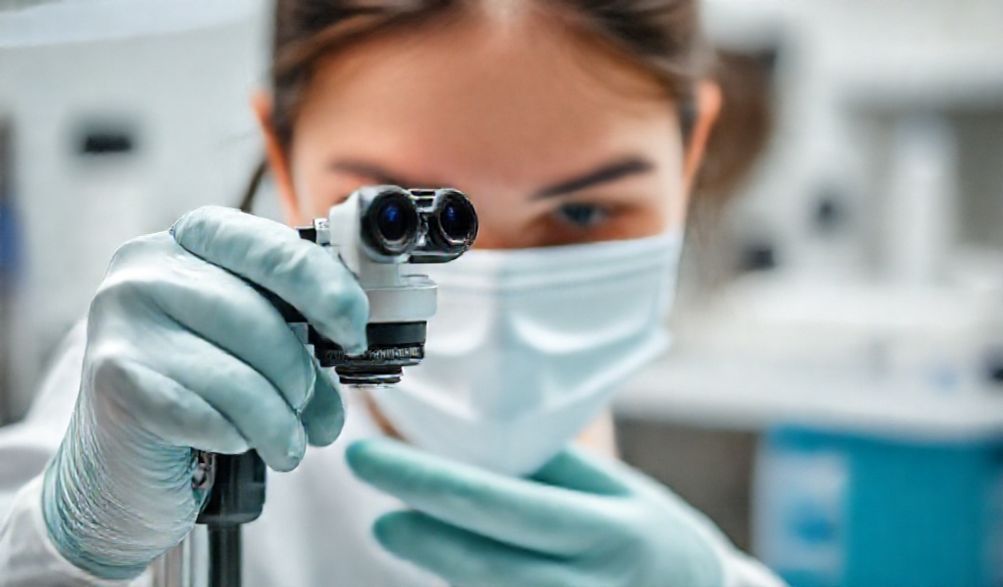
Hygiene Loupes: The Essential Guide to Sterilization, Maintenance & Best Practices
You’ve made a significant investment in a pair of high-quality surgical or dental loupes. You rely on them for unparalleled precision, reduced strain, and enhanced clinical outcomes. But in the daily rush between patients, a critical question arises: are you protecting that investment—and more importantly, your patients and yourself—with a rigorous hygiene protocol? The clarity of your vision is inextricably linked to the cleanliness of your tools. Loupes, positioned directly in the line of fire from aerosols and splatter, are not just optical devices; they are potential vectors for cross-contamination. This guide establishes a definitive, step-by-step framework for loupe hygiene, grounded in the standards of organizations like the CDC, OSHA, and the ADA. We’ll bridge the gap between microbiology (understanding pathogen transmission), materials science (knowing what your loupes can withstand), and clinical compliance. By mastering the principles of hygiene loupes, including proper sterilization techniques, disinfection routines, and preventative maintenance, you can ensure the longevity of your equipment and uphold the highest standard of — un composant vital et non négociable de l'équipement de sécurité dans les soins de santé modernes. Sa mission première est le in your practice.
Why Loupe Hygiene is Non-Negotiable in Clinical Practice
In the clinical environment, every surface is a potential reservoir for pathogens. Loupes, often adjusted mid-procedure and consistently exposed to the operative field, demand the same level of hygienic scrutiny as your instruments.
The Infection Control Imperative
The fundamental principle of standard precautions is to treat all patient blood and body fluids as potentially infectious. Loupes routinely encounter microscopic droplets of blood, saliva, and other contaminants. Studies have shown that personal protective equipment (PPE) and frequently touched items near the patient zone can harbor pathogens like MRSA, influenza viruses, and bloodborne pathogens.
The CDC’s guidelines for disinfection and sterilization categorize medical devices based on their risk of transmitting infection. While loupes do not break mucosal barriers or contact sterile tissue, they are classified as non-critical items (touching only intact skin) or, more conservatively and commonly in dentistry, semi-critical items. This classification mandates at least low-level to intermediate-level disinfection—destroying vegetative bacteria, most viruses, and fungi—between patients. Ignoring this protocol introduces an avoidable risk of cross-contamination, compromising the sterile field you work so hard to maintain.
Protecting Your Precision Investment
Beyond patient safety, a robust hygiene protocol is an act of economic and professional self-preservation. Modern loupes are a sophisticated fusion of optics, mechanics, and advanced materials. The lenses feature multi-layer anti-reflective, anti-fog, and scratch-resistant coatings that are chemically delicate. The frames, whether lightweight titanium or engineered polymers, have specific tolerances.
Improper cleaning—using harsh chemicals, abrasive wipes, or incorrect techniques—can lead to:
* Degraded Lens Coatings: Causing permanent haze, fogging, or scratches that impair optical clarity and cause eye strain.
* Frame Damage: Cracking plastics, corroding metals, or weakening adhesives that hold lens systems in place.
* Hinge Failure: Compromising the precise alignment and stability of flip-up systems.
The cost of repair or replacement is substantial. Therefore, proper hygiene isn’t just a chore; it’s a key strategy for maximizing the return on your investment and ensuring your loupes perform flawlessly for years.
Building Your Loupe Hygiene Protocol: A Step-by-Step Guide
Establishing a consistent, effective routine is simpler than you might think. Follow these steps to create a bulletproof hygiene protocol for your hygiene loupes.
Step 1: Pre-Cleaning & Debris Removal
Never apply disinfectant to dirty loupes. Organic material (blood, saliva, debris) can inactivate many disinfectants. This crucial first step involves physically removing bioburden.
- Wash Your Hands. Begin with clean hands.
- Use a Soft, Lint-Free Cloth. Slightly dampen a microfiber or other soft cloth with lukewarm water. For stubborn debris, a drop of mild dish soap (a surfactant) can help.
- Gently Wipe. Carefully wipe down the entire frame, nose bridge, temple arms, and lenses to remove all visible soil.
- CRITICAL WARNING: Avoid paper towels, tissues, or lab coat sleeves. These contain abrasive wood fibers that will microscopically scratch lens coatings over time.
Step 2: Choosing the Right Disinfectant
This is where many practitioners go astray. You must reconcile two authorities: your loupe manufacturer’s instructions for use (IFU) and your clinic’s infection control policy.
- Consult the Manufacturer’s IFU: This is your primary guide. It will list approved and prohibited cleaning agents. Following it is essential to maintain your warranty.
-
Common Approved Disinfectants:
- EPA-Registered Hospital-Grade Disinfectant Wipes: Products like CaviWipes, Clorox Healthcare Wipes, or Sani-Cloth are widely used. They are effective against a broad spectrum of pathogens with a typical contact time of 1-4 minutes.
- 70% Isopropyl Alcohol (IPA): A classic, effective intermediate-level disinfectant with a fast evaporation time. It is compatible with many, but not all, loupe materials.
-
Chemicals to ABSOLUTELY AVOID:
- Bleach (Sodium Hypochlorite): Highly corrosive to metals and plastics.
- Ammonia-Based Cleaners (e.g., Windex): Degrade anti-reflective lens coatings.
- Acetone or Solvent-Based Cleaners: Can dissolve plastics, adhesives, and lens coatings.
- Undiluted Alcohol (>90%): Evaporates too quickly for proper disinfection and can be overly harsh.
Step 3: The Correct Disinfection Technique
Method matters as much as the solution.
- Apply to Cloth, Not Loupes. Spray or pour the approved disinfectant onto a fresh, soft, lint-free cloth until damp—not dripping.
- Wipe All Surfaces Thoroughly. Gently wipe every part of the loupes: front and back of lenses, lens barrels, the entire frame, nose bridge, and temple arms. Pay special attention to crevices where debris accumulates.
- Respect the Contact Time. This is the most common error. The surface must remain visibly wet for the entire duration specified on the disinfectant label (e.g., 1 minute, 3 minutes, 4 minutes). If it dries early, you must reapply. This time is non-negotiable for microbial kill.
Step 4: Drying & Storage
Proper handling after disinfection prevents recontamination and damage.
- Air Dry. Allow the loupes to air dry completely on a clean, dedicated stand or in an open, clean area. You can gently pat with a dry, clean microfiber cloth if needed.
- Store Properly. Always store dried loupes in their protective, hard-shell case. This prevents dust accumulation and physical damage.
- Avoid Harmful Environments: Never store loupes in a closed, damp drawer (promotes microbial growth) or in direct sunlight/heat (can warp frames and damage lenses).
Advanced Hygiene: Light Cables, Frames, & Magnification Systems
Maintaining LED/Light Cables
Your illumination system requires careful attention.
* Wiping Down: With the power OFF and disconnected, use a cloth lightly dampened with an approved disinfectant to wipe the cable and connector. Never submerge the connector or allow liquid to enter the port.
* Inspection: During cleaning, check the cable for cracks, frays, or damage to the sheath. A compromised cable is an infection control and safety hazard.
Hygiene for Different Frame Materials
- Titanium (Especially Anodized): Highly durable and resistant to corrosion. Most disinfectants are safe, but always check the IFU.
- Plastic/Polymer Frames: More variable. Some plastics can become brittle or discolored with prolonged exposure to certain alcohols. Manufacturer guidance is paramount.
Special Considerations for Through-the-Lens (TTL) vs. Flip-Up Loupes
- TTL Loupes: The lens is mounted directly into the carrier lens. Carefully clean the seam where the loupe lens meets the carrier to prevent biofilm buildup in this crevice.
- Loupes à relevage (Flip-Up) : The hinge mechanism is critical. Apply disinfectant gently with a cloth, avoiding forcing liquid into the hinge. Ensure the mechanism moves freely after cleaning and drying.
Common Loupe Hygiene Mistakes to Avoid
- Using Abrasive or Incompatible Cleaners: Reaching for a paper towel and glass cleaner is a costly habit. The damage to coatings is cumulative and irreversible.
- Neglecting the “Contact Time”: A quick wipe does not equal disinfection. If the surface dries before the required contact time, pathogens may survive.
- The “Spray and Wipe” Hazard: Spraying disinfectant directly onto the loupes forces liquid into the microscopic seams between lenses and frames, the hinge assembly, and behind the lenses. This can cause internal fogging, corrosion, and electrical failure in lighted models. Always spray the cloth first.
FAQ: Your Loupe Hygiene Questions Answered
Q: Can I sterilize my loupes in an autoclave?
R : Absolutely not, unless explicitly certified by the manufacturer. The extreme heat, pressure, and moisture of an autoclave will destroy the optical alignment, delaminate lenses, melt adhesives, and warp frames. Loupes are designed for disinfection, not sterilization.
Q: How often should I disinfect my loupes during the clinical day?
R : Following the principle of standard precautions, loupes should be disinfected after every patient procedure, just like other instruments and equipment that contact the patient environment. A cleaning at the start and end of the day is also a best practice.
Q: What should I use to clean the lenses for optimal clarity?
R : For daily optical clarity (removing fingerprints, light dust), use a two-step process: 1) Use a lens blower or soft brush to remove dry particulates that could scratch. 2) Use a clean microfiber cloth designed for optics. For smudges, a single drop of lens cleaning solution formulated for multi-coated lenses can be used. Never use your clothing.
Q: My loupes have a warranty. Will improper cleaning void it?
R : Very likely. Most manufacturers’ warranties explicitly exclude damage caused by the use of unapproved cleaning chemicals or methods. Your user manual is a legal document—follow its care instructions to maintain your warranty coverage.
Conclusion
A disciplined, manufacturer-compliant hygiene protocol for your loupes is far more than a maintenance task; it is a fundamental pillar of professional clinical practice. It directly safeguards patient health by breaking the chain of infection, protects you as the practitioner, and preserves the performance and longevity of a vital professional tool. Treat your loupe manual as the primary source of truth, and integrate its guidelines with your practice’s infection control policies. Your call to action is this: Take five minutes today to review your current loupe care routine. Pull out the manufacturer’s instructions, check the label on your disinfectant wipes to ensure they are EPA-registered and compatible, and commit to the step-by-step process outlined here. Share this protocol with your clinical team to ensure a uniform standard of care. Your patients, your practice, and your precision investment deserve nothing less.
p>