
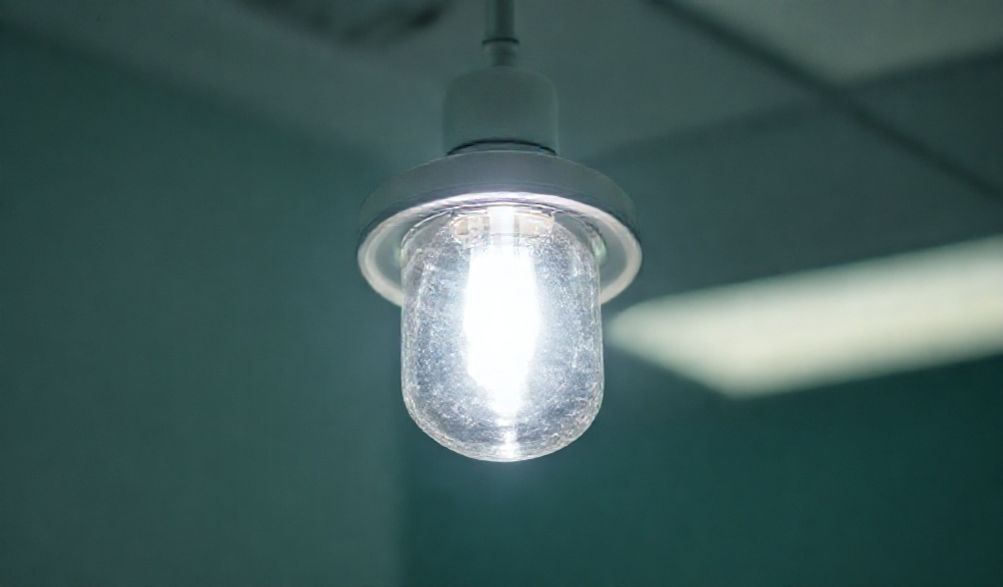
The Ultimate Guide to Medical Lamps: Enhancing Patient Care & Clinical Precision
In the high-stakes world of healthcare, where a millimeter can be the difference between success and complication, clarity is non-negotiable. While often overshadowed by more complex technologies, the medical lamp stands as a foundational pillar of modern medicine. Far more than a simple light source, it is a precision instrument, a diagnostic ally, and a critical component of patient and provider safety. This guide is crafted by professionals with deep expertise in medical equipment procurement and clinical environments. We draw upon years of hands-on experience, manufacturer specifications, and clinical ergonomic studies to provide a trustworthy, comprehensive resource. Whether you’re a healthcare administrator outfitting a new surgical suite, a practicing surgeon demanding optimal visualization, or a home caregiver ensuring proper wound inspection, understanding the nuances of medical lighting is essential. We’ll illuminate the key features, applications, and selection criteria to help you make an informed, evidence-based decision that enhances outcomes and operational efficiency.
What is a Medical Lamp? Core Functions and Importance
A medical lamp is engineered to meet the rigorous demands of clinical environments, where standard commercial lighting fails. Its purpose transcends basic visibility, aiming to replicate natural daylight conditions with extreme accuracy to support critical visual tasks.
Beyond Illumination: The Role of Light in Clinical Settings
The gap between a standard office lamp and a medical-grade light is vast. Commercial lighting prioritizes energy efficiency and ambient comfort. Medical lighting, however, is task-oriented, designed for:
- Visualization Accuracy: Providing intense, focused light to reveal minute details—from a tiny nerve fiber during microsurgery to subtle capillary refill in a wound bed.
- True Color Rendition: Accurately representing the colors of tissues, blood, organs, and skin. Misinterpretation due to poor lighting can have serious diagnostic consequences.
- Shadow Reduction & Control: Eliminating or managing shadows cast by the clinician’s head and hands, which can obscure the field of view, particularly in deep cavities.
This trifecta of objectives ensures that what the clinician sees is a faithful, detailed representation of reality, forming the basis for accurate diagnosis and intervention.
Key Stakeholders and Users: Who Relies on Medical Lamps?
The application of specialized lighting spans the entire spectrum of care:
* Surgeons and Operating Room Teams: Require overhead surgical lights for deep-cavity illumination during lengthy, complex procedures.
* Dentists and Dental Hygienists: Depend on operatory lights to illuminate the confined, shadow-prone oral cavity for procedures ranging from cleanings to restorative surgery.
* Veterinarians: Need versatile surgical and lampe d'examens adaptable to various animal sizes and table heights.
* Aestheticians and Dermatologists: Rely on lights with exceptional color rendering to accurately assess skin tones, lesions, and vascular structures for treatments like laser therapy or filler injections.
* Home Healthcare Providers and Patients: Utilize clinical-grade examination lights for ongoing wound care, medication administration, or monitoring chronic conditions outside a clinical setting.
Types of Medical Lamps and Their Specific Applications
Medical lamps are highly specialized, with design and performance tailored to specific clinical tasks.
Surgical Overhead Lights
The workhorses of the operating room, these ceiling-mounted systems are engineered for major surgery. Key characteristics include:
* Deep Cavity Illumination: Ability to project bright, uniform light into body cavities without excessive heat.
* Advanced Shadow Management: Often achieved via multiple LED arrays or reflector systems that “fill in” shadows from different angles.
* Compatibilité avec la stérilisation : Designs feature sealed, smooth surfaces that can withstand frequent cleaning with harsh disinfectants.
LED vs. Halogen: The industry has largely shifted to LED. LEDs offer superior longevity (50,000+ vs. 2,000 hours), significantly lower heat output (reducing tissue desiccation and staff discomfort), and more consistent color temperature over their lifespan. While halogen lights may have a marginally lower upfront cost, the total cost of ownership favors LED due to bulb replacement and energy costs.
Examination Lights (Clinical and Diagnostic)
These are the versatile tools for patient assessment. Used in exam rooms, emergency departments, and bedside wards, they prioritize flexibility and clarity.
* Applications: General physical exams, ENT procedures, wound inspection and dressing, and minor outpatient procedures.
* Appliquons maintenant ces caractéristiques à des scénarios réels. La "meilleure" loupe lumineuse est celle parfaitement adaptée à votre tâche principale. Adjustable intensity to suit different tasks, high Color Rendering Index (CRI >90), portability (for floor-standing models), and easy-to-position articulating arms.
Specialized Procedure Lamps
This category includes lights fine-tuned for niche fields.
Dental Operatory Lights
Designed to illuminate the oral cavity without blinding the patient or clinician. They feature a focused beam, often with a cool color temperature (~5500K) to mimic daylight, and anti-glare diffusers. Maneuverability is key, as the light must position precisely despite the constant movement of the dentist and patient.
Dermatology and Aesthetic Lights
Here, color accuracy is paramount. Lights must reveal the true subtleties of erythema (redness), pigmentation, and vascular structures. High-CRI LED arrays with adjustable color temperatures allow practitioners to simulate different lighting conditions to best evaluate skin concerns.
Lampes chirurgicales vétérinaires
These lights must accommodate a wide range of scenarios—from a spay on a cat to orthopedic surgery on a horse. They often have extraordinary reach, height adjustment range, and robust construction to handle busy practice environments. Shadow reduction remains critical, as animal positioning can be less predictable.
Critical Features to Consider When Choosing a Medical Lamp
Selecting a lamp requires evaluating a suite of technical and practical specifications.
Métriques de performance d'éclairage
These numbers define the quality of light.
Luminance and Lux Levels
Luminance (brightness) is measured in lux. Different tasks have different requirements:
* General Examination: 1,000 – 2,000 lux
* Minor Procedures/Suturing: 5,000 – 10,000 lux
* Major Surgery (Deep Cavity): 20,000 – 40,000+ lux
Ensure the lamp can deliver adequate, uniform lux across the entire field of view without dangerous “hot spots.”
L’Indice de Rendu des Couleurs (IRC)
CRI measures a light source’s ability to reveal the true colors of objects compared to natural light. In medicine, a CRI of 90 or higher is essential. A low CRI can make oxygenated blood (bright red) and deoxygenated blood (darker red) look similar, or mask the subtle cyanosis (bluish discoloration) of a compromised limb.
Color Temperature (Kelvin)
Measured in Kelvins (K), this describes the light’s “warmth” or “coolness.”
* Cool White (4000K – 5500K): The clinical standard. It promotes alertness, enhances contrast, and is closest to midday sunlight, reducing eye strain during long procedures.
* Warm White (3000K – 3500K): Sometimes used in patient recovery areas for a more calming atmosphere but is less suitable for critical visual tasks.
Design, Ergonomics, and Safety
Performance is useless if the lamp is difficult or unsafe to use.
Maneuverability and Positioning
The lamp should move effortlessly and stay precisely where you put it. Evaluate:
* Portée et articulation : Does it cover the entire workspace (e.g., surgical table, dental chair)?
* Balance and Stability: Does the arm drift or require constant re-tightening?
* Ease of Adjustment: Can it be repositioned easily while maintaining a sterile field (often via handles that can be operated with the back of the hand or elbow)?
Heat Dissipation and Patient Comfort
Radiant heat from the lamp can dry out exposed tissues (desiccation) and cause patient discomfort. Modern LED systems excel here, directing heat away from the light beam through advanced heat sinks, unlike halogen bulbs which radiate heat downward.
Hygiene and Infection Control
In an era of stringent infection prevention, the lamp’s design must support cleaning.
* Sealed Design: No crevices where contaminants can lodge.
* Cleanroom Compatibility: Materials and construction that won’t shed particles.
* Wipe-Down Surfaces: Smooth, non-porous surfaces that can withstand daily cleaning with hospital-grade disinfectants without degrading.
The Expert’s Guide to Selection, Installation, and Maintenance
A Step-by-Step Selection Framework for Your Practice
- Assess Needs: List your primary procedures. Is it deep-cavity abdominal surgery, dental restoration, or dermatological exams? Define the required lux, CRI, and field size.
- Evaluate Space: Measure ceiling height, room layout, and workflow patterns. Can a ceiling-mounted light service all needed areas, or is a mobile floor stand more versatile?
- Create a Checklist: Build a decision matrix weighting factors like performance (40%), ergonomics (25%), hygiene (20%), and budget (15%).
- Vérifier les certifications : This is non-negotiable. Look for norme IEC 60601-1 (safety standard for medical electrical equipment), Marquage CE (EU compliance), and relevant FDA classifications. These ensure the device is safe for patient use.
Installation Best Practices and Workflow Integration
- Monté au Plafond : Offers the largest range of motion, keeps floors clear, and is ideal for dedicated ORs and procedure rooms. Requires professional installation.
- Sur Pied : Provides ultimate flexibility and portability, perfect for multi-purpose rooms or clinics with changing layouts. Ensure the base is stable and wheels can be locked.
- Monté au Mur : A space-saving solution for exam rooms or above headboards in patient rooms, offering good localized light.
Placement should allow the clinician to position the light without breaking sterility or contorting into awkward postures.
Routine Maintenance and Safety Checks
Proactive maintenance ensures reliability and safety.
* Quotidien : Wipe down all external surfaces with a manufacturer-approved disinfectant.
* Hebdomadaire/Mensuel : Check arm tension and smoothness of movement. Inspect cables and housings for damage.
* Semestriellement/Annuellement : Effectuer un contrôle formel de sécurité et de performance, idéalement par un technicien qualifié. Celui-ci doit vérifier le flux lumineux (niveaux de lux), l'uniformité de la température de couleur, la sécurité électrique et l'intégrité de tous les composants mécaniques.
Section FAQ
Q1 : Quelle est la durée de vie typique d'une lampe médicale à LED comparée à une lampe halogène ?
R : Selon les données des fabricants et l'usage réel, les lampes médicales à LED de haute qualité offrent généralement 50 000 à 60 000 heures d'utilisation, surpassant largement les ampoules halogènes dont la durée de vie peut n'être que de 1 000 à 2 000 heures. Cela se traduit par des économies importantes à long terme sur les remplacements et une réduction des temps d'arrêt opérationnels.
Q2 : En quoi un Indice de Rendu des Couleurs (IRC) élevé profite-t-il au chirurgien ?
R : Un IRC élevé (90+), point souligné par les normes d'éclairage chirurgical, permet au chirurgien de distinguer les nuances subtiles de rouge, de bleu et de jaune dans les tissus et le sang. Cette précision est cruciale pour identifier les structures anatomiques, évaluer la viabilité tissulaire (par ex., tissu ischémique vs sain) et contrôler les saignements, impactant directement la précision chirurgicale et la sécurité du patient.
Q3 : Puis-je utiliser une lampe LED standard très lumineuse pour des actes médicaux mineurs à domicile ?
R : Bien qu'une lampe puissante puisse aider, elle ne remplace pas un dispositif de qualité médicale. Les lampes médicales conçues pour les soins de plaies ou les traitements à domicile privilégient une précision colorimétrique spécifique (IRC élevé), une focalisation réglable pour minimiser les ombres, et souvent des températures de couleur plus froides pour un meilleur contraste. Pour tout soin sérieux, il est toujours conseillé de consulter un professionnel de santé sur l'équipement approprié.
Q4 : Quelles sont les certifications de sécurité les plus importantes à rechercher ?
R : Les lampes médicales réputées doivent porter les certifications régionales pertinentes. Les marquages clés incluent le marquage CE (Europe), l'enregistrement FDA (États-Unis, pour certaines classes), et la conformité à la norme norme IEC 60601-1, la norme internationale pour la sécurité des équipements électromédicaux. Ceux-ci démontrent que le produit a été rigoureusement testé pour la sécurité électrique, mécanique et thermique dans un environnement clinique.
Q5 : À quelle fréquence une lampe médicale doit-elle être entretenue ?
R : Suivez toujours le programme de maintenance spécifique du fabricant. Généralement, un nettoyage quotidien avec des désinfectants approuvés est requis. Une inspection plus approfondie des articulations mécaniques, de l'équilibre et du flux lumineux doit être réalisée trimestriellement ou semestriellement par du personnel qualifié afin de garantir des performances constantes et fiables, conformes aux spécifications d'origine.
Conclusion
Choisir la bonne lampe médicale est une décision critique qui impacte profondément l'efficacité clinique, l'ergonomie du personnel et, in fine, la prise en charge du patient. Cela nécessite un équilibre minutieux entre les spécifications techniques — comme la luminance, l'IRC et la température de couleur — et les réalités pratiques de l'hygiène, de la maniabilité et de la durabilité à long terme. En allant au-delà de la simple luminosité et en privilégiant des caractéristiques fondées sur des preuves et des certifications internationales reconnues, les prestataires de soins font un investissement stratégique. Ils choisissent une solution d'éclairage qui renforce la confiance diagnostique, optimise le flux des procédures et devient un partenaire fiable et silencieux dans la prestation de soins d'exception. Ce guide, fondé sur l'expertise et l'expérience pratique, vise à vous donner les moyens de naviguer ce choix essentiel. Pour la mise en œuvre finale, consultez toujours des ingénieurs biomédicaux ou des fournisseurs d'équipements médicaux de confiance afin d'adapter la solution à votre environnement et à vos besoins spécifiques.
p>