
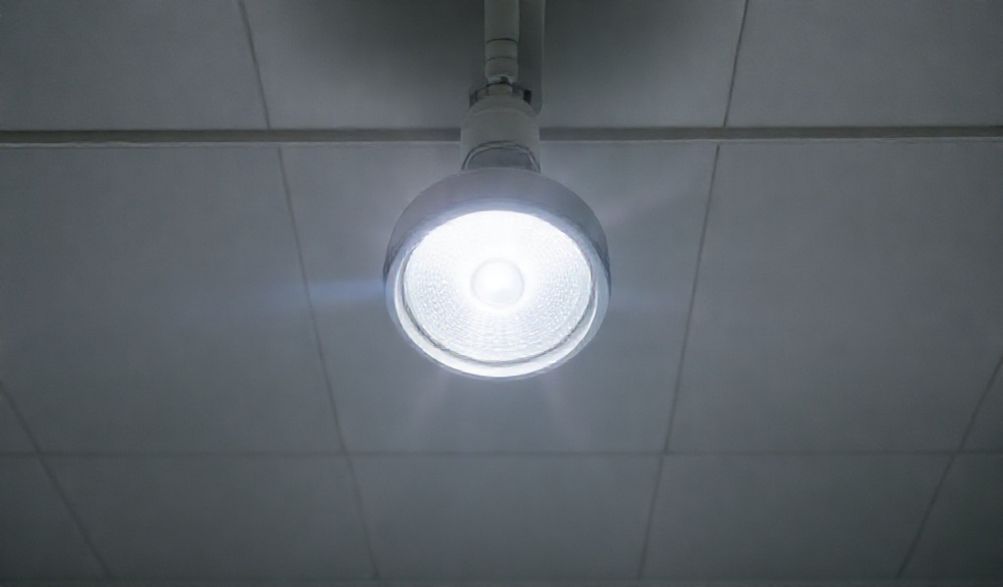
Operating Lights: Illuminating Precision in Modern Surgical Suites
In the high-stakes environment of the modern operating room (OR), every detail matters. While advanced imaging and robotic systems often capture the spotlight, one foundational element remains irreplaceable: the operating light. More than just a lamp, it is the primary tool that enables a surgeon’s vision, directly influencing precision, procedural speed, and ultimately, patient safety and outcomes. A poorly illuminated surgical field can lead to eye strain, misinterpretation of tissue color and texture, and increased risk of error. The journey from the simple, shadow-casting lamps of the early 20th century to today’s intelligent, adaptive systems mirrors the evolution of surgery itself—toward greater accuracy, integration, and control. This guide serves as a comprehensive resource for surgeons, OR nurses, hospital procurement teams, and biomedical engineers, synthesizing insights from leading medical device manufacturers, clinical studies, and surgical guidelines to illuminate the critical considerations in selecting, operating, and maintaining these vital systems.
The Core Technology Behind Modern Operating Lights
Modern operating lights are feats of engineering where optics, mechanics, and electronics converge to create a safe, sterile, and highly effective illumination source. Understanding these core principles is key to appreciating their performance and making informed decisions.
Optical Systems and Light Quality
The primary goal is to replicate natural daylight within a deep, confined cavity. This is achieved through precise control of several optical parameters:
- Color Temperature (4000K – 5000K): Measured in Kelvins (K), this describes the “warmth” or “coolness” of light. The surgical sweet spot is neutral white (around 4500K), which provides excellent contrast without causing blue-light fatigue or distorting tissue colors.
- Color Rendering Index (CRI >90): Perhaps the most critical metric, CRI measures a light’s ability to reveal the true colors of objects compared to natural light. A CRI above 90 (out of 100) is essential for accurately distinguishing between arterial and venous blood, bile, and subtle tissue variations, such as identifying ischemic borders or cancerous lesions.
- Depth of Field & Homogeneity: Advanced optical systems use complex reflector and lens designs to project a wide, deep, and exceptionally even field of light. This eliminates “hot spots” and ensures consistent illumination from the surface down to the deepest point of the cavity, crucial for procedures like cardiac or pelvic surgery.
- Réduction des ombres : Traditional single-point lights create obstructive shadows from the surgeon’s head and hands. Modern systems employ a multi-point source design, typically using multiple LED clusters arranged in a ring. This configuration allows light to fill in shadows from multiple angles. Some systems feature computer-controlled “shadow dilution,” where if one light path is blocked, adjacent modules automatically increase intensity to compensate.
Mechanical Design and Ergonomics
The light must be precisely positioned and remain steadfastly in place, all while adhering to stringent safety and sterility protocols.
- Suspension Systems: Ceiling-mounted lights on multi-articulated arms offer the greatest range of motion, are free from floor obstructions, and are the standard in fixed ORs. Mobile floor stands provide flexibility for minor procedure rooms or when ceiling mounting is impractical.
- Range of Motion & Balance: The arm system must offer effortless maneuverability with perfect balance (iso-elasticity), allowing the surgical team to reposition the light with a gentle touch and have it stay exactly where placed, without drift.
- Stérilisation et Nettoyabilité : All surfaces, especially the handle(s), must be designed for rapid and effective disinfection. Seamless, smooth housings and handles that can withstand repeated wiping with hospital-grade disinfectants are mandatory. The optical assembly itself is typically sealed to prevent ingress of fluids or contaminants.
- Safety Standards: Operating lights are classified as medical devices and must comply with international standards like norme IEC 60601-1 (general electrical safety) and l'IEC 60601-2-41 (particular requirements for surgical luminaires). These mandate fail-safe mechanisms, emergency manual override, and protection against electrical microshock.
Advanced Features: Beyond Basic Illumination
The modern operating light is becoming an integrated hub within the digital OR.
- Imaging & Documentation Integration: Many lights now have built-in 4K or even 8K ultra-high-definition cameras, allowing for seamless recording and live broadcasting of procedures for teaching, telemedicine, or medico-legal documentation without obstructing the surgical field.
- Connectivity & IoT: Integrated network ports and software allow lights to connect to OR integration systems. They can be controlled via touch panels, interface with surgical booms, and log usage data for maintenance and operational analytics.
- Specialized Illumination: Specific specialties demand tailored solutions. Endoscopy often uses a separate cold light source. Neurosurgery et un spinal surgery lights are designed for deep-cavity illumination with exceptional depth of field. Hybrid ORs, combining surgery with advanced imaging like CT or MRI, require lights that can safely retract fully to the ceiling and are compatible with strong magnetic fields.
Key Selection Criteria for Surgical Lighting Systems
Selecting an operating light is a strategic investment. The decision should be driven by a multidisciplinary team involving surgeons, nurses, biomedical engineering, and procurement.
Clinical Requirements by Surgical Specialty
A “one-size-fits-all” approach fails in the OR. Lighting needs vary dramatically:
* Cardiac, Orthopedic, & Deep Cavity Surgery: Require lights with exceptional depth of penetration and homogeneity to illuminate the depths of a sternotomy or hip socket without creating shadows from retractors.
* Plastic, Reconstructive, & Dermatological Surgery: Priorisez la facilité superior color rendering (CRI >95) and surface-focused, shadow-controlled light to accurately assess skin flaps, graft viability, and subtle contour details.
* Ophthalmology & Microsurgery: Often utilize coaxial illumination, where the light path is aligned with the surgeon’s view through the microscope, eliminating reflections and shadows from microscopic instruments.
* General & Laparoscopic Surgery: Need a versatile system with a wide field and good depth for open procedures, complemented by compatibility with the endoscopic stack for minimally invasive work.
Évaluation du Coût Total de Possession (CTP)
The purchase price is just the beginning. A true financial analysis considers:
* Efficacité énergétique : LED systems consume significantly less power than old halogen or metal-halide lights, leading to substantial savings on electricity.
* Lifespan & Maintenance: LED modules rated for 40,000-60,000 hours can last over a decade, virtually eliminating bulb replacement costs. Assess the cost and frequency of service for mechanical arms and control electronics.
* Upgrade Path: Can the system’s camera be upgraded? Is the software platform supported for future connectivity features? A modular design protects your investment.
Compatibility and OR Integration
The light must function as part of the OR ecosystem.
* Physical Integration: Does the ceiling mount or footprint fit your OR layout? Does the light’s range of motion coordinate with the planned location of surgical booms, equipment tables, and imaging devices?
* System Integration: Can it connect to your OR integration or nurse control panel? Does it output standard video signals for your recording and distribution systems? Ensuring interoperability prevents the creation of costly technological silos.
Best Practices for Operation and Maintenance
Optimal performance and longevity depend on correct use and diligent care.
Pre-Operative Setup and Calibration
A consistent setup routine is part of the surgical timeout.
1. Positionnement : Before draping, maneuver the light to the approximate surgical site. The focal distance (where the light is brightest and most even) is typically specified by the manufacturer (e.g., 1 meter).
2. Focus & Field Size: Adjust the field diaphragm or optical focus to match the size of the planned incision. A wider, more diffuse field is better for large openings; a focused spot is used for minor procedures.
3. Intensity: Set the initial intensity to a comfortable level, usually between 60,000 to 160,000 lux at the focal point. Avoid maximum brightness initially to allow for adjustment during deeper stages of surgery.
Protocoles de Nettoyage et de Désinfection Routiniers
This is critical for infection control. Always follow the manufacturer’s instructions for use (IFU) and hospital policy (often based on AORN guidelines).
* Between Procedures: All touch surfaces—especially handles, control panels, and the exterior housing—must be thoroughly wiped with an EPA-registered hospital disinfectant. Avoid abrasive cleaners or bleach-based solutions that can damage coatings.
* Quotidiennement/Hebdomadairement : Perform a more comprehensive cleaning of the entire arm assembly and suspension system.
* Key Principle: Never allow fluids to pool or drip into the light head’s vents or joints. The optical glass should be cleaned only with approved, non-abrasive lens cleaners.
Scheduled Preventive Maintenance
Proactive maintenance prevents failures during surgery.
* Biomedical Checks: Regular inspection by clinical engineering should include: verifying mechanical balance and brake function, testing all control functions (intensity, focus, camera), checking for electrical safety (grounding, leakage current), and inspecting cables and sleeves for damage.
* Mechanical Service: Periodic lubrication and torque checking of arm joints by qualified service technicians ensure smooth, drift-free operation.
* Optical Inspection: Checking for any degradation in light output, color consistency, or the presence of dark spots.
The Future of Surgical Illumination
The trajectory points toward smarter, more adaptive, and more integrated systems that actively enhance surgical performance.
Smart Lights and Data Integration
Future lights will be embedded with sensors and intelligence. They could automatically adjust intensity and focus based on the distance to the surgical field (measured via time-of-flight sensors), log light usage patterns for predictive maintenance, and even document the duration and illumination parameters of a procedure as part of the automated surgical audit trail.
Augmented Reality (AR) Guidance Systems
The operating light, with its central position and precise field projection, is the ideal platform for AR. Imagine a system that projects pre-operative CT-based tumor margins, vascular pathways, or screw placement trajectories directly onto the patient’s anatomy, perfectly aligned and in the surgeon’s line of sight, creating a “GPS for surgery.”
Enhancing Surgical Ergonomics and Team Well-being
Adaptive lighting systems could monitor the duration of a procedure and automatically subtly shift color temperature to reduce circadian disruption and eye strain for the prolonged focus of the surgical team. Lights could also provide indirect ambient illumination of the wider OR to reduce the stark contrast between the bright field and the dark room, lowering overall visual fatigue.
Foire Aux Questions (FAQ)
Q: What is the most important factor when choosing an operating light?
A: There is no single factor. It requires balancing the specific clinical needs of your most common procedures, the ergonomic demands of your surgeons, and the long-term operational budget of the facility. Light quality (CRI & shadow management) is typically the paramount clinical factor.
Q: How long do modern LED operating lights typically last?
A: High-quality LED modules often have lifespans of 40,000 to 60,000 hours, which can translate to over a decade of typical clinical use. The mechanical system usually requires servicing before the LEDs fail.
Q: Can operating lights be a source of surgical site infection (SSI)?
A: Properly designed and maintained, they should not be. Key risks are mitigated through sealed optical assemblies, smooth cleanable surfaces, and strict adherence to disinfection protocols for handles and touchpoints. A 2018 study in the Journal of Hospital Infection found no direct link between well-maintained overhead lights and SSI rates.
Q: Are there specific standards that operating lights must meet?
A: Oui. Ils sont classés comme dispositifs médicaux et doivent se conformer aux normes internationales telles que l'IEC 60601-2-41 (exigences particulières pour les luminaires chirurgicaux) et aux réglementations régionales (FDA aux États-Unis, marquage CE en Europe), qui couvrent la sécurité électrique, la sécurité mécanique et les performances.
Conclusion
La lumière opératoire moderne a évolué d'un simple outil pour devenir une pierre angulaire de la précision et de la sécurité chirurgicales. Son rôle dans la visualisation précise ne peut être surestimé, impactant directement le succès des interventions et le bien-être de l'équipe chirurgicale. Investir dans le bon système n'est donc pas simplement une dépense en capital, mais un engagement stratégique pour améliorer les résultats cliniques, l'efficacité opérationnelle et les capacités d'avenir. Le processus de sélection doit être collaboratif, impliquant les cliniciens qui comprennent son utilisation quotidienne et les ingénieurs qui garantissent son intégration et sa durabilité. En regardant vers l'avenir, la lumière opératoire est prête à dépasser son rôle passif pour se transformer en un partenaire intelligent et générateur de données au sein de l'écosystème chirurgical, éclairant non seulement le champ anatomique, mais aussi la voie de l'innovation en salle d'opération.
p>