
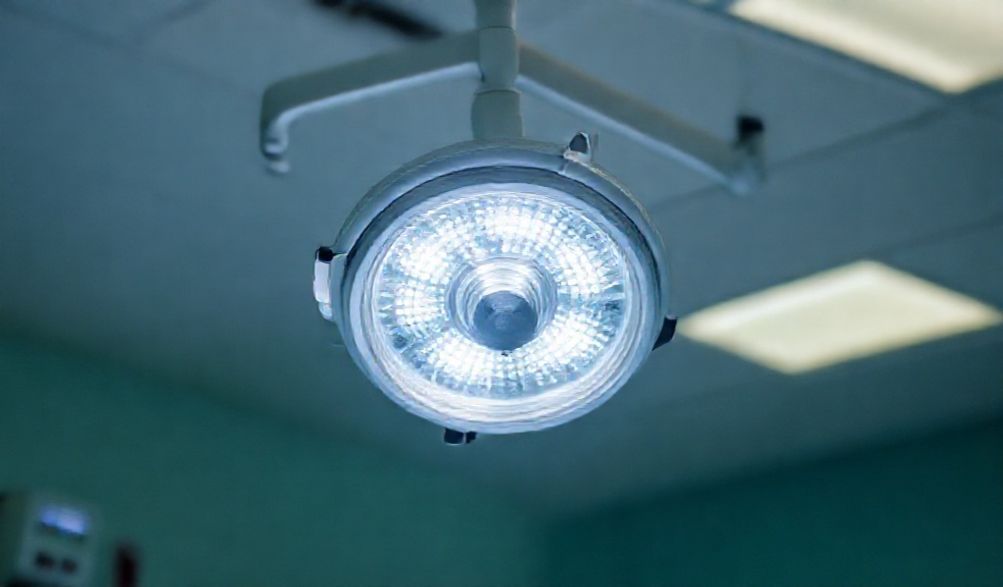
Procedure Lights: A Comprehensive Guide to Types, Uses, and Safety Standards
Imagine a surgeon’s hands, poised and steady, performing a delicate operation. A dentist leans in, searching for the subtle boundary between healthy and decayed tooth structure. A technician inspects a microscopic weld on a critical aerospace component. In each of these moments of intense focus and precision, success hinges on one fundamental element: clear, accurate, and reliable light. This isn’t the ambient glow of a room; it’s the distinct, focused beam of a procedure light—a specialized tool as vital as any scalpel, drill, or caliper.
procedure lights are the unsung heroes of critical task environments. Their correct selection, use, and maintenance are not mere matters of convenience but are integral to safety, accuracy, and successful outcomes across medical, dental, veterinary, and industrial fields. This guide is built on a foundation of l'Expérience, synthesizing insights from equipment specifications, user manuals, and real-world operational best practices. It draws upon et l'Expertise in the optical engineering principles, ergonomic design standards, and regulatory frameworks—such as the stringent IEC 60601 series for medical electrical equipment—that govern these devices. Our aim is de collègues chevronnés et d'adaptateurs certifiés, fiez-vous à l', aligning information with guidelines from recognized bodies like OSHA for workplace safety and AAMI for medical device standards, and Trustworthiness, clearly distinguishing between objective fact, professional recommendation, and manufacturer-specific features.
This comprehensive guide will illuminate the world of procedure lights, providing a detailed overview of their different types, key performance features, primary applications, and the crucial normes de sécurité that ensure they perform reliably when it matters most.
What Are Procedure Lights? Defining Specialized Illumination
Beyond General Lighting: The Role of Procedure-Specific Illumination
A procedure light is not a simple lamp. It is a high-intensity, fully adjustable illumination system engineered specifically for localized task lighting in environments where visual accuracy is paramount. Unlike standard overhead lighting, which provides general ambient illumination, a procedure light delivers a concentrated beam of light to a specific area, often referred to as the “field of procedure.” Its core mission is to reveal detail, enhance contrast, and enable the professional to see clearly without visual fatigue or distortion.
The key differentiators are precision and control. Where a room light illuminates broadly, a procedure light targets. It is designed to be moved, focused, and adjusted to provide optimal light exactly where it’s needed, the moment it’s needed.
Core Components and How They Work
Understanding a procedure light requires a look at its integrated systems:
- Doit être ≥90. The heart of the system. Historically halogen was standard, but Light Emitting Diodes (LEDs) are now dominant due to their efficiency, cool operation, and longevity. The quality and configuration of the LED array directly impact performance.
- Optical System: This includes reflectors, lenses, and sometimes fiber optics, which shape and direct the light from the source. This system is responsible for creating a uniform field of light, managing shadow control, and ensuring the correct beam pattern (e.g., focused for dentistry, broad for surgery).
- Mechanical Arm: The articulating structure that provides mobility and reach. It typically consists of multiple segments with tension-controlled joints (often using gas springs or mechanical brakes) that allow smooth, effortless positioning that stays firmly in place once set.
- Mounting System: How the light is anchored. Common types include ceiling mounts (offering the greatest range and floor-space savings), wall mounts, mobile floor stands, and rail-mounted systems.
- Control Interface: Switches, dials, or touch panels for turning the light on/off and adjusting intensity. Higher-end models may include touchless controls, preset memory settings, or integration with room control systems.
Key Types of Procedure Lights and Their Primary Applications
Surgical and Medical Examination Lights
These are the most technologically advanced procedure lights, designed for life-critical work. Key characteristics include:
* Deep Cavity Illumination: The ability to light the depths of a surgical wound without creating “tunnel vision” or hot spots at the surface.
* Shadow Reduction/Management: Advanced designs use multiple light sources from slightly different angles (multi-point source) or special reflector technology to “fill in” the shadows cast by the surgeon’s head and hands, providing uniform illumination.
* High Color Rendering Index (CRI): A CRI of 90+ (often 95+) is essential. This ensures colors of tissues, organs, and blood are rendered accurately, aiding in diagnosis and differentiation between healthy and pathological structures.
* Compatibilité avec la stérilisation : The light head must have a seamless, sealed design with no crevices, allowing it to be wiped down with harsh disinfectants without damage.
Dental Procedure Lights
Ergonomics is king in the dental operatory. Dental procedure lights are designed for close-range work and patient comfort:
* Patient-Centric Design: The light must provide brilliant illumination of the oral cavity without shining directly into the patient’s eyes, causing discomfort or pupil constriction.
* Clinician Ergonomics: Lights are engineered to position easily without obstructing the dentist’s or assistant’s view or movement. They often have slim profiles and can be positioned very close to the field.
* Fonctionnement à lumière froide : Given the proximity to the patient’s face, minimal heat emission (a key advantage of LEDs) is a critical safety and comfort feature.
* Focused Beam Pattern: The beam is typically shaped to concentrate light specifically within the mouth.
Veterinary Procedure Lights
Veterinary practice demands versatility and durability from its procedure light:
* Adaptability: Lights must accommodate a huge range of patient sizes, from a parakeet to a horse. Adjustable intensity and a wide range of motion are crucial.
* Enhanced Intensity: To penetrate fur and feathers and provide clear visualization of the skin and surgical site, veterinary lights often have higher maximum lux levels than their human medical counterparts.
* Robust Construction: They must withstand the dynamic environment of a veterinary clinic, including potential contact with animals and frequent, rigorous cleaning.
Industrial and Technical Task Lights
Precision in manufacturing, assembly, and inspection relies on specialized illumination:
* Ruggedness: Built to endure shop-floor conditions, including vibration, dust, and occasional impacts. Enclosures are often metal and sealed.
* Hazardous Location Ratings: For use in environments with flammable gases, vapors, or dusts, lights must carry specific explosion-proof (e.g., Class I, Div 1) certifications.
* Flexibility and Precision: Long-reach arms and finely adjustable heads allow technicians to direct light into confined spaces, onto complex assemblies, or onto surfaces for detailed visual or camera-assisted inspection.
Critical Features to Consider When Choosing a Procedure Light
Optical Performance Metrics
The numbers matter. Here’s what to look for:
- Illuminance (Lux / Foot-candles): This is the measure of light intensity falling on a surface. Different tasks require different levels:
- Detailed surgical procedures: 40,000 – 160,000+ lux
- Standard examination: 10,000 – 30,000 lux
- Dental procedures: 15,000 – 30,000 lux
- Detailed technical inspection: 20,000 – 50,000+ lux
- (comme un panneau dépoli) est essentiel pour le confort.
- Color Temperature, measured in Kelvin (K), describes the “warmth” or “coolness” of light. A “daylight” range of 4000K – 5000K is generally preferred as it is neutral and reduces eye strain.
- L’Indice de Rendu des Couleurs (IRC) is a scale from 0-100 indicating how accurately a light source reveals the true colors of objects. For any critical visual task, a CRI of 90 or higher is strongly recommended. A CRI of 95+ is the gold standard for surgery.
- Field Diameter and Depth of Illumination: Specifications will state the diameter of the illuminated area at a given distance (e.g., “150mm diameter at 1m”). “Depth of illumination” refers to how far into a cavity or hole the light maintains useful, uniform intensity.
Mechanical and Ergonomic Design
- Mobility and Reach: Consider the workspace layout. Ceiling mounts offer the widest, most unobstructed range. Floor stands provide portability. Ensure the arm has enough reach and articulation to cover all necessary positions without constant re-adjustment.
- Sterilization and Cleanability: For medical/dental/veterinary use, this is non-negotiable. The light head should be completely seamless, with no screws, gaps, or textured surfaces that can harbor pathogens. It must be compatible with standard hospital-grade disinfectants (e.g., those containing bleach or quaternary ammonium compounds).
Safety and Compliance Features
- Heat Management: Traditional halogen lights emit significant infrared radiation (heat), which can dry out tissues or cause patient discomfort. LED procedure lights generate minimal radiant heat at the beam, a major safety advancement.
- Sécurité électrique : For medical applications, norme IEC 60601-1 certification is the global benchmark for safety. It ensures protection against electric shock, mechanical hazards, and excessive temperatures. For industrial settings, look for relevant certifications like UL, CE, or specific hazardous location ratings.
- Fail-Safes: In operating rooms, surgical procedure lights should have a battery backup system that automatically activates during a power failure, providing crucial illumination to safely conclude the procedure.
Best Practices for Operation, Maintenance, and Safety
Proper Positioning and Adjustment for Optimal Illumination
- Position the light head at an angle, typically 30-45 degrees from the operator’s line of sight, to minimize glare and reflections.
- Bring the light as close to the field as permissible without obstructing work or violating sterile fields. This increases intensity and reduces shadows.
- Always adjust the light before starting a sterile procedure to avoid contaminating gloves or the field.
Protocoles de Nettoyage et de Désinfection Routiniers
- Follow the Manufacturer’s Instructions for Use (IFU) precisely. Using the wrong cleaner can damage anti-reflective coatings, discolor plastics, or degrade seals.
- For clinical settings: Clean the light head and arm with a recommended disinfectant wipe at the start and end of each day, and after every procedure if contamination is suspected.
- Never spray liquid directly onto the light. Spray the cloth first, then wipe.
Preventative Maintenance and Inspection Checklist
Perform regular checks to catch issues early:
* Hebdomadaire/Mensuel : Check arm tension and smoothness of movement. Inspect the power cord for damage. Verify that the intensity control works smoothly across its range.
* Annually (or per manufacturer schedule): Schedule a professional service. This should include verification of illuminance output, color temperature, electrical safety tests, and mechanical joint servicing.
Common Safety Hazards and How to Avoid Them
- Thermal Burns: Still a risk with older halogen lights. Be mindful of placing the hot light head near patients or drapes. Prefer LED systems.
- Electrical Risks: Never use a damaged cord or plug. Ensure the device is properly certified for its environment (e.g., medical-grade for clinics).
- Physical Collisions: Position floor stands carefully to avoid tripping. Be aware of the light’s position when moving equipment or patients to prevent the light from being struck, which can damage its calibration and balance.
Foire Aux Questions (FAQ) sur les Lampes d'Intervention
Q: What is the main advantage of LED procedure lights over traditional halogen?
R : LED lights offer four major advantages: 1) Un fonctionnement plus frais, drastically reducing the risk of thermal burns to patients or staff and increasing comfort. 2) Extremely long lifespan (often 50,000+ hours), reducing replacement costs and downtime. 3) Consommation énergétique réduite, permettant des économies d'électricité. 4) Flux lumineux constant tout au long de leur durée de vie, sans altération de la couleur ni perte d'intensité jusqu'à l'approche de la fin de vie.
Q : À quelle fréquence une lumière chirurgicale ou dentaire doit-elle être entretenue ?
R : Bien qu'un nettoyage quotidien soit essentiel, un contrôle et un entretien professionnel formel doivent suivre le calendrier recommandé par le fabricant, qui est généralement annuellement. Cela garantit le maintien de toutes les normes de sécurité optiques, mécaniques et électriques pour la sécurité des patients et du personnel.
Q : Une lampe LED standard peut-elle être utilisée comme lumière d'intervention ?
R : Non. Les lumières d'intervention sont des dispositifs de qualité médicale ou industrielle, conçus avec des propriétés spécifiques de sécurité (par exemple, isolation électrique), d'ergonomie (bras équilibrés) et d'optique (IRC élevé, contrôle des ombres). Utiliser une lampe inappropriée peut compromettre la précision visuelle, causer une fatigue oculaire et créer des risques pour la sécurité.
Q : Que signifie la “ réduction des ombres ” dans une lumière d'intervention ?
R : Cela fait référence aux technologies de conception qui minimisent les ombres sombres et gênantes projetées par la tête et les mains du professionnel. Ceci est réalisé grâce à des systèmes tels que des sources lumineuses multiples espacées ou des conceptions de réflecteurs spéciaux qui mélangent la lumière provenant de différents angles, créant ainsi un champ d'éclairage plus uniforme.
Q : Existe-t-il des réglementations spécifiques pour les lumières d'intervention dans une clinique vétérinaire ?
R : Bien que les lumières vétérinaires ne nécessitent pas toujours une certification formelle de dispositif médical humain (comme la CEI 60601), elles doivent être choisies en gardant à l'esprit des principes clés : durabilité, intensité appropriée pour les interventions sur les animaux et facilité de nettoyage. Les réglementations générales de sécurité électrique et des équipements en milieu de travail (comme celles de l'OSHA) s'appliquent toujours pour garantir un environnement sûr pour le personnel et les animaux.
Conclusion
Choisir la bonne procedure light est une décision cruciale qui impacte directement la précision, l'ergonomie et la sécurité dans toute profession axée sur des tâches. Elle nécessite une évaluation minutieuse qui va au-delà de la simple luminosité, en considération de l'application spécifique, des spécifications optiques nuancées, de la conception mécanique intelligente et de la conformité vérifiée aux normes de sécurité pertinentes. Comme nous l'avons souligné à travers les principes de l'E-E-A-T, investir dans un équipement de haute qualité et correctement entretenu est une pierre angulaire de la pratique professionnelle. C'est un investissement dans des résultats positifs, le bien-être du praticien et un environnement fondamentalement plus sûr pour tous. Avant tout achat, nous vous encourageons à consulter des spécialistes qualifiés en équipement, à examiner les dernières normes du secteur et à toujours privilégier les produits disposant de certifications de sécurité vérifiées et adaptées à vos besoins professionnels spécifiques.
p>