
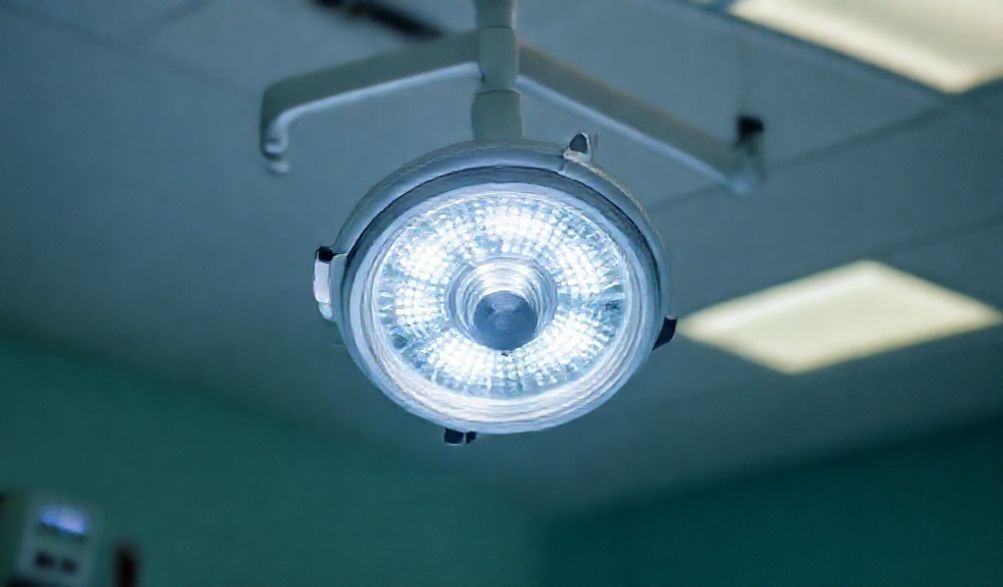
Procedure Lights: A Comprehensive Guide to Types, Uses, and Safety Standards
In the high-stakes environments of an operating room, a dental clinic, or an industrial inspection bay, success hinges on one fundamental element: visibility. For medical professionals, facility managers, and technicians, the search for reliable “procedure light” information is a quest for more than just a bulb and a stand. It’s about finding a precision tool that enhances accuracy, ensures safety, and improves outcomes. This definitive guide is crafted to be your authoritative resource, blending detailed technical breakdowns with practical insights into safety protocols. We will demystify what procedure lights are, explore their indispensable role across various fields, and provide a clear framework for selecting the right system for your specific needs.
What Are Procedure Lights? Defining Their Critical Role
At its core, a procedure light is not merely an illumination source; it is a sophisticated medical or technical device engineered to meet rigorous demands. Understanding their fundamental purpose is the first step in appreciating their complexity and importance.
Core Function and Importance
Procedure lights are specialized, high-intensity lighting systems designed to deliver exceptional clarity to a defined work area, known as the surgical or procedural field. Their primary objective is to create an environment where practitioners can see minute details with absolute precision. This is achieved through a combination of features:
* High, Adjustable Intensity: Providing ample, focused light to penetrate cavities and illuminate deep tissue without causing visual fatigue.
* Minimal Shadow Creation: Advanced optical systems with multiple LED points or reflectors work to “fill in” shadows cast by hands and instruments, a feature often called shadow reduction or dilution.
* Reduced Heat Emission: Critical in medical settings, modern lights minimize infrared radiation to prevent tissue desiccation (drying) and enhance patient comfort.
* Optimal Color Quality: Rendering colors accurately is non-negotiable for differentiating between tissues, identifying pathology, and ensuring accurate suturing.
In essence, a procedure light transforms a workspace, reducing practitioner eye strain and mental load while directly contributing to procedural accuracy and patient safety.
Primary Applications and Industries
While most synonymous with surgery, procedure lights serve a diverse range of critical applications:
* Hospital Operating Rooms: The most demanding application, requiring the highest standards of illumination, sterility, and reliability for major and minor surgeries.
* Dental Clinics: Focused on illuminating the oral cavity with precision, requiring excellent ergonomics and compact design to work around the patient and dental team.
* Veterinary Practices: Must be versatile and durable enough to accommodate a wide range of animal sizes, often requiring enhanced intensity for larger body cavities.
* Industrial Inspection & Laboratories: Used in quality control, assembly, and diagnostic settings where identifying defects, soldering tiny components, or analyzing samples requires flawless, shadow-free light.
Key Types of Procedure Lights and Their Specific Uses
The term “procedure light” encompasses a family of devices, each optimized for its environment. Selecting the right type is the first critical decision.
Surgical Overhead Lights
The cornerstone of the modern operating room, these ceiling-mounted systems are marvels of medical engineering. Key considerations include:
* Température de Couleur : Typically between 4000K and 5000K (cool white), which provides a neutral, daylight-like quality that allows for true tissue color differentiation.
* Depth of Illumination: The ability to provide consistent, deep-cavity illumination without “hot spots” or dim areas is paramount for procedures like abdominal or thoracic surgery.
* Sterilization & Infection Control: Surfaces must be seamless and easy to clean. Many feature sterilizable handles or, increasingly, touchless control via gesture or voice recognition.
* Redundancy & Safety: High-end lights often have multiple, independent LED modules so that if one fails, the procedure can continue without catastrophic loss of light.
Dental Procedure Lights
Designed for the unique dynamics of dental work, these lights prioritize flexibility and focused delivery.
* Ergonomie : They are typically mounted on a dental chair or ceiling boom, allowing for easy, no-touch positioning directly over the patient’s mouth.
* Compact, Focused Beam: The light field is concentrated to illuminate the oral cavity without blinding the patient or creating glare for the dentist.
* LED Dominance: LED technology is nearly universal here, thanks to its cool operation (preventing patient discomfort) and long life.
Veterinary Procedure Lights
Veterinary medicine presents unique challenges, and the lights reflect this.
* Durability and Power: Built to withstand a busy practice environment, they often offer higher maximum intensity to handle the greater depth of field needed for larger animals.
* Flexibilité : Articulating arms or mobile floor stands are common to accommodate everything from a cat on a table to a horse in a standing procedure.
* Ease of Cleaning: Resistant to hair, dander, and frequent chemical disinfection is a must.
Portable and Examination Lights
These mobile units provide vital flexibility.
* Applications: Ideal for minor procedure rooms, emergency departments, bedside procedures, triage areas, and general physical examinations.
* Mobility: They feature sturdy wheeled bases or lightweight hand-held designs.
* Battery Operation: Many are rechargeable, ensuring functionality during patient transport or power outages.
Essential Features and Technical Specifications to Consider
Moving beyond the basic type, evaluating these technical specifications is crucial for making an informed, performance-driven purchase.
Illumination Quality
This is about the character of the light, not just its brightness.
* Lux/Lumen Output: Lux measures illuminance (light falling on a surface). surgical lights typically deliver 40,000 to 160,000 lux at the center of the light field. Ensure the output is adequate for your deepest/common procedures.
* Light Field Diameter: The size of the illuminated area, often adjustable. A larger, homogeneous field is better for major surgery; a smaller, focused field suits dental or minor procedures.
* Réduction des ombres : The gold standard. Look for lights that advertise “deep-cavity illumination” with minimal shadow, achieved through multi-source optics that allow light to “bend” around obstacles.
L’Indice de Rendu des Couleurs (IRC)
Perhaps the most critical spec for medical use. CRI measures a light source’s ability to reveal the true colors of objects compared to natural light.
* Pourquoi c'est important : A low CRI can make arterial blood look venous, mask tissue cyanosis (blueness), or make it hard to distinguish subtle tissue variations. This can directly impact diagnostic and surgical decisions.
* The Standard: For any medical procedure, a CRI of 90 or higher is essential. Top-tier surgical lights achieve a CRI of 95 or above.
LED Technology Benefits
The shift to LED is complete for good reason. Key advantages include:
* Fonctionnement à lumière froide : LEDs emit minimal infrared and UV radiation, drastically reducing heat transfer to the surgical site and improving staff comfort.
* Long Lifespan: Rated for 50,000 to 60,000 hours, LEDs eliminate frequent bulb changes, reducing downtime and maintenance costs.
* Efficacité énergétique : They consume significantly less power than traditional halogen or metal halide lamps.
* Allumage/Extinction et gradation instantanés : No warm-up time and smooth, flicker-free dimming from 100% down to low levels for contrast adjustment.
Ergonomics and Maneuverability
A light that is difficult to position is a hindrance, not a help.
* Portée et articulation : The system should have a sufficient range of motion to cover every potential table position and surgical approach without impeding the sterile field.
* Ease of Positioning: Smooth, fluid movement with minimal effort. Counterbalanced arms are standard.
* Control Interfaces: Look for intuitive controls—whether sterilizable handles, touch panels, or touchless systems—that allow for easy adjustment without breaking sterility.
Safety Standards, Regulations, and Compliance
Procedure lights are regulated medical devices. Compliance isn’t optional; it’s a fundamental requirement for patient and staff safety.
International Electrotechnical Standards (IEC 60601-1)
This is the general safety standard for all medical electrical equipment. It covers basic safety aspects like electrical shock protection, mechanical hazards, and unacceptable risks.
Specific Compliance for Surgical Lights (IEC 60601-2-41)
This collateral standard is dedicated specifically to surgical luminaires and examination lights. It dictates stringent requirements:
* Temperature Control: Limits the temperature rise on the light head surface and, crucially, the heat irradiance delivered to the surgical site to prevent tissue damage.
* Light Field Homogeneity: Defines requirements for the evenness of illumination across the light field, preventing dark spots or excessive glare.
* Backup Systems: Specifies requirements for a secondary light source (like battery-powered handles or redundant LED modules) in case of primary power failure.
Facility Guidelines Institute (FGI) and CDC Recommendations
While not law, these guidelines are the benchmark for facility design and infection control.
* FGI Guidelines: Provide recommendations on the installation, placement, and number of lights per operating room based on room size and function.
* CDC Recommendations: Inform protocols for cleaning and disinfection of environmental surfaces, including procedure lights, to prevent healthcare-associated infections (HAIs).
Selection Guide: How to Choose the Right Procedure Light
Armed with knowledge of types and specs, follow this practical framework to select the ideal system.
Assessing Your Procedure Needs
Start with a clear needs analysis:
* Type of Procedures: Major surgery, laparoscopic, dental, veterinary, or general examination?
* L'espace physique dicte le facteur de forme pratique. Ceiling height, table locations, and potential obstacles?
* Primary Users: Surgeon preferences, typical team size, and workflow?
Établir un budget : Coût initial vs Coût total de possession
The cheapest upfront option is rarely the most economical.
* Coût Initial : The purchase price of the light and installation.
* Coût Total de Possession (CTP) : Factor in the 10+ year lifespan. LED lights, while potentially higher upfront, save massively on energy consumption, bulb replacements, and associated labor downtime. A robust service contract can also predict maintenance costs.
Considérations relatives à l'installation et à la maintenance
- Installation : Nécessite une évaluation professionnelle du support structurel (pour les montages au plafond), des chemins électriques et de l'intégration avec les autres systèmes de la salle.
- Maintenance : Respectez strictement les directives du fabricant pour le nettoyage et la désinfection afin d'éviter tout dommage. Planifiez un entretien professionnel annuel pour étalonner le flux lumineux, vérifier les composants mécaniques et garantir la conformité continue aux normes de sécurité.
FAQ courantes sur les lampes de procédure
Q : Quelle est la durée de vie typique d'un éclairage chirurgical LED ?
R : Les modules LED de haute qualité sont généralement conçus pour une durée de fonctionnement de 50 000 à 60 000 heures. Dans des conditions chirurgicales normales, cela peut correspondre à 10-15 ans ou plus avant une baisse significative du flux lumineux, offrant ainsi une excellente valeur à long terme.
Q : À quelle fréquence les lampes de procédure doivent-elles être entretenues ou étalonnées ?
R : Les fabricants recommandent généralement un entretien professionnel complet au moins une fois par an. Cela garantit que toutes les fonctionnalités de sécurité sont opérationnelles, que le flux lumineux répond aux spécifications et que les pièces mécaniques se déplacent sans accroc. Le nettoyage quotidien et une vérification visuelle doivent faire partie des protocoles du personnel clinique.
Q : Des lampes LED standard peuvent-elles être utilisées pour les procédures médicales ?
R : Absolument pas. Les lampes de procédure médicale sont des dispositifs médicaux de Classe I ou II réglementés au niveau fédéral. Elles sont conçues avec des systèmes optiques spécifiques et validés, une gestion de la chaleur, des surfaces stérilisables et des redondances de sécurité totalement absentes des LED commerciales standard. Utiliser une lampe non conforme présente des risques graves de brûlure tissulaire, d'erreur de diagnostic et de non-respect des protocoles de contrôle des infections.
Q : Quelle est la caractéristique la plus importante pour une lampe chirurgicale ?
R : Bien qu'un IRC élevé, un fonctionnement froid et une fiabilité soient tous essentiels, la caractéristique la plus critique est une réduction supérieure des ombres. La capacité à maintenir un éclairage profond et homogène même lorsque le trajet lumineux est obstrué par les têtes et les mains est fondamentale pour la clarté visuelle et la sécurité chirurgicale. Ceci, combiné à un IRC >90, constitue le fondement non négociable.
Conclusion
Une lampe de procédure est bien plus qu'un simple équipement de salle ; c'est une extension vitale des sens du praticien et un contributeur direct au succès de l'intervention. De la concentration intense d'un chirurgien suturant un lambeau microvasculaire à l'examen minutieux d'un dentiste identifiant une carie précoce, la qualité de la lumière définit la qualité des soins. Choisir le bon système nécessite un équilibre minutieux entre la compréhension des besoins cliniques spécifiques, l'exigence de performances techniques rigoureuses et l'insistance sur une conformité inébranlable aux normes de sécurité établies. Cet investissement ne porte pas seulement sur un appareil, mais sur une précision accrue, une efficacité améliorée et, en fin de compte, de meilleurs résultats pour les patients. Pour une décision aussi critique, consultez toujours des ingénieurs biomédicaux certifiés ou des fournisseurs de matériel médical réputés et expérimentés pour garantir que votre choix est éclairé, fiable et adapté à l'avenir de votre établissement.
p>