
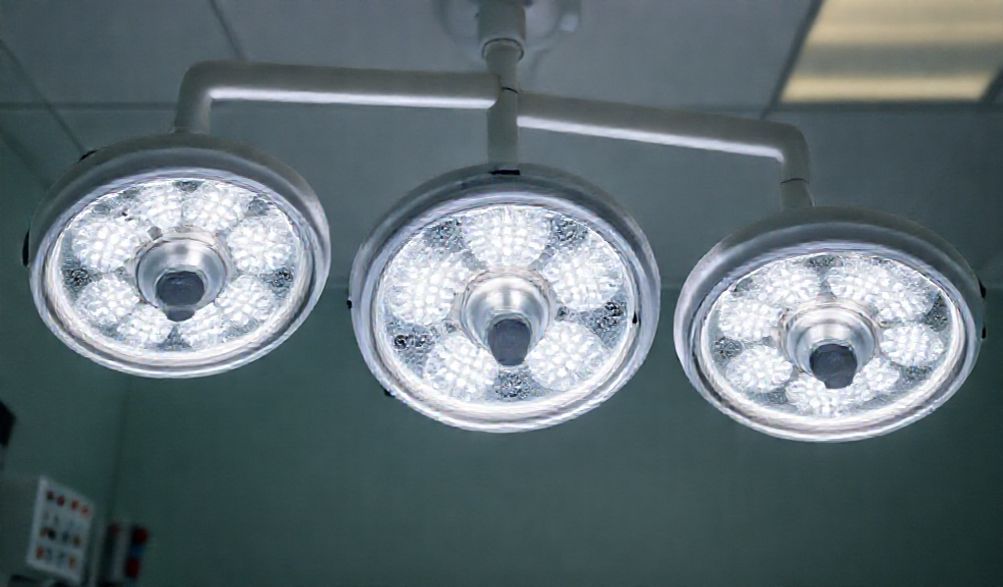
Your Guide to Buying Surgery Lights for Sale: Features, Types, and Key Considerations
In the high-stakes environment of an operating room, every detail matters. From the precision of the instruments to the skill of the surgical team, success hinges on control and clarity. At the very heart of this clarity lies a piece of technology so fundamental it’s often taken for granted until it fails: the lampe chirurgicale. operating room (OR) lights are not mere room fixtures; they are critical medical devices that provide the illumination necessary for precision, safety, and successful outcomes in surgical procedures.
Whether you are outfitting a brand-new operating theater, undertaking a vital upgrade of an aging system, or sourcing equipment for an ambulatory surgery center, purchasing the right surgery lights for sale is a significant capital investment with long-term implications. The market is filled with options, each boasting various features and specifications. Navigating this landscape requires more than just a budget; it demands a deep understanding of clinical needs, technical performance, and operational value.
This comprehensive guide is designed to be your roadmap. Tailored for medical facility managers, surgeons, procurement officers, and healthcare administrators, we will delve into the essential features, different types of lights, and the crucial factors you must consider. Our goal is to empower you to select a system that not only meets stringent clinical standards but also enhances surgical workflows, improves outcomes, and delivers lasting value. Let’s illuminate the key considerations for your next purchase.
Understanding Surgical Lighting: Core Principles and Importance
Before evaluating specific models, it’s essential to grasp why surgical lighting is so specialized. Unlike general ambient lighting, OR lights are engineered to solve specific problems inherent to the surgical field: deep, narrow cavities, the need for true color differentiation, and the constant movement of surgeons and instruments that create shadows.
The Role of Illumination in Surgical Outcomes
The link between lighting quality and surgical success is direct and measurable. Superior surgical lighting contributes to:
- Enhanced Visual Acuity: It allows surgeons to discern fine details, subtle tissue variations, and minute anatomical structures, which is crucial for procedures in microsurgery, neurosurgery, or oncology.
- Effective Shadow Reduction: Shadows cast by a surgeon’s head, hands, or instruments can obscure the surgical site. Advanced lighting systems are designed to minimize these obstructions, providing consistent, uniform illumination.
- Accurate Color Rendering: Differentiating between arterial blood, venous blood, fatty tissue, and healthy tissue relies on accurate color perception. Poor lighting can alter these visual cues, potentially leading to errors.
- Reduced Eye Strain and Fatigue: Consistent, high-quality light with minimal glare helps prevent surgeon fatigue during long procedures, supporting sustained concentration and precision.
Ultimately, optimal lighting translates to increased procedural accuracy, enhanced patient safety, and potentially reduced operative times.
Key Technical Specifications Explained
When reviewing surgery lights for sale, you’ll encounter specific technical terms. Here’s what they mean for clinical practice:
- Illuminance (Lux): This measures the amount of light that falls on the surgical field. Different specialties have different requirements; for example, a superficial procedure may require 40,000 lux, while deep-cavity surgery might need 160,000 lux or more at the center of the field. The light should maintain a high percentage of this intensity across a wide area.
- Shadow Dilution: This is a measure of a light’s ability to minimize shadows. It’s achieved through sophisticated optical designs and the use of multiple, strategically placed LED modules (or lamp heads) that fill in shadows created by any single source. Look for systems with excellent shadow dilution performance.
- Indice de Rendu des Couleurs (IRC) : CRI measures a light source’s ability to reveal the true colors of objects compared to natural light. For surgery, a CRI of 90 ou plus is essential for accurate tissue differentiation. Some advanced LED systems offer adjustable color temperature, allowing surgeons to tailor the light’s “warmth” or “coolness” to the specific tissue type.
- Depth of Illumination: This refers to the light’s ability to penetrate deep into body cavities without creating a “hotspot” (an overly bright center) and leaving the periphery in darkness. A good system provides uniform, deep illumination, which is critical for procedures like spinal or pelvic surgery.
Main Types of Surgery Lights Available for Purchase
Surgical lighting systems come in several primary configurations, each suited to different facility needs and OR layouts.
Ceiling-Mounted Surgical Lights
The most common and versatile type found in fixed operating rooms.
* Avantages : They maximize usable floor space, avoid creating trip hazards, and offer superior positioning flexibility. The ceiling mount provides a wide range of motion, allowing the light to be easily positioned directly over the surgical site from almost any angle.
* Configurations:
* Single-Arm Systems: Feature one articulated arm. They are cost-effective and suitable for smaller ORs or minor procedure rooms.
* Double-Arm (or Multi-Arm) Systems: Incorporate two independent arms, often with a primary and secondary light head. This provides exceptional redundancy, flexibility, and superior shadow control, making them the standard for major operating theaters.
Surgical Light Heads & Systems
This refers to the design of the light source itself.
* Single-Dome Designs: A traditional design with a single, large reflector. While largely superseded by LED technology, some modern LEDs use a refined single-dome approach.
* Multi-Dome/Cluster LED Designs: The modern standard. These feature a central array of numerous small, individual LED modules arranged in a pattern. This design is key to achieving outstanding shadow dilution and uniform light field. Many are modular, allowing for easy replacement of individual LED modules and future upgrades.
Portable and Specialized Surgical Lights
- Portable Lights: These are mobile units on floor stands. They are invaluable in emergency rooms, for bedside procedures, in field hospitals, or as supplemental lighting in a main OR. Their flexibility is their greatest asset.
- Specialty Lights: Certain surgical disciplines have unique requirements. For example:
- Neurosurgery & ENT Lights: Often feature exceptionally high intensity and a very small, focused beam for deep, narrow access.
- Ophthalmology Lights: May include integrated magnification (loupes) and specific color temperature settings optimized for retinal and corneal work.
Critical Factors to Consider When Evaluating Surgery Lights for Sale
Moving beyond basic type, here are the pivotal factors that separate adequate systems from exceptional ones.
Clinical Performance and Safety Features
- Stérilisation et Nettoyabilité : All surfaces, especially handles and the light head casing, must withstand repeated cleaning with harsh hospital-grade disinfectants without degrading. Seamless, smooth designs are preferable.
- Heat Management: Even cool LED lights generate some heat. Effective thermal management systems are vital to prevent heat from radiating onto the surgical site (which can cause tissue desiccation) or discomfort for the surgical team.
- Emergency Systems: The light must have a reliable backup power system (often a battery) that automatically engages during a main power failure, maintaining illumination for a critical period to allow for safe procedure termination.
Ergonomics and Ease of Use for the Surgical Team
A light that is difficult to position is a hindrance, not a help.
* Maniabilité : The system should move effortlessly, with perfect balance, requiring minimal physical effort to reposition. Look for frictionless, fluid movement.
* Commandes intuitives : Handles should be sterile, easy to grip, and allow for precise adjustments. Features like a “position memory” button, which returns the light to a pre-set favorite position, are highly valuable.
* Interface: Any touchscreen or control panel should be simple, logical, and easy to use while wearing gloves.
Durability, Service Life, and Total Cost of Ownership (TCO)
The purchase price is just the beginning.
* Build Quality & Warranty: Assess the robustness of the arms and joints. Reputable manufacturers offer comprehensive warranties of 3 à 5 ans on the system, with extended coverage on LED modules.
* Durée de vie des LED : High-quality surgical LEDs are rated for 50 000 à 100 000 heures of use. This translates to decades of operation before significant light output degradation, minimizing replacement costs.
* Maintenance & Support: Consider the manufacturer’s service network, availability of spare parts, and the cost of routine or emergency maintenance. A lower upfront cost can be negated by expensive, infrequent service support.
The Modern Standard: Why LED Technology Dominates
Today, the choice for new purchases and upgrades is unequivocally LED. They have completely replaced halogen and other older technologies.
Advantages of LED Surgical Lights Over Traditional Halogen
- Energy Efficiency & Cost Savings: LEDs consume up to 80% less energy than halogen lights, leading to substantial savings on electricity bills.
- Cool Light Output: They emit significantly less infrared radiation, drastically reducing the heat directed at the patient and surgical team.
- Exceptional Longevity: As noted, their lifespan is many times that of halogen bulbs, which frequently needed replacement.
- Instant-On & Flicker-Free: LEDs reach full brightness immediately and provide consistent, flicker-free light, eliminating the warm-up time and instability of old systems.
- Consistent Color Quality: LED color temperature and CRI remain stable throughout their entire lifespan, unlike halogens which yellowed over time.
Advanced LED Features to Look For
- Adjustable Color Temperature: Allows surgeons to switch between a warmer light (e.g., 4000K) for better contrast in superficial tissue and a cooler light (e.g., 5500K) for deeper cavity work or truer color rendition.
- Integrated Technology: Many high-end systems now offer integrated 4K camera systems for documentation, teaching, and telemedicine, as well as connectivity for operating room integration.
Navigating the Purchase Process: A Step-by-Step Guide
- Conduct a Needs Assessment: Involve your key stakeholders. Audit your OR schedules and the surgical specialties you serve. Consult directly with lead surgeons and OR nurses to understand their workflow frustrations and wishes. Plan for future growth or new surgical services.
- Sourcing and Vendor Evaluation: Identify reputable medical equipment suppliers and manufacturers with proven track records in surgical lighting. Request live demonstrations in a simulated OR setting. Ask for detailed specification sheets and clinical references from similar facilities.
- Budgeting and Compliance: Understand the pricing model (is it per light head or a complete system price?). Ensure all devices carry the necessary regulatory approvals for your region—this is non-negotiable. Key certifications include:
- IEC 60601-2-41 : The international standard for basic safety and essential performance of surgical luminaires.
- Autorisation FDA 510(k) : For the US market.
- Marquage CE : For the European market.
- ISO 13485 : Certification du système de management de la qualité du fabricant.
Section FAQ
Q1 : Quel est le fourchette de prix typique pour un nouveau système de lumière chirurgicale plafonnière ?
R : Les prix varient considérablement selon la technologie, la marque et la configuration. Un système LED mono-bras basique peut démarrer dans la fourchette de 15 000 € – 25 000 €, tandis que les systèmes multi-bras avancés avec caméras intégrées et commandes sophistiquées peuvent dépasser 80 000 €. Il est crucial d'obtenir des devis détaillés et personnalisés en fonction de vos besoins spécifiques.
Q2 : Puis-je moderniser ma lumière chirurgicale existante avec de nouveaux modules LED ?
R : Certains fabricants proposent des kits de mise à niveau LED pour les anciens modèles halogènes. Cependant, la compatibilité, les gains de performance et le rapport coût-efficacité doivent être soigneusement évalués. Souvent, l'achat d'un nouveau système LED conçu à cet effet offre de meilleures performances, une ergonomie moderne et une garantie complète, représentant ainsi une meilleure valeur à long terme.
Q3 : À quelle fréquence les lumières chirurgicales nécessitent-elles une maintenance ou un étalonnage ?
R : Les lumières chirurgicales LED nécessitent un entretien de routine minimal, principalement axé sur un nettoyage et une désinfection appropriés. Cependant, une inspection professionnelle annuelle par un technicien qualifié est fortement recommandée. Ce service doit vérifier le mouvement et l'équilibre du bras mécanique, la sécurité électrique, et étalonner le flux lumineux pour garantir qu'il respecte les spécifications d'origine.
Q4 : Existe-t-il des normes spécifiques que les lumières chirurgicales doivent respecter ?
R : Oui. La norme internationale clé est la l'IEC 60601-2-41, qui spécifie les exigences de sécurité et de performance pour les lumières chirurgicales. La conformité à cette norme et à d'autres réglementations régionales (comme les directives de la FDA aux États-Unis) est obligatoire pour la sécurité des patients et du personnel, ainsi que pour l'approbation sur le marché.
Q5 : Quelle est la durée de garantie standard pour des lumières chirurgicales de haute qualité ?
R : Les fabricants réputés proposent généralement une garantie complète de 3 à 5 ans sur l'ensemble du système (pièces mécaniques et électriques). Des garanties étendues sont souvent disponibles pour les modules LED principaux, couvrant fréquemment 5 à 7 ans ou un nombre spécifié d'heures de fonctionnement.
Conclusion
Choisir la bonne surgery lights for sale est une décision stratégique qui impacte profondément l'efficacité clinique, le flux opérationnel et la santé financière à long terme de votre établissement de santé. Le choix idéal n'est pas simplement le plus lumineux ou le plus riche en fonctionnalités ; c'est le système qui atteint l'équilibre parfait. Il doit offrir des performances cliniques inégalées—un contrôle exemplaire des ombres, une restitution fidèle des couleurs des tissus et un éclairage profond et uniforme—tout en excellant dans des aspects pratiques comme une ergonomie intuitive, une durabilité robuste et un coût total de possession favorable.
En privilégiant la technologie LED moderne de fabricants réputés, en réalisant une évaluation approfondie des besoins en collaboration avec vos équipes cliniques, et en insistant sur les certifications réglementaires appropriées et un support fiable, vous faites plus qu'acheter un équipement. Vous effectuez un investissement fondamental dans la qualité des soins. Vous choisissez un outil qui éclairera la voie vers des résultats chirurgicaux supérieurs, intervention après intervention, pour les années à venir. Entamez votre processus d'achat en toute clarté, et que votre sélection finale soit un phare de fiabilité et de précision pour chaque intervention.
p>