
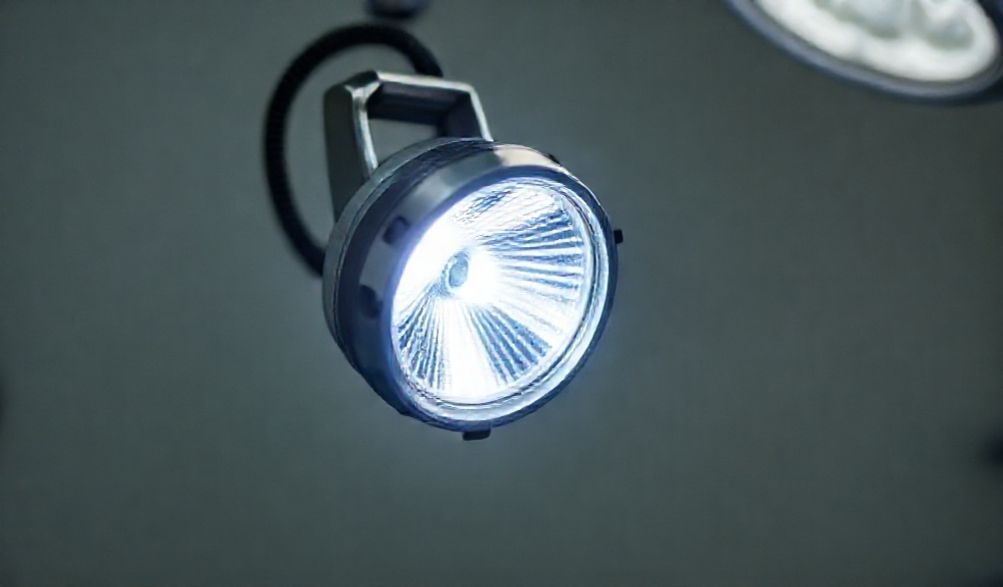
The Ultimate Guide to Cordless Surgical Headlights: Benefits, Features & How to Choose
Imagine this: you’re deep into a complex procedure, your focus absolute. You need to shift your position slightly to get a better angle on the surgical site. As you move, you feel the familiar, subtle tug of the headlight cord—a minor distraction, a physical reminder of your tether. Or perhaps you’ve experienced the momentary panic when a looped cord brushes against a non-sterile surface. For decades, surgeons and medical professionals have accepted these minor frustrations as the unavoidable cost of optimal illumination.
But what if you could eliminate the cord entirely? Welcome to the era of the chirurgicale générale cordless system—a technological leap that is transforming operating rooms, dental suites, and clinical settings by trading restrictive cables for liberating, reliable power. This guide is designed to be your comprehensive, unbiased resource. We’ll move beyond marketing claims to explore the tangible advantages, dissect the critical features, and provide a clear framework for selecting a cordless headlight that genuinely enhances your practice, based on technical specifications, clinical feedback, and ergonomic science.
Why Choose a Cordless Surgical Headlight? Key Advantages
The transition from corded to cordless isn’t merely a matter of convenience; it’s a fundamental upgrade to the surgical ecosystem that impacts the practitioner, the surgical team, and the flow of the procedure itself.
Unparalleled Freedom of Movement and Ergonomics
The most immediate and profound benefit is liberation. A cordless surgical headlight removes the constant drag and pull of a power cable. This allows for natural, unencumbered movement around the operative field. Whether you’re repositioning during a lengthy orthopedic procedure, adjusting your stance in microsurgery, or moving between multiple sites in a dental operation, the absence of a cord means one less physical constraint.
This freedom directly translates to improved ergonomics. Without the need to manage cord tension or avoid entanglement, practitioners can maintain a more neutral posture, reducing strain on the neck, shoulders, and back over long procedures. Furthermore, this mobility is invaluable in non-traditional settings such as field medicine, military surgery, or mobile clinics, where access to reliable power outlets is limited or non-existent.
Enhanced Safety and Operating Room Efficiency
In the meticulously organized chaos of an OR, every potential hazard matters. Power cords are a known tripping risk for circulating nurses and staff. Eliminating them from the floor reduces clutter and enhances overall room safety. More subtly, it removes the risk of a cord accidentally being pulled, potentially yanking the headlight from the surgeon’s head or disrupting the sterile field if it contacts a non-sterile surface.
Efficiency gains are also significant. Setup becomes a matter of placing a charged headlight on your head—no more locating outlets, managing cable runs, or untangling knots. Breakdown is equally swift. This streamlined process saves valuable minutes and reduces pre-procedure friction, allowing the team to focus entirely on the patient.
Consistent, High-Quality Illumination
There’s a common misconception that cordless means compromised power. Modern technology has rendered this obsolete. Today’s les projecteurs chirurgicaux sans fil utilize advanced Lithium-ion (Li-ion) batteries and high-efficiency LED arrays to deliver exceptionally stable, bright, and consistent illumination.
Unlike older corded systems that could suffer from dimming due to voltage drops over long cables or aging halogen bulbs that shift color temperature as they degrade, a quality cordless system provides unwavering light output for the entirety of its battery charge. This consistency is crucial for visual accuracy, color discrimination (vital for differentiating tissue types), and reducing eye strain during long, focused tasks.
Critical Features to Evaluate in a Cordless Surgical Headlight
Not all cordless headlights are created equal. Understanding the key specifications and how they impact real-world use is essential for making a smart investment.
Battery Life and Power Management Systems
This is the cornerstone of any cordless device. Key metrics to scrutinize include:
* Total Runtime: Look for models offering 6 to 10+ hours of operation on a single charge at a usable brightness level. Ensure the runtime is specified for a relevant brightness setting, not a dim, power-saving mode.
* Charge Time: How long does it take to fully recharge the battery? Fast-charging capabilities can be a major advantage between procedures.
* Battery Type & Management: Li-ion batteries are standard for their high energy density and lack of memory effect. Advanced systems include battery level indicators (often multi-LED displays) and hot-swappable batteries. This feature allows you to replace a depleted battery with a fresh one in seconds without powering down the light, a critical capability for marathon surgeries or busy procedural days.
Light Source and Beam Characteristics
The quality of light is paramount. Focus on these aspects:
* LED Technology: LEDs are the universal standard. Pay attention to L’Indice de Rendu des Couleurs (IRC), a measure of how accurately the light reveals the true colors of tissues. A CRI of 90+ is excellent for surgical applications. Color temperature (measured in Kelvin, e.g., 4500K-6000K) affects the “warmth” or “coolness” of the light; a neutral white (around 5000K) is often preferred.
* Beam Control: Adjustable focus is a key feature. You should be able to change the Taille du spot et un profondeur de champ to suit the task—from a wide, shallow field for surface work to a small, intense, deep spot for microsurgery. This adjustability is central to achieving the precision and clarity required in modern surgery.
Comfort, Fit, and Weight Distribution
A headlight you dread wearing is a tool that will hinder, not help. Comfort is a performance feature.
* Headband Design: Look for fully adjustable, padded headbands. A 4-point or 5-point suspension system (with a top strap) is superior as it distributes weight more evenly across the skull, minimizing pressure points.
* Poids : The total system weight (headband, light source, and battery) is critical. The lightest premium models can be under 200 grams, while more feature-rich systems may be slightly heavier. The goal is a combination of lightweight design and balanced weight distribution so the unit feels secure and stable without being burdensome during a 4-hour case.
Durability, Sterilization, and Maintenance
These devices exist in a demanding environment. Their design must reflect that.
* Durability & Sealing: Check for IP Ratings (Ingress Protection). An IP rating like IP54 indicates protection against dust and water splashes, which is important for withstanding cleaning and the occasional fluid exposure.
* Sterilization Protocols: This is non-negotiable for patient safety. Most systems are designed with a modular approach: the headband and light source/lens assembly are autoclavable, while the battery pack and main control unit are for wipe-down disinfection only. It is absolutely critical to follow the manufacturer’s exact sterilization and cleaning guidelines. Deviating can compromise sterility, damage the device, and void the warranty. Choosing a device with a clear, logical sterilization pathway is a direct investment in trustworthiness and safety.
How to Select the Right Cordless Headlight for Your Practice
With the features in mind, the next step is aligning them with the specific demands of your work.
Assessing Your Surgical Specialty’s Requirements
Your specialty dictates your needs.
* High-Precision Specialties (Neurosurgery, Ophthalmology, Otolaryngology, Microvascular): Prioritize maximum brightness (often 100,000+ lux), a very small and finely adjustable spot size, excellent depth of field, and the highest possible CRI. Battery life must reliably exceed your longest expected procedure, and hot-swappability is a major plus.
* General Surgery, Orthopedics, Obstetrics/Gynecology: Look for a versatile light with a good range of focus, high brightness, and robust comfort for longer cases. A balance between spot intensity and a wider field is often useful.
* Dentistry, Dermatology, Aesthetic Procedures: These may prioritize a slightly wider beam, exceptional comfort for patient-facing proximity, and ease of use for shorter, repeated procedures. Quick charging between patients can be valuable.
Comparing Top Brands and Models (An Objective Overview)
When evaluating the market, focus on specifications and reputation. The table below provides a neutral framework for comparing common categories. Always verify specs with the manufacturer.
| Feature / Consideration | High-Precision / Microsurgery Focus | General Surgery / Versatile Workhorse | Value-Oriented / High-Volume Practice |
| :— | :— | :— | :— |
| Typical Brightness | 100,000 – 200,000+ Lux | 40,000 – 120,000 Lux | 20,000 – 60,000 Lux |
| Battery Life (High Power) | 4-7 hours (often with hot-swap) | 6-10+ hours | 6-8 hours |
| Key Beam Feature | Ultra-fine, adjustable spot; deep field | Wide adjustable focus range | Fixed or simply adjustable focus |
| Weight Priority | Lightweight, balanced for precision | Ergonomic comfort for long wear | Lightweight for all-day comfort |
| Primary Consideration | Optical performance & reliability | All-day comfort & versatility | Cost-effectiveness & durability |
Budget Considerations and Total Cost of Ownership
The initial purchase price is just one part of the equation. Consider the Coût Total de Possession:
* Upfront Cost: Cordless systems typically command a premium over basic corded models.
* Long-Term Value: Factor in battery lifespan (typically 2-3 years of daily use before capacity degrades noticeably) and replacement cost. A robust warranty (2-3 years is standard for quality devices) protects your investment.
* Return on Investment (ROI): The ROI isn’t just in the device itself. It’s in the potential for improved procedural efficiency, reduced physical fatigue (which can extend a surgeon’s career), and the elimination of costs associated with replacing cords, bulbs, or external power supplies.
Addressing Common Concerns and Best Practices
Debunking Myths About Cordless Reliability
The foremost concern is always: “What if the battery dies mid-surgery?”
Modern les projecteurs chirurgicaux sans fil are engineered with this in mind. Li-ion batteries provide consistent voltage until they are nearly depleted, at which point advanced systems give clear, multi-stage warnings (e.g., a flashing indicator with 30 minutes of runtime left). For ultimate security, the hot-swappable battery feature is the definitive solution, allowing a swap in under 10 seconds without a moment of darkness. Real-world reliability data from hospitals shows that with proper management, battery failure during use is exceedingly rare—often far rarer than issues with cord connectors or external power supplies.
Proper Care, Charging, and Storage Protocols
Maximizing the lifespan and reliability of your system hinges on proper stewardship:
* Chargement : Avoid constantly draining the battery to 0%. For long-term health, partial discharges are better than full ones. If storing the device for weeks, store the battery at a ~50% charge level.
* Stockage : Store the headlight and batteries in a clean, dry, room-temperature environment, away from direct sunlight or sterile processing chemicals.
* Stérilisation : As emphasized, follow the manual meticulously. Never autoclave a component not rated for it. Allow all autoclaved parts to dry completely before reassembly to prevent moisture damage.
* Pre-Procedure Check: Make a battery check part of your pre-op ritual, just like checking your instruments.
Section FAQ
Q: How long does the battery typically last on a single charge for a cordless surgical headlight?
A: Most modern models offer between 6 to 10+ hours of runtime at moderate to high brightness, which is sufficient for multiple standard procedures. Always check the manufacturer’s specifications for the specific model and the brightness setting that runtime is based on.
Q: Can cordless surgical headlights be fully sterilized?
A: This varies by model. Many are designed with detachable, autoclavable headbands and light sources, while the battery pack and main electronics module may require wipe-down disinfection only. It is crucial to follow the manufacturer’s exact sterilization and cleaning instructions to maintain patient safety, device integrity, and the warranty.
Q: Are cordless headlights as bright as corded models?
A: Yes, advancements in LED and battery technology mean high-end cordless headlights often match or exceed the brightness (measured in lumens or lux) of their corded counterparts, without the risk of power cord voltage drops or the limitations of older bulb technology.
Q: What is the most important feature to look for?
A: While important features vary by need, a combination of sufficient battery life for your longest procedures (with a backup plan like hot-swap) and superior comfort/weight distribution is foundational. A bright, focused light is useless if the device is uncomfortable to wear or dies mid-surgery.
Q: Is the investment in a cordless headlight worth it?
A: Pour la plupart des chirurgiens et praticiens, l'investissement est justifié par l'amélioration de la mobilité, de la sécurité et des bénéfices ergonomiques. Réduire la fatigue physique et les distractions mentales peut directement contribuer à améliorer la précision chirurgicale, l'efficacité et le bien-être personnel tout au long d'une carrière. Il s'agit d'un investissement à long terme dans la qualité de votre pratique.
Conclusion
Le lampe frontale chirurgicale sans fil représente une évolution significative dans l'éclairage chirurgical personnel, offrant une puissante triade d'avantages : une véritable liberté de mouvement, une sécurité accrue en salle d'opération, et une lumière constante et haute fidélité. Dépasser le fil est plus qu'une amélioration technique ; c'est un pas vers une pratique plus fluide, efficace et ergonomique.
Votre choix final doit être guidé par une évaluation lucide de vos besoins cliniques, le confort et la fiabilité des performances de la batterie étant des piliers non négociables. Privilégiez les appareils de fabricants réputés qui fournissent des spécifications transparentes, des garanties solides et un service client accessible. Nous recommandons d'utiliser ce guide pour créer une liste de contrôle personnalisée, de solliciter les retours d'expérience de collègues ayant effectué la transition, et, chaque fois que possible, d'organiser une démonstration pour constater la différence par vous-même. Votre vision, et votre pratique, ne méritent rien de moins.
p>