
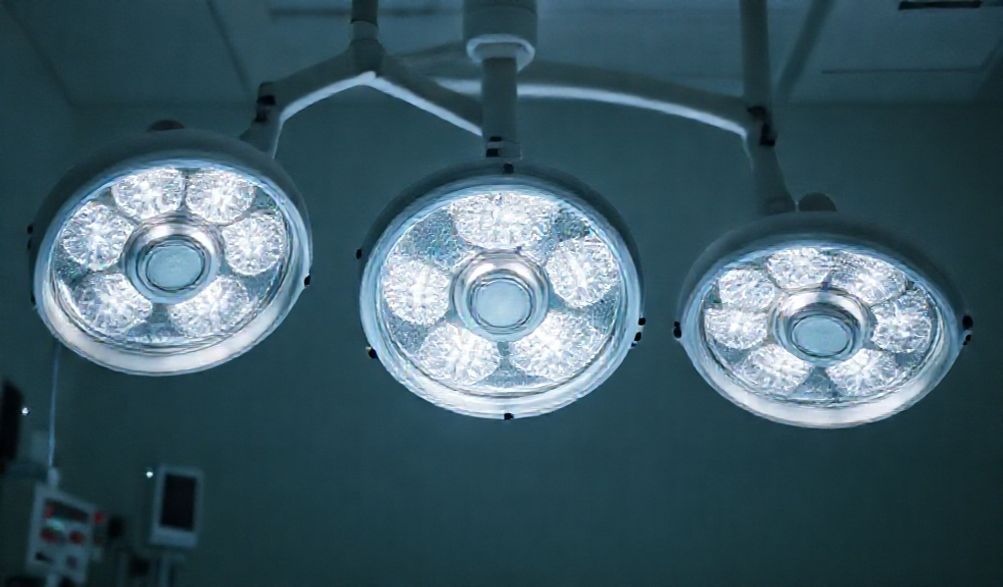
Illuminating Precision: The Ultimate Guide to Shadow-Free Surgical Lights
In the high-stakes environment of the modern operating room, success is measured in millimeters and milliseconds. A surgeon’s skill, a team’s coordination, and cutting-edge technology converge on a single, critical foundation: the ability to see. Yet, for decades, a persistent challenge has lurked in this field of vision—the surgical shadow. An obstructed view of a critical bleeder, an obscured anatomical plane, or a subtle color variation in tissue can be the difference between a routine procedure and a complication. The quest for perfect illumination is not merely about brightness; it is about eliminating visual noise to achieve unparalleled clarity. This guide delves into the world of surgical lights with no shadow, exploring the transformative technology that is redefining visualization standards, enhancing surgical precision, and fundamentally improving patient safety.
Why Shadow Elimination is Non-Negotiable in Modern Surgery
The presence of shadows in the surgical field is more than a minor inconvenience; it is a significant clinical and ergonomic hurdle. Moving beyond simple task lighting, modern surgery demands an environment where visualization is consistent, unobstructed, and true to life.
The Clinical Impact of Surgical Shadows
Shadows cast by a surgeon’s hands, instruments, or even their own head can obscure vital structures. In deep cavity work, such as in cardiothoracic or pelvic surgery, a shadow can hide a small blood vessel, leading to unexpected bleeding and increased operative time. During delicate dissections near nerves or critical ducts, a loss of visual clarity can increase the risk of iatrogenic injury. Research in surgical ergonomics and outcomes consistently points to a direct correlation between optimal visualization and reduced error rates. When anatomy is clearly and uniformly illuminated, surgical decisions are more confident and precise.
Enhancing Surgical Team Performance & Ergonomics
The strain of poor lighting extends beyond the patient. Surgeons and assistants often contort their posture, crane their necks, or repeatedly adjust lights to chase shadows, leading to significant physical fatigue and eye strain over long procedures. This compensatory behavior contributes to musculoskeletal disorders common among surgeons. A truly shadow-reduction system creates a stable, homogeneous light field. This allows the entire surgical team to maintain neutral postures, reduces visual fatigue, and fosters smoother team coordination, as everyone shares the same optimal view of the operative site without constant adjustment.
The Direct Link to Patient Safety and Outcomes
Ultimately, every technological advancement in the OR serves one goal: improving patient outcomes. Superior, shadow-free illumination is a direct contributor to this aim. By providing unwavering visual access, these systems can help reduce overall operative time—a factor linked to lower infection rates. Enhanced precision minimizes tissue trauma, can lead to less blood loss, and supports more accurate interventions. In essence, investing in advanced lighting is a proactive investment in patient safety, reducing the variables that can lead to complications.
Core Technologies Behind Truly Shadow-Free Lighting
Achieving a near-shadowless field is not a matter of simply adding more bulbs. It is the result of sophisticated optical engineering designed to manage and overlap light paths. Understanding these core principles is key to evaluating any system.
Multi-Source Optics and LED Array Design
The fundamental principle behind shadow-free surgical lights is the use of multiple, independent light sources. Instead of a single bulb or LED cluster, these systems employ a ring or array of numerous LED modules, each paired with its own reflector or lens. These modules are strategically angled so that their light beams converge on the surgical site from slightly different directions. When an object (like a hand or instrument) obstructs the path from one module, the light from the surrounding modules fills in the potential shadow from other angles. This overlapping beam technology is the first and most critical line of defense against obstructive shadows.
The Role of Large Diameter Reflectors and Light Guides
The physical size and design of the light head are equally important. A larger diameter light head allows for a greater distance between the peripheral light modules, improving the angle of incidence and enhancing the shadow-filling effect. Furthermore, advanced systems use specialized reflectors, refractors, or light guides (like acrylic panels) to further shape and blend the light from the individual LEDs. This engineering creates a seamless, integrated light beam rather than a collection of distinct spotlights, ensuring the light that reaches the surgical field is uniform and homogeneous.
Advanced Light Field Control & Homogeneity
Two key terms define the quality of the illuminated area: depth of illumination et un de l'homogénéité. Depth of illumination refers to how far the effective, focused light penetrates into a cavity while maintaining adequate intensity (e.g., 40cm or more). Homogeneity is a measure of how evenly the light is distributed across the field; it is expressed as a percentage (e.g., ≥75% homogeneity is excellent). A high homogeneity percentage means there are no significant “hot spots” (overly bright areas that can cause glare) or dark areas at the periphery. True shadow-free systems excel in providing both exceptional depth and high homogeneity, creating a consistent “pool” of light that maintains its quality even in deep and narrow wounds.
Key Features to Evaluate in a Shadow-Reduction System
When comparing systems, moving beyond marketing claims to tangible specifications and features is essential. Here is what to scrutinize on a spec sheet and during a hands-on demo.
Quantitative Metrics: Lux, Depth, and Homogeneity
- Central Illuminance (Lux): This measures light intensity at the center of the field. While important, extremely high lux values (e.g., over 160,000 lux) can be excessive and cause glare. Look for a balanced, high-intensity light that is also comfortable for the surgeon’s eyes, typically in the range of 80,000 to 140,000 lux.
- Depth of Illumination: This is crucial. A spec might read “≥ 40,000 lux at 40cm depth.” Test this during a demo by placing a light meter at the bottom of a deep cavity simulator.
- Homogénéité : As discussed, this percentage is a direct indicator of shadow-reduction performance. Prioritize systems with homogeneity ratings of 75% or higher across a defined field diameter (e.g., 30cm).
Indice de Rendu des Couleurs (IRC) et Température de Couleur
Accurate tissue differentiation relies on true color representation.
* Créez une liste de contrôle des exigences minimales basée sur votre application de l'Étape 1. The Color Rendering Index measures a light’s ability to reveal the true colors of objects compared to natural light. For surgery, a CRI of 90 ou plus is essential. A high CRI helps distinguish arterial blood from venous blood, identify bile ducts, and recognize subtle tissue pathologies.
* Température de Couleur : Measured in Kelvins (K), this defines how “warm” (yellow/red) or “cool” (blue/white) the light appears. Adjustable color temperature (e.g., from 4000K to 6700K) is a valuable feature. A cooler light (5000K+) can enhance contrast in bloody fields, while a warmer light may be less fatiguing during long procedures.
Ergonomic Design and Maneuverability
The best optical system is useless if it’s difficult to position. Evaluate:
* Handles: They should be fully sterile, intuitive to use, and allow for easy, precise positioning without pushing the light head out of balance.
* Counterbalance System: The light should feel weightless and stay exactly where it is placed, without drift or recoil.
* Range of Motion: Ensure the light has the reach, lateral movement, and rotation to cover all potential surgical sites in your OR without obstruction.
Integration and Compatibility
Modern ORs are digital ecosystems. Verify:
* Camera Mounts: Dedicated, stable ports for 3D/4K or standard laparoscopic camera heads.
* Video Overlay: Some systems can integrate light settings (like color temperature) into the video feed data.
* Options de fixation : Compatibility with your OR’s ceiling structure, track systems, or wall mounts.
Leading Applications for Shadow-Free Surgical Lights
While beneficial in any OR, certain specialties derive exceptional value from this technology.
Demanding Specialties: Cardiothoracic, Neuro, and Orthopedic Surgery
These fields often involve deep, confined surgical sites—the chest cavity, the brain, or deep within a joint. The exceptional depth of illumination and homogeneity of shadow-free lights provide consistent visualization at the deepest point of the wound, which is critical for identifying structures and ensuring precise implant placement or vessel anastomosis.
High-Precision Microsurgery and Plastics
In microsurgery, ophthalmology, and plastic/reconstructive surgery, the margin for error is virtually zero. Here, the high CRI and adjustable color temperature are paramount for distinguishing minute structures, sutures, and tissue viability. The minimal heat emission of LEDs also prevents tissue desiccation, which is vital in delicate microsurgical flaps and grafts.
General Surgery and High-Volume ORs
For general, vascular, or gynecological surgery, the benefits translate to efficiency and reliability. The ease of positioning, consistent light quality case after case, and the durability of LED systems (with no bulbs to replace) minimize delays and maintenance, supporting a high turnover of procedures.
A Practical Guide to Selection and Implementation
Transitioning from research to procurement requires a structured approach.
Conducting a Needs Assessment for Your OR
Create a checklist:
* Procedural Mix: What are the most common and most visually demanding surgeries performed?
* OR Layout: Ceiling height, column/boom placements, and room size.
* Team Input: Involve surgeons, nurses, and biomedical engineers early to understand workflow preferences and pain points with current lighting.
* Budget et Calendrier : Consider capital purchase cycles and potential grant opportunities.
The Essential Steps for a Clinical Trial or Evaluation
A spec sheet is no substitute for live experience.
1. Arrange an In-Situ Demo: Insist on a temporary installation in an actual or simulated OR.
2. Form an Evaluation Team: Include lead surgeons from key specialties, OR nurses, and clinical engineering staff.
3. Simulate Real Scenarios: Don’t just shine the light on a table. Use cavity simulators, have a surgeon simulate a procedure with instruments, and test the light at its maximum extension and depth.
4. Test All Features: Check the color modes, camera balance, ease of cleaning, and responsiveness of the handles.
Considérations sur le Coût Total de Possession (CTP)
Look beyond the initial purchase price:
* Efficacité énergétique : LEDs consume significantly less power than halogen or older systems.
* Durée de vie : With rated lifespans of 50,000 to 100,000 hours, LEDs can last over a decade in normal use, eliminating bulb replacement costs and downtime.
* Maintenance & Service: Inquire about the cost and availability of service contracts, module replacement parts, and local technical support response times.
Foire Aux Questions (FAQ)
Q: Are “shadow-free” lights completely without any shadow?
A: It is more accurate to call them “shadow-reduction” systems. While no physical light can eliminate tous shadows created by solid objects, these advanced lights are engineered to reduce obstructive, clinically relevant shadows to negligible levels. The goal is to create an exceptionally uniform field where any remaining shadow is soft, diffuse, and does not obscure critical visual information.
Q: How do LED shadow-reduction lights compare to older halogen systems?
A: LEDs represent a generational leap. They produce significantly less radiant heat (reducing tissue drying and surgeon discomfort), have an exponentially longer lifespan (50,000+ hours vs. 1,000-2,000 for halogen), consume up to 70% less energy, reach full intensity instantly, and maintain a consistent color temperature throughout their life. Halogen bulbs dim and yellow over time.
Q: What is the typical lifespan, and what happens when LEDs dim?
A: High-quality surgical LED modules are rated for 50,000 to 100,000 hours of operation. They are designed to maintain over 70% of their initial light output (L70) for their entire rated life. Reputable manufacturers design their light heads with modular components, allowing for individual LED driver or module replacement by a technician if needed, rather than replacing the entire expensive light head.
Q: Can these lights be integrated with our existing OR infrastructure and video systems?
A: Most modern systems are designed with integration in mind. However, compatibility is not universal. This must be a key question for your vendor. Discuss specific camera mounting brackets, the potential for video signal interference, and control interfaces with your OR’s integration network or surgical video recorder.
Q: How important is after-sales service and support?
A: Paramount. Surgical lights are mission-critical equipment. Ensure the manufacturer or their authorized distributor offers prompt, certified local service (with clear response time guarantees), readily available spare parts, and comprehensive training for your clinical engineering staff. The quality of support is as important as the product itself.
Conclusion
The journey toward surgical excellence is paved with clarity. As we have explored, the evolution toward surgical lights with no shadow is not a mere upgrade in brightness but a fundamental enhancement of the surgical visual environment. By understanding the critical link between shadow-free illumination and surgical precision, the core optical technologies that make it possible, and the practical features that define a superior system, healthcare institutions can make informed, evidence-based decisions.
Investing in this technology is an investment in your surgical team’s capability, their long-term well-being, and, most importantly, the standard of care delivered to every patient. The data from spec sheets provides the foundation, but the proof is in the demonstration. We encourage you to move from research to experience. Contact reputable manufacturers, request detailed technical documentation, and, crucially, insist on a clinical evaluation in your own environment. See for yourself how eliminating shadows can illuminate a new path to precision, safety, and excellence in the operating room.
This guide is intended to provide comprehensive, evidence-based information to support healthcare professionals. Specifications and technologies continue to evolve; always consult directly with manufacturers and clinical engineering teams for the most current information pertaining to your specific needs.
p>