
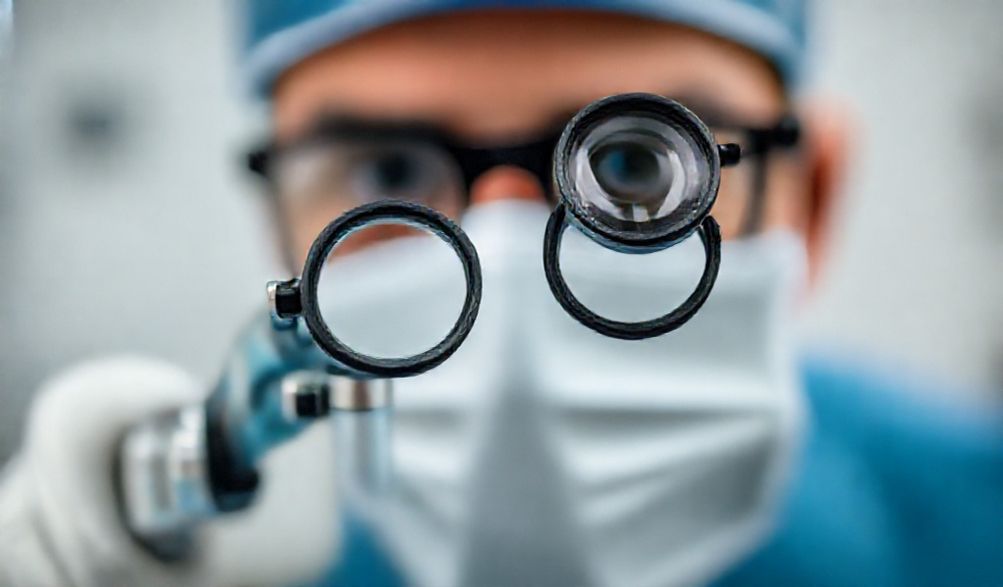
Surgical Loupes Price Guide: A Surgeon’s 2024 Cost & Value Analysis
You’ve felt it at the end of a long case: that familiar ache creeping up your neck and shoulders. Or perhaps you’re leaning in just a little too close, straining for a clearer view of the surgical field. Maybe your current loupes are simply outdated, and you know the technology—and your outcomes—could be better. As you consider an upgrade or your first purchase, one question inevitably surfaces: How much should I expect to pay?
The price tag on surgical loupes can be startling, ranging from a few hundred to several thousand dollars. It’s a significant investment, and the sheer range can be confusing. Is a $5,000 system really ten times “better” than a $500 one? This guide is designed to demystify that cost. We’ll move beyond the sticker shock to break down what you’re truly paying for—from the physics of the optics to the ergonomics that protect your body. Our goal is to transform your purchase from a simple expense into a strategic, value-driven investment in your surgical precision and career longevity.
This analysis is built on a foundation of l'Expérience, l'Expertise, l'Autorité et la Fiabilité (E-E-A-T), synthesizing current manufacturer specifications, insights from seasoned surgical instrument specialists, and a clear-eyed look at long-term professional value over mere upfront cost.
The core thesis is simple: The price of surgical loupes is not just a number; it’s a direct reflection of la qualité optique, custom la conception ergonomique, and durability that tangibly impacts your surgical outcomes, your physical well-being, and the longevity of your career.
What Determines the Price of Surgical Loupes? (The Value Breakdown)
To understand the price, you must understand the components of value. You’re not buying a commodity; you’re commissioning a custom optical tool. The cost is a sum of its sophisticated parts.
Optical System & Magnification Level
This is the heart of the system and the primary cost driver.
- Galilean vs. Prismatic (Keplerian) Designs: This is the fundamental split. Galilean systems use a simpler arrangement of lenses. They are lighter, more compact, and less expensive, but they typically max out at around 3.5x magnification and have a narrower field of view and shorter depth of field. Prismatic systems use a more complex series of prisms to fold the light path. They are the premium option, capable of higher magnifications (4.5x and beyond) with a dramatically wider, flatter, and more immersive field of view. This superior optical engineering comes at a higher cost.
- Magnification Power: As magnification increases, so does optical complexity and the precision required in manufacturing. A jump from 2.5x to 3.5x, and again to 4.5x or 5.5x, involves progressively more advanced lens systems to maintain clarity and light transmission, which increases price.
- Lens Quality & Coatings: Not all glass is created equal. Premium lenses offer exceptional clarity with minimal distortion. Coatings are critical: anti-reflective coatings maximize light transmission and reduce glare; revêtements anti-buée are essential for maintaining visibility; and scratch-resistant coatings protect your investment. Each added layer of performance adds to the cost.
Customization & Ergonomics
A loupe that doesn’t fit is worse than useless—it’s harmful. The price includes the expertise and manufacturing required to make them uniquely yours.
- Precision Measurements: The single most important process is the accurate measurement of your est crucial pour aligner les lentilles avec vos pupilles afin d'obtenir une image unique et claire. (the space from your eye to the surgical field) and Declination Angle (how far down your eyes naturally look through the lenses). An improper measurement leads to poor posture. This bespoke service, often done by a trained representative, is factored into the cost of quality systems.
- Frame Options: Prices escalate with customization. Generic, adjustable frames are the most affordable. Custom-fit frames, molded or adjusted to your facial anatomy, offer superior stability and comfort at a higher tier. Conception Through-the-Lens (TTL) designs, where the optical barrels are permanently fixed to the lens in the optimal position, represent the pinnacle of custom integration and command a premium.
- Comfort Engineering: Weight distribution is key. Systems with counterweights, padded temple tips, adjustable nose bridges, réduction drastique de la main-d'œuvre de maintenance lightweight composite materials are engineered for all-day comfort. This ergonomic R&D and the use of advanced materials add value and cost.
Integrated Technology & Add-Ons
Modern loupes are often the hub of a digital surgical ecosystem.
- Integrated Surgical Headlights: Adding a light source is a significant price jump. Factors include the type (older halogen vs. modern, cool-running LED), maximale (measured in lux or lumens), de couleur (affecting tissue differentiation), and battery life/type. A premium, coaxial LED headlight that perfectly aligns with your line of sight is a major investment.
- Camera & Video Capabilities: The ability to mount a high-definition camera or video system for documentation, teaching, or telemedicine requires reinforced frames, specific mounting points, and sometimes optical path splitting. This integration adds complexity and cost.
- Digital Integration: The frontier now includes wireless connectivity to monitors, image overlay systems, and compatibility with surgical software platforms. This “smart loupe” technology carries a substantial premium.
Surgical Loupes Price Ranges: What to Expect in 2024
Use this as a general guide. Final pricing is highly individualized and requires a professional consultation. All prices are in USD.
Entry-Level / Basic Galilean Systems
- Typical Price Range: $800 – $1,800
- Idéal pour : Students, first-time buyers, or professionals in fields requiring lower magnification (e.g., some general dentistry, veterinary procedures, introductory surgical training).
- What’s Typically Included: Basic Galilean optics (2.5x-3.5x), a standard, adjustable frame, and a fundamental working distance measurement. An integrated headlight is usually an extra-cost add-on.
Mid-Range / Advanced Prismatic Systems
- Typical Price Range: $2,000 – $4,500
- Idéal pour : The majority of practicing surgeons, dentists, and specialists (e.g., periodontists, oral surgeons, orthopedic surgeons) who require higher magnification, a wider field of view, and robust ergonomics for daily use.
- What’s Typically Included: High-quality prismatic (Keplerian) optics (3.5x-4.5x), a better degree of frame customization (often TTL), a professional fitting session, and frequently a bundled basic or mid-tier LED headlight.
High-End / Fully Integrated Systems
- Typical Price Range: $4,500 – $12,000+
- Idéal pour : Microsurgeons (e.g., neuro, ophthalmic, plastic/reconstructive), specialists requiring ultra-high magnification (5.5x+), and early adopters seeking the absolute best optics and fully integrated digital operating rooms.
- What’s Typically Included: Top-tier expanded-field prismatic optics, full custom ergonomics (TTL with custom frames), a premium coaxial or dual-point LED headlight system, camera/video mounting integration, and potentially wireless streaming capabilities.
The Hidden Costs (and Savings) of Owning Surgical Loupes
The initial purchase price is only part of the financial picture. A true value analysis considers the total cost of ownership.
Upfront vs. Long-Term Cost
Think in terms of cost-per-procedure. A $4,000 loupe used over 2,000 procedures in 8 years costs $2 per procedure. A cheaper, uncomfortable $1,500 loupe you stop using after a year offers zero value. Durability and warranty are direct value indicators. A reputable brand offering a 5-year or lifetime warranty on optics is betting on its quality and saving you future repair costs.
Essential Accessories & Recurring Costs
Budget for the ecosystem:
* Headlight Power: Rechargeable battery packs have a finite lifespan (2-3 years). Replacement costs can be $100-$300 each.
* Doit être ≥90. While LEDs last tens of thousands of hours, they are not immortal. Replacement LED modules or bulbs are an eventual cost.
* Maintenance : Professional cleaning, re-tensioning of frames, and lens re-coating services (every few years for heavy users) incur fees. A dropped loupe can mean a costly optical realignment or repair.
* Inserts de Prescription : If you wear glasses, custom prescription lens inserts are an additional, necessary cost for optimal vision.
The True Cost of a Poor Fit: Avoiding Injury
This is the most critical hidden cost, and it’s not just financial. Poorly fitted loupes are a primary contributor to work-related musculoskeletal disorders (MSDs) among surgeons and dentists. Chronic neck and back pain, cervical strain, and even early career attrition can result from constantly compensating for an improper declination angle or working distance.
The potential “cost” here includes pain, reduced surgical performance, missed work, and the expense of physical therapy or treatment. In this light, the investment in a comprehensive, professional fitting session—which is often “free” with purchase from a quality provider—is arguably the most valuable part of the transaction, acting as insurance against career-limiting injury.
How to Get the Best Value for Your Investment
Value isn’t about finding the cheapest option; it’s about maximizing the return on your investment. Here’s how to be a savvy buyer.
Prioritize a Professional In-Person Fitting (Non-Negotiable)
A perfect price online is a liability if the fit is wrong. Insist on a live fitting. A skilled fitter will assess your natural posture, discuss your most common procedures, measure your interpupillary distance, and meticulously determine your working distance and declination angle while you simulate a working position. This service is the cornerstone of value.
Ask the Right Questions Before You Buy
Come to your consultation prepared. Ask:
* “What is the exact warranty coverage? What is excluded?”
* “What is the repair process, average turnaround time, and typical cost for common issues like frame repair or optical misalignment?”
* “Can this system be upgraded in the future (e.g., adding a higher magnification lens or a new headlight) without replacing the entire unit?”
* “What training and ongoing support do you provide?”
Evaluate Financing, Bundles, and Professional Discounts
- Financement : Many manufacturers and third-party vendors offer low- or no-interest financing plans, making a premium system more accessible by spreading the cost over time.
- Bundles: Purchasing a loupe, headlight, and camera mount together as a package almost always offers a better value than buying each component à la carte.
- Remises : Renseignez-vous activement sur les programmes étudiants/résidents, les accords d'achat institutionnels (pour les hôpitaux ou les cabinets de groupe), et les remises de fidélité si vous effectuez une mise à niveau de la même marque.
Foire Aux Questions (FAQ)
Q : Puis-je acheter des loupes chirurgicales bon marché en ligne ?
R : C'est possible, mais cela comporte un risque élevé. L'absence cruciale d'un ajustement professionnel peut entraîner des tensions physiques et une optique médiocre provoquant une fatigue oculaire. Vous investissez dans un outil essentiel pour votre profession et la santé de votre corps. L'ajustement par un expert n'est pas un extra facultatif ; c'est une exigence pour la sécurité et les performances.
Q : Les loupes plus chères sont-elles toujours meilleures ?
R : Pas “meilleures” dans un sens universel, mais “plus performantes” pour des tâches spécifiques. Un système de microchirurgie à 10 000 € est surdimensionné et inconfortable pour un dentiste généraliste effectuant des examens. Les meilleures loupes sont celles qui correspondent parfaitement à vos besoins cliniques spécifiques, à vos exigences de grossissement et à votre ergonomie physique — pas nécessairement les plus chères.
Q : Combien de temps durent généralement les loupes chirurgicales ?
R : Avec un entretien approprié, le système optique central d'une paire de qualité peut durer 7 à 15 ans ou plus. Les montures, les charnières et les sources lumineuses sont plus susceptibles de nécessiter une maintenance ou un remplacement durant cette période. La durabilité est une raison clé d'investir dans une marque réputée.
Q : L'assurance couvre-t-elle le coût des loupes chirurgicales ?
R : Cela varie. Elles sont rarement couvertes par l'assurance maladie. Cependant, elles sont presque toujours considérées comme un outil professionnel ou une dépense professionnelle déductible des impôts. Certaines polices de responsabilité professionnelle ou d'équipement professionnel peuvent proposer des allocations. Consultez toujours votre comptable et votre assureur pour obtenir des conseils adaptés à votre situation.
Q : Quel est le facteur unique le plus important au-delà du prix ?
R : L'ajustement et le confort. Ce point ne saurait être trop souligné. Une loupe de milieu de gamme parfaitement ajustée apportera infiniment plus de valeur — en termes de résultats chirurgicaux, de concentration et de préservation physique — qu'une loupe haut de gamme mal ajustée qui reste dans un tiroir. Le confort se traduit directement en précision, endurance et longévité de carrière.
Conclusion
Naviguer dans l'univers des prix des loupes chirurgicales nécessite de regarder au-delà du chiffre initial. Comme nous l'avons exploré, ce prix est une synthèse d'une ingénierie optique avancée, d'une personnalisation ergonomique transformatrice et d'une construction durable conçue pour vous servir pendant dix ans ou plus. C'est un investissement non pas dans un appareil, mais dans vos capacités cliniques, vos résultats chirurgicaux et votre propre bien-être physique.
Par conséquent, la recommandation finale est claire : Commencez votre parcours par une évaluation des besoins cliniques et un engagement à réaliser une séance d'ajustement professionnel. Laissez vos exigences procédurales et vos besoins anatomiques vous guider vers le niveau technologique approprié, plutôt que de vous fixer d'abord sur un budget. Le bon partenaire — un fournisseur de loupes compétent et certifié — est aussi important que le produit qu'il propose.
Passez à l'étape suivante avec vos nouvelles connaissances. Planifiez une consultation avec un fournisseur de loupes certifié pour discuter de vos procédures spécifiques et obtenir un devis personnalisé et précis. Votre cou, vos yeux, vos patients et votre futur vous-même vous remercieront d'avoir fait un investissement axé sur la valeur dans l'outil qui définit votre vision de l'excellence.
p>