
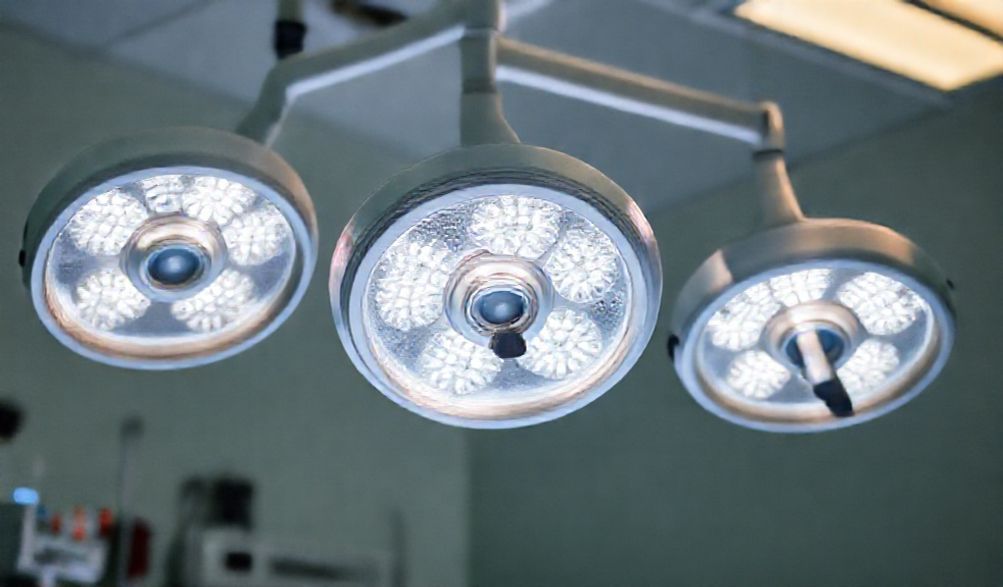
Veterinary Surgical Lights: A Guide to Optimal Illumination for Animal Surgery
In the high-stakes environment of veterinary surgery, success hinges on precision. A millimeter can separate a clean resection from a compromised vessel; the subtle difference between pink and pale tissue can signal impending shock. While skilled surgeons and advanced instrumentation rightfully claim the spotlight, there is one foundational element that underpins every successful procedure: optimal illumination. Veterinary surgical lights are the unsung heroes of the operating suite, a critical piece of equipment that directly dictates procedural accuracy, surgeon stamina, and patient safety.
Often overlooked during practice planning or upgrades, the choice of surgical lighting is far from a mere administrative detail. It is an active investment in clinical outcomes. This guide serves as a comprehensive, authoritative resource for veterinary practice owners, hospital managers, and surgeons. We will move beyond basic catalog specifications to explore why surgical lighting matters, what features define modern systems, and how to select and maintain the right lights for your specific caseload. Synthesizing insights from equipment engineering, veterinary surgical best practices, and clinical ergonomics, this post provides the experience-driven advice needed to make an informed decision for your practice.
Why Surgical Lighting is Critical in Veterinary Medicine
Before delving into specifications, it’s essential to understand the profound impact that surgical lighting has on the daily function and success of a veterinary hospital.
Impact on Surgical Precision and Patient Outcomes
At its core, a surgical light’s job is to reveal, not just illuminate. The quality of light directly influences a surgeon’s ability to perform with accuracy and confidence.
- réduction supérieure des ombres & profondeur de champ: Unlike a standard lamp that creates harsh, defined shadows, a quality surgical light is engineered to minimize shadows through multi-point light sources and advanced reflector technology. This “shadow dilution” is crucial when working in deep cavities, such as during a laparotomy or thoracic surgery in a large breed dog. Furthermore, a good light provides a deep field of illumination—meaning the light intensity remains consistent even several inches below the surface, allowing for clear visualization at the depth of a surgical site without constant refocusing or light adjustment.
- True Tissue Color Rendering: Accurate color perception is non-negotiable. Distinguishing an artery from a vein, identifying a bile duct, or assessing the vitality of intestinal tissue (checking for pink vs. purple ischemia) depends on the light’s ability to render colors faithfully. Poor lighting can mask cyanosis, jaundice, or subtle changes in tissue oxygenation, potentially delaying critical interventions.
- The Bottom Line: Superior lighting translates to more accurate incisions, safer dissection around vital structures, better hemostasis, and ultimately, reduced procedure time. Minimizing surgical time is a direct benefit to patient safety, decreasing anesthesia duration and exposure to potential contaminants.
Surgeon Ergonomics and Reducing Fatigue
Veterinary surgeries can be marathons, not sprints. A surgeon’s physical comfort is paramount not only for their own well-being but also for maintaining steady hands over hours.
- Combating Eye Strain and Mental Fatigue: Poor, flickering, or dim lighting forces the surgeon’s eyes to constantly strain and refocus, leading to headaches, dry eyes, and significant mental fatigue. This cognitive load can slow decision-making and reduce overall situational awareness in the OR.
- Promoting Neutral Posture: An inflexible or poorly positioned light forces the surgeon to contort their body—leaning, twisting, or hunching—to get a better view of the field. Over time, this leads to musculoskeletal strain in the neck, back, and shoulders. Modern lights with effortless, multi-joint maneuverability allow the surgeon to position perfect illumination without moving from an ergonomically neutral stance, protecting their long-term health.
Meeting Accreditation and Safety Standards
For hospitals seeking or maintaining accreditation, such as from the American Animal Hospital Association (AAHA), surgical lighting is a formal point of evaluation. AAHA guidelines emphasize the need for adequate, shadow-reduced, and cool illumination in the operating room. Investing in proper lighting is a clear step toward meeting these professional standards. Furthermore, safety standards govern heat output (to prevent patient tissue drying or burns) and electrical safety (critical in an environment where fluids are present), making the choice of a properly certified medical device a matter of risk management.
Key Features and Technologies in Modern Veterinary Surgical Lights
Today’s veterinary surgical lights are sophisticated medical devices. Understanding their core components is key to making a smart purchase.
Light Source: LED vs. Halogen
The shift from halogen to LED represents the most significant advancement in surgical lighting in decades.
- LED (Light Emitting Diode): The modern standard. LEDs are exceptionally energy-efficient, converting most energy into visible light with minimal heat (infrared) output. This drastically reduces the risk of tissue desiccation. They have an extremely long lifespan (tens of thousands of hours), virtually eliminating the cost and hassle of bulb replacements. LEDs offer excellent color rendering and often allow for adjustable color temperature. While the initial investment may be higher, the , et une vision réaliste du is typically lower due to energy savings and durability.
- Halogène : The older technology. Halogen bulbs produce bright light but are highly inefficient, wasting most energy as heat. This can create a hot environment for the surgical team and patient. They have a short lifespan (1,000-2,000 hours), leading to frequent, costly bulb changes and the risk of a bulb failing mid-procedure. For most practices investing today, LED is the only logical choice.
Understanding Key Technical Specifications
When comparing lights, these are the metrics that matter.
- Illuminance (Lux): This measures the intensity of light falling on a surface. Think of it as brightness. Recommendations vary, but a general guide is:
- Minor Surgery (e.g., lump removal, simple laceration): 40,000 – 100,000 lux.
- Major Surgery (e.g., abdominal, orthopedic, thoracic): 100,000 – 160,000+ lux at the center of the field.
Higher lux levels provide greater visual clarity for delicate work.
- Indice de Rendu des Couleurs (IRC) : This is a scale (0-100) that measures a light source’s ability to reveal the true colors of objects compared to natural light. For surgery, a CRI >90 is essential, with >95 being ideal. A high CRI ensures tissues appear in their true color, which is critical for diagnosis and surgical judgment.
- Field Diameter & Depth of Illumination: The field diameter is the size of the illuminated area (e.g., 20 cm, 30 cm). The depth of illumination refers to how far into a cavity the light maintains useful intensity. A light with a good depth of illumination will provide consistent brightness whether you’re working on the surface of a cat’s abdomen or deep within a Great Dane’s pelvis.
Mechanical Design and Flexibility
The best light is useless if you can’t position it easily and reliably.
- Options de fixation :
- Monté au Plafond : The gold standard for dedicated ORs. Frees up floor space, provides maximum flexibility and range of motion, and is easiest to keep sterile. Requires professional installation.
- Monté au Mur : A good space-saving alternative, though with a more limited arc of movement.
- Mobile Floor Stands: Offer portability for multi-purpose rooms or practices with limited infrastructure. Can be less stable and introduce another object into the sterile field that must be navigated around.
- Maniabilité : Look for systems with multi-segment, counterbalanced arms that move with feather-light touch yet lock solidly in any position without drift or sag. The handle should be designed for easy, aseptic manipulation (often a large, smooth, cool-touch ring).
Selecting the Right Surgical Light for Your Practice
Choosing a light is not one-size-fits-all. It should be driven by your practice’s specific needs.
Assessing Your Practice’s Surgical Needs
Start by asking:
1. What species and sizes do we primarily operate on? (A light for an exotic practice will have different needs than one for an equine hospital).
2. What is our surgical caseload mix? Percentage of routine vs. advanced procedures.
3. How many tables run concurrently? Do you need multiple lights or a single light with a wide coverage area?
4. What is our physical OR layout? Ceiling height, table position, and room size will influence the ideal mounting solution.
Matching Features to Surgical Specialties
- General Practice & High-Volume Spay/Neuter: Prioritize reliability, ease of cleaning (smooth surfaces, sealed joints), and value. A single, robust LED light with good shadow reduction and a 5-year warranty is often perfect.
- Orthopedic & Neurosurgery: These deep-cavity procedures demand high lux levels and exceptional depth of illumination. Look for lights specifically advertised for deep-cavity lighting. A twin-head system can be invaluable for eliminating shadows from retractors and instruments.
- Ophthalmology & Microsurgery: This is the most demanding specialty for lighting. Extremely high CRI (97+) is critical. Features like adjustable color temperature (to enhance contrast of specific tissues) and integrated coaxial illumination (which eliminates shadows from microscopic instruments) are often necessary.
Budgeting and Total Cost of Ownership
Look beyond the sticker price. Create a 5-10 year cost projection that includes:
* Initial Purchase Price
* Installation Costs (especially for ceiling mounts)
* Energy Consumption (LEDs use a fraction of the power of halogens)
* Bulb/Module Replacements (Near-zero for LED, frequent for halogen)
* Warranty & Service Contract Costs
An LED light with a higher upfront cost will almost always prove more economical—and reliable—over its lifespan.
Installation, Maintenance et Bonnes Pratiques
Proper care ensures your investment performs for years.
Professional Installation and Positioning
For ceiling and wall mounts, always use a certified installer. This ensures electrical safety, proper structural support (lights are heavy), and optimal placement. The light’s central axis should be positioned to cover the primary surgical site on your table, with the arm providing full coverage across the entire table surface.
Routine Cleaning and Sterilization Protocols
Light handles are a frequent point of contamination. Follow manufacturer guidelines, but a general protocol is:
1. Between procedures, wipe down the entire handle and exterior housing with a hospital-grade disinfectant wipe.
2. For terminal cleaning, use a soft cloth dampened with a mild detergent or approved disinfectant. Avoid abrasive cleaners or harsh chemicals that can damage finishes and seals.
3. Never spray or pour fluids directly onto the light head. Moisture can ingress and damage electrical components.
4. Ensure the protective glass cover on the light head is clean and free of smudges.
Scheduled Maintenance and Troubleshooting
- Monthly Check: Verify all joints move smoothly and lock securely. Inspect cables for wear. Ensure there is no flickering.
- Problèmes courants :
- Flickering/Loss of Power: Check connections first. If problem persists, it’s a technician call.
- Reduced Brightness: On LEDs, this may signal end-of-life. On halogens, replace the bulb.
- Mouvement Raide ou Dérivant : Joints may need re-balancing or tension adjustment by a technician.
Never attempt internal repairs yourself. Always contact the manufacturer or an authorized service provider.
Foire Aux Questions (FAQ)
What is the typical lifespan of an LED veterinary surgical light?
Modern LED surgical lights are rated for 50,000 to 60,000 hours of use. In a typical practice performing one surgery per day, this translates to 15+ years of reliable service, far exceeding the 1-2 year lifespan of a halogen bulb.
Can human surgical lights be used in veterinary medicine?
They can be adapted, but veterinary-specific lights are often better optimized. Human lights are designed for a vertical surgical field (a standing patient) and may not provide ideal illumination depth for a horizontally positioned animal. Veterinary lights are engineered with the variable patient size and horizontal plane in mind.
How do I prevent shadows during a multi-surgeon procedure?
La meilleure solution est un système d'éclairage léger avec plusieurs têtes de lampe indépendantes (par exemple, une lumière à double tête). Chaque tête peut être positionnée selon un angle différent, “comblant” efficacement les ombres portées par la tête, les mains et les instruments du chirurgien. Cela utilise le principe de dilution des ombres.
Existe-t-il un risque de lésion thermique des tissus dû aux lumières chirurgicales ?
Le risque est très faible avec les lampes LED modernes, car elles émettent un minimum de rayonnement infrarouge (chaleur). Avec les anciennes lampes halogènes ou lors d'interventions exceptionnellement longues, il est recommandé de placer des champs stériles humidifiés ou de la gaze sur les tissus exposés qui ne sont pas dans le champ chirurgical immédiat pour éviter leur dessèchement.
Quelle garantie puis-je attendre ?
Les fabricants réputés proposent généralement une garantie complète de 3 à 5 ans sur l'ensemble du luminaire et une garantie plus longue (souvent de 5 à 7 ans ou plus) sur le moteur/pilote LED principal. Une garantie solide est le signe d'une confiance dans la durabilité du produit.
Conclusion
Investir dans un éclairage chirurgical vétérinaire de haute qualité, c'est investir dans le fondement même de votre service chirurgical. C'est un engagement direct en faveur d'une précision accrue, d'un meilleur confort du chirurgien et de résultats supérieurs pour le patient. La décision implique un équilibre minutieux entre les performances techniques (Lux, IRC), la conception mécanique pratique et les exigences spécifiques de la charge chirurgicale de votre cabinet.
Utilisez ce guide comme cadre pour évaluer les produits et dialoguer avec les fournisseurs d'équipements. N'hésitez pas à demander des démonstrations en direct, voire des périodes d'essai dans votre propre salle d'opération. Voir comment une lumière performe dans votre environnement spécifique est le test ultime. En priorisant un éclairage optimal, vous n'achetez pas simplement un équipement — vous améliorez activement l'un des facteurs les plus critiques déterminant la capacité de votre cabinet à fournir des soins exceptionnels et salvateurs.
p>